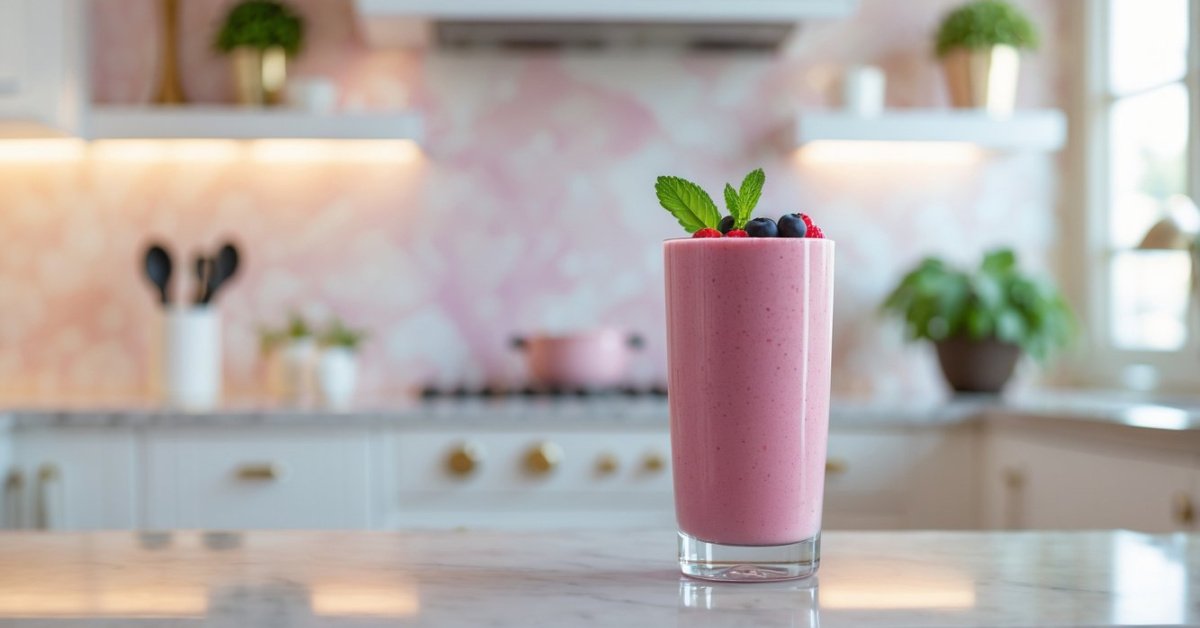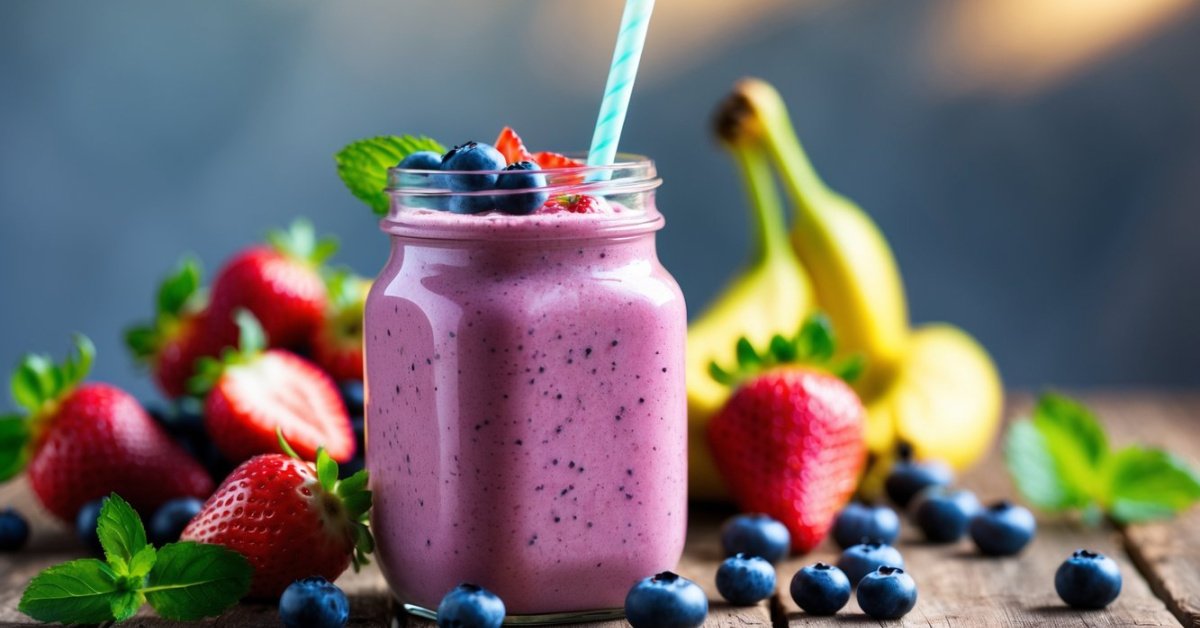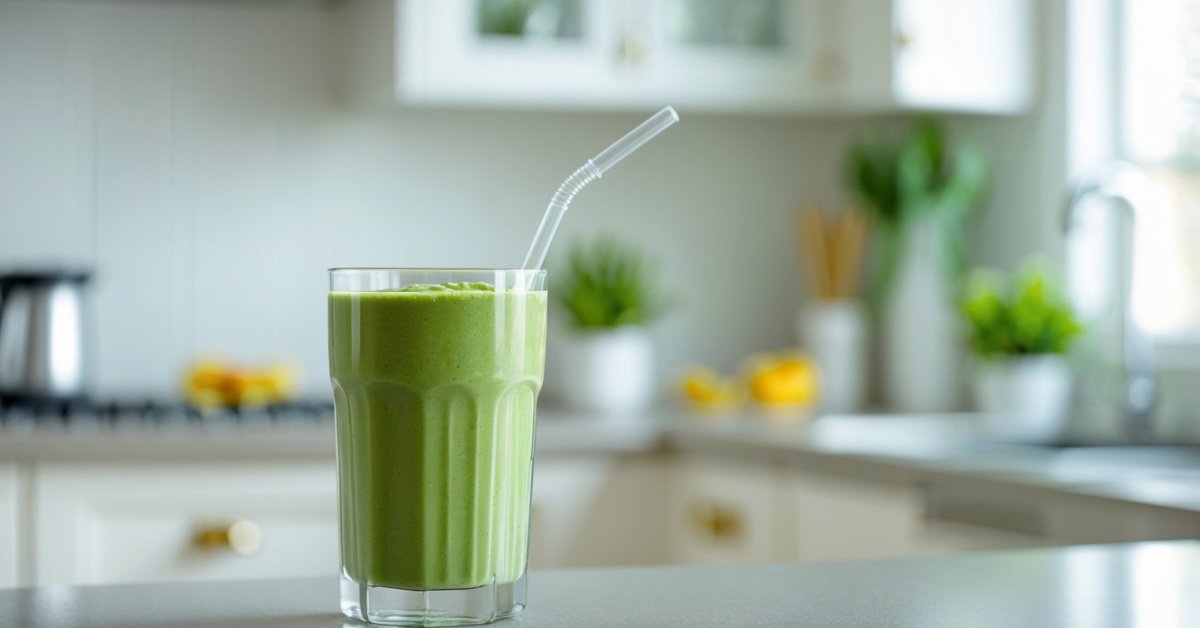
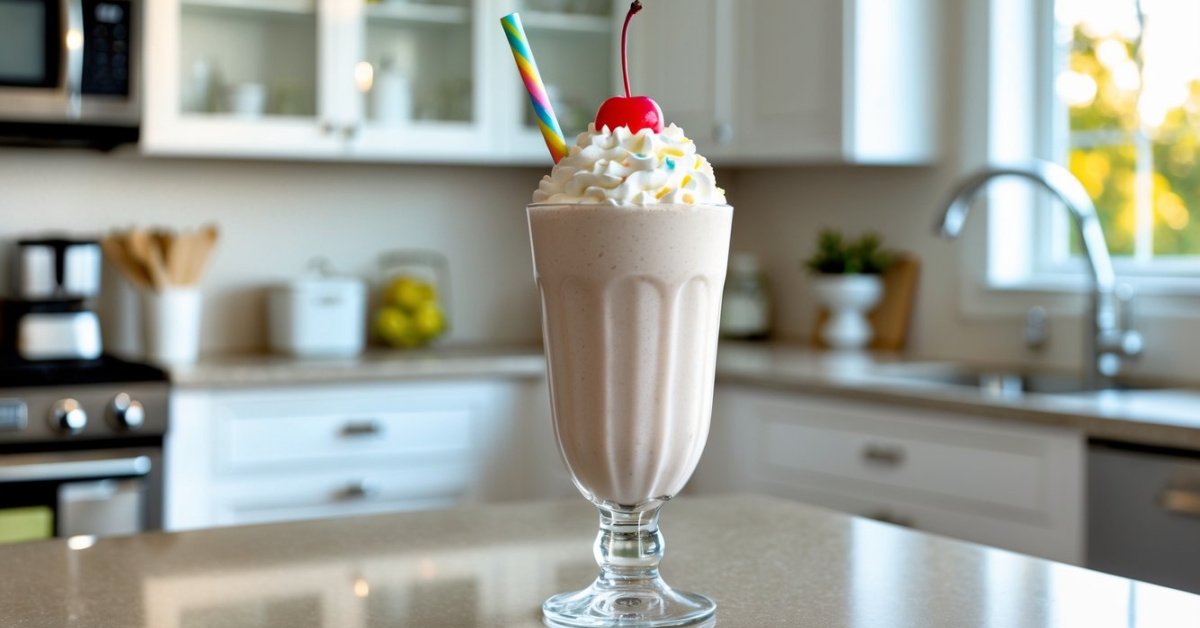
Whenever I want to add a little extra nutrition and crunch to my morning shake, I reach for sunflower seeds. These tiny powerhouses pack a punch of protein, healthy fats, and a nutty flavor that blends right in with all my favorite ingredients. They’re often overlooked, but I’ve found they can totally transform a basic shake into something special.
I love how easy it is to toss a handful of sunflower seeds into the blender. They’re super versatile and work well with fruits, greens, or even chocolate. If you’re looking to boost your shakes without much fuss, sunflower seeds might just become your new go-to mix-in.
Why Add Sunflower Seeds to Shakes
I add sunflower seeds to shakes because they give both nutrition and texture. Sunflower seeds supply about 6g protein per 1-ounce serving, supporting muscle repair in post-workout shakes. I find the seeds’ healthy fats, especially polyunsaturated and monounsaturated fats, provide lasting energy and create a creamy blend with fruits or greens.
I appreciate that sunflower seeds contribute vitamin E, selenium, and folate—nutrients that support immunity and cell function. I blend raw seeds for a subtle taste or use roasted seeds for a nutty note in chocolate or berry shakes.
I choose sunflower seeds when customers want nut-free, allergen-friendly protein sources. These seeds blend smoothly in all types of shakers, including high-speed blenders and personal smoothie makers. By adding sunflower seeds, I boost flavor and deliver satisfying, nutrient-packed shakes anyone can enjoy.
Nutritional Benefits of Sunflower Seeds
Adding sunflower seeds to shakes upgrades both nutrition and taste. I blend them often because 1 ounce packs about 6g protein, helping muscles recover after exercise or keeping energy steady through busy mornings. Sunflower seeds offer healthy unsaturated fats—mostly linoleic acid and oleic acid—that create a creamy shake texture and supply lasting fuel.
Every serving delivers a rich source of vitamin E, crucial for cell protection and skin health, as confirmed by USDA FoodData Central. Sunflower seeds also give selenium, supporting immune function, and folate, which helps cell growth. When customers ask about allergen-friendly options, I suggest sunflower seeds because they’re nut-free and easy on most diets. They integrate smoothly into any shake base, from greens like spinach to sweet fruits like bananas or berries.
I’ve noticed my shakes fortified with sunflower seeds keep customers full longer, thanks to fiber and protein. Their nutrient density stands out among smoothie add-ins, making sunflower seeds a versatile choice for balanced, satisfying shakes.
Preparing Sunflower Seeds for Shakes
Preparing sunflower seeds correctly delivers a creamy mouthfeel and maximizes the nutrients in every shake. I always make small changes based on the seeds’ form and my blender’s power.
Raw vs. Roasted Sunflower Seeds
Raw and roasted sunflower seeds bring slightly different flavors and nutritional qualities to smoothies and shakes. I prefer raw sunflower seeds for a subtle, nutty base that doesn’t overpower fruits or greens. These contain the fullest vitamin E, folate, and antioxidant levels, according to USDA data. Roasted seeds create a warmer, toasted note that pairs well with cocoa or banana shakes. Dry-roasted seeds without added oils or salt keep your shake’s nutrition focused. I always choose unsalted seeds to avoid excess sodium.
Tips for Blending Seeds Smoothly
Getting sunflower seeds silky-smooth in a shake makes a difference in texture and flavor. I soak raw seeds in water for 30-60 minutes—this softens the hull and blends them finer. For roasted seeds, I pulse them dry in a blender or spice grinder before adding liquid; this ensures even dispersion. High-speed blenders like Vitamix or Blendtec process whole seeds into a creamy consistency within 30-60 seconds. For standard blenders, I only add up to 2 tablespoons of seeds per serving to prevent grittiness. Mixing seeds with liquid ingredients before adding frozen fruits minimizes chunks. Blending for at least one full minute gives me a velvety result.
Best Shake Recipes with Sunflower Seeds
Sunflower seeds easily blend into shakes, creating creamy, rich drinks that offer balanced nutrition. As a smoothie shop owner, I work with these seeds daily, using their neutral flavor and boost of nutrients for creative, satisfying recipes.
Classic Sunflower Seed Protein Shake
Classic sunflower seed protein shakes combine plant-based power and a satisfying creamy texture. I usually blend 1 ounce of raw sunflower seeds with 1 scoop of unsweetened protein powder, 1 cup of unsweetened almond milk, 1 frozen banana, and ½ teaspoon of cinnamon. This recipe produces 15g protein, smooth consistency, and a mild, nutty flavor. For extra creaminess, I sometimes soak the seeds for 1-2 hours before blending. This shake works well as a post-workout drink or quick breakfast for customers seeking balanced energy and muscle recovery.
Fruit and Sunflower Seed Smoothie
Fruit and sunflower seed smoothies offer bright flavors and natural sweetness with a nutrient-boosting twist. I like blending 1 ounce of soaked sunflower seeds with 1 cup frozen mixed berries, ½ cup baby spinach, 1 tablespoon honey, and 1 cup coconut water. This smoothie delivers vitamin C, fiber, and hydration, plus sunflower seed creaminess and added healthy fats. The seeds mellow tart fruit, creating a smooth taste that’s always a hit at my shop. I sometimes add a splash of lemon juice to lift the flavors even more.
Flavor Pairings and Add-Ins
Pairings for sunflower seeds in shakes include chocolate, banana, and berries for balancing nutty notes and bright flavors. I often combine raw sunflower seeds with cocoa powder and dates for a rich, creamy base, or blend with frozen blueberries, strawberries, and honey to highlight fruity brightness. Greens like spinach or kale work well since sunflower seeds mask bitterness and add smoothness.
Add-ins boost both taste and nutrition. I mix in Greek yogurt, hemp seeds, or chia for extra protein and texture. Flaxseed offers omega-3s, while oats introduce thickness and slow-digesting carbs. My go-to sweeteners include maple syrup or stevia for keeping shakes refined sugar-free.
Spices transform shakes with sunflower seeds. I use cinnamon, nutmeg, or ginger to warm up chocolate and nut flavors. For tropical vibes, I blend sunflower seeds with pineapple, coconut water, and vanilla for a creamy, energizing shake.
Below is a quick reference table of common flavor pairings and add-ins I use with sunflower seeds in my shop:
| Pairing/Add-In | Example Ingredients | Flavor/Benefit |
|---|---|---|
| Chocolate-Banana | Cocoa powder, banana, dates | Creamy, sweet-rich |
| Berry-Greens | Blueberry, strawberry, spinach, honey | Tart, fresh, smooth |
| Tropical | Pineapple, coconut water, vanilla | Bright, creamy, energizing |
| Protein Boost | Greek yogurt, hemp seeds, chia, flaxseed | Fuller, heartier, omega-3s |
| Spices | Cinnamon, nutmeg, ginger | Warm, comforting, aromatic |
| Thickener | Oats, avocado | Dense, satisfying, creamy |
| Sweetener | Maple syrup, stevia | Sugar-free, natural sweet |
Combining sunflower seeds with these pairings and add-ins creates shakes that taste great and align with healthy, thoughtful ingredient choices.
Common Mistakes to Avoid
- Skipping the Pre-Soak for Raw Seeds: Skipping the pre-soak step for raw sunflower seeds often leads to shakes with a gritty or chalky texture. I always soak raw seeds for at least 20 minutes before blending, unless I need a crunchy topping.
- Overusing Sunflower Seeds: Overusing sunflower seeds gives shakes a dense, overpowering taste, especially when I go above 1–2 tablespoons per serving. I stick to the right portion to balance flavor and texture with other ingredients like bananas or cocoa.
- Using Unsuitable Blenders: Using basic low-power blenders leaves seed fragments in the shake. I rely on high-speed blenders, such as Vitamix or Ninja, to create a silky, even consistency with sunflower seeds.
- Ignoring Salted or Flavored Seeds: Ignoring ingredient labels increases salt or unwanted flavors in shakes when I use salted, roasted, or flavored sunflower seeds. I choose plain, unsalted, and preferably raw seeds so the final taste comes from my selected add-ins.
- Forgetting About Allergens or Additives: Forgetting to check for cross-contamination, additives, or coatings in pre-packaged sunflower seeds occasionally introduces allergens, sugar, or oils into otherwise healthy shakes. I always choose clean, single-ingredient sunflower seeds to get their nutritional benefit without surprises.
- Not Adjusting Liquid Volume: Not adjusting liquid in shake recipes results in extra-thick or dry shakes. I add a bit more milk, juice, or coconut water when using sunflower seeds, as they absorb more liquid than most add-ins.
- Rushing the Blending Process: Rushing the process creates uneven shakes with bits of seed hull. I blend for 30–60 seconds and even pulse the mixture if I want a super-smooth texture.
Using careful preparation and mindful ingredient selection lets me turn simple home shakes into nourishing, professional-quality drinks every time.
Conclusion
I love how sunflower seeds can transform a basic shake into something truly satisfying. With just a small handful I get a boost of nutrition and a creamy texture that makes every sip more enjoyable. Whether I’m mixing up a quick breakfast or a post-workout treat I always find new ways to play with flavors and textures using these tiny seeds.
If you haven’t tried sunflower seeds in your shakes yet give it a go. You might be surprised by how much they elevate your favorite recipes and keep you feeling full and energized all day.