
I’ve always loved starting my day with a smoothie. It’s quick tasty and packed with nutrients that make me feel great from the inside out. But what really gets me excited is how the right blend of fruits veggies and other ingredients can do wonders for my digestive health.
When my stomach feels off I reach for a smoothie loaded with fiber probiotics and soothing herbs. It’s amazing how a simple drink can help keep things moving and support a happy gut. If you’re looking for a delicious way to boost your digestion you’re in the right place.
Understanding Digestive Health
Digestive health describes how well the gastrointestinal tract breaks down food and absorbs nutrients. Healthy digestion allows the body to use vitamins, minerals, and energy from what I blend into each smoothie. When gut function’s optimal, I notice it through regular bowel movements, comfortable digestion, and less bloating.
Key factors influencing digestive health include fiber, probiotics, hydration, and nutrient diversity. Fiber from fruits like bananas, leafy greens, and seeds keeps the digestive system moving. Probiotics, found in ingredients like yogurt or kefir, help balance gut bacteria and may reduce digestive discomfort. Hydration plays a part, as the liquid in my smoothies and shakes helps keep the gut lining moist and flush toxins. Ingredient diversity supplies the gut with prebiotics and a range of micronutrients, supporting microbial variety for overall health.
Common digestive issues people see—examples include constipation, indigestion, and occasional bloating—often improve by incorporating more gut-friendly ingredients. Since blending fruits, greens, and cultured dairy bases into smoothies makes these compounds easier to enjoy daily, I see positive shifts in regular customers’ digestion and comfort.
Digestive health connects directly to what I choose to blend. Selecting the right combinations lets me craft smoothies that taste great and may support healthier digestion every time.
The Role of Diet in Digestion
What I put into my smoothies directly affects how my gut feels and works. The combination of quality ingredients, especially those rich in fiber and nutrients, supports both quick energy and smooth digestion.
Importance of Fiber and Nutrients
I always focus on fiber and nutrients because they’re essential for healthy digestion. Fruits like bananas, apples, and berries, and greens like spinach or kale, supply both soluble and insoluble fiber, each helping the gut in different ways. Soluble fiber, found in apples and oats, helps form a soft, gel-like substance that supports easy elimination. Insoluble fiber from greens and seeds like chia or flax adds bulk and pushes everything through. Nutrient-rich add-ins such as yogurt, kefir, or nut butters boost healthy fats, protein, and probiotics, providing fuel and supporting balance in the gut microbiome. By blending a variety of fresh, whole foods, I make sure my smoothies not only taste great but also help my customers feel great throughout the day.
Common Digestive Issues and Their Triggers
When people come to my shop, they sometimes mention problems like bloating, gas, or constipation. These issues often start with dietary triggers such as high intake of processed foods, low-fiber choices, excessive dairy, or too much sugar. I avoid adding artificial sweeteners, heavy creams, or high-fat toppings, which often slow down digestion and upset sensitive stomachs. Adding gut-friendly options like ginger, pineapple, or a spoonful of kefir helps address common complaints and keeps smoothies light while still satisfying. Focusing on the right blend of whole foods makes each smoothie a tool for promoting optimal digestive health with every sip.
Why Smoothies Benefit Digestive Health
Smoothies deliver a concentrated source of gut-friendly nutrition that works with your digestive system rather than against it. I source vibrant, high-quality ingredients so every blend supports balance and comfort.
Nutrient Absorption and Gut Health
Fresh smoothies help your gut absorb nutrients more efficiently by combining fiber, micronutrients, and prebiotics in each glass. I use ingredients such as spinach and chia seeds to provide both soluble and insoluble fiber, which helps regulate movement and keeps your gut environment thriving. Yogurt and kefir add living probiotics—live cultures that can balance your gut flora—especially when paired with prebiotic fruits like bananas and apples. These combinations support strong digestive health and optimize how nutrients get absorbed from each sip.
Easy-to-Digest Ingredients
Smoothies make it simple to enjoy ingredients that your system can break down easily. Ripe fruits, gentle greens, and fresh herbs blend to a smooth texture that reduces digestive effort. In my shop, I choose naturally sweet options—like mango, blueberries, and oat milk—and skip artificial sweeteners or heavy creams, which often cause bloating. Even those with sensitive stomachs find ingredients like cooked pumpkin, avocado, and ginger soothing and easy on the gut. By curating for digestibility, I offer drinks that provide energy and comfort, no matter your digestion needs.
Best Ingredients for Digestive Smoothies
As a smoothie shop owner and an expert in blending, I always select ingredients that support better digestion and taste amazing. Each smoothie I create blends fiber, probiotics, and hydration—three elements crucial for gut health.
High-Fiber Fruits and Vegetables
Every smoothie with high-fiber fruits and vegetables improves digestive movement, reduces bloating, and promotes gut balance. I use:
- Bananas for prebiotic fiber and digestive comfort
- Apples for soluble fiber and gentle sweetness
- Berries like blueberries, strawberries, and raspberries for antioxidants and diverse fiber
- Leafy greens including spinach and kale for insoluble fiber and micronutrients
- Avocado for creamy texture, soluble fiber, and healthy fats
- Carrots and beets for gut-friendly fiber and vibrant color
If you blend a mix of these, digestion typically stays on track, especially when ingredients are fresh and varied.
Probiotics and Prebiotics Additions
Every smoothie that combines probiotics and prebiotics supports gut flora, which enhances regularity and digestion. I recommend:
- Yogurt (choose plain, unsweetened Greek yogurt) for abundant live cultures
- Kefir for the widest range of probiotics and a tangy flavor
- Prebiotic-rich fruits including bananas, apples, and kiwis to feed good bacteria
- Flaxseeds and chia seeds for added prebiotic fiber
- Inulin powder or chicory root for a specialized prebiotic boost
If dairy’s not your thing, cultured coconut or almond yogurt can also provide probiotics.
Hydration Boosters
Every smoothie balanced with hydration boosters aids digestion by keeping things moving and supporting absorption. I often blend in:
- Coconut water for natural electrolytes and mild sweetness
- Cucumber or celery for extra water content and freshness
- Watermelon for high hydration and a sweet, gentle flavor
- Herbal teas like ginger or peppermint tea (cooled) for fluid and digestive comfort
If you’re after effective hydration without heaviness, these ingredients refresh the digestive system and elevate each blend’s lightness.
Simple and Effective Digestive Smoothie Recipes
I focus on crafting smoothies that blend gut-friendly ingredients for easy preparation and balanced nutrition. Each recipe brings out flavor and supports digestion with fiber, probiotics, and hydration.
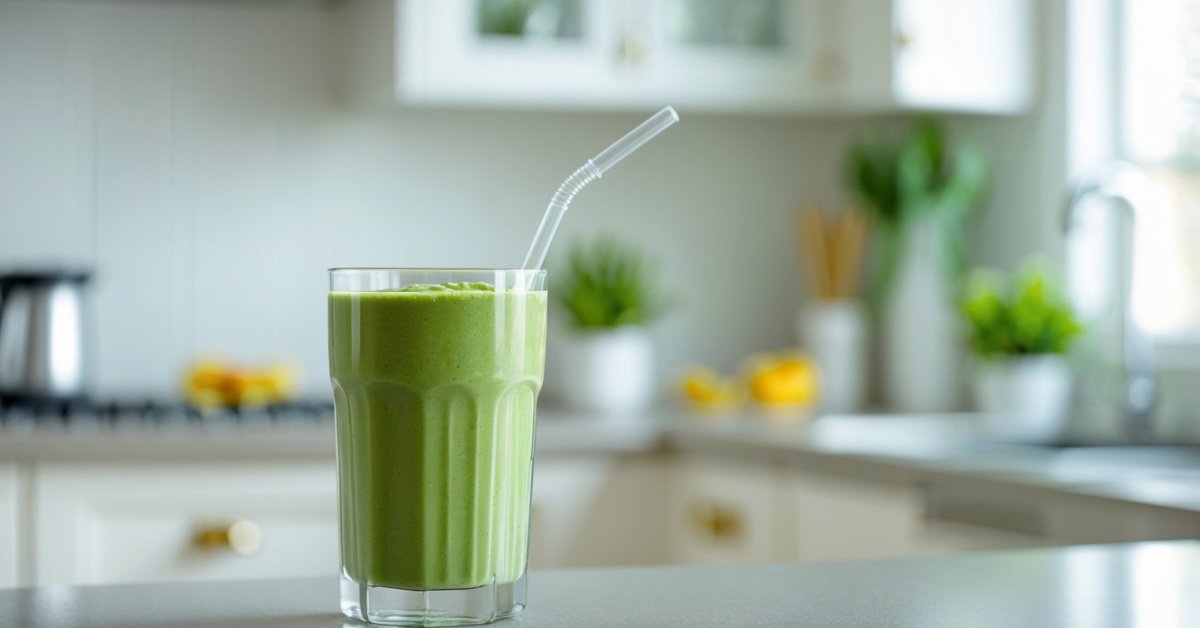
Recipe 1: Green Gut-Soother
I combine leafy greens, ripe fruit, and soothing add-ins for this gentle digestive smoothie. Here’s my go-to blend:
- 1 cup fresh spinach (fiber and antioxidants)
- 1 ripe banana (prebiotics and creamy texture)
- 1/2 small cucumber (hydration and mildness)
- 1/2 green apple (soluble fiber)
- 1 tablespoon chia seeds (omega-3s and insoluble fiber)
- 1 cup unsweetened coconut water (natural hydration)
Blend all items until smooth. I use ripe bananas and spinach for optimal digestibility and avoid added sugars for a clean taste.
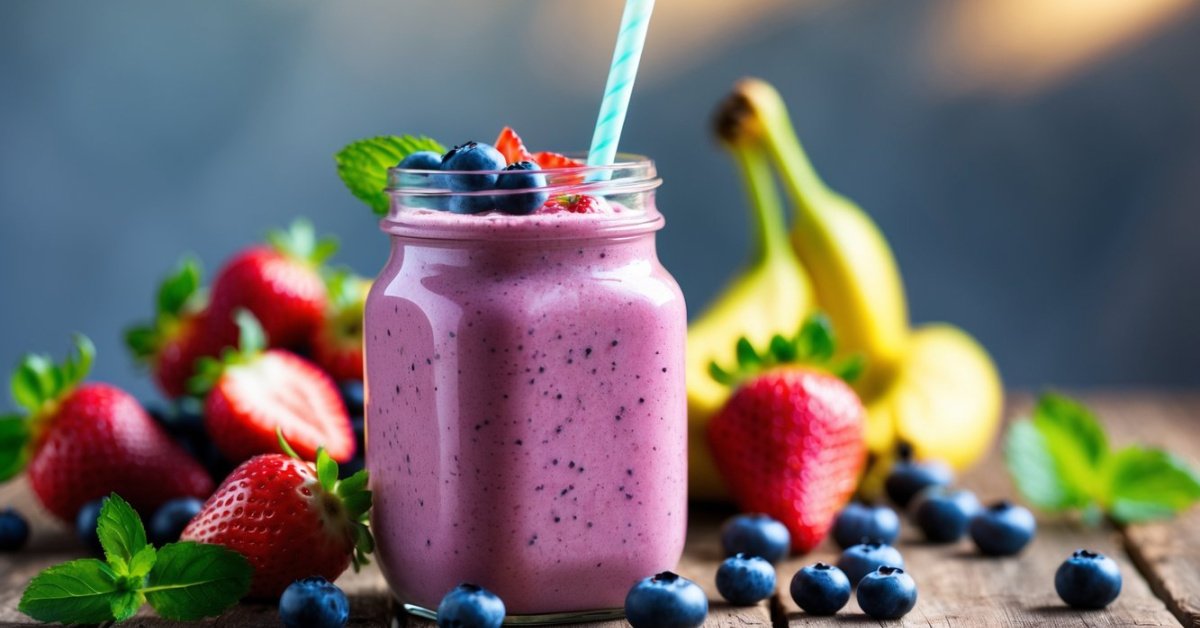
Recipe 2: Berry Probiotic Blend
I use berries and kefir in this recipe to boost gut flora and flavor. The ingredients include:
- 1 cup mixed berries (blueberries, raspberries, strawberries for fiber and antioxidants)
- 1/2 cup plain kefir (probiotics and protein)
- 1/2 ripe banana (natural sweetness)
- 1 tablespoon ground flaxseed (soluble fiber)
- 1/2 teaspoon grated ginger (calms digestion)
- 1/2 cup water or unsweetened almond milk (blending ease)
Blend until creamy. I select plain kefir and use mixed berries to support gut health without excessive sugar.
Tips for Making the Most of Smoothies for Digestive Health
Making smoothies at home offers hands-on control over nutrition and flavor, letting me fine-tune each blend to support digestive balance. Careful selection of ingredients and preparation methods ensures every smoothie delivers the most benefit to my gut.
Customizing for Personal Needs
Personalizing smoothies maximizes digestive benefits. I select fruit, greens, and liquid bases according to my specific digestion concerns—for instance, I rely on high-fiber berries and chia seeds for sluggish digestion, while opting for gentler bananas and spinach when I want something easy on my stomach. I swap dairy for plant-based yogurts or kefir with probiotics when dairy bothers me, and I include soothing elements like ginger or mint to ease occasional bloating. I pay attention to portion size, starting with 12–16 oz servings, since larger amounts can overwhelm digestion, especially for those new to fiber-rich smoothies.
Precautions and Common Mistakes to Avoid
Avoiding common pitfalls keeps smoothies gentle on digestion. I monitor fiber load, since adding too many seeds, raw greens, or vegetables can cause bloating—my balance comes from blending soluble fibers (ex: banana, oats) with moderate insoluble sources (ex: raw kale, carrots). I never use artificial sweeteners or fruit juice concentrates, since both can upset gut bacteria or trigger discomfort. Overblending ingredients diminishes fiber structure, so I pulse just enough for a smooth texture. Quality and freshness of ingredients matter; I avoid wilted greens or overripe fruit, since their spoilage can introduce unwanted bacteria. Lastly, I rotate produce and add-ins week to week, which prevents repetitive nutrient loads and encourages a diverse, gut-friendly microbiome.
Conclusion
Making smoothies part of my daily routine has truly transformed how I feel. They’re not just tasty and convenient—they’re a gentle way to give my gut the support it needs. With so many delicious combinations to try and endless ingredient options, I never get bored.
If you’re looking to boost your digestive health, a thoughtfully crafted smoothie might be just what your body’s been craving. I love knowing that each blend brings me one step closer to feeling my best inside and out.