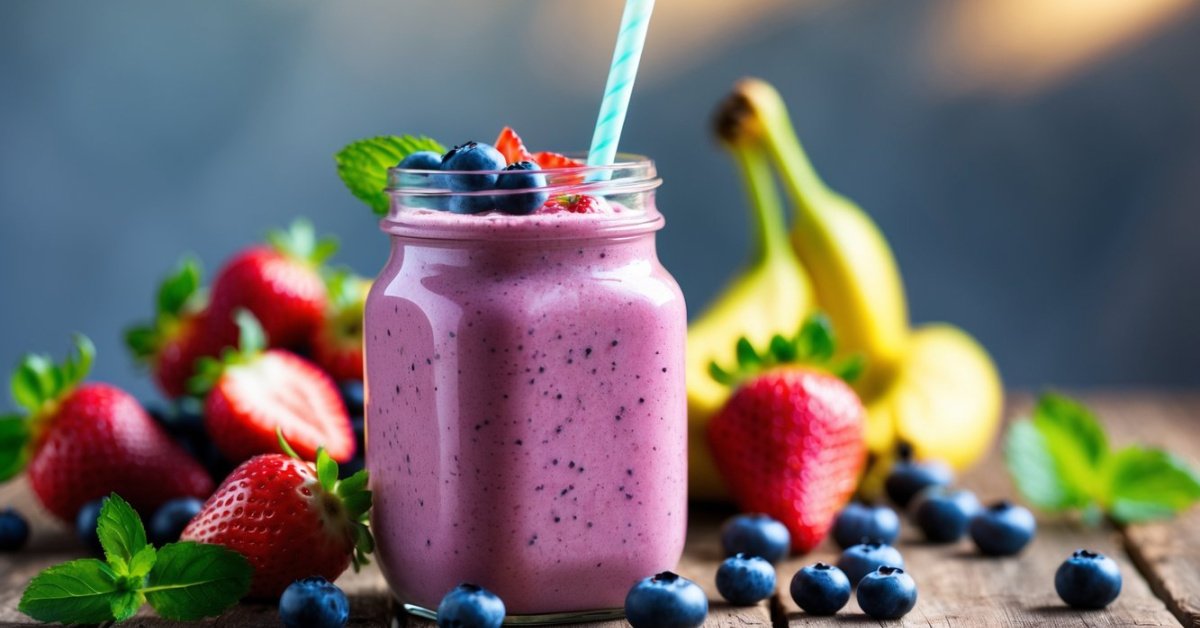

I love starting my day with a smoothie and spinach has become my go-to ingredient. It blends right in without overpowering other flavors and instantly boosts the nutrition of any drink. Whether I’m in a rush or just craving something fresh spinach always finds its way into my glass.
Adding spinach to smoothies isn’t just about getting a pretty green color. It’s a simple way to sneak more vitamins and minerals into my routine. I’ve found that with just a handful of leaves I can make my breakfast or snack a lot healthier without much effort.
Understanding Spinach as a Superfood
I use spinach in my smoothie shop because it ranks high as a powerhouse ingredient among leafy greens. Spinach contains high levels of vitamin K, vitamin A, manganese, and folate, as reported by the USDA Nutrient Database. Each cup of raw spinach offers about 145 micrograms of vitamin K and 2,813 IU of vitamin A, making it a top pick for boosting smoothie nutrition.
I select spinach for its antioxidant content, including lutein and zeaxanthin, which support eye health according to the American Optometric Association. I also value the presence of iron and magnesium, which help with energy and muscle function—something many smoothie enthusiasts look for after a workout.
I keep fresh spinach on hand because it’s low-calorie and versatile, mixing smoothly into both fruit and protein-based blends. In my recipes, spinach adds nutrition without changing the texture or flavor, letting me create balanced, nutrient-dense smoothies for customers who want both taste and health benefits.
Key Nutritional Components of Spinach
Spinach adds concentrated nutrition to any smoothie or shake I make at my shop. Each serving of fresh spinach brings essential vitamins, minerals, and phytochemicals that support overall health with very few calories.
Vitamins and Minerals
Spinach provides high amounts of vitamin K, vitamin A, manganese, and folate in every cup. I use these in classic green blends for their value in supporting bone health, immune function, metabolism, and energy. Magnesium and potassium from spinach help with muscle function and hydration—important for those who work out or need all-day stamina. Iron content in spinach is valuable for red blood cell support, especially when paired with vitamin C-rich fruits like oranges or strawberries to improve absorption.
Antioxidants and Phytochemicals
Spinach brings antioxidants such as lutein and zeaxanthin to my smoothie recipes, protecting eyes from oxidative stress and blue light. Flavonoids and carotenoids found in spinach leaves help neutralize free radicals, making them a great addition for anyone seeking a nutrient-dense smoothie. Chlorophyll, which gives spinach its signature green color, offers additional anti-inflammatory and detoxification properties, boosting the function of every smoothie blend I create.
Health Benefits of Adding Spinach to Smoothies
Adding spinach to smoothies gives me a reliable way to elevate both nutrition and flavor for my shop customers and everyone blending smoothies at home. Fresh spinach makes any blend more functional by boosting energy, supporting immunity, and improving well-being across key health areas.
Energy and Immunity Boost
Spinach brings a solid dose of iron and magnesium, which support sustained energy and nerve health for busy days in my smoothie shop or at home. I see customers who choose spinach blends when they want to perk up without extra caffeine. Vitamin C-rich ingredients like oranges or pineapples paired with spinach help the body absorb iron, making each smoothie more effective. With vitamins A and C, spinach helps support immunity, which is key for anyone wanting to fend off seasonal bugs.
Benefits for Skin and Bone Health
Spinach supports bone strength and healthy skin, which motivates me to use it daily. Every 30g handful contains over 140 mcg of vitamin K and 2,813 IU of vitamin A—nutrients that build strong bones and maintain skin’s natural glow. My regulars love spinach blends for promoting clear skin, and adding in ingredients like kiwi or strawberries gives even more vitamin C for collagen formation. Manganese in spinach further assists in bone development, adding another layer of benefit.
Weight Management and Digestion
Spinach blends offer real help with weight management and digestion. I use its low-calorie, high-fiber profile to create smoothies that feel filling without extra calories. Each 30g (about 1 cup) serving adds just 7 calories, which makes it ideal for weight-conscious customers. That natural fiber helps regulate digestion and promote fullness, so customers enjoy satisfying smoothies that also support gut health. Pairing spinach with yogurt or flax seeds enhances both protein content and digestive support, giving every smoothie a balanced nutritional boost.
How to Incorporate Spinach Effectively in Smoothies
I use spinach in nearly every smoothie I make at my shop because it’s simple to blend, packs nutrition, and adds a fresh green boost. Maximizing nutrition and taste gets easier when you know how much spinach to add, how to pair it, and how to maintain a creamy, appealing texture every time.
Tips for Flavor Balance and Texture
I start with a handful (about 1 cup, or 30 grams) of fresh spinach for a single serving. Blending spinach with naturally sweet fruits—like ripe bananas or mango slices—helps mask its earthy notes. Cold elements, such as ice or frozen fruit, add a smooth finish and help thicken the drink. For a creamier result, I blend spinach with Greek yogurt or a splash of unsweetened almond milk. Blending spinach first with the liquid base before adding chunky fruit keeps the texture silkier, which my customers love. Measuring ingredients by weight or using the same cup helps maintain consistency, cup after cup.
Best Ingredient Pairings
I get better results with spinach smoothies by pairing it with specific ingredients:
- Fruits: Pineapple, mango, apples, peaches, pears—each adds sweetness and helps mellow spinach’s slight bitterness.
- Bases: Unsweetened almond milk, coconut water, low-fat yogurt—these contribute creaminess and a mild flavor backdrop.
- Boosts: Flax seeds, chia seeds, hemp hearts—these increase fiber and omega-3 content, balancing nutrition.
- Flavorings: Fresh ginger, lemon juice, honey—each brings brightness and enhances fresh ingredients.
I mix and match these in my shop to develop smoothies that highlight spinach’s health benefits, always making sure the final drink tastes as good as it looks.
Comparing Spinach to Other Leafy Greens in Smoothies
Listing leafy greens brings variety to smoothies, but spinach remains consistently popular with my customers at the smoothie shop.
- Spinach vs Kale
Spinach offers a milder taste and silkier texture than kale, which tastes earthier and feels rougher when blended. Kale provides more vitamin C and calcium, with 53% and 9% of the Daily Value (DV) per cup raw, compared to spinach’s 14% DV vitamin C and 3% DV calcium (USDA). Spinach contains more folate (15% DV vs kale’s 5% DV) and slightly less fiber.
- Spinach vs Swiss Chard
Swiss chard delivers bold color and a stronger, slightly bitter flavor, which stands out in smoothies. Spinach’s subtle taste blends in quietly. Both greens offer high vitamin K, but spinach contains more vitamin A and folate, making it preferable for micronutrient-rich blends.
- Spinach vs Romaine Lettuce
Romaine lettuce gives smoothies a crisp, watery base with little aftertaste. Spinach adds more vitamin K, vitamin A, iron, and magnesium per cup than romaine. I use romaine for extra hydration, but spinach for denser nutrition.
- Spinach vs Arugula
Arugula introduces a peppery flavor that can dominate a blend. Spinach works better for those who prefer milder, sweeter smoothies while still boosting vitamins and minerals.
Fresh spinach consistently delivers a balanced profile: low calories, high nutrition, and blend-friendly taste. My best-selling green smoothies keep spinach as the foundation to deliver benefits without sacrificing flavor.
| Leafy Green | Taste/Texture | Vitamin K (DV/1 cup) | Vitamin A (DV/1 cup) | Folate (DV/1 cup) | Iron (DV/1 cup) | Fiber (g/1 cup) |
|---|---|---|---|---|---|---|
| Spinach | Mild, soft, blends well | 121% | 16% | 15% | 5% | 0.7 |
| Kale | Earthy, dense, fibrous | 68% | 6% | 5% | 4% | 0.9 |
| Swiss Chard | Bitter, tender-crisp | 299% | 3% | 1% | 5% | 0.7 |
| Romaine Lettuce | Crisp, neutral | 48% | 4% | 5% | 2% | 1.0 |
| Arugula | Peppery, soft | 28% | 2% | 3% | 2% | 0.3 |
(Source: USDA FoodData Central, 2024)
Blending leafy greens like spinach, kale, chard, or romaine lets me personalize nutrition for customers, but spinach stays my top pick for a smooth, nourishing foundation.
Conclusion
Spinach has truly transformed the way I approach smoothie-making. I love how it lets me pack in extra nutrition without sacrificing taste or texture. Every time I toss a handful into my blender I feel good knowing I’m doing something simple yet powerful for my health.
If you haven’t tried adding spinach to your smoothies yet I highly recommend giving it a shot. It’s an easy upgrade that your body—and your taste buds—will thank you for.