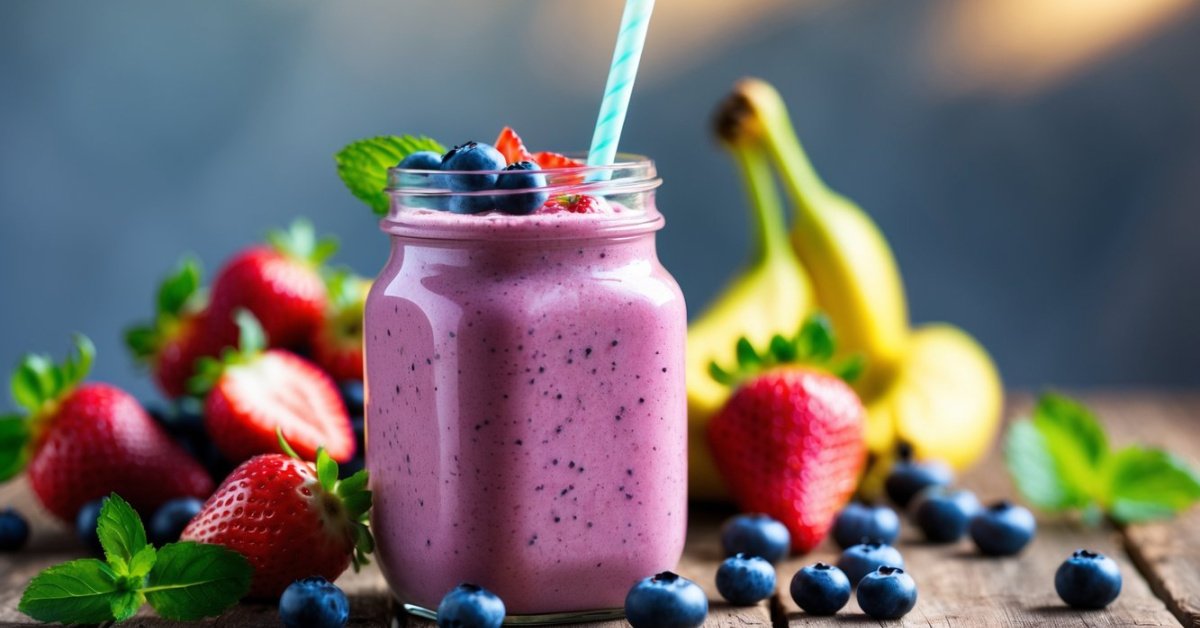
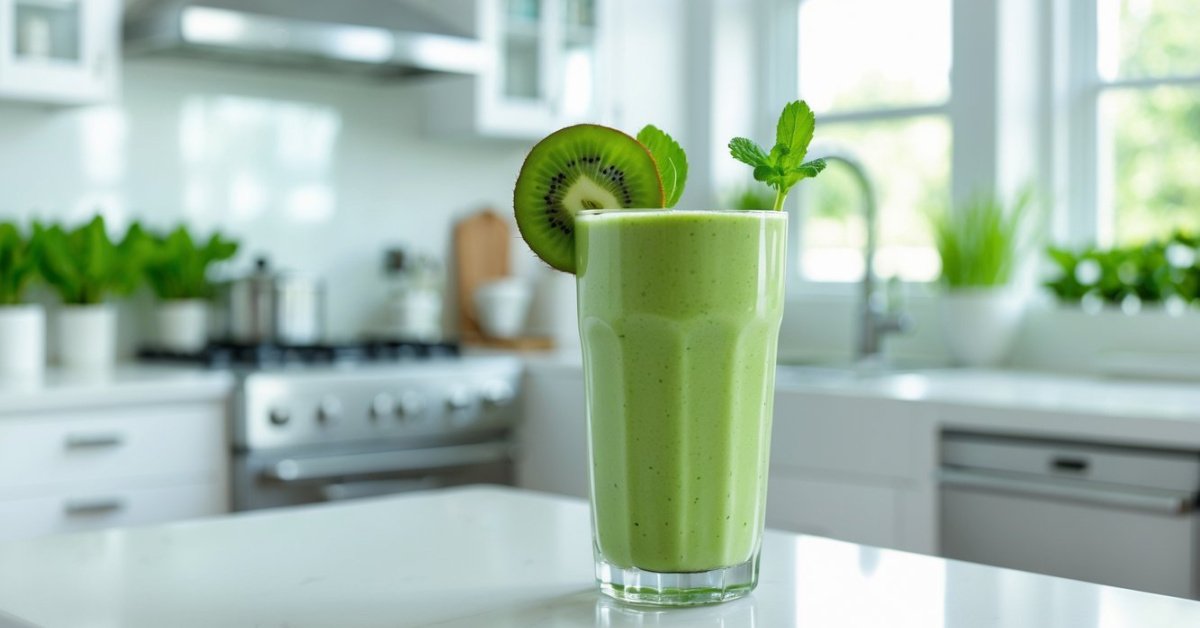
When I’m whipping up a smoothie, I always find myself torn between coconut water and coconut milk. Both bring a tropical twist, but they couldn’t be more different in taste and texture. It’s easy to wonder which one will give my smoothie that perfect balance of flavor and creaminess.
I love experimenting with new ingredients, and coconut products are always at the top of my list. Whether I’m craving something light and refreshing or rich and indulgent, the choice between coconut water and coconut milk can make all the difference. Let’s dive into what sets them apart and how each one can transform your next smoothie creation.
Understanding Coconut Water and Coconut Milk
Coconut water and coconut milk create unique smoothie experiences. I choose between them based on flavor, nutrition, and texture goals for each smoothie recipe.
Key Differences Between Coconut Water and Coconut Milk
Coconut water comes from the clear liquid inside young green coconuts while coconut milk is a creamy blend of coconut flesh and water. Coconut water tastes light and slightly sweet with a watery consistency, so I use it when I want my smoothies to be refreshing and hydrating. Coconut milk gives a rich, creamy body and has a pronounced coconut flavor, perfect for thick or dessert-like smoothies. Texture differences set them apart in smoothies—coconut water blends with fruits for a thinner finish, while coconut milk turns fruits and powders into thick, velvety drinks.
Nutritional Profiles Compared
Nutritional values for coconut water and coconut milk guide my ingredient choices. Coconut water delivers low calories and sugars with high electrolytes like potassium, making it suitable for post-workout smoothies or light snacks. Coconut milk provides a higher calorie and fat content, offering more creaminess and helping satisfy hunger in meal replacement smoothies. I refer to nutritional data when helping customers select the base that aligns with their health needs.
| Product | Calories (per cup) | Fat (g) | Potassium (mg) | Sugars (g) | Notable Use |
|---|---|---|---|---|---|
| Coconut Water | 45-60 | 0.5 | 600 | 6-9 | Hydrating, light |
| Coconut Milk | 150-550* | 5-48* | 400 | 2-8 | Creamy, filling |
*Varies with type (carton, canned, full-fat, or light) and brand.
I recommend coconut water when a recipe calls for hydration and subtle flavor, limiting fat and calories. I use coconut milk for smoothies that benefit from luxurious creaminess and a richer taste profile.
Flavor and Texture in Smoothies
Smoothie flavor and texture depend heavily on the liquid base. My experience with coconut water and coconut milk highlights distinct differences that shape the final blend every time.
Impact on Taste
Coconut water gives smoothies a crisp, clean finish with a hint of natural sweetness. I often use coconut water in fruit-based blends like pineapple-banana or mango-spinach for a light tropical lift. The flavor stays subtle, letting fruit or greens stand out.
Coconut milk brings a stronger coconut taste and a creamy richness to smoothies. I reach for coconut milk in recipes with cacao, berries, or nut butters, where a full-bodied, dessert-like character works best. The coconut notes deepen and enhance chocolate, cherry, or almond flavors in particular.
Influence on Smoothie Consistency
Coconut water produces a lighter, thinner smoothie texture. My customers who want an easy-to-drink, hydrating shake usually prefer this option, especially with thirst-quenching fruits or post-workout combinations.
Coconut milk creates a thicker, more indulgent consistency. When my goal is a smoothie bowl or a filling breakfast blend, I use coconut milk to achieve a velvety texture. It emulsifies well with icy ingredients, making the drink spoonable or extra creamy, especially for shakes with avocado, oats, or chia seeds.
Health Benefits and Considerations
Choosing between coconut water and coconut milk for smoothies shapes both taste and nutrition. I consider hydration, calorie profiles, and ingredient quality with every smoothie I make in my shop.
Hydration and Electrolytes
Coconut water increases smoothie hydration due to its high electrolyte content. In each 240 mL serving, coconut water typically contains 600 mg potassium, 250 mg sodium, and 60 mg magnesium, according to the USDA. I use coconut water for post-workout smoothies, replenishing electrolytes lost in sweat. Coconut milk lacks significant electrolyte levels, so it doesn’t support hydration as effectively if the goal is quick rehydration.
Calories and Fat Content
Coconut milk increases smoothie richness with added calories and fat. In 100 mL, canned coconut milk usually contains about 230 calories and 24 g fat, mostly saturated, based on the USDA FoodData Central. I use coconut milk when customers seek a creamier texture and a more filling shake. Coconut water adds only about 18 calories and less than 0.2 g fat per 100 mL, so it keeps smoothies lighter, perfect for low-calorie recipes. I rely on coconut milk when healthy fats and longer-lasting energy are a priority and coconut water when a lighter, thirst-quenching drink benefits the blend.
Best Uses in Different Smoothie Recipes
Coconut water and coconut milk each excel in specific smoothie recipes. I use both daily in my smoothie shop to create drinks that suit different needs, from hydrating post-workout blends to rich, dessert-style treats.
When to Choose Coconut Water
Coconut water works best in smoothies where hydration and a light texture matter. I add it to fruit-heavy recipes like pineapple-spinach, mango-strawberry, or citrus blends to let the true fruit flavors shine. Coconut water keeps smoothies refreshingly thin and not overly sweet. If guests want a hydrating base with fewer calories and sugars, coconut water is my top choice. Athletes and customers seeking post-gym options often prefer coconut water in green smoothies with leafy greens, berries, or banana for a crisp finish and a nutritional boost from electrolytes.
When to Choose Coconut Milk
Coconut milk suits recipes that aim for thickness and a creamy mouthfeel. I use it for dessert-inspired smoothies, such as berry-chocolate, banana-cocoa, or recipes featuring nut butters or oats. Coconut milk’s rich fat content brings satisfying texture and pronounced flavor, making it the best fit for breakfast smoothies, meal replacements, or smoothie bowls topped with seeds, fruits, and granola. Whenever I want a smoothie to be filling and indulgent, coconut milk gives that velvety, satisfying result my customers love. Recipes with spices, like turmeric or cinnamon, also benefit from coconut milk’s rich canvas.
Final Thoughts on Choosing the Right Ingredient
When I pick between coconut water and coconut milk for smoothies in my shop, I always let my goals and the recipe direct the choice. For blends where hydration, lightness, and natural electrolytes take priority, coconut water stands out. For example, I use coconut water in post-workout shakes, quick fruit blends, and anytime someone requests something bright and not too heavy.
When I want more richness, a denser texture, and a deeper coconut flavor, coconut milk works best. I rely on it in meal-replacement smoothies, breakfast bowls, and decadent, dessert-style blends—think blueberry almond butter or chocolate banana.
In choosing the right ingredient, I weigh both nutrition and taste. Coconut water suits those seeking a lower calorie, lower fat base, as in tropical greens or citrus-kale blends. Coconut milk supports recipes that need creamy texture and lasting satiety, like strawberry peanut butter or mango-cardamom.
Experimenting lets me discover which coconut product matches each seasonal fruit, nut butter, or superfood I use. Whether I’m crafting a light refresher with coconut water or a thick meal replacement with coconut milk, I keep both on hand to meet everyone’s needs in my smoothie shop.
Conclusion
Choosing between coconut water and coconut milk for smoothies always adds a fun twist to my kitchen experiments. I love how each brings something unique to the table—whether it’s a light and hydrating boost or a creamy treat that feels more like dessert.
I always keep both on hand so I can match the right base with whatever flavors or textures I’m craving. If you’re like me and enjoy mixing things up, don’t be afraid to play around and see which one makes your smoothie shine.