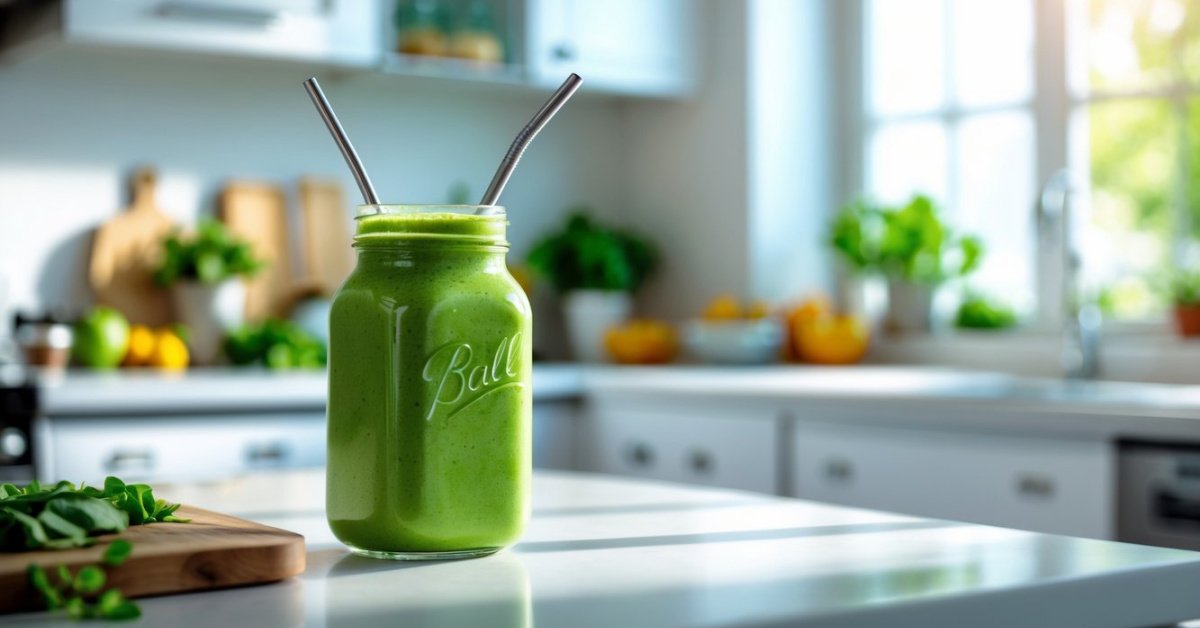
Whenever I blend up a smoothie, I always reach for a banana. There’s something magical about the way it transforms a simple mix of fruits and liquids into a thick creamy treat. Even a small piece seems to make everything smoother and more satisfying.
I’ve noticed that without bananas, my smoothies just don’t feel the same. They’re thinner and less indulgent, missing that signature velvety texture I crave. It’s made me wonder what makes bananas so special and why they’ve become a go-to ingredient for smoothie lovers everywhere.
Understanding Smoothie Texture
Texture shapes the smoothie experience for both taste and satisfaction. I focus on three core qualities when preparing smoothies in my shop:
- Thickness
Thickness provides that spoonable quality many customers request. I use banana to achieve a dense consistency that elevates fruits like berries or mangos. Thick textures suspend other ingredients evenly, giving a uniform sip.
- Creaminess
Creaminess makes smoothies feel rich and silky. I see banana outpace alternatives like avocado or Greek yogurt for a smooth, velvety mouthfeel. Creamy smoothies blend seamlessly, which customers often prefer over a gritty or icy base.
- Stability
Stability means the texture doesn’t separate quickly after blending. Smoothies with good stability look appealing, hold shape, and prevent liquids from pooling. I rely on banana to enhance this stability more consistently than plant-based milks or ice.
Fresh and frozen banana optimize these textural qualities differently. Frozen banana thickens and chills, while fresh banana smooths out ice-heavy recipes. Texture changes when ratios shift, so each ingredient—from leafy greens to nut butters—interacts with banana differently.
When I test smoothie recipes, I observe how bananas let each blend hold toppings or mix-ins—like chia seeds or granola—without sinking. This control over viscosity and mouthfeel lets me customize each drink for varied preferences, whether customers want a bowl-style smoothie or a thinner shake.
Why Bananas Are a Popular Choice in Smoothies
Bananas form the backbone of countless smoothies at my shop because they create a dependable, creamy consistency every time. High pectin and fiber content in bananas gives them the unique ability to thicken blends without extra ice cream or yogurt. A single medium banana, with about 3 grams of fiber and 12% daily value of potassium (source: USDA), helps forge a naturally satisfying body in smoothies.
Bananas blend smoothly, masking grittiness from greens like spinach or seeds such as chia. Frozen bananas chill smoothies instantly, making them thicker and almost milkshake-like, while fresh bananas keep the blend pourable with a smooth texture. Mild sweetness in bananas balances ingredients with strong flavors, such as kale or cocoa powder, so I get a well-rounded taste in every recipe.
When I seek healthier alternatives, bananas replace processed thickeners or sweeteners, meeting demand for clean-label blends. They’re cost-effective, always available, and shelf-stable at room temperature for several days, which is crucial in a busy smoothie bar. For customers with dietary preferences, bananas are dairy-free and gluten-free, and fit plant-based menus without changes.
These qualities keep bananas a go-to ingredient for both smoothie enthusiasts at home and pros behind the counter.
The Science Behind Banana Texture
Banana texture shapes how a smoothie feels and tastes, and knowing the science behind this effect lets me create smoother, creamier drinks. As a smoothie shop owner, I rely on the unique chemistry of bananas to deliver consistent, pleasing results every time.
Starch to Sugar Conversion
Banana ripening transforms the fruit’s internal makeup. Green bananas contain mostly starch, but as they ripen, enzymes like amylase convert these starches into simple sugars such as glucose and fructose. Ripe bananas become softer and sweeter, promoting a smoother blend and integrating seamlessly into any smoothie base. Unripe bananas, for example, create a thicker, less sweet texture, while ripe bananas increase creaminess and flavor balance.
Natural Thickening Properties
Bananas add thickness naturally with their pectin and soluble fiber content. Pectin traps water, forming a gel-like structure that boosts viscosity and prevents separation in drinks. In my smoothies and shakes, this creates a stable, creamy mouthfeel—without needing gums or dairy thickeners. Frozen bananas, for instance, amplify this effect by blending into a velvety, scoopable consistency, making them ideal for smoothie bowls or extra-frosty shakes.
Comparing Bananas to Other Smoothie Thickeners
Bananas consistently deliver a thick, creamy base, but other thickeners also play a role in smoothie texture. I often compare these alternatives in my shop when customizing recipes for customers seeking specific textures or dietary needs.
Yogurt and Dairy
Yogurt gives smoothies a tangy creaminess that’s rich and slightly tart. Greek yogurt, for example, increases protein and makes drinks extra thick, but adds calories and dairy content. Milk and cream thin the mix compared to bananas and suit those who prefer lighter, drinkable textures. Dairy thickeners change flavor noticeably, and in my experience, they sometimes overpower subtler ingredients. For lactose-intolerant or vegan customers, I switch to plant-based yogurts, but they lack the neutral, naturally sweet thickness of bananas.
Avocado and Other Fruits
Avocado creates a velvety, buttery mouthfeel that rivals banana in thickness, using fewer sugars and more heart-healthy fats. When I add avocado, the smoothie becomes richer but less sweet, often needing extra fruit for balance. Mango and papaya give smoothies some thickness, but they can’t match banana’s pectin-based creaminess. Chia seeds, soaked oats, and dates also thicken shakes, though their textures run grainier or gummier and require careful blending. Each of these options helps me tailor recipes based on taste preferences and dietary goals, but for smooth, reliable consistency, no thickener matches the all-around versatility of bananas.
Tips for Using Bananas to Perfect Smoothie Texture
Bananas play a central role in the texture of all my smoothies and shakes. Their unique properties let me fine-tune thickness and creaminess for anyone seeking that perfect blend at home.
Ripe vs. Unripe Bananas
Ripeness changes banana texture and sweetness. I use ripe bananas—those with brown speckles—for a creamy, smooth texture and natural sweetness in most of my blends. These bananas yield a velvety consistency that pairs well with leafy greens, cocoa powder, or berries.
When I want a thicker smoothie with a milder flavor, I choose firmer, less ripe bananas. Their higher starch content increases viscosity but doesn’t overpower other ingredients with sweetness. For customers requesting lower sugar or a denser texture, unripe bananas, especially when paired with a little extra liquid, create satisfying results.
Frozen vs. Fresh Bananas
Bananas add creaminess in both fresh and frozen forms but affect the smoothie’s temperature and body. I reach for frozen banana slices to make thick, frosty smoothies or smoothie bowls, giving an almost ice cream–like texture without added dairy or sweeteners. These frozen pieces blend seamlessly and let me reduce the need for extra ice, resulting in a more concentrated flavor.
For a lighter, more pourable shake, I use fresh bananas. They create a silkier, more fluid base and don’t chill the smoothie as much, which works well on cooler days or when making larger batches. Fresh bananas also blend faster, which is handy in a busy smoothie shop setting and avoids air pockets or uneven textures.
By understanding how banana ripeness and temperature influence your smoothie’s outcome, you can master every textural nuance, whether making a simple banana-berry shake or a nutrient-packed green smoothie.
Conclusion
When I reach for a banana while making a smoothie I know I’m setting myself up for that creamy satisfying texture I love. Bananas really do make all the difference whether I’m blending them fresh for a lighter sip or frozen for a thick frosty treat.
Experimenting with ripeness and temperature lets me create the perfect smoothie for my mood every time. It’s amazing how such a simple fruit can transform the whole experience and keep my smoothies deliciously consistent.