
I’ve always loved experimenting with different smoothie bases and rice milk quickly became one of my favorites. It’s light and subtly sweet so it doesn’t overpower the fresh flavors of fruits and greens. If you’re looking for a dairy-free option that keeps your smoothies refreshing and easy to digest rice milk is a great pick.
Using rice milk in smoothies opens up all kinds of possibilities. Whether you want something creamy without the heaviness or you’re just curious about plant-based alternatives I’ve found that rice milk blends beautifully with almost any ingredient. Let’s dive into how you can make your next smoothie lighter and just as delicious.
Why Choose Rice Milk for Light Smoothies
Rice milk creates a lighter texture in smoothies since it’s naturally thin and easy to blend. My customers who want a non-heavy, refreshing shake often request rice milk as a base because it doesn’t weigh down their mix.
Sweet flavors pair especially well with rice milk, which has a mild, slightly sweet taste from its rice content. In my shop, I see it work best with berries, mangoes, pineapple, spinach, and cucumber—the flavors of these ingredients remain distinct since rice milk doesn’t overpower them.
Allergies and dietary needs often lead guests to rice milk because it’s dairy-free, nut-free, and soy-free, according to the USDA and FDA allergen lists. I recommend rice milk when someone can’t have common allergens. This approach keeps smoothie menus more inclusive.
Digestibility matters for smoothies meant for quick nourishment. Rice milk comes in easily digestible formulations, making it ideal for people who want something light before or after workouts. I see frequent requests for rice milk shakes among regulars who want a post-workout drink that doesn’t cause bloating.
Versatility stays top-of-mind when building smoothie options. Rice milk works hot or cold, sweet or savory. I frequently use it as a blender base for both fruit and veggie combinations since its neutral flavor lets natural ingredients shine.
Key Benefits of Rice Milk in Smoothies
- Light Texture for Creamy Blends
I use rice milk for smoothies when I want a light, creamy texture without heaviness. Thin consistency lets fresh fruits like strawberries or mangoes blend smoothly, giving drinks a refreshing finish and making them easy to drink.
- Naturally Sweetened Flavor
Rice milk brings a subtle sweetness that lets me skip extra sugar in most recipes. Natural flavors of bananas or pineapples stand out, so I keep my smoothies tasting clean.
- Allergy-Friendly and Inclusive
I serve rice milk smoothies to customers needing dairy-free, nut-free, or soy-free options. This milk broadens menu choices for people with food allergies, keeping blends safe and welcoming for almost everyone.
- Easy Digestion and Quick Absorption
Rice milk digests quickly and works well for pre- or post-workout drinks. When I want an energizing shake that sits light, rice milk pairs with ingredients like spinach or cucumber to aid hydration and fast nourishment.
- Versatility in Pairings
I can combine rice milk with a wide range of smoothie ingredients, from leafy greens to tropical fruits or even cacao. This versatility lets me get creative with flavors while keeping each smoothie balanced and light.
How to Use Rice Milk in Light Smoothies
Rice milk creates smoothies with a refreshing lightness and a naturally smooth texture. I often reach for rice milk when I want to showcase bright, fresh ingredients without adding heaviness.
Choosing the Right Rice Milk
Select unsweetened rice milk for the cleanest, most versatile base. I keep both shelf-stable and refrigerated options in my shop, but I prefer any brand with simple ingredients: just rice, filtered water, and a touch of sea salt. Fortified varieties add calcium and vitamin D, which support balanced nutrition.
Check labels for added sugars and oil blends. Flavored or sweetened rice milk, like vanilla varieties, can complement dessert-style smoothies with fruits such as strawberries or peaches. However, neutral, unflavored rice milk works best for green smoothies with spinach or cucumber where delicate flavors matter.
Step-by-Step Smoothie Preparation
- Measure the Rice Milk
I pour 1 cup (about 240 ml) of chilled rice milk into the base of my blender for a single-serving smoothie, more for larger batches.
- Add Fruits and Vegetables
I use a cup of frozen or fresh fruit examples: pineapple, mango, berries, banana. For a green twist, I mix in a handful of leafy greens such as spinach or kale.
- Boost with Extras
I blend in chia seeds, flaxseed, or protein powder for extra nutrition if desired. These ingredients thicken the smoothie slightly without overpowering the rice milk’s light body.
- Blend Thoroughly
I blend on high speed for 30–40 seconds. Rice milk’s fluid texture quickly breaks down fruits and greens, ensuring a silky drink.
- Taste and Adjust
I sample the smoothie and add more rice milk to thin or more fruit to intensify sweetness if needed. Since rice milk’s subtle flavor lets fruit shine, I rarely need additional sweetener.
Here’s a preparation summary in table format:
| Step | Action | Example Ingredients |
|---|---|---|
| 1 | Measure rice milk | 1 cup rice milk |
| 2 | Add fruits/vegetables | Banana, spinach, mango |
| 3 | Boost with extras | Chia seeds, protein powder |
| 4 | Blend | 30–40 seconds on high speed |
| 5 | Taste and adjust | Add rice milk or fruit as needed |
Rice milk’s neutral, allergy-friendly profile and ease of blending support creative combinations, helping home smoothie makers and shop owners craft consistently bright, satisfying blends.
Best Ingredients to Pair with Rice Milk
Rice milk’s mellow taste and thin texture offer a perfect foundation for light, flavorful smoothies. I focus on balancing natural sweetness, nutrition, and compatibility to create refreshing blends that highlight every ingredient.
Fresh Fruits and Vegetables
Fresh fruits and vegetables work particularly well with rice milk in light smoothies. I find bananas, mangoes, pineapple, and strawberries stand out for their creamy texture and brightness. I also use blueberries, peaches, and pears for a softer flavor profile. For greens, I blend spinach, kale, or cucumber—these choices keep the mix crisp without masking the rice milk’s subtle notes. Adding a small handful of baby carrots or a slice of avocado provides color and smoothness. I always select ripe produce for optimal flavor and sweetness, since rice milk lets fruit shine.
Add-Ins for Enhanced Flavor and Nutrition
Add-ins can boost both nutrition and taste in rice milk smoothies. I frequently reach for chia seeds, flaxseed, or hemp hearts for fiber and omega-3s. I use a scoop of plant-based protein powder for extra creaminess and protein. A dash of vanilla extract, cinnamon, or fresh mint elevates taste without overpowering the blend. Occasionally, I stir in unsweetened cocoa or matcha powder for depth and antioxidants. By using lightly flavored seeds, powders, and spices, I preserve the light, gentle quality of a rice milk base while enhancing the smoothie’s nutritional value.
Top Rice Milk Smoothie Recipes to Try
1. Creamy Mango-Spinach Rice Milk Smoothie
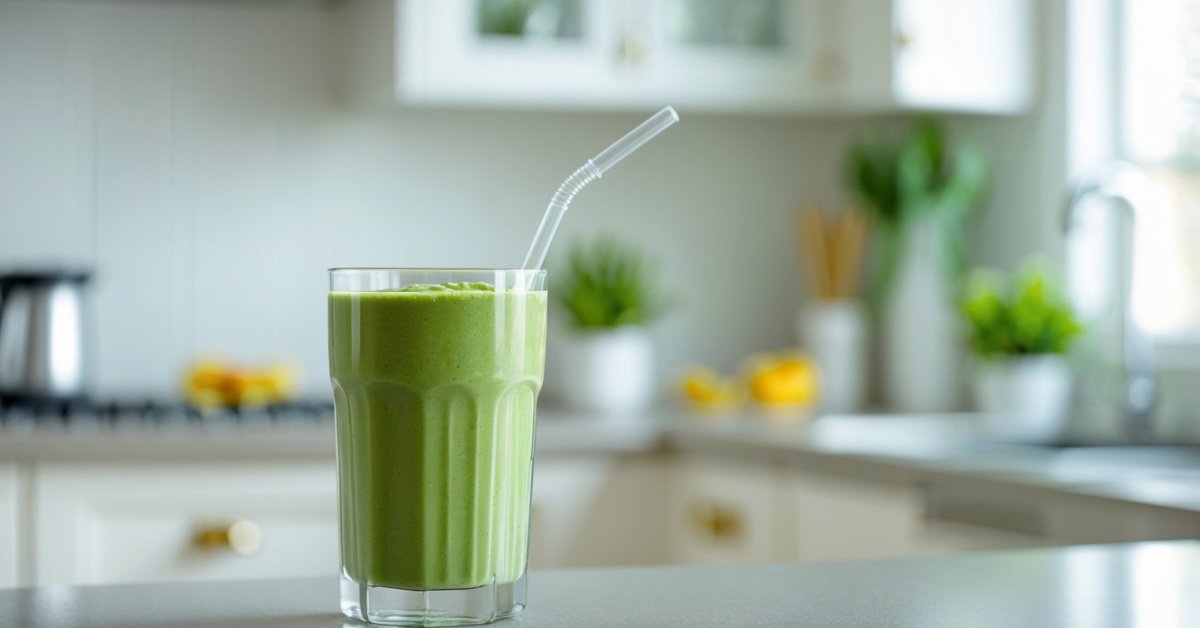
I blend 1 cup rice milk, 1/2 cup frozen mango chunks, 1 cup baby spinach, and 1/2 ripe banana for a bright green smoothie. I add 1 tablespoon chia seeds for fiber and blend until smooth. Rice milk lets the sweet mango and fresh spinach shine, creating a light, refreshing drink.
2. Pineapple-Berry Antioxidant Smoothie
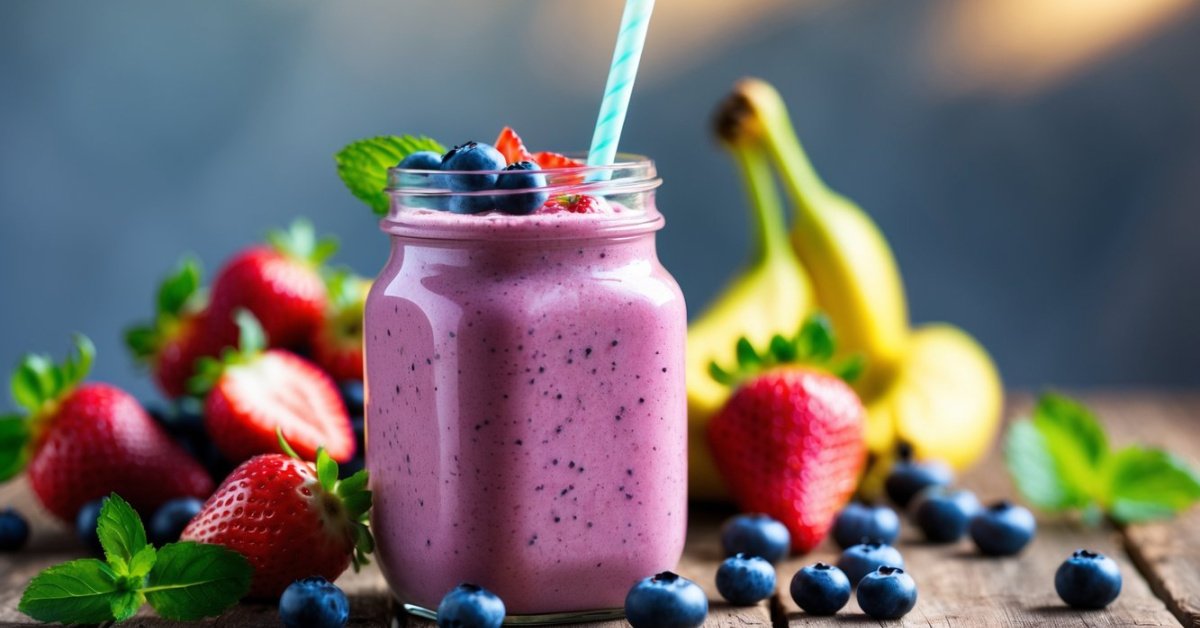
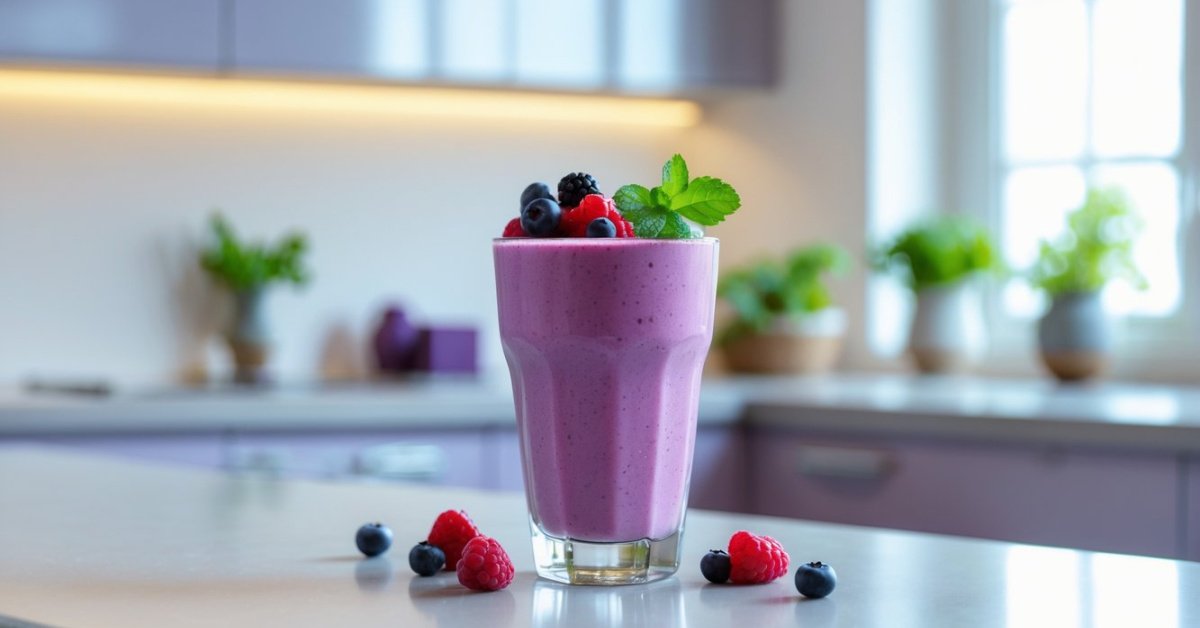
I combine 1 cup rice milk, 1/2 cup frozen pineapple, 1/2 cup mixed berries like blueberries and strawberries, and 1 tablespoon ground flaxseed. Blending all, I get a tart, juicy smoothie that highlights the fruits’ flavors while the rice milk keeps the texture silky.
3. Banana-Cucumber Green Smoothie
I pour 1 cup rice milk, add 1/2 banana, 1/2 peeled cucumber, and a handful of fresh mint leaves. I blend with a few ice cubes for a cool, mellow green smoothie. Rice milk’s lightness partners with hydrating cucumber and subtle banana sweetness for a refreshing pick-me-up.
4. Vanilla-Peach Protein Rice Milk Shake
I use 1 cup rice milk, 1 frozen sliced peach, 1/2 teaspoon vanilla extract, and 1 scoop plant-based protein powder. After blending, I get a creamy, protein-packed shake where rice milk amplifies the peach’s flavor and keeps the shake easy to digest.
5. Chocolate Banana Bliss Smoothie
I add 1 cup rice milk, 1 ripe banana, 1 tablespoon unsweetened cacao powder, and 1 tablespoon almond butter. I blend for a rich, chocolaty smoothie with a light, drinkable texture. Rice milk smooths out the flavors, letting cacao and banana balance perfectly.
| Smoothie Name | Key Ingredients | Nutrition Focus | Texture Attribute |
|---|---|---|---|
| Mango-Spinach Rice Milk | Rice milk, mango, spinach, banana, chia seeds | Fiber, vitamins | Light, creamy |
| Pineapple-Berry Antioxidant | Rice milk, pineapple, berries, flaxseed | Antioxidants, fiber | Silky, juicy |
| Banana-Cucumber Green | Rice milk, banana, cucumber, mint | Hydration, minerals | Mellow, refreshing |
| Vanilla-Peach Protein Rice Milk | Rice milk, peach, vanilla, protein powder | Protein, vitamin C | Creamy, easy to digest |
| Chocolate Banana Bliss | Rice milk, banana, cacao, almond butter | Protein, potassium | Rich, balanced |
Tips for Achieving the Perfect Light Texture
Achieving the perfect light texture in rice milk smoothies depends on a few key techniques and ingredient choices.
- Select unsweetened, original rice milk
I use unsweetened rice milk to keep blends light and let the natural flavors of fruits or greens stand out without added sugar weighing down the texture.
- Use fresh or frozen ripe fruit
Fresh or frozen fruit like mango, banana, and berries adds natural sweetness and helps achieve a fluffy, airy consistency. Ripe fruit blends smoother and imparts clean flavors.
- Add ice or frozen produce for extra lift
Adding a handful of ice or using frozen produce makes the texture frothy and thick without making the smoothie dense. For tropical blends, I often freeze chopped pineapple or mango.
- Avoid heavy thickeners
Dense thickeners like nut butter, heavy yogurt, or oats can overpower rice milk, making the mixture too heavy. Instead, I blend in lighter nutrition boosters such as chia seeds, hemp seeds, or a half scoop of plant-based protein powder.
- Blend thoroughly, then taste and adapt
Blending on high lets every ingredient fully integrate with the rice milk’s thin texture. I blend for 45–60 seconds, then taste and adjust by adding more rice milk if it’s too thick or a few more ice cubes for extra lightness.
- Respect optimal ingredient ratios
A good rule is 1 cup rice milk to 1–1.5 cups fruit and veggies, plus any boosts or add-ins. This ratio supports the signature lightness of rice milk smoothies.
These methods let me maintain the crisp, refreshing quality of rice milk, highlighting each ingredient and turning every shake or smoothie into a naturally bright and healthy treat.
Conclusion
I love how rice milk brings out the best in every smoothie I make. Its gentle flavor and light texture let me experiment with different fruits and veggies without worrying about heaviness or overwhelming sweetness.
Whether you’re looking for something allergy-friendly or just want a change from the usual smoothie bases rice milk is a fantastic choice. It’s my go-to for a refreshing blend that feels both nourishing and easy to enjoy any time of day.