When I’m craving something refreshing and packed with nutrients I always turn to smoothies. They’re quick to make, easy to customize and bursting with natural flavors. The best part is I get to sneak in a variety of fruits that not only taste great but also give my body a healthy boost.
Choosing the right fruits can make all the difference in both flavor and nutrition. Some fruits add creamy texture while others bring a tangy kick or a dose of sweetness. With so many options out there it’s easy to get overwhelmed so I love exploring which fruits work best for my favorite blends.
Why Choose Fruits for Smoothies?
Fruits create unmatched natural sweetness and texture in smoothies, compared to processed sweeteners or artificial flavors. I use ripe bananas, mangos, and pineapple for creamy consistency and balanced sweetness in most smoothie blends. These fruits blend smoothly, avoiding graininess that ice or fibrous veggies sometimes bring.
Nutrients stay potent in fresh fruits, supporting daily vitamin C, potassium, and fiber intake. I see oranges, strawberries, and kiwifruits consistently deliver high vitamin C levels, which supports immune function and overall wellness. Berries like blueberries and raspberries also provide potent antioxidants that encourage cell repair.
Variety in fruits allows me to introduce unique flavors and vibrant colors, creating visually appealing and palate-pleasing drinks. I combine strawberries and peaches for a pink base, or blend spinach with pineapple for a bold green look and a hidden veggie boost.
Fresh or frozen fruits let me control sugar content and prioritize non-GMO, organic ingredients. I source locally whenever possible, which boosts nutrient retention and aligns with a sustainable kitchen philosophy.
Clients at my smoothie shop prefer fruit-based recipes because these blends satisfy their cravings for both nutrition and indulgent taste without relying on syrups or refined sugars. Each time I create new recipes, I find that fruits keep smoothies nutrient dense, delicious, and consistent in quality.
Key Nutritional Benefits of Smoothie Fruits
I focus on the nutrient density of every fruit I choose for my smoothies. Fruits supply a powerful mix of essential vitamins, minerals, fiber, and natural energy sources that work together to boost health and elevate flavor.
Vitamins and Minerals
Smoothie fruits give diverse vitamins and minerals. Bananas, mangos, and oranges supply vitamin C, which helps support immune function and skin health [NIH]. Berries like strawberries and blueberries contribute antioxidants, which help protect cells from free radical damage. Kiwifruits, pineapple, and papaya add potassium and magnesium, which help support heart and muscle function.
Fiber Content
Most smoothie fruits add natural fiber, helping support digestion and fullness. Strawberries, apples (with skin), and pears deliver up to 3-5 grams of fiber per serving, making smoothies more satisfying and balanced. Using whole fruits, not just juices, helps preserve this fiber and keeps the blend thicker and heartier.
Natural Sugars and Energy
Fruits contain natural sugars, such as fructose and glucose, which provide a quick energy boost. Bananas and dates, for example, offer sweetness and sustained energy, making smoothies ideal for breakfast or post-workout snacks. Using minimally processed fruits helps keep glycemic peaks moderate, supporting steady energy throughout the day.
| Fruit | Vitamin C (mg) | Fiber (g) | Energy (kcal) |
|---|---|---|---|
| Banana | 8.7 | 2.6 | 105 |
| Strawberry | 58.8 | 2.0 | 32 |
| Blueberry | 9.7 | 2.4 | 57 |
| Mango | 36.4 | 1.6 | 60 |
| Orange | 53.2 | 2.4 | 47 |
(Sources: USDA FoodData Central, NIH)
I find that using a variety of these fruits helps each smoothie support overall nutrition, with flavors and textures that keep clients coming back for more.
Top Fruits for Smoothies
Selecting the best fruit matters when creating smoothies at home. I rely on specific fruits for both nutrition and texture, keeping each smoothie balanced, flavorful, and satisfying.
Berries
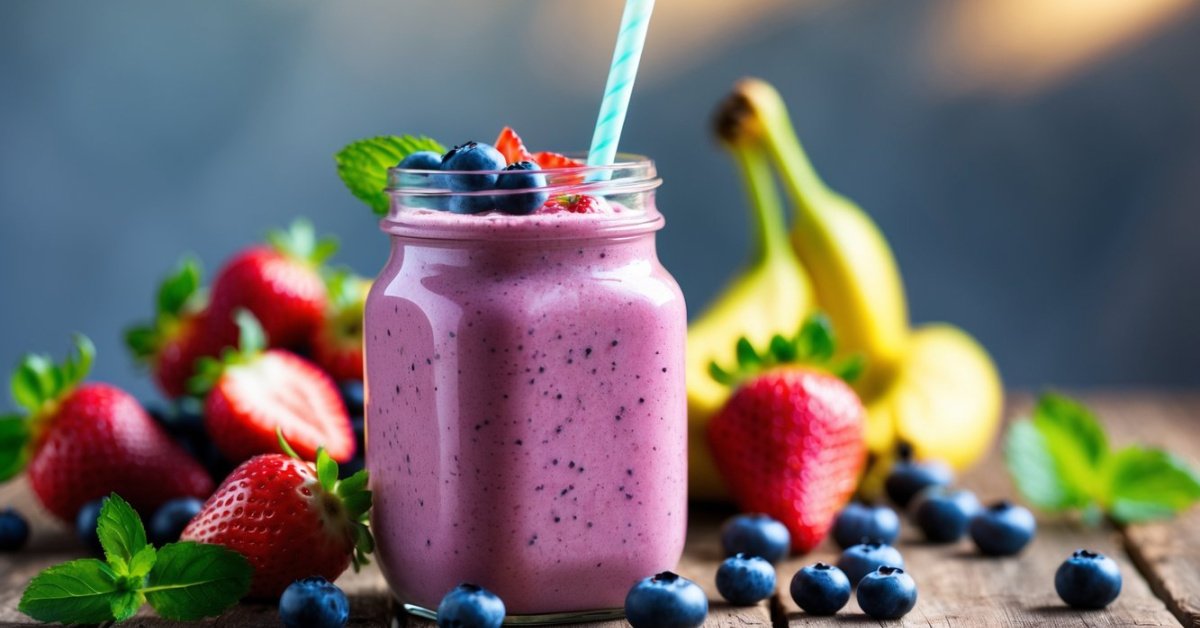
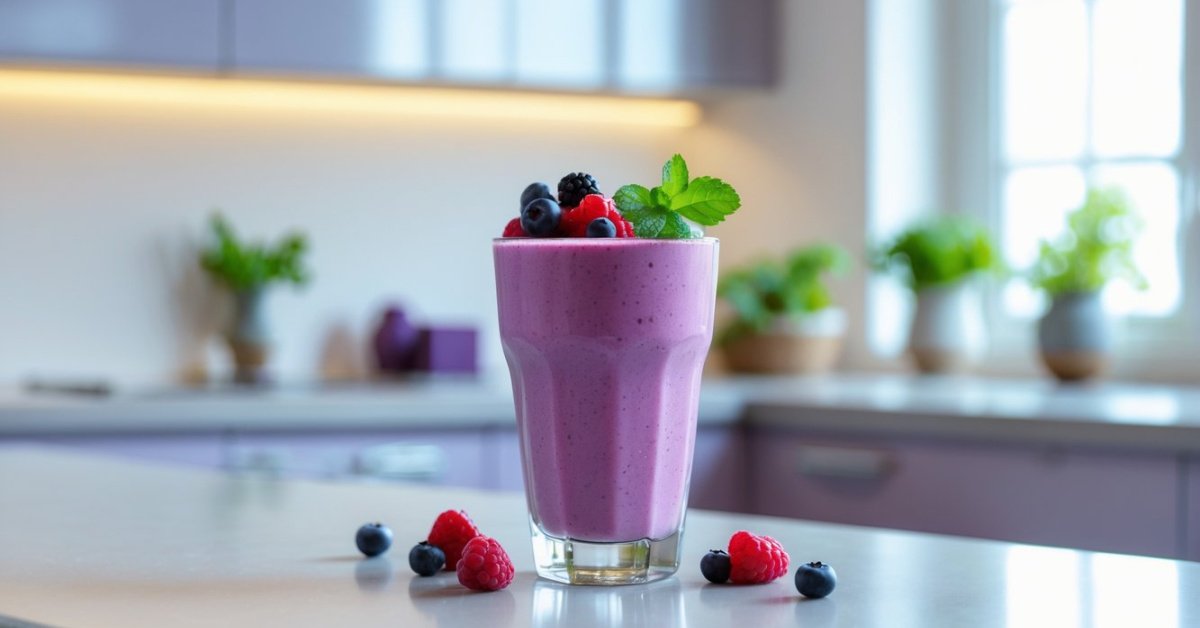
Berries pack antioxidants and provide tartness for balanced smoothies. I often use blueberries, strawberries, blackberries, and raspberries since they’re high in vitamin C and fiber. Berries keep smoothies vibrant in color and low in sugar per serving.
Bananas
Bananas give a creamy texture and natural sweetness to any blend. I find that one ripe banana can replace added sweeteners and keep the smoothie smooth. Bananas contain potassium and vitamin B6, supporting hydration and metabolism.
Mangoes
Mangoes create a thick, velvety base with intense flavor. When I use fresh or frozen mango, I get extra vitamin A and vitamin C. Mangoes also blend well with coconut water and leafy greens for tropical blends.
Pineapple
Pineapple brings tangy notes and a dose of vitamin C. I like using pineapple for post-workout smoothies since it contains bromelain, an enzyme that may support digestion. It pairs well with both citrus and creamy fruits.
Apples and Pears
Apples and pears add subtle sweetness and texture. I core and chop them before blending to get fiber with minimal sugar spikes. These fruits work well with warming spices like cinnamon or ginger and pair with leafy greens for a crisp finish.
Unique Fruits to Boost Nutrition
Blending distinct fruit choices transforms smoothies into nutrition-packed drinks with vibrant color and flavor. I often use these lesser-known options in my shop to deliver both added health benefits and that wow factor at home.
Avocado
Avocado delivers unmatched creaminess and healthy fats in smoothies. I include avocado for its high monounsaturated fat content, which supports heart health and helps absorb fat-soluble vitamins. Each half adds about 2g fiber and 15g fat, making shakes more filling. Avocado’s mellow flavor pairs with spinach, mango, or cacao for nutrient-rich combinations that taste subtly nutty.
Kiwi
Kiwi provides tangy sweetness and vitamin C for immune support in smoothies. I blend green kiwifruits for their 64mg vitamin C per fruit, outpacing many classic smoothie fruits. The edible seeds and skin offer extra fiber and antioxidants. Combining kiwi with pineapple or strawberries brightens both nutrition and color in any recipe.
Dragon Fruit
Dragon fruit makes smoothies stand out visually while delivering magnesium, fiber, and antioxidants. I love using its magenta or white flesh to create Instagram-worthy shakes. Each cup of diced dragon fruit has about 7g fiber, supporting gut health. The mild flavor fits well with orange or banana, giving extra nutrition and a unique look to every smoothie I serve.
Tips for Combining Fruits in Smoothies
Combining fruits in smoothies blends flavor, texture, and nutrition, creating each drink with intention. I always choose fruit pairings for both taste harmony and nutritional value.
Flavors That Work Well Together
Matching flavors in smoothies requires balancing sweet, tart, and tropical notes. I combine sweet bananas with tangy berries—strawberries, blueberries, and raspberries—for rich flavor and natural sweetness. For tropical profiles, I pair mango with pineapple or papaya. Creamy fruits like avocado or banana mix well with sharp options like kiwi or orange, giving contrast and smooth texture. Classic combinations include apple with pear or peach, which brings light sweetness and blends easily with most berries. Mix in seasonal fruits—such as peaches in summer or pomegranate in winter—to maximize taste and nutrition throughout the year.
Balancing Taste and Nutrition
Balancing taste and nutrition guides my recipe design in the smoothie shop. I add high-fiber fruits—apples, pears, and berries—for digestive health without masking flavors. Blending vitamin C-rich options—kiwi, orange, pineapple—supports immunity and brightens the overall taste. For creaminess and healthy fats, I use avocado or frozen mango, which also make smoothies filling. To avoid excess sugar, I mix lower-sugar berries with sweeter fruits like banana or mango. Using both fresh and frozen ingredients helps keep smoothies cold and preserves key vitamins and minerals according to published guidelines from the USDA. Mixing colors—green kiwi, purple blueberries, yellow mango—packs a variety of phytonutrients and makes every smoothie visually appealing in the shop display case.
Conclusion
Exploring new fruit combinations has completely changed the way I enjoy my daily smoothies. Every blend is a chance to get creative and discover new flavors while nourishing my body at the same time.
Whether I’m reaching for classic berries or trying something bold like dragon fruit or avocado I know I’m making a choice that’s both delicious and good for my health. There’s no limit to the possibilities and I love how each smoothie reflects my mood and taste for the day.