
I’ve always loved discovering new ways to boost my health with simple ingredients and turmeric quickly became a favorite in my kitchen. Its vibrant golden color isn’t just for show—this ancient spice packs a punch when it comes to fighting inflammation. I used to think turmeric belonged only in curries but once I started blending it into my smoothies everything changed.
Adding turmeric to my morning smoothie not only brightens the flavor but also gives me that extra health kick I crave. It’s amazing how such a small scoop can make a difference in how I feel throughout the day. If you’re looking for a tasty way to support your body and keep inflammation in check you might find turmeric to be the secret ingredient you’ve been missing.
Understanding Turmeric and Its Anti-Inflammatory Benefits
Turmeric stands out as one of my favorite smoothie ingredients at my shop. Besides its bold color and earthy flavor, it packs science-backed anti-inflammatory benefits that blend seamlessly into everyday drinks.
What Makes Turmeric Powerful?
Turmeric offers a unique combination of flavor and function in smoothies. I use it for its golden color and subtle spice, but its main strength comes from curcumin, a compound studied for reducing inflammation (National Center for Complementary and Integrative Health). Turmeric’s historical use in traditional Indian and Southeast Asian preparations highlights its practicality as a daily ingredient in modern kitchens.
Key Anti-Inflammatory Compounds in Turmeric
Curcumin acts as turmeric’s main anti-inflammatory agent. Research identifies curcumin for its ability to interrupt inflammatory pathways in the body and reduce oxidative stress (Journal of Medicinal Food, 2017). Other supporting compounds include demethoxycurcumin and bisdemethoxycurcumin, which enhance turmeric’s profile in blends like pineapple-turmeric or mango-ginger smoothies. When I want to boost absorption, I add a pinch of black pepper, containing piperine, which increases curcumin uptake by up to 2,000%.
How Turmeric Enhances Smoothies
Turmeric transforms smoothies by adding unique flavor dimensions and amplifying nutritional value. I use turmeric in my smoothie shop to create signature blends that balance taste with health benefits.
Flavor Profile and Pairings
Turmeric introduces a warm, earthy flavor and a vibrant yellow-orange hue to smoothies. I pair turmeric with fruits like mango, pineapple, and banana for tropical blends, or blend it with coconut milk and ginger for a creamy, spicy note. I also combine it with cinnamon, cardamom, and citrus juices for a balanced, aromatic profile. Turmeric’s slightly bitter, peppery undertone complements both sweet and spicy ingredients, letting me design recipes for different palates.
Nutritional Boost from Turmeric
Turmeric delivers a powerful nutritional boost in every smoothie serving. One teaspoon of ground turmeric contains around 0.5 grams of protein, 1.4 grams of carbs, and essential minerals like manganese and iron (USDA FoodData Central). Curcumin, its primary bioactive compound, supports reduced inflammation and oxidative stress (National Institutes of Health). I always add a pinch of black pepper to increase curcumin absorption by up to 2,000% (Biochemical Pharmacology, 1998). In my shop, I combine turmeric with other nutrient-dense ingredients like spinach, chia seeds, or Greek yogurt to create targeted, functional smoothies for wellness-focused customers.
Top Anti-Inflammatory Smoothie Recipes Featuring Turmeric
Turmeric shines in smoothies that balance flavor and support wellness. I use these proven recipes in my shop and at home to highlight turmeric’s nutritional benefits and signature taste.
Classic Golden Smoothie
This classic golden smoothie combines turmeric, banana, Greek yogurt, and a splash of almond milk. I always include a pinch of black pepper to maximize curcumin absorption. Honey sweetens the blend without overpowering turmeric’s earthy note. For extra creaminess, I blend in half an avocado. Customers love the thick texture and warm color, and the combination of protein and anti-inflammatory compounds makes this smoothie a morning favorite.
Tropical Turmeric Detox
This tropical turmeric detox smoothie features mango, pineapple, coconut milk, fresh turmeric root, and ginger. I add lime juice to brighten the flavor and boost vitamin C content. Each serving delivers a vibrant yellow hue, tropical aroma, and a gentle spicy undertone. Blending these fruits with turmeric yields a refreshing drink loaded with antioxidants and enzymatic support for digestion. Guests seeking a lighter, hydrating option often choose this blend for its zesty, rejuvenating qualities.
Green Turmeric Power Blend
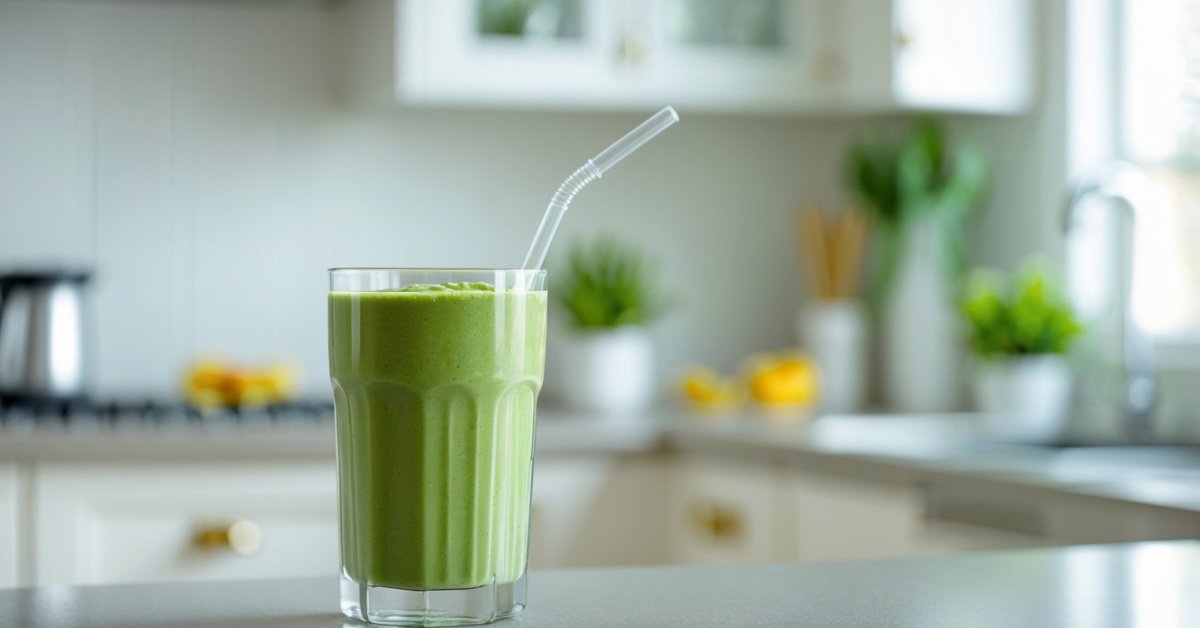
This green turmeric power blend includes spinach, frozen pineapple, green apple, and a heaping teaspoon of ground turmeric. I use coconut water for hydration and add chia seeds for texture and extra fiber. Lemon juice and a small piece of ginger brighten up the earthy elements. This smoothie lets leafy greens and turmeric work together for a powerhouse of nutrients and anti-inflammatory action. It’s a regular on my menu for customers who want greens, energy, and recovery all in one glass.
Tips for Using Turmeric in Smoothies Effectively
I’ve found turmeric works best in smoothies when it’s used consistently, measured thoughtfully, and paired strategically. Here’s how I optimize its benefits and create bold, balanced flavors.
Dosage and Freshness Recommendations
I use 1/2 to 1 full teaspoon of ground turmeric per smoothie for a noticeable anti-inflammatory impact and vivid color. With fresh turmeric root, I grate about 1 to 1.5 inches, since it brings a stronger flavor and higher curcumin content than dried powder. I store ground turmeric in an airtight container away from heat and light, swapping it out every 6 months for maximum potency. For fresh roots, I keep them in the fridge for up to 2 weeks or freeze them in one-inch sections for quick use. If I want to boost absorption, I always add a dash of black pepper, which increases curcumin uptake by up to 2,000% (see Piperine and Curcumin Interaction, Shoba et al., 1998).
Combining Turmeric with Other Superfoods
I create smoothie blends by pairing turmeric with nutrient-dense superfoods, like spinach, kale, or chia seeds, to amplify both flavor and health benefits. In my recipes, I often mix turmeric with ginger, which not only complements its earthy taste but also provides additional anti-inflammatory properties. For creamy textures, I add avocado or Greek yogurt, both of which mellow turmeric’s boldness and offer healthy fats or protein. If I’m making a sweeter shake, I use pineapple, mango, or orange, as their natural sugars and acids brighten the smoothie while masking any bitterness from turmeric. Coconut milk or almond milk rounds out the blend, bringing a subtle richness and enhancing the absorption of curcumin due to their healthy fats.
Potential Side Effects and Considerations
Adding turmeric to smoothies brings flavor and health value, but it’s important to know how it might affect some individuals or interact with other ingredients. In my smoothie shop, I always keep these factors in mind to deliver both safe and delicious blends.
Allergies and Interactions
Turmeric can cause mild allergic reactions in rare cases, such as skin rashes or stomach upset, especially when someone tries it for the first time. Allergic reactions may increase if someone already has sensitivities to ginger or other spices in the Zingiberaceae family.
Turmeric and curcumin might interact with blood-thinning medications, including warfarin and aspirin, by increasing their effects. If someone takes diabetes medication, turmeric could lower blood sugar levels further, so I’d suggest checking with a healthcare professional before making turmeric a daily ingredient. Turmeric can sometimes cause mild digestive issues, like bloating, when used in higher quantities.
Best Practices for Daily Use
I recommend using 1/2 to 1 teaspoon of ground turmeric or 1 to 1.5 inches of fresh turmeric root daily in smoothies to balance flavor with potential health risks. Combining turmeric with a pinch of black pepper—not more than 1/8 teaspoon—enhances curcumin absorption for most people, but I avoid this step if I know a customer is sensitive to spicy ingredients.
Rotating ingredients in smoothies, such as swapping turmeric out with ginger or cinnamon every few days, can lower the chance of developing sensitivities or taste fatigue. I always inform customers about ingredients, so they can make an informed choice if they have allergies or specific health concerns. Keeping turmeric in moderation and staying aware of individual reactions helps me craft smoothies that taste great and support well-being.
Conclusion
Turmeric has truly transformed the way I approach smoothie-making and wellness. Its bold flavor and vibrant color make every blend feel special while its powerful compounds offer real support for my health goals.
I love how easy it is to experiment with turmeric in the kitchen. Whether you’re new to this golden spice or already a fan it’s a simple step that can make a big difference in your daily routine. Give it a try and see how it brightens up your smoothies—and maybe even your day.