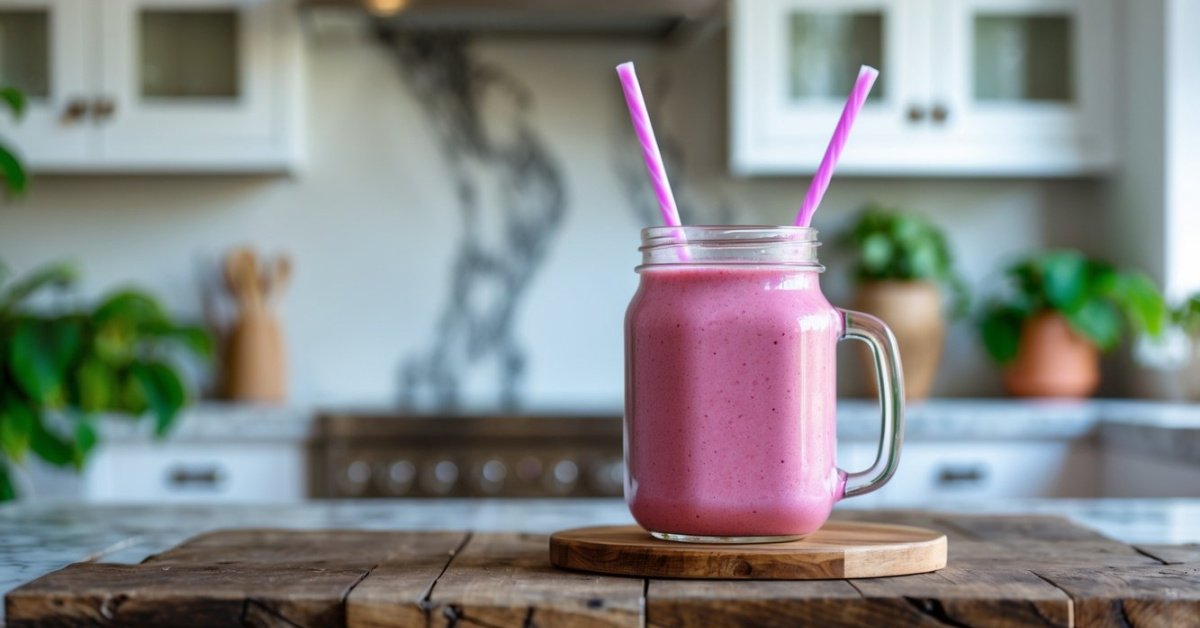
I used to think beets were just another boring root veggie, but once I tossed them into my morning smoothie, everything changed. Their vibrant color and earthy sweetness turned my usual blend into something totally new and delicious. Now I can’t help but wonder what else these humble beets have to offer.
Turns out, beets pack a powerful punch when it comes to nutrition. Blending them into smoothies is one of the easiest ways to sneak more goodness into my day. If you’re curious about how beets can boost your health and transform your daily smoothie, you’re in the right place.
Overview of Beets in Smoothies
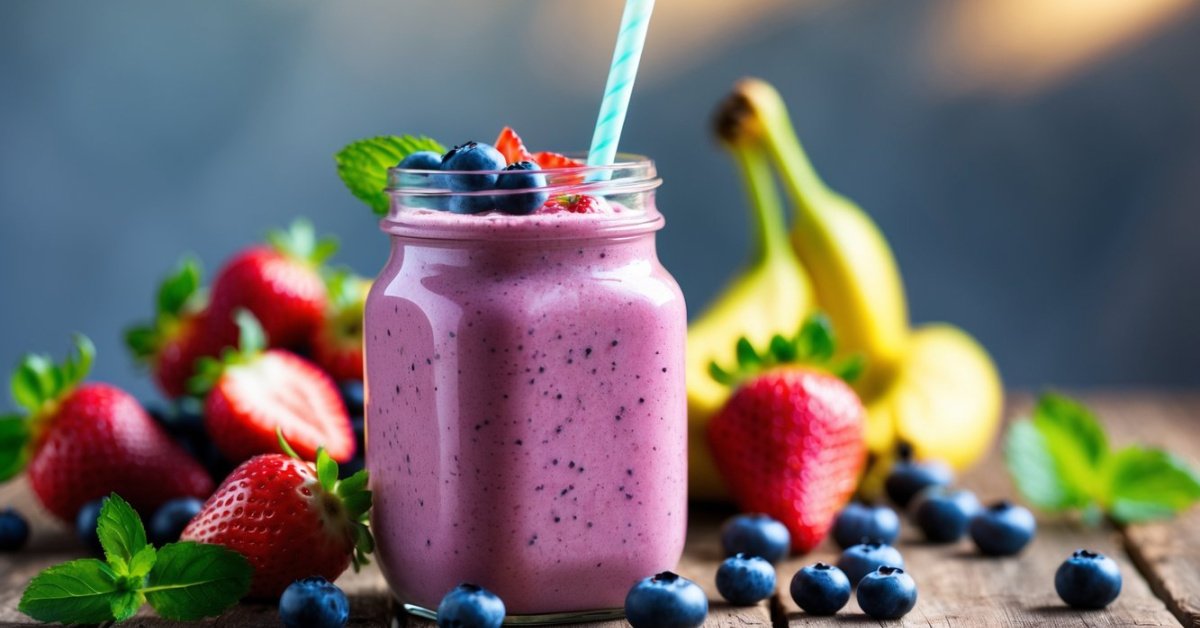
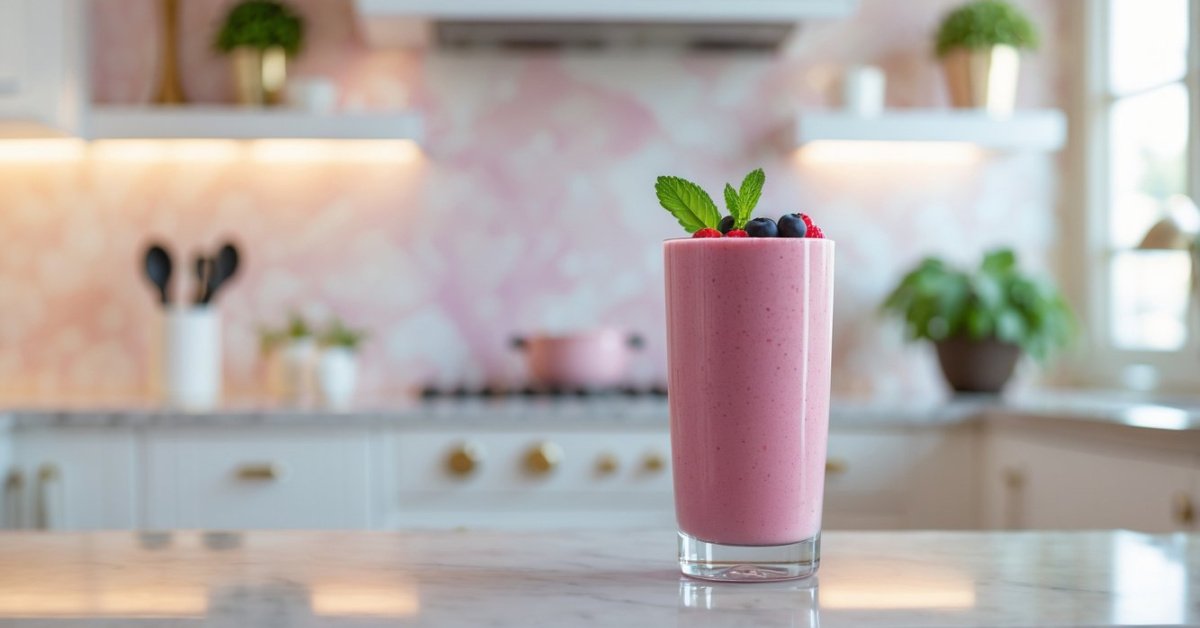
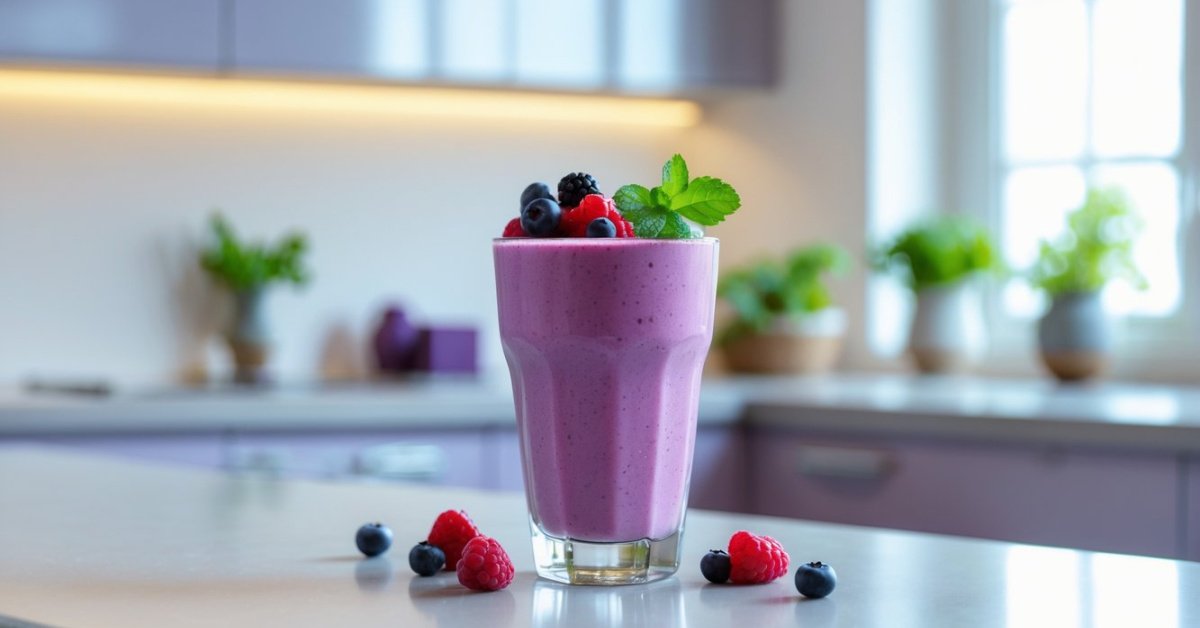
I use beets regularly at my smoothie shop for their distinctive flavor and striking color. Fresh beets add a natural earthiness to smoothies, balancing sweet ingredients like bananas or berries. I notice customers enjoy the deep pink hue that beets give, especially in combinations with strawberries, blueberries, and mangoes.
Raw and roasted beets both work in smoothies, though I prefer raw for a lighter, slightly crisp texture. Diced beets blend easily with robust blenders, which makes prep quick even on busy mornings. Frozen beet cubes also help chill smoothies and blend smoothly.
Customers looking for nutrient-dense options often pick beet-based blends for pre-workout or post-workout shakes. Beets pair well with plant-based milks, Greek yogurt, or nut butters, offering customizable flavor and nutrition. In my experience, adding citrus juices like orange or lemon helps brighten beet smoothies, minimizing any earthy aftertaste.
Beets combine well with leafy greens, oats, chia seeds, and ginger. These ingredients create thick, satisfying smoothies that support daily nutrition goals. I rely on beets as a staple ingredient for customers needing vibrant, healthy, and flavorful drinks at home or in the shop.
Key Nutrients Found in Beets
Beets pack dense nutrition that can turn a simple smoothie into a powerhouse blend. I regularly add beets to my shop’s shakes for their unique nutrient profile and the bold color they bring to every glass.
Vitamins and Minerals
Beets deliver high levels of essential vitamins and minerals in every serving. Each cup of raw beets contains around 37% DV folate, 11% DV vitamin C, 13% DV potassium, and 7% DV magnesium according to the USDA. I rely on beets to boost folate, which supports healthy cell growth. Potassium helps balance fluids and supports muscle function, which many of my fitness-focused customers appreciate. Magnesium and manganese in beets, present at about 9% DV each, support metabolism and energy production. These minerals stay intact even when I blend raw or frozen beets into smoothies.
Antioxidants and Phytonutrients
Beets supply antioxidants and phytonutrients that give them their red and pink hues. Betalains, the pigments in beets, protect cells from oxidative stress. I often highlight this benefit to customers choosing pre- or post-workout smoothies. Beets contain phenolic compounds and vitamin C, both known for supporting immune function and promoting recovery. The natural nitrates in beets help increase nitric oxide in the body, which may help promote healthy blood flow during exercise, according to research published in Nutrients (2019). I prefer using raw beets to keep these phytonutrients as active and potent as possible in every blend.
Health Benefits of Adding Beets to Smoothies
Blending beets into smoothies delivers a powerful nutrition boost for at-home smoothie lovers. I’ve seen firsthand how beet smoothies can support overall well-being and elevate the benefits of daily blends.
Improved Heart Health
Beets add dietary nitrates and potassium to smoothies, supporting heart health by helping maintain optimal blood pressure. In my shop, customers with heart health goals often choose beet-based blends for their natural nitrate content, which studies link to increased nitric oxide production and improved vascular function (Hypertension, 2015). Even a single medium beet root can help increase beneficial nitrate intake, especially when paired with leafy greens like spinach or citrus juices for extra vitamin C absorption.
Enhanced Exercise Performance
I recommend beet smoothies to active individuals seeking better exercise performance. Beets contain natural nitrates, which research connects to reduced oxygen cost during exercise and increased endurance (Journal of Applied Physiology, 2009). Customers who drink beet smoothies before workouts often report higher energy and faster recovery. Mixing beets with bananas or Greek yogurt creates a creamy, protein-rich shake that supports muscles and stamina.
Support for Digestive Wellness
Fiber-rich beets promote smoother digestion in home-blended smoothies. Every cup of raw beetroot contributes about 3 grams of dietary fiber, which supports regularity and gut health (USDA FoodData Central). I mix beets with mango, pineapple, and plant-based milks for a nutrient-packed gut-friendly option, especially popular among regulars looking for gentle digestive support from their morning routine.
Tips for Incorporating Beets into Smoothies
I use fresh beets in my smoothie shop daily, and they’re a fantastic ingredient for boosting color, nutrition, and flavor at home. I focus on getting the best texture and taste with minimal prep, and I always combine beets with the right flavors to balance their earthiness.
Preparing and Selecting Beets
I choose small to medium-sized fresh beets, since they’re sweeter and less fibrous than large ones. I wash and peel them before chopping into cubes for even blending. I often blend raw beets for a crisp taste, but roasted beets come out sweeter and milder. I keep frozen beet cubes on hand, made by pre-cooking and freezing pieces in small bags, which chill smoothies and preserve nutrients. Canned or vacuum-packed beets with no added salt work too, if I’m out of fresh or frozen options.
Flavor Pairings and Recipe Ideas
I match beets with naturally sweet fruits for a balanced flavor. Bananas, mangoes, pineapples, strawberries, and blueberries cover the earthiness and add creaminess. I pair beets with citrus juices, like orange or lemon, to lift the flavor and add brightness. Greek yogurt or plant milks provide richness and protein. I often use ginger, cinnamon, or vanilla for extra depth. My signature blend uses ½ cup cubed beet, 1 banana, 1 cup frozen strawberries, 1 cup oat milk, and a teaspoon of grated ginger. For a lighter recipe, I blend beet cubes, frozen mango, orange juice, and a handful of spinach for a vibrant, nutrient-dense option.
Potential Considerations and Precautions
Blending beets into smoothies offers nutritional value, but I always consider specific factors for an optimal experience.
- Raw Beet Texture
Raw beets give smoothies their earthy taste and vibrant color. I notice they sometimes create a grainy texture if not blended thoroughly. High-powered blenders handle raw pieces well; standard or personal blenders might struggle, especially with larger beet chunks.
- Oxalate Content
Beets contain natural oxalates. When blended into smoothies, they might contribute to oxalate intake, especially if combined with other high-oxalate foods like spinach or almonds. People with a history of kidney stones often limit high-oxalate foods, according to the National Kidney Foundation.
- Natural Sugar
Beets deliver natural sweetness, but each cup of raw beet provides about 9 grams of sugar, based on USDA data. When I blend beets with fruits like bananas or mangoes, total sugar content rises. Those managing blood sugar levels, such as people with diabetes or insulin resistance, usually monitor the amount and frequency of beet smoothie consumption.
- Staining Properties
Beets stain surfaces, hands, and fabrics. When I prep beets, I wear gloves and use a plastic cutting board. Beet juice can temporarily tint urine and stools pink or red—a harmless condition called beeturia—though some people find it startling.
- Digestive Impact
Beets add fiber to smoothies. A cup offers about 3.8 grams, which helps with regularity, as noted in USDA food composition reports. If new to high-fiber smoothies, I suggest starting with smaller beet amounts and increasing gradually to avoid bloating or discomfort.
- Allergy and Sensitivities
Allergic reactions to beets are rare, but mild sensitivities—such as throat irritation—sometimes occur after raw consumption. I recommend paying close attention to any signs of intolerance after trying new beet smoothie recipes.
I always aim for balance and listen to my body’s feedback when creating beet-based shakes and smoothies at home or in my shop.
Conclusion
Adding beets to my smoothies has truly brightened up my mornings and brought a fun twist to my usual blends. I love experimenting with new combinations and watching the colors come to life in my blender.
If you’ve been hesitant about trying beets or thought they were too earthy or bland give them a shot in your next smoothie. You might be surprised by how well they pair with your favorite fruits and how much they can boost both flavor and nutrition.
With a little creativity and some simple prep beets can easily become a staple in your smoothie routine. I’m always excited to see what new recipes I can come up with and I hope you’ll enjoy exploring beets as much as I do.