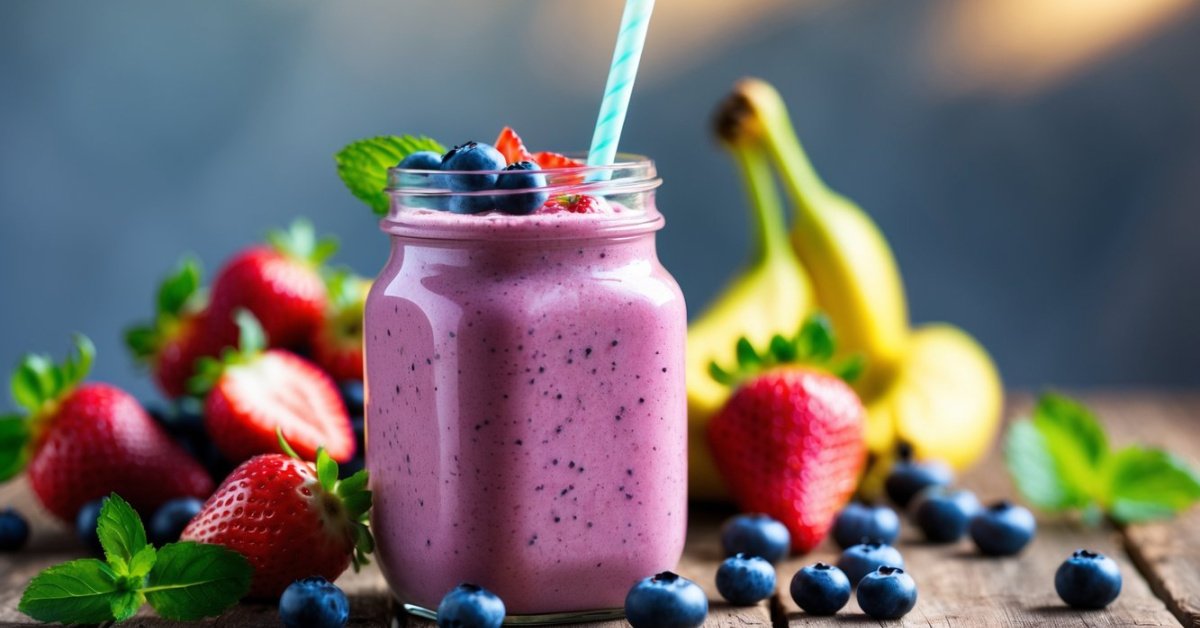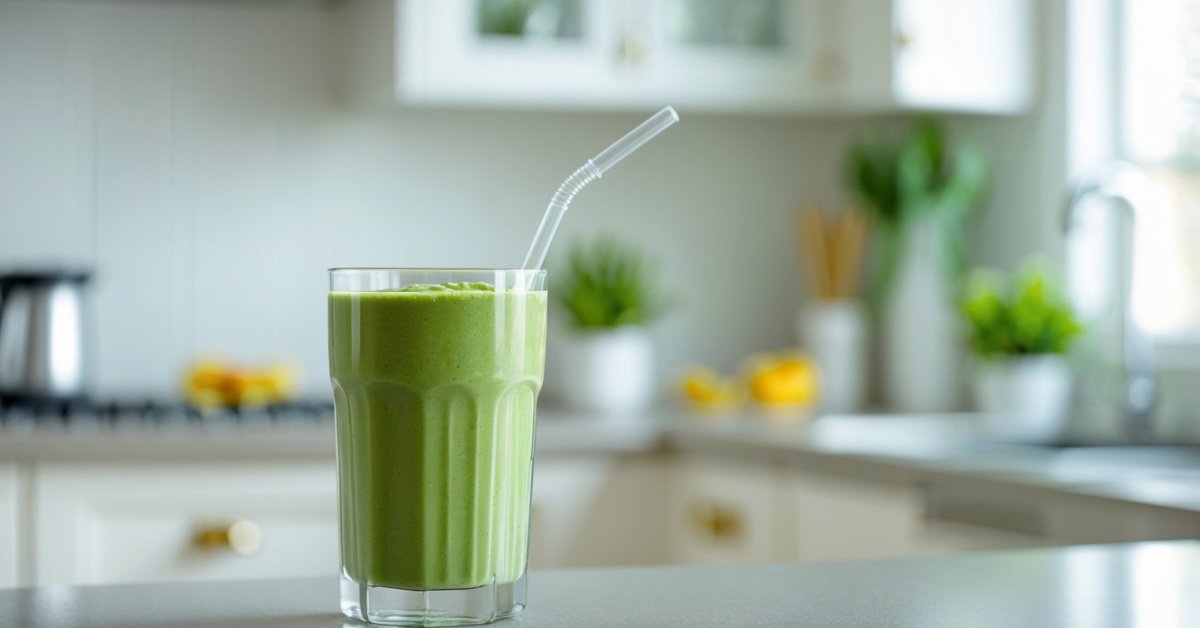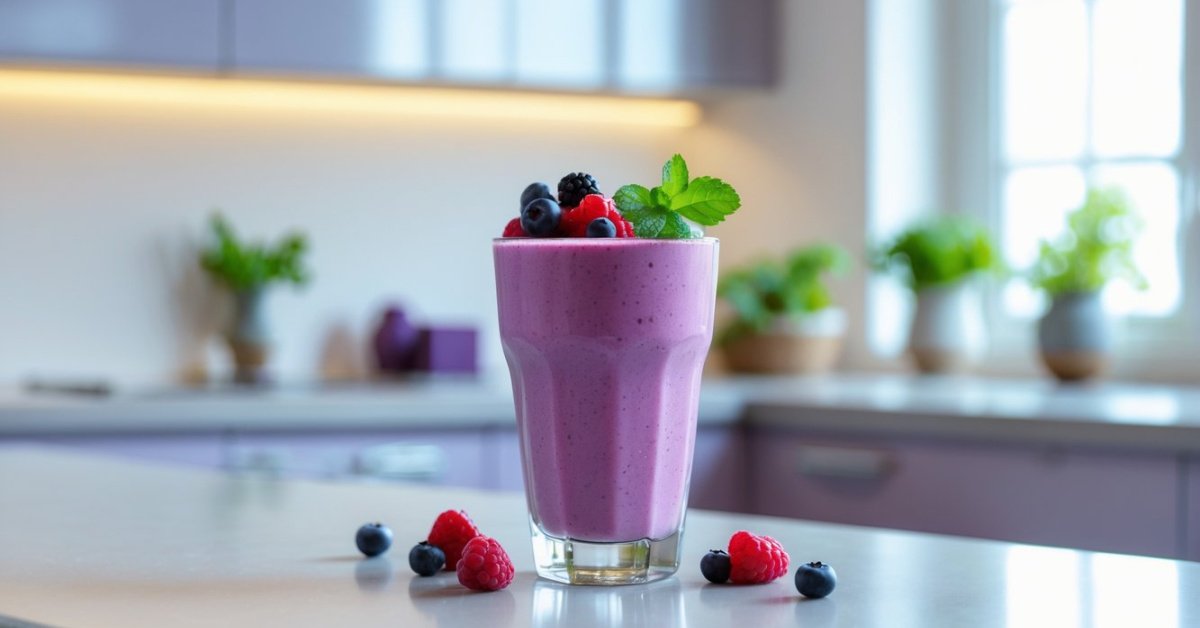
I love starting my day with a smoothie. It’s quick delicious and packed with nutrients that keep me full and energized. Blending up fruits veggies and a bit of protein makes it easy to fuel my body without feeling weighed down.
When I first set out on my weight loss journey I discovered that smoothies could be a real game changer. They’re simple to customize so I can control what goes in and avoid hidden sugars or extra calories. Plus having a go-to healthy option helps me stay on track even when life gets busy.
Understanding the Role of Smoothies in Weight Loss
Smoothies support weight loss goals by delivering nutrient density in a compact, easy-to-enjoy form. When I blend fruits, leafy greens, and superfoods like chia seeds or protein powder, I create a meal or snack that feels substantial without excess calories. For example, a spinach-banana smoothie with almond milk and Greek yogurt typically contains fewer than 250 calories but keeps me full for hours.
Fiber and protein are key nutrients supporting fullness and appetite control, according to the Mayo Clinic. In my shop, every smoothie recipe includes sources of both—examples like flaxseed, oats, hemp protein, and berries. This slows digestion and curbs cravings between meals.
Choosing smoothies as meal replacements or snacks also helps manage portion control. I measure ingredients to avoid hidden calories from sugars or oils. Homemade blends give complete control, making it simple to prioritize healthy fats—such as avocado or nut butters—and to skip sweeteners that could hinder weight loss.
Hydration is another benefit. Fresh produce, especially cucumbers and citrus, adds fluid and supports metabolism. A Harvard Health review identified hydration as a factor in successful weight loss.
Below is a table showing how a typical homemade smoothie compares to a commercial option:
| Feature | Homemade (12 oz) | Commercial (12 oz) |
|---|---|---|
| Calories | 180-250 | 300-460 |
| Fiber (g) | 4-8 | 1-2 |
| Protein (g) | 10-15 | 2-5 |
| Added Sugar (g) | 0-5 | 10-35 |
Making smoothies at home supports weight loss by allowing ingredient transparency, portion management, and macronutrient balance. This lets me enjoy flavor and variety, tailor blends for energy or satiety, and feel confident that every cup supports my long-term health goals.
Nutritional Benefits of Smoothies
Smoothies give me a simple way to pack vital nutrients into a quick meal or snack. By picking top-quality produce and ingredients, I help my shop customers and myself get balanced nutrition in every blend.
Essential Vitamins and Minerals
Smoothies provide essential vitamins and minerals from fruits, veggies, seeds, and nuts. Spinach or kale gives me vitamin K and magnesium for bone health. Adding mango, kiwi, or strawberries boosts vitamin C for immune support. Almonds and chia seeds supply calcium and iron—two minerals often missed in fast meals. I always choose ripe, fresh produce to maximize nutrients in every blend.
Fiber Content for Satiety
Smoothies offer fiber that keeps me fuller longer, supporting steady weight loss. I blend whole ingredients—like berries, apples, oats, or flaxseeds—which raise the fiber count (1-5g per serving). Fibrous blends help slow digestion and balance blood sugar, so I avoid sudden hunger spikes. By leaving skins and pulp in my recipes, I keep natural fiber intact for better satiety and gut health.
How Smoothies Support Weight Loss Goals
Smoothies offer a practical way to manage calories and nutrition at home. I craft every blend at my smoothie shop to help customers meet their weight loss goals using balanced, quality ingredients.
Calorie Control and Portion Management
Blending my own smoothies gives me precise control over calorie intake. I weigh fruits, measure liquids, and balance protein or healthy fats like Greek yogurt and nut butters per serving. My recipes typically range from 200 to 350 calories, which helps create a satisfying low-calorie meal or snack. Portioning smoothies into 12–16 oz servings prevents overconsumption, a risk with large commercial blends. Choosing water, unsweetened almond milk, or coconut water lets me lower sugar and calorie content while keeping a creamy texture.
Boosting Metabolism with Ingredients
Selecting specific smoothie ingredients can help support metabolism. I use leafy greens like spinach and kale for their fiber and micronutrients, along with green tea or matcha for catechins that may promote fat oxidation. I add a scoop of whey protein or pea protein isolate to boost metabolic rate through the thermic effect of food. Spices such as cinnamon and cayenne provide extra flavor while supporting metabolic health. I also blend high-fiber seeds (chia, flaxseed) that support steady blood sugar and keep hunger at bay—critical factors for sustainable weight management.
Tips for Creating Effective Weight Loss Smoothies
Crafting smoothies that truly support weight loss goals starts with intentional ingredient selection and mindful blending. I rely on proven strategies every time I make a smoothie at my shop or at home.
Choosing the Right Ingredients
I build every smoothie with a focus on balance, nutrition, and flavor.
- Lean Proteins: I boost satiety by adding Greek yogurt, silken tofu, or a clean protein powder.
- Fiber-Rich Produce: I rely on spinach, kale, berries, and pears to introduce both nutrients and soluble fiber.
- Healthy Fats: I include chia seeds, flaxseeds, or avocado to help slow digestion and keep me full.
- Low-Sugar Bases: I use unsweetened almond milk, coconut water, or green tea instead of fruit juice to cut extra sugar.
- Natural Sweeteners: I reach for a half banana or a handful of frozen berries when I want a hint of sweetness without the spike in calories or sugar.
Avoiding Common Pitfalls
A few simple mistakes often turn a healthy smoothie into one that works against weight loss goals. I avoid these traps in both my home kitchen and my smoothie shop.
- Overloading Fruit: I stick to 1 cup or less of fruit per serving, mixing with veggies to limit total sugar and calories.
- Skipping Protein or Fiber: I always add a protein or fiber-rich source; this helps curb hunger after drinking the smoothie.
- Forgetting About Portion Size: I pour each serving into a 12–16 oz cup to avoid unintended overconsumption.
- Adding Sugary Extras: I skip flavored yogurts, sweetened nut milks, and syrups, choosing plain options to control added sugars.
- Ignoring Hidden Calories: I check nut butters, dried fruits, and seeds, measuring each ingredient since even healthy foods add up quickly.
Following these principles, I keep each smoothie purposeful, balanced, and effective for weight management goals, so every customer or family member gets both health and taste.
Sample Smoothie Recipes for Weight Loss
Crafting consistent, nutritious smoothies in my shop means focusing on real, whole ingredients that deliver both taste and weight loss benefits. Using each blend, I aim for high fiber and protein content with minimal added sugar or unnecessary calories. Here are three of my favorite shop-tested recipes that support weight management goals with proven ingredient combinations.
- Berry-Spinach Power Smoothie
Blending 1 cup fresh spinach, ½ cup frozen mixed berries, 1 scoop plain Greek yogurt, 2 tbsp chia seeds, and 1 cup unsweetened almond milk creates a fiber-rich, antioxidant-packed smoothie. Reaching about 260 calories per 16 oz, this blend keeps customers satisfied longer due to berries’ anthocyanins and spinach’s magnesium.
- Green Tea Mango Protein Shake
Mixing ¾ cup brewed green tea (chilled), ½ cup frozen mango, ½ small banana, 1 scoop vanilla protein powder, and 1 tbsp ground flaxseed provides metabolic support and a creamy texture. Clocking in at about 240 calories per 14 oz serving, this shake leverages green tea catechins and flaxseed omega-3s for satiety and energy.
- Chocolate Avocado Slim Smoothie
Merging ½ ripe avocado, 1 cup unsweetened almond milk, 1 tbsp unsweetened cocoa powder, ½ frozen banana, and 1 tsp cinnamon offers a healthy fat source with rich chocolate flavor at just under 300 calories per 16 oz. Avocado delivers monounsaturated fats, while the cacao and cinnamon may help with glucose regulation.
| Smoothie Name | Calories | Key Ingredients | Fiber (g) | Protein (g) | Added Sugar (g) |
|---|---|---|---|---|---|
| Berry-Spinach Power Smoothie | 260 | Spinach, Berries, Chia, Yogurt | 8 | 14 | 0 |
| Green Tea Mango Protein Shake | 240 | Green Tea, Mango, Banana, Flax | 6 | 18 | 0 |
| Chocolate Avocado Slim Smoothie | 295 | Avocado, Cocoa, Almond Milk | 7 | 7 | 0 |
Selecting each ingredient in these recipes supports appetite control, steady energy, and nutrient density. I avoid sugary juices or processed additives, relying instead on the natural sweetness and texture from real fruits, veggies, and plant-based bases. Using these recipes, anyone can blend up purposeful, delicious options that fit into weight loss plans and deliver consistent daily nutrition.
Conclusion
I’ve found that making smoothies part of my daily routine has truly made healthy eating feel easier and more enjoyable. With the right blend of ingredients it’s simple to whip up something that’s both satisfying and supportive of my weight loss goals.
Experimenting with flavors and textures keeps things interesting so I never get bored. If you’re looking for a way to stay on track and nourish your body without sacrificing taste smoothies might just be the perfect fit for your journey too.