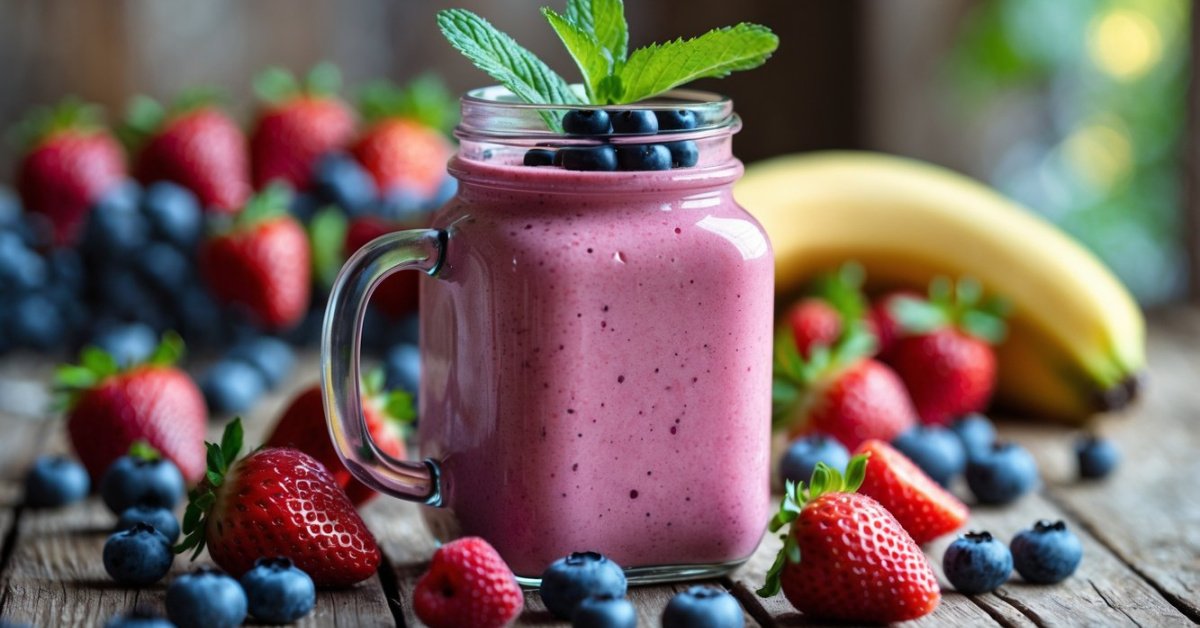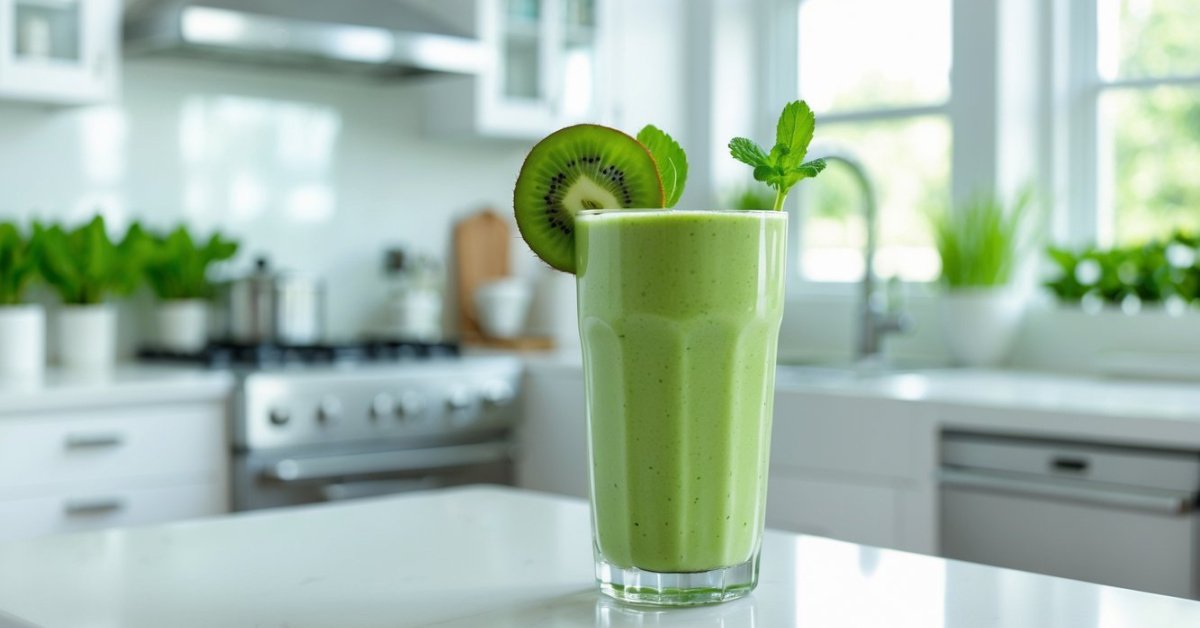

After a tough workout I always look forward to that moment when I can finally grab my recovery shake. It feels like a reward for all the sweat and effort I just put in. But there’s more to these shakes than just great taste and convenience—they play a big role in how quickly my body bounces back.
I’ve noticed that what I put in my post-workout shake can make a real difference in how I feel the next day. The right mix of nutrients helps me recover faster and get ready for my next session. If you’re curious about why these shakes matter and what really goes into making them effective you’re in the right place.
Understanding Post-Workout Nutrition
After any workout, the nutrition choices I make set the course for recovery. Every smoothie or shake I craft targets key needs muscles and energy stores present after exercise.
Importance of Nutrition After Exercise
Balanced post-workout nutrition supports muscle repair and replenishes energy, which is why I focus so much on what goes into each recovery shake. Investing in these nutrients within 45 minutes of exercise optimizes the body’s natural processes for repair and growth, according to the International Society of Sports Nutrition.
Key Nutrients Needed for Recovery
- Protein: Complete proteins, like whey or plant-based blends, provide amino acids needed for muscle repair. I include 20-30 grams of protein in every recovery shake.
- Carbohydrates: Fast-digesting carbs, from sources like bananas or honey, restore glycogen depleted during workouts. Each shake I make includes 40-60 grams of carbs for full recovery.
- Electrolytes: Sodium, potassium, and magnesium from coconut water or leafy greens help restore lost minerals. Including whole food sources keeps flavors fresh and natural.
- Vitamins and Antioxidants: Berries, spinach, or cacao boost antioxidant intake, combatting exercise-related oxidative stress.
This combination of protein, carbohydrates, electrolytes, and antioxidants builds the foundation of every recovery shake I serve and enjoy.
Components of Effective Recovery Shakes
I focus on building every recovery shake with a blend of nutrients to maximize post-workout benefits. My combinations support muscle repair, replenish stores, and boost recovery, always using quality, healthy ingredients.
Protein Sources and Their Benefits
I pick protein sources like whey, pea, and soy protein isolates for my recovery shakes. Whey protein is the fastest-absorbing option, loaded with branched-chain amino acids (BCAAs), and research from the Journal of the International Society of Sports Nutrition identifies it as highly effective for muscle synthesis after exercise. Plant proteins like pea or soy offer alternatives for those who prefer dairy-free options; these still provide complete amino acid profiles, as seen in multiple studies comparing their muscle-building effects to whey. Blending Greek yogurt or silken tofu into shakes supplies extra protein for creaminess and helps sustain muscle repair.
Role of Carbohydrates in Refueling Muscles
I add fast-digesting carbohydrates to every post-workout shake to replenish muscle glycogen efficiently. Ingredients like ripe bananas, mango, or honey provide glucose and fructose, which, according to research in Sports Medicine, speed up glycogen restoration within the first hour post-exercise. I sometimes include rolled oats for a blend of simple and complex carbs, especially for intense sessions. Each serving aims for a 3:1 or 4:1 carb-to-protein ratio, mirroring recommendations from the American College of Sports Medicine for optimal recovery.
Additional Recovery Ingredients: Electrolytes and Antioxidants
I incorporate electrolytes and antioxidants into every blend for comprehensive recovery. Ingredients like coconut water and a pinch of sea salt restore sodium, potassium, and magnesium lost through sweat, as listed by the National Institutes of Health. For antioxidants, I blend in blueberries, cherries, or spinach—all rich in vitamin C and polyphenols that lower exercise-induced oxidative stress, as documented in the Journal of Food Science. Using unprocessed, fresh ingredients maximizes these benefits in every shake I create.
Reviewing Popular Post-Workout Recovery Shakes
I see many customers interested in creating shakes at home, and I always recommend starting with a solid understanding of what makes a recovery shake effective. Knowing key features and top products helps you craft shakes that truly support muscle repair and energy replenishment.
Criteria for Evaluating Recovery Shakes
I focus on four main criteria when evaluating recovery shakes for post-workout recovery:
- Macronutrient Profile: I look for a protein source with at least 20 g per serving, examples including whey isolate, pea, or soy protein, paired with fast-digesting carbs such as bananas or honey in a 3:1 or 4:1 carb-to-protein ratio.
- Micronutrient Content: I include ingredients that deliver electrolytes and antioxidants, like coconut water or mixed berries, to aid hydration and help reduce exercise-induced oxidative stress.
- Ingredient Quality: I prefer minimal ingredient lists, prioritizing unprocessed, clean ingredients and avoiding artificial flavors, colors, and excess added sugars.
- Absorption Speed: I choose proteins and carbs with fast absorption, like whey or ripe fruit, to help the body recover within the optimal 45-minute window after exercise.
Top Recovery Shakes on the Market
I often get asked for recommendations, so here are three shakes frequently requested at my shop and easily made at home:
| Shake Name | Key Protein Source | Main Carbs | Special Additions | Flavor Profile |
|---|---|---|---|---|
| Classic Chocolate Whey | Whey Isolate | Banana, Honey | Cocoa powder, Sea salt | Chocolate-banana |
| Berry Coconut Plant | Pea Protein | Mixed Berries | Coconut water, Spinach | Tart-berry-coconut |
| Tropical Green Glow | Soy Protein | Pineapple, Mango | Ginger, Chia seeds | Sweet-tropical |
- Classic Chocolate Whey: I combine whey isolate, banana, raw honey, unsweetened cocoa, and a pinch of sea salt. This shake offers rapid protein uptake and replenishes minerals lost in sweat.
- Berry Coconut Plant: I blend pea protein with blueberries, strawberries, coconut water, and a handful of spinach. This shake delivers dairy-free protein, plenty of antioxidants, and hydration support.
- Tropical Green Glow: I mix soy protein, pineapple, mango, fresh ginger, and chia seeds. This option brings together complete plant protein, fiber, and anti-inflammatory properties for a sweet, energizing finish.
I always encourage experimenting with ingredient combinations—great post-workout nutrition comes from both quality and flavor.
How to Choose the Right Recovery Shake
Selecting the right recovery shake at home relies on your workout style, nutritional needs, and ingredient quality. I always start with the end goal in mind and build a shake that matches both recovery needs and taste preferences.
Matching Shakes to Fitness Goals
Endurance workouts like running demand recovery shakes rich in fast-digesting carbs and moderate protein. For example, I blend bananas, oats, honey, and a scoop of whey protein in a 3:1 carb-to-protein ratio to refill glycogen and support recovery.
Strength training calls for higher protein. I add extra protein powder—using either whey for quick absorption or pea protein for a plant-based boost—paired with moderate carbs like berries or pineapple for antioxidant support.
Low-intensity or maintenance routines benefit from lighter options. I make shakes with lower carbs, more greens like spinach or kale, plus a small amount of nuts or seeds for healthy fats, creating a balanced, satisfying result that doesn’t overshoot calorie needs.
Considerations for Dietary Restrictions
Dairy allergies or vegan diets mean I reach for unsweetened almond or oat milk, plant-based protein (like pea or soy), and nut butters. Many of my customers request gluten-free or soy-free shakes, so I use certified gluten-free oats and hemp protein.
Sugar sensitivities guide me to sweeten with dates, berries, or a little stevia instead of honey or flavored yogurt. Nut allergies push me toward seed butters (like sunflower) and coconut products for creamy texture and flavor.
I choose ingredients without additives, artificial sweeteners, or excess sodium, reading labels closely. By knowing dietary needs and ingredient lists, I quickly adjust any shake recipe so everyone can enjoy effective, delicious recovery nutrition at home.
Conclusion
I love how a well-made recovery shake can turn post-workout nutrition into something both enjoyable and effective. Finding the right blend of ingredients really makes a difference for my energy and muscle repair after every session.
Experimenting with different flavors and nutrient combinations keeps things interesting and helps me stay motivated. If you’re looking to boost your recovery, a thoughtfully crafted shake is one of the easiest and most rewarding habits you can add to your routine.