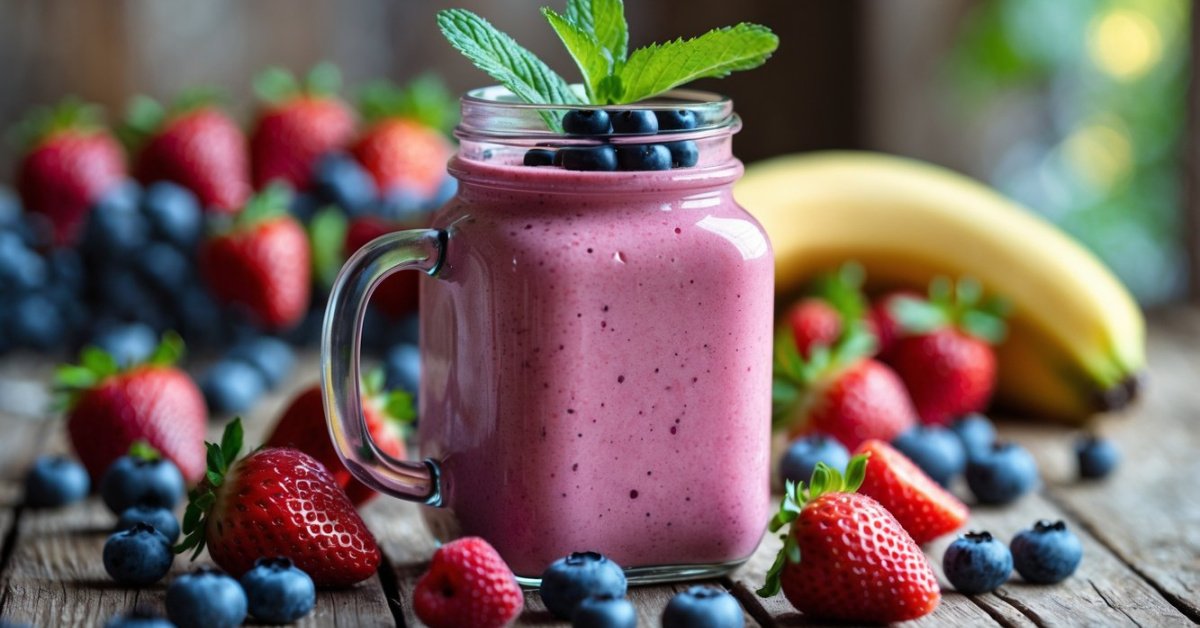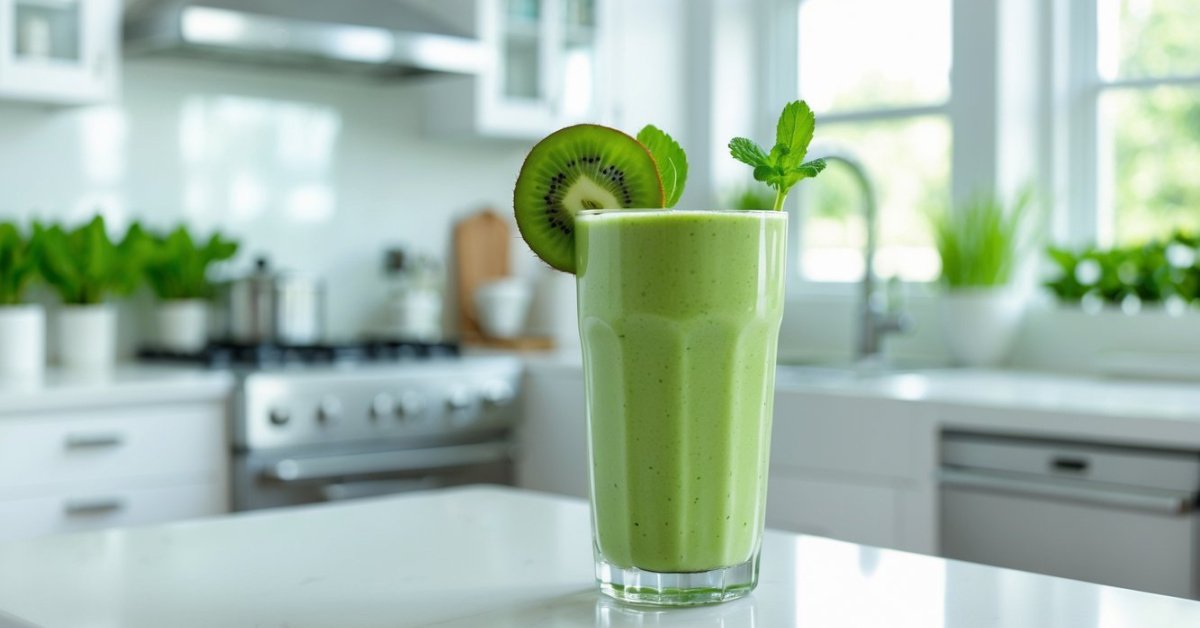

I love starting my day with a smoothie. It’s quick tasty and packs a punch of nutrition in every sip. But I’ve realized it’s not just about blending fruits and veggies—it’s about making sure I’m getting the right mix of micronutrients too.
Micronutrients like vitamins and minerals might seem small but they play a huge role in how I feel every day. When I plan my smoothies with these in mind I notice I have more energy and my mood stays steady. It’s amazing how a few thoughtful ingredients can make such a big difference.
Understanding Micronutrients in Daily Smoothie Plans
Micronutrients in daily smoothie plans make a big difference in how smoothies support energy and well-being. As an expert smoothie shop owner, I focus on using fruits, leafy greens, nuts, and seeds to boost the nutrient content of every blend. Common micronutrients like vitamin C from strawberries, potassium from bananas, and magnesium from spinach play specific roles in my recipes.
Every daily smoothie plan I create includes a mix of vitamins, minerals, and antioxidants. For example, I rely on citrus fruits for vitamin C, chia seeds for omega-3 fatty acids, and pumpkin seeds for zinc. This careful balance helps boost immune support and muscle function after workouts, as well as overall vitality.
Smoothie ingredients contribute micronutrients in unique ways. Leafy greens enhance iron and folate intake, berries increase polyphenols, and fortified plant milks add vitamin D and calcium. By rotating these ingredients in my daily routines, I achieve a consistent and complete micronutrient intake without relying on supplements.
Recipes in my smoothie shop always feature details on micronutrient content so customers know what they’re getting in each blend. If you’re crafting daily smoothie plans at home, using a variety of plant-based ingredients ensures you get a wide array of beneficial micronutrients in every serving.
Key Micronutrients to Include in Smoothies
I focus on micronutrients every time I blend a smoothie. These small nutrients from fruits, greens, nuts, and seeds strengthen energy, wellness, and immune support in every recipe.
Essential Vitamins
I include several key vitamins in every smoothie.
- Vitamin C: I add strawberries, oranges, or kiwi for their ascorbic acid content. These fruits support immunity and boost iron absorption.
- Vitamin A: I blend in carrots or mangoes, rich in beta-carotene. This vitamin helps maintain healthy vision and skin.
- Vitamin K: I use kale or spinach for phylloquinone, which helps with blood clotting and bone health.
- Vitamin E: I toss in almonds or sunflower seeds to provide tocopherols for antioxidant protection.
Important Minerals
My smoothie recipes always include a range of minerals.
- Potassium: I rely on bananas and avocados, as they regulate hydration and support muscle activity.
- Magnesium: I use spinach and pumpkin seeds, which help with muscle relaxation and energy production.
- Calcium: I blend in chia seeds or fortified plant milk for bone and nerve function support.
- Iron: I add leafy greens and hemp seeds to help maintain healthy blood oxygen levels.
These micronutrients shape every smoothie I make in my shop or at home, letting me serve both flavor and function in one glass.
Best Smoothie Ingredients for Micronutrient Boost
I look for the most nutrient-packed ingredients when designing smoothie recipes. Using certain fruits, vegetables, seeds, and nuts maximizes micronutrient content without sacrificing flavor.
Fruits and Vegetables
I use leafy greens like spinach, kale, and Swiss chard since each one adds magnesium, folate, and vitamin K. I blend in citrus fruits—such as oranges and grapefruits—for vitamin C, which supports immune health and boosts iron absorption. I add berries like strawberries, blueberries, and raspberries because they contain antioxidants, vitamin C, and manganese. I reach for carrots and mangoes when I want a dose of vitamin A and beta-carotene—these promote eye and skin health. I use avocados for potassium and vitamin E, which help with nerve function and offer antioxidant protection.
Seeds, Nuts, and Superfoods
I add chia seeds and flaxseeds for omega-3 fatty acids, fiber, and calcium. I toss in pumpkin seeds and hemp seeds for magnesium, iron, and protein. I include almonds and walnuts to deliver vitamin E, copper, and plant-based protein. I often boost smoothies with superfoods like spirulina or cacao nibs, which supply B vitamins, iron, and polyphenols—these enhance nutrient density and flavor depth in every batch.
Tips for Balancing Micronutrient Intake
Balancing micronutrients in daily smoothie plans gives my customers steady energy and supports long-term wellness. I adjust each blend to maximize nutrition, prioritizing taste and variety every day.
Portion Control and Variety
Keeping each smoothie portion balanced with a mix of fruits, greens, nuts, and seeds ensures diverse micronutrients in every glass. I use 1 cup leafy greens (like spinach or kale), 1 to 2 cups fruit (such as berries or mango), and a tablespoon of seeds or nuts (chia, flax, or almonds) per recipe. Rotating ingredients—like swapping berries one day for pineapple the next—helps cover a broader spectrum of vitamins and minerals. Adding new items into my blends, including carrots, kiwi, or sunflower seeds, prevents micronutrient gaps and keeps flavors fresh.
Common Mistakes to Avoid
Missing out on essential micronutrients often happens when relying on the same ingredients daily. Overusing fruit increases natural sugar without enough minerals or fiber. Skipping greens like kale or spinach reduces magnesium and potassium intake. Forgetting seeds and nuts, for instance, results in lower omega-3 fatty acids and vitamin E. Using sweetened plant milks or protein powders adds unnecessary sugars or reduces bioavailable nutrients. I always check that every blend includes at least three types of whole-food ingredients drawn from different categories—leafy greens, fruits, healthy fats, and superfoods—to support a balanced micronutrient profile.
Potential Health Benefits of Micronutrient-Rich Smoothies
Improved energy levels often result from micronutrient-rich smoothies, as I use vitamin C-rich oranges, magnesium-packed spinach, and iron-loaded hemp seeds. Stronger immune function connects to my inclusion of berries, citrus, and leafy greens, which supply antioxidants and vitamin A that help defend against common illnesses.
Better skin health commonly follows daily servings of vitamin E from almonds, vitamin A from mangoes, and vitamin C from kiwi. Increased hydration links to ingredients like cucumber and coconut water, which supply both fluid and electrolytes, supporting muscle and nerve function after exercise.
Enhanced digestive wellness comes from fiber-packed greens, chia seeds, and flaxseeds, which promote regularity and support the growth of healthy gut bacteria. More stable moods sometimes follow the steady magnesium and folate intake from spinach and pumpkin seeds, which are linked to neurological health.
Table: Key Potential Health Benefits and Supporting Smoothie Ingredients
| Health Benefit | Example Micronutrient(s) | Featured Ingredients |
|---|---|---|
| Increased energy | Vitamin C, magnesium | Oranges, spinach |
| Immune support | Vitamin A, antioxidants | Berries, citrus, kale |
| Better skin appearance | Vitamin E, vitamin A, C | Almonds, mango, kiwi |
| Enhanced hydration | Potassium, fluids | Cucumber, coconut water |
| Improved digestion | Fiber, magnesium | Chia seeds, flaxseeds, kale |
| Mood balance | Folate, magnesium | Spinach, pumpkin seeds |
Reinforcing these benefits takes the right blend of diverse, nutrient-dense ingredients, and that’s why I rotate smoothie bases and flavor profiles daily. Integrating a spectrum of vitamins and minerals with each recipe, I see customers enjoying noticeable boosts in everyday wellness.
Conclusion
Crafting smoothies with a mindful mix of micronutrients has truly transformed the way I approach daily nutrition. Each blend becomes an opportunity to fuel my body and mind with the essentials they crave.
By paying attention to variety and balance I enjoy every sip knowing it supports my well-being. If you’re looking to boost your energy and overall health a thoughtfully planned smoothie can be a simple and delicious place to start.