After a long day, I’m always searching for ways to unwind and recharge. Lately, I’ve noticed more people turning to relaxation shakes as their secret weapon for stress relief. These creamy drinks promise to calm the mind and soothe the body, but what really makes them so effective?
One key ingredient keeps popping up in these blends: magnesium. I’ve heard a lot about magnesium’s calming powers, and I’m curious about how it actually works in these shakes. Is it just another trend, or does this mineral truly deserve its spot in our relaxation routines? Let’s find out what makes magnesium so special in the world of relaxation shakes.
Understanding Magnesium and Its Importance
Magnesium is a mineral I rely on often when choosing ingredients for my shakes and smoothies. Inside the body, magnesium supports over 300 biochemical reactions, including muscle and nerve function, energy production, and mood regulation—this makes it critical for overall health, not just relaxation.
In relation to stress, magnesium impacts the nervous system directly. Low magnesium levels link to increased anxiety and heightened stress responses, as described in studies published by the National Institutes of Health and Nutrients Journal. Many of my customers notice they feel calmer after a shake featuring magnesium-rich add-ins.
Magnesium rarely occurs in highly processed foods but comes naturally in leafy greens, seeds, nuts, avocado, and bananas. I include these specific ingredients in my recipes because they’re not just nutritious—they deliver a pleasant flavor profile and support real relaxation.
For those making shakes at home, supplementing with magnesium boosts the nutritional value and aligns with goals for effective relaxation drinks. The right magnesium sources help the body unwind, especially when combined with other calming components.
How Magnesium Supports Relaxation
I see how magnesium stands out in relaxation shakes for its proven calming properties and easy synergy with other healthy ingredients. In my shop, customers who include magnesium-rich foods in their daily shakes often share how much more relaxed and balanced they feel.
The Science Behind Magnesium and Stress Relief
Magnesium influences the nervous system by regulating neurotransmitters that impact stress response, including GABA, which helps calm nerve activity (NIH, 2023). Studies show 200–400 mg of magnesium per day can lower cortisol and ease feelings of tension. In my recipes, adding pumpkin seeds or spinach not only boosts flavor but increases magnesium content, supporting these effects naturally. Researchers also link adequate magnesium to improved sleep quality and decreased muscle tension, both central to feeling relaxed.
Common Signs of Magnesium Deficiency
Fatigue, muscle cramps, and increased anxiety are top signs of not getting enough magnesium—something I notice among people new to making wellness shakes. Others include difficulty sleeping, headaches, and poor appetite. If a customer struggles with these symptoms, I recommend incorporating more natural magnesium sources like almonds, cacao, or avocado in their blends. By sharing this with my community, I’ve seen many find improvements just by changing up their shake ingredients.
What Are Relaxation Shakes?
Relaxation shakes use nutrient-dense ingredients to create a soothing, balanced drink. I design these shakes so customers can enjoy a simple way to unwind using healthy, flavorful components.
Key Ingredients in Relaxation Shakes
Usually, I blend together a mix of leafy greens like spinach, magnesium-rich seeds like pumpkin and chia, fresh fruits such as bananas and avocados, and flavor boosters like raw cacao or coconut water. Each ingredient supports relaxation through natural vitamins, minerals, and phytonutrients. Seeds and greens provide essential magnesium and potassium, while bananas and avocados add creamy texture and stress-supporting B vitamins. I often layer in calming herbs like chamomile or reishi powder, which pair well with these magnesium sources.
Why Magnesium Is Added to Relaxation Shakes
Magnesium stands out as a key ingredient in my recipes for its calming effects on the nervous system. Studies show magnesium helps regulate how the body processes stress and supports muscle relaxation, which is crucial for winding down at night or after a long day (National Institutes of Health, 2023). Customers often mention feeling less tense after enjoying a shake with chia seeds, almonds, or cacao. By including magnesium-rich foods in every blend, I help people achieve a more balanced mood, steadier energy, and smoother recovery from daily stressors.
Evaluating the Effectiveness of Magnesium in Relaxation Shakes
Magnesium stands out among ingredients for its smooth, calming properties, especially in shakes crafted for relaxation. I often hear customers ask if magnesium-packed blends really help them unwind or if these drinks just taste good without offering true benefits.
Review of Popular Relaxation Shakes With Magnesium
Many relaxation shakes available in shops and online recipes focus on magnesium-rich foods. I see three main categories in my shop:
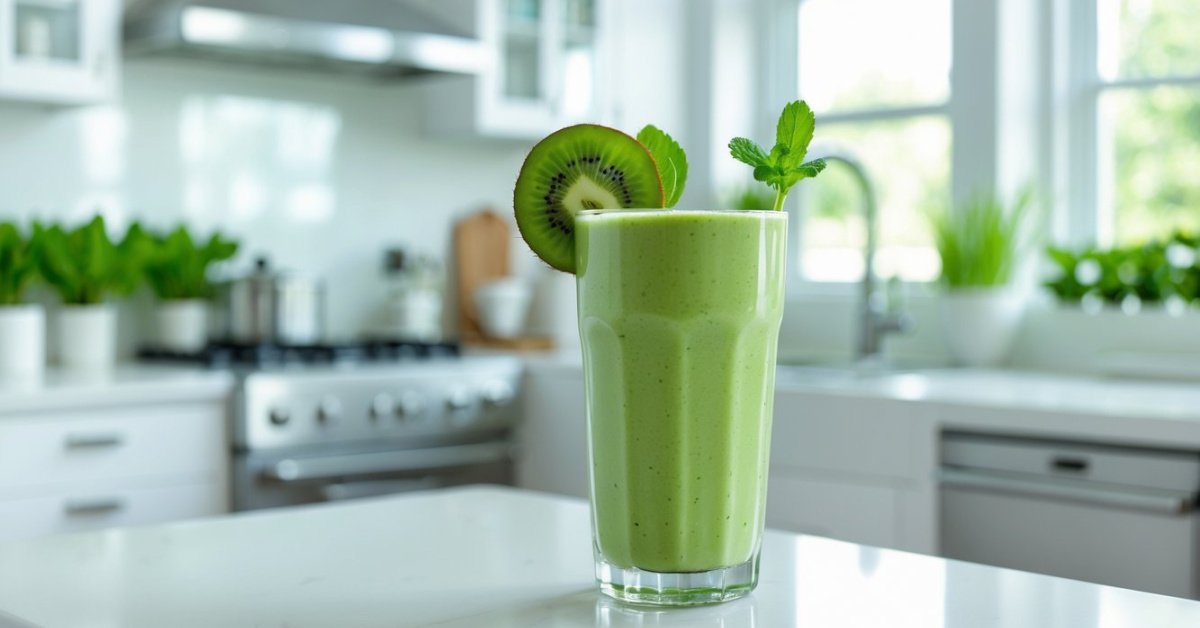
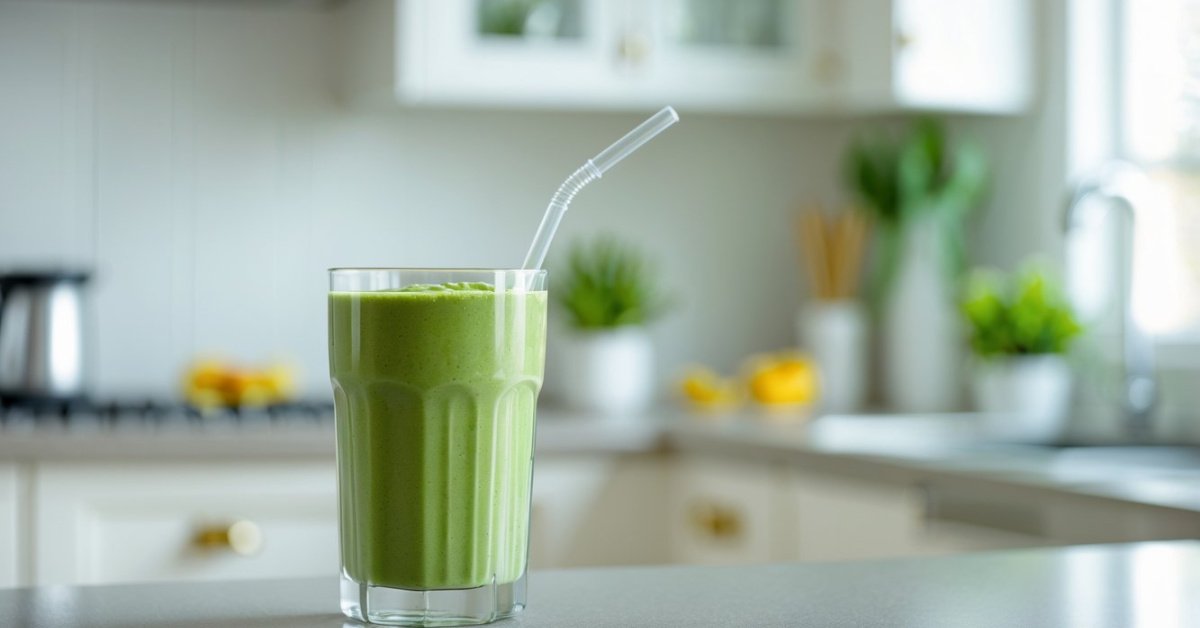
- Leafy Green Smoothies: I blend spinach or kale with bananas and pumpkin seeds. These shakes combine natural magnesium (from greens and seeds) and potassium for a calming effect.
- Cacao-Based Blends: I use raw cacao powder, almond butter, and avocado. Cacao adds about 27 mg magnesium per tablespoon, while almond butter offers 45–50 mg per tablespoon, based on USDA nutrition data.
- Banana-Avocado Shakes: I pair ripe bananas, avocados, coconut water, and sometimes chia seeds. One medium avocado contains around 58 mg magnesium, and a tablespoon of chia seeds supplies 40 mg.
| Shake Type | Key Magnesium Sources | Est. Magnesium Content (mg) |
|---|---|---|
| Leafy Green Smoothie | Spinach, pumpkin seeds | 70–110 |
| Cacao-Based Blend | Cacao powder, almond butter | 80–120 |
| Banana-Avocado Shake | Avocado, chia seeds, banana | 90–130 |
Customers mention feeling relaxed and clear-headed about 30 minutes after drinking these shakes. For me, using whole-food ingredients makes their effects more reliable than highly-processed alternatives.
Potential Benefits and Side Effects
Magnesium in relaxation shakes offers clear benefits when blended with thoughtfully selected ingredients. I see these advantages frequently among my patrons:
- Stress Support: Many customers feel less anxious and tense after drinking shakes with 100–200 mg magnesium, citing studies like Zhang et al., Nutrients, 2017.
- Improved Sleep: Magnesium can help people fall asleep faster and stay asleep longer, based on randomized clinical studies.
- Muscle Relaxation: Regulars with active lifestyles find their muscles less cramped after incorporating magnesium-rich shakes post-workout.
Most people tolerate magnesium from foods well, but excessive supplementation can cause side effects for some:
- Digestive Upset: Large supplemental doses might result in loose stools or abdominal discomfort.
- Medication Interaction: Magnesium supplements may reduce absorption of some medications, including certain antibiotics.
I recommend starting with naturally magnesium-rich foods—like raw cacao, avocados, or pumpkin seeds—before trying concentrated supplements in shakes. This approach maximizes both flavor and relaxation while keeping the nutrients balanced.
Choosing the Right Magnesium Supplement in Shakes
Magnesium in shakes helps boost relaxation and overall wellness, but not all forms are equal for blending. I look for supplements that mix well, taste good, and support absorption.
Tips for Safe Consumption
Selecting magnesium for shakes starts with checking its form. I use magnesium glycinate or citrate for most recipes, since they’re well absorbed and typically offer a mild flavor. Avoid magnesium oxide or sulfate in shakes, as they’re harder to digest and can taste chalky. Always check ingredient labels for fillers or artificial additives—pure, clean magnesium powders blend best with natural shake ingredients like spinach, avocado, or cacao.
Dosing matters in smoothies. I typically use small amounts, around 100–200 mg per serving, to complement magnesium from whole foods and prevent side effects. Consult a healthcare professional if you take medications or have underlying conditions, since magnesium can interact with some drugs or health issues. For first-time customers, I recommend starting with half the serving to see how your body responds, then adjusting as needed.
Storing magnesium supplements away from moisture—ideally in airtight containers—preserves freshness for daily smoothie use. I always highlight sourcing from brands that provide third-party testing and clear dosage instructions to help everyone safely enjoy the benefits of these relaxation shakes.
Conclusion
Exploring magnesium’s role in relaxation shakes has really opened my eyes to how much this mineral can influence our daily sense of calm. I’ve found that blending magnesium-rich foods into my shakes not only tastes great but also leaves me feeling more at ease after a long day.
If you’re looking to support your body’s natural relaxation process it’s worth giving these shakes a try. It’s amazing how a few simple ingredients can make such a noticeable difference in how I unwind and recharge.