I love starting my day with a smoothie—it’s quick tasty and packed with nutrients. But I’ve learned that what really takes my morning blend to the next level is fiber. It’s easy to overlook with all the focus on protein and vitamins yet fiber quietly does wonders for my body.
Adding fiber to my daily smoothie keeps me feeling full and energized. It helps my digestion and gives my smoothies a satisfying texture. Once I realized how simple it is to boost fiber in my favorite recipes I couldn’t go back.
What Is Fiber and Why Does It Matter?
Fiber means a type of carbohydrate found in plant-based ingredients like berries, leafy greens, oats, and flaxseeds. Naturally, fiber passes through the digestive system without breaking down. Two types exist: soluble fiber, which dissolves in water forming a gel-like texture, and insoluble fiber, which doesn’t dissolve and helps bulk up stool. Flaxseeds and oats provide soluble fiber; spinach and apple peels provide insoluble fiber.
Including fiber in smoothies or shakes keeps the digestive process smooth. Daily fiber intake supports regularity. Foods high in fiber—such as chia seeds, blackberries, and pears—help slow sugar absorption. Balanced blood sugar ensures steady energy after drinking a smoothie.
Fiber creates a sense of fullness for longer periods. Adding fibrous ingredients to smoothies makes meals more satisfying and can help minimize mid-morning cravings. Research from the USDA recommends 25g of fiber per day for women and 38g for men, but most adults in the US consume only 15g daily. Adding fiber-rich ingredients to homemade smoothies closes this gap.
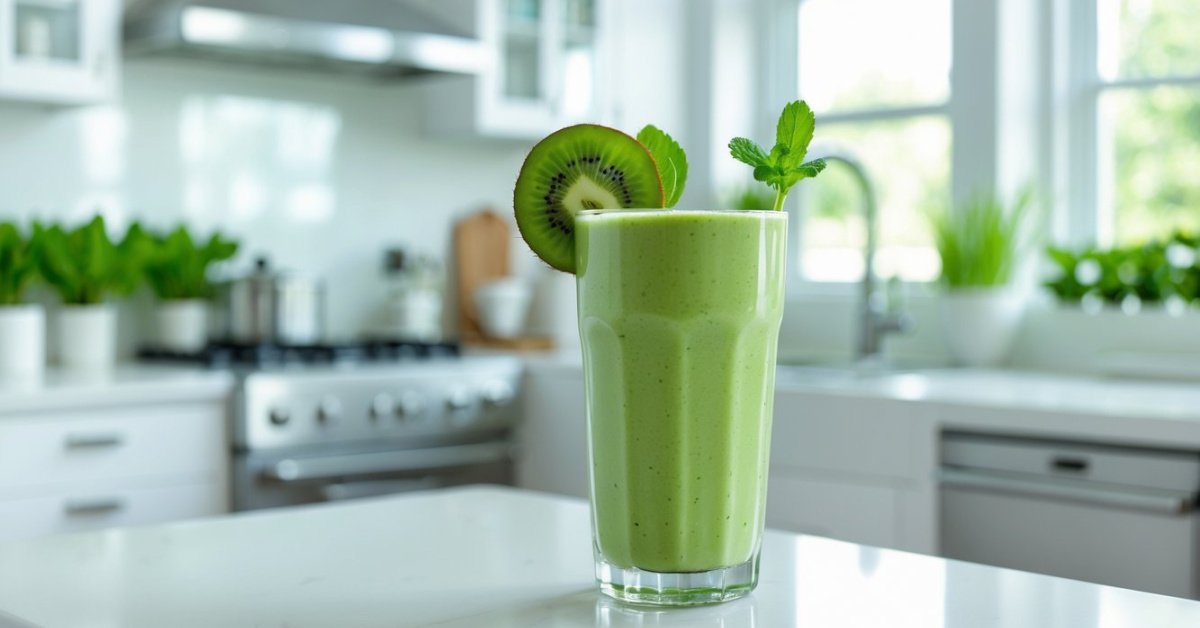
Naturally occurring fiber from whole ingredients, instead of supplements, carries extra nutritional value. My shop’s most popular green smoothie blends kale, avocado, and chia for a 7g fiber boost in a single cup, according to the USDA FoodData Central. Fiber-rich homemade drinks keep me and my patrons fueled and feeling good all morning.
Health Benefits of Adding Fiber to Smoothies
Adding fiber-rich ingredients to daily smoothies transforms each blend into a nutrient-packed boost. I always look for ways to increase fiber in my recipes because fiber offers several key benefits for digestion, fullness, and overall metabolic health.
Improved Digestive Health
Blending fibrous greens, seeds, or grains into smoothies supports digestive regularity. Soluble fiber from oats, chia, or apples absorbs water, forming a gel-like substance that eases stool passage. Insoluble fiber from leafy greens, nuts, or berries adds bulk and helps move material through the digestive tract. I notice that customers who choose smoothies with flaxseed or spinach often report less bloating and more consistent digestion.
Enhanced Satiety and Weight Management
Fiber in smoothies increases satiety after each meal or snack. I see how adding a tablespoon of chia or hemp seeds helps smoothie lovers feel fuller longer, curbing the urge to snack between meals. High-fiber smoothies also support weight management goals because they slow gastric emptying and reduce overall calorie intake. Most patrons who include fibrous blends in their routine say they experience fewer cravings, especially in the late morning or afternoon.
Blood Sugar Regulation
Naturally occurring fiber in fruits and vegetables supports steady energy throughout the day by slowing the absorption of sugars. I prioritize adding fiber-rich sources like berries, oats, and flaxseed to help maintain balanced glucose levels, particularly for people concerned about spikes and crashes. Many customers with busy mornings prefer high-fiber blends for sustained energy and mental clarity without rapid blood sugar fluctuations.
Top Sources of Fiber for Daily Smoothies
I rely on a range of fiber-rich ingredients to keep my smoothies satisfying and healthy. Fresh produce, seeds, grains, and quality supplements add both nutrition and texture while boosting daily fiber intake.
Fruits and Vegetables
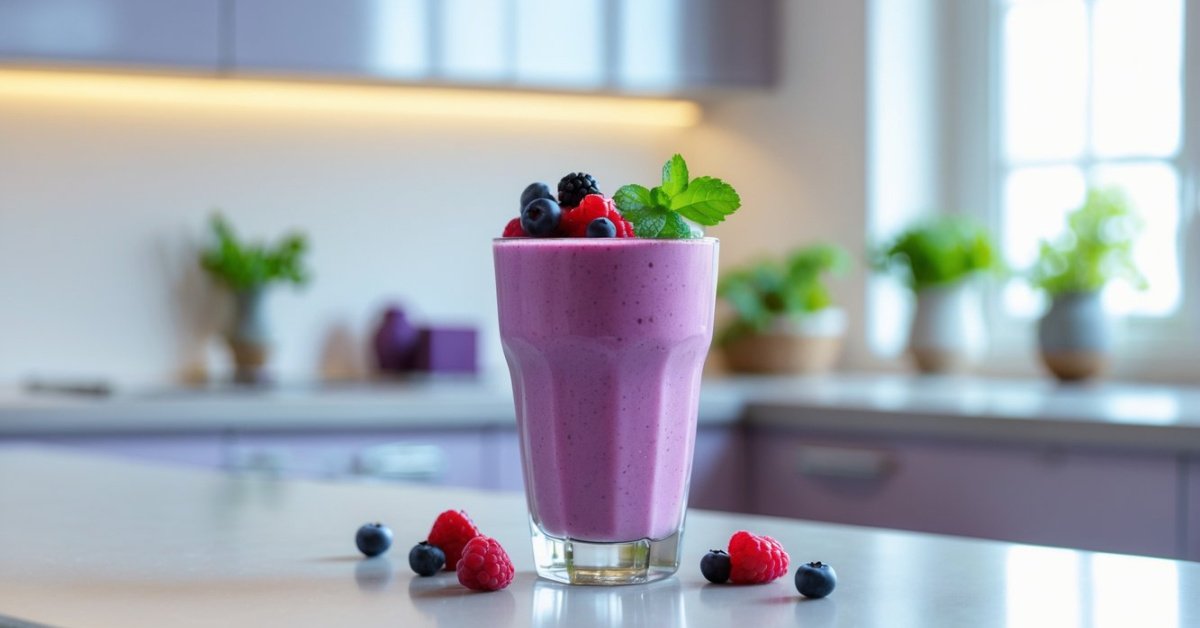
I use whole fruits and vegetables for most of my smoothie fiber. Berries like raspberries, blackberries, and blueberries offer up to 8g of fiber per cup. Leafy greens like kale and spinach deliver 1.5-4g per cup when blended with other ingredients. Avocado brings creaminess and around 5g of fiber in half a medium fruit. Apples and pears, blended with their skins, raise fiber levels by up to 5g per piece. Carrots, beets, and broccoli stems add crunch and accent subtle sweetness, contributing another 2-3g per serving.
Seeds, Nuts, and Whole Grains
I boost fiber in smoothies with seeds and grains for extra nutrition. Chia seeds deliver about 10g of fiber per ounce. Flaxseeds give around 3g per tablespoon if ground before blending. Almonds and walnuts add crunch and roughly 3g of fiber per ounce. Rolled oats provide 4g per half-cup and a creamy texture when soaked or ground. I often add cooked quinoa for a protein and fiber boost, offering 2.5g per half-cup serving.
Fiber Powders and Supplements
I use fiber supplements if customers want extra digestive support or convenience takes priority. Psyllium husk powder features about 4g of fiber per teaspoon and blends smoothly into any shake. Inulin powder, sourced from chicory root, contributes 3g per tablespoon and adds a bit of natural sweetness. Unflavored prebiotic fiber blends make it easy to add 2-5g of fiber per scoop without changing the smoothie’s taste or consistency.
Tips for Increasing Fiber in Your Daily Smoothies
Adding fiber to your daily smoothie keeps each sip satisfying and supports digestion and energy. I use several easy methods in my smoothie shop to help customers boost fiber without sacrificing great taste.
Easy Ingredient Swaps
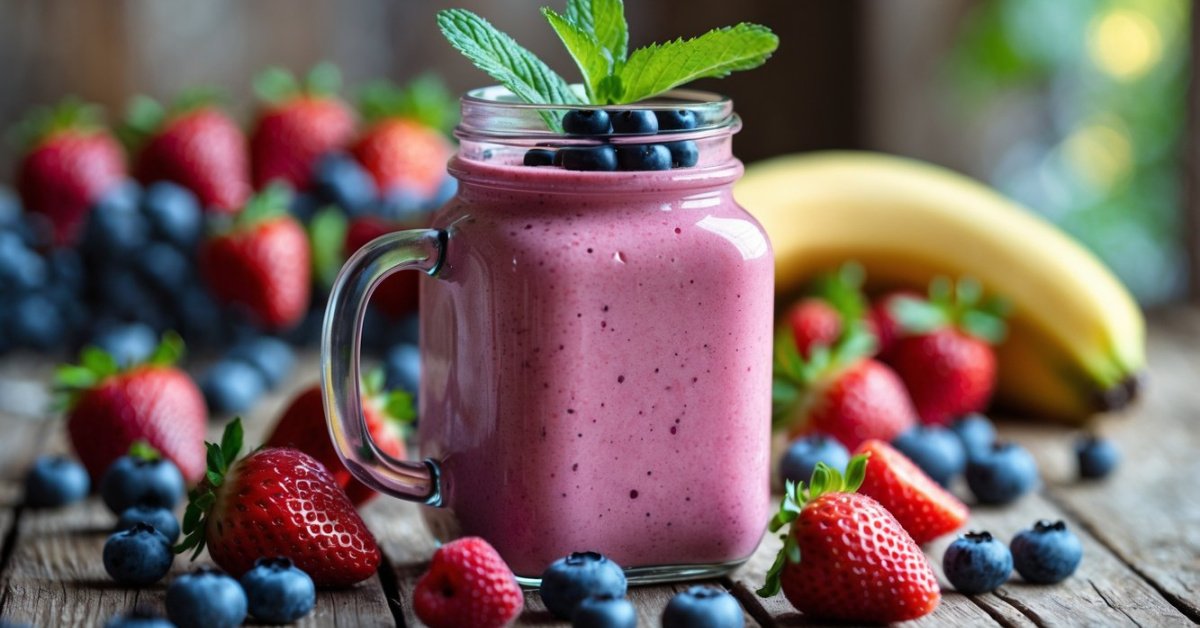
Swapping low-fiber ingredients for fiber-rich options transforms a basic smoothie. I swap in spinach or kale for half the fruit to increase greens and boost fiber. Oats go in place of sweetened yogurt, while chia or flax seeds replace flavored protein powder. I choose fresh or frozen berries—like raspberries, blackberries, or blueberries—over tropical fruits for added fiber and antioxidants. Beans can blend in smoothly with cocoa for extra richness and a hearty fiber boost.
Portion Control and Balance
Balancing portions in smoothies maintains their taste and supports a higher fiber count. I fill at least half the blender with veggies or greens, then add 1–2 tablespoons of seeds or oats. I keep fruit servings modest—usually ½ to 1 cup—to limit sugar and make room for fibrous add-ins. If using fiber supplements like psyllium or inulin, I measure carefully, starting with 1 teaspoon, to prevent texture issues and digestive discomfort. Portioning ingredients in advance helps me keep smoothies balanced, nutrient-rich, and delicious every time.
Common Mistakes When Adding Fiber to Smoothies
Overloading Portions
Adding too much fiber at once often causes bloating or digestive discomfort. I always start with a small amount, like a tablespoon of chia or flaxseed, especially for those new to high-fiber ingredients.
Relying Only on Powders
Using only fiber powders, for example psyllium husk or inulin, misses the extra nutrients whole foods provide. I always recommend combining powders with fruits, greens, oats, or seeds for a richer nutrient profile and natural flavors.
Skipping Gradual Increases
Doubling the usual amount of fiber-rich ingredients in a single blend might upset digestion. I increase servings slowly over several days or weeks, especially for regular customers testing new recipes.
Neglecting Liquid Adjustment
Mixing extra fiber without adding more liquid quickly thickens a smoothie and spoils the texture. I pour in extra water, almond milk, or coconut water as soon as I add more oats, flaxseed, or beans.
Ignoring Ingredient Variety
Repeating the same fiber source, like always choosing spinach or always using just chia seeds, limits the nutrition and taste. I rotate different greens, berries, grains, and seeds to give each smoothie a unique boost and flavor.
Forgetting to Blend Well
Blending seeds or oats too briefly results in a gritty texture. I always blend for at least 45 seconds, making sure ingredients like flax or oats break down completely for a smooth sip.
Conclusion
Blending fiber into my daily smoothies has truly changed the way I feel each morning. I love knowing that with just a few simple tweaks I’m supporting my digestion and fueling my body for whatever the day brings.
If you’re looking for an easy way to boost your health and energy try adding more fiber-rich ingredients to your smoothie routine. It’s a small step that can make a big difference—and your taste buds will thank you too.