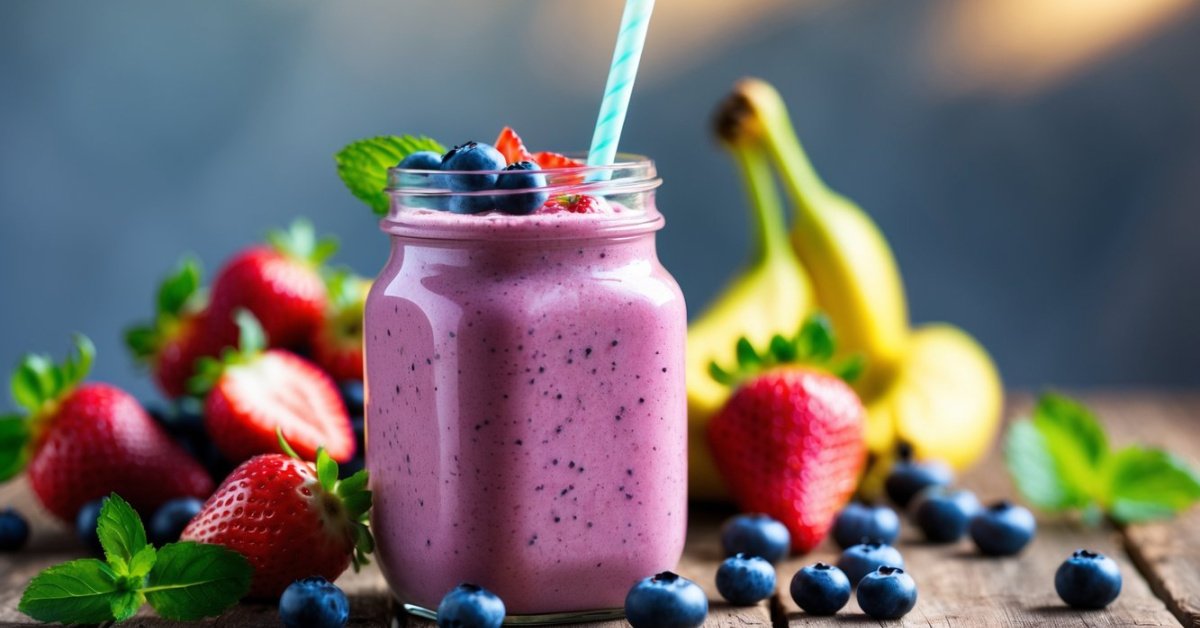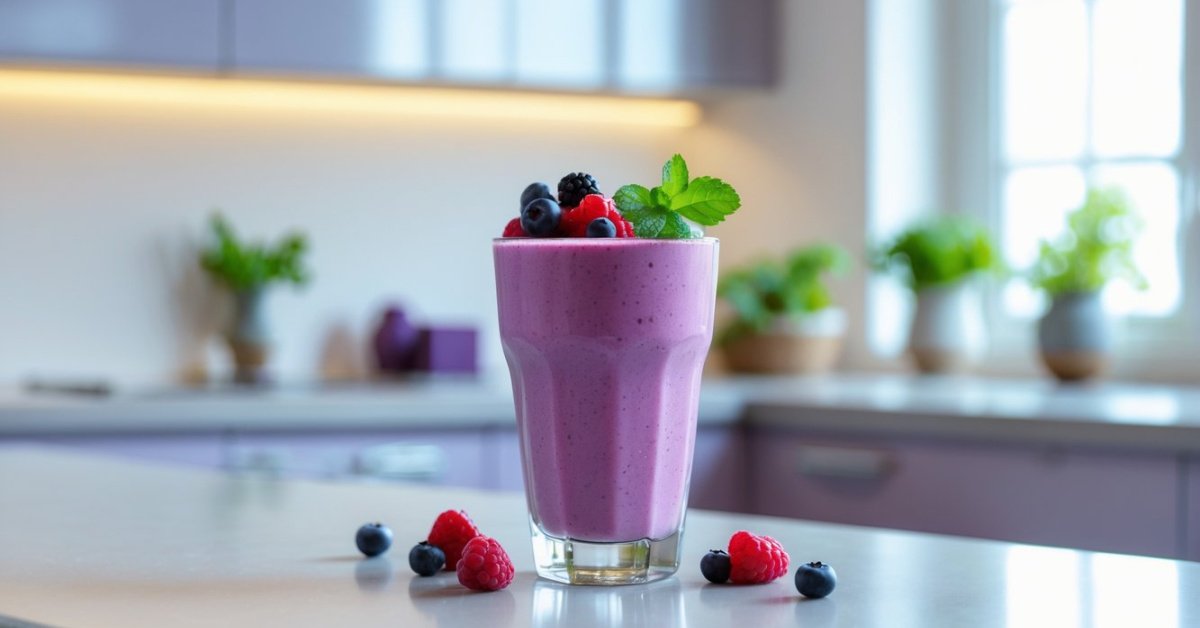

I love starting my mornings with a creamy smoothie. There’s just something about that rich texture and burst of flavors that puts me in a good mood for the day ahead. Over time I’ve discovered a secret ingredient that takes my smoothies to the next level—coconut oil.
Adding coconut oil doesn’t just make my smoothies extra creamy. It also brings a subtle tropical twist that I can’t resist. Plus I’ve noticed some surprising benefits that make this simple addition feel like a treat for both my taste buds and my well-being. If you’re looking to upgrade your smoothie game you might want to give coconut oil a try.
Understanding Coconut Oil and Its Nutritional Profile
Knowing coconut oil is key when I blend it into smoothies at my shop. Extracted from mature coconuts, coconut oil comes in two main types: virgin and refined. Virgin coconut oil keeps most of its natural flavor and nutrients because it’s made without high heat or chemicals, while refined coconut oil has a milder taste and undergoes more processing.
Each tablespoon of coconut oil contains about 120 calories and 14 grams of fat, with roughly 12 grams being saturated fat (source: USDA FoodData Central). Most of these saturated fats belong to medium-chain triglycerides (MCTs), such as lauric acid and caprylic acid, which the body digests differently than long-chain fats. MCTs convert quickly into energy rather than getting stored like other fats.
Besides healthy fats, coconut oil contains no cholesterol or trans fats. There’s also a small amount of vitamin E per serving. While coconut oil adds richness to smoothies, I also appreciate that it’s free from carbohydrates and protein, so it won’t interfere with specific nutrition-focused shake recipes.
Using coconut oil in smoothies gives a creamy texture, but it also enhances my recipes with the unique benefits of MCTs and the smooth mouthfeel that keeps customers coming back for more.
Why Add Coconut Oil to Creamy Smoothies?
I add coconut oil to creamy smoothies in my shop so every blend gets a luxurious texture and a naturally rich taste. Coconut oil stands out in smoothie recipes for its ability to upgrade both mouthfeel and subtle tropical notes.
Enhancing Texture and Creaminess
I notice coconut oil turns blended ingredients into a thick, velvety drink. Its healthy fats, especially MCTs, give smoothies extra body and prevent separation. When I blend coconut oil with frozen fruits or yogurt bases, the end result feels smoother than using just traditional dairy or nut milks.
Boosting Flavor and Aroma
I use coconut oil to create a mild, nutty sweetness and a hint of tropical essence in my recipes. Virgin coconut oil, for example, intensifies that signature coconut scent, which complements flavors like pineapple, mango, chocolate, or banana. Even 1 teaspoon per serving adds noticeable depth to the flavor profile, making each smoothie stand out in both aroma and taste.
Key Health Benefits of Coconut Oil in Smoothies
I see coconut oil make smoothies richer and healthier at my shop every day. It’s much more than a tasty mix-in—coconut oil supports your body’s needs, especially in homemade blends.
Supporting Healthy Digestion
I count on coconut oil to promote smooth digestion in all kinds of blends. The MCTs in coconut oil, such as caprylic and lauric acids, support gut health (Harvard T.H. Chan School of Public Health). These fats don’t just blend easily into creamy bases—they assist the digestive system by helping balance gut bacteria, reducing occasional bloating after a smoothie with ingredients like spinach or protein powder.
Providing Quick Energy
I recommend coconut oil to customers who want an energizing breakfast or post-workout shake. The body absorbs MCTs rapidly, transforming them into immediate fuel instead of storing them as fat (Cleveland Clinic). I see busy customers return for smoothies with coconut oil when they want to stay full and feel energized, often pairing it with fruits such as banana and blueberries.
Strengthening Immunity
I reach for coconut oil when I want to give smoothies a nourishing boost. Lauric acid—about 50% of coconut oil’s content—supports the immune system by breaking down into compounds such as monolaurin, which help defend against certain bacteria and viruses (National Institutes of Health). I often blend a teaspoon into immunity-boosting recipes with citrus, ginger, or turmeric for customers during cold season.
Tips for Incorporating Coconut Oil Into Your Smoothies
- Melt coconut oil before blending
I always melt coconut oil so it blends smoothly and avoids clumping. I use the microwave for 10–15 seconds or place the jar in warm water.
- Add coconut oil while blender’s running
I pour melted coconut oil in a slow stream with the blender running. This helps the oil emulsify with cold ingredients and prevents solid bits.
- Use moderate amounts for creamy texture
I add 1 teaspoon to 1 tablespoon per 16-ounce smoothie. This range provides creaminess without making the blend greasy or heavy.
- Pair coconut oil with compatible flavors
I select fruits and flavors that complement coconut oil’s notes. I pair it with ingredients like banana, pineapple, berries, cacao, or spinach for a tropical twist.
- Blend with healthy fats for extra richness
I combine coconut oil with healthy fats found in avocado or nut butters. The mix makes smoothies extra luscious and keeps me satisfied longer.
- Store coconut oil correctly for easy use
I keep coconut oil in a cool spot but not in the fridge. This way it stays semi-solid, making it easy to scoop and melt each morning.
- Clean blender immediately after use
I rinse the blender after making any smoothie with coconut oil. This stops the oil from hardening and keeps cleanup simple.
I find these steps help me make thick, creamy smoothies with a rich coconut taste, every time I develop new recipes for my shop and home menu.
Potential Considerations and Recommended Usage
Some potential considerations come into play when adding coconut oil to creamy smoothies. Coconut oil solidifies below 76°F (24°C), forming small clumps if blended with cold liquids without proper prep. I always melt the coconut oil first and drizzle it in slowly while the blender runs. This step gives a smooth texture and even distribution throughout the shake, especially if ice or frozen fruit is in the recipe.
Dietary intake matters with any fat source. Coconut oil is calorie-dense, with about 120 calories and 14 grams of fat per tablespoon (USDA). Moderation keeps the smoothie balanced—most of my recipes use 1–2 teaspoons for a 16-ounce serving, never exceeding 1 tablespoon per person. Too much can lead to a greasy texture and excess calories, especially for those monitoring fat intake.
Allergies and sensitivities sometimes need consideration. While true coconut allergies are rare, they’re possible. My shop always lists all ingredients for transparency, and I recommend caution for anyone with nut or food sensitivities before adding coconut oil to new blends.
Product quality creates clear differences in flavor and benefits. Virgin coconut oil delivers the most potent aroma and nutrients compared to refined varieties. I stock both in my shop and encourage home smoothie enthusiasts to choose organic, unrefined coconut oil whenever possible for the best results and overall smoothie experience.
Conclusion
Adding coconut oil to my smoothies has truly transformed my morning routine. The difference in texture and flavor is something I look forward to every day. I love experimenting with new combinations and finding just the right balance for that perfect creamy blend.
If you haven’t tried coconut oil in your smoothies yet I highly recommend giving it a shot. With a little practice you’ll find it’s an easy way to elevate both the taste and the texture of your favorite recipes. Enjoy the extra creaminess and the little boost of tropical goodness!