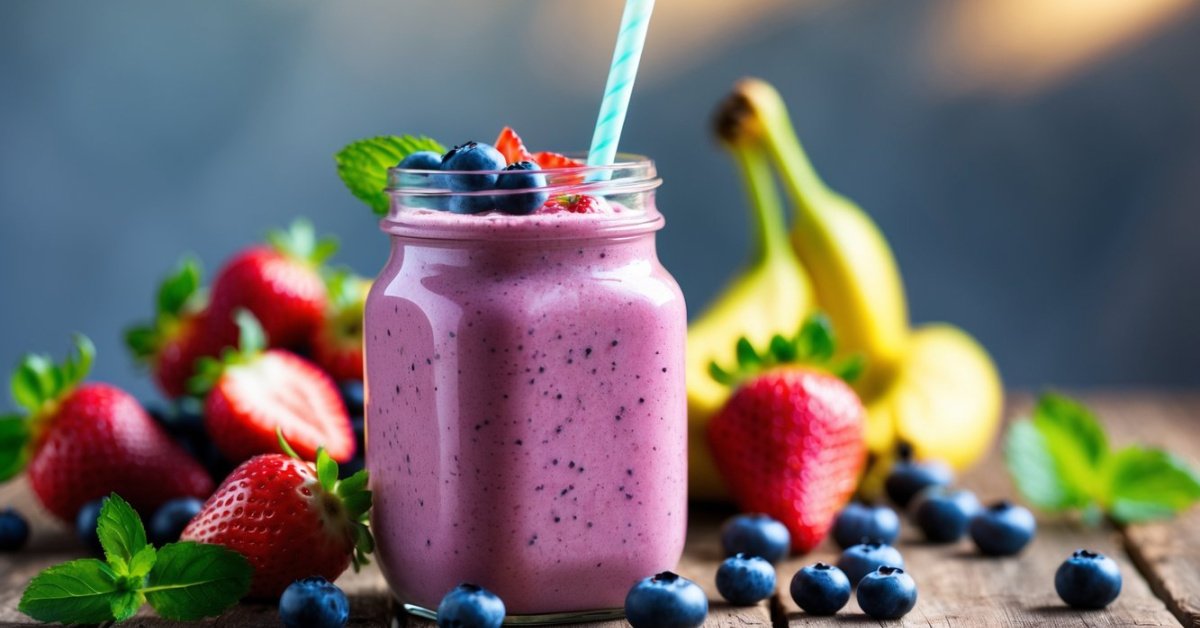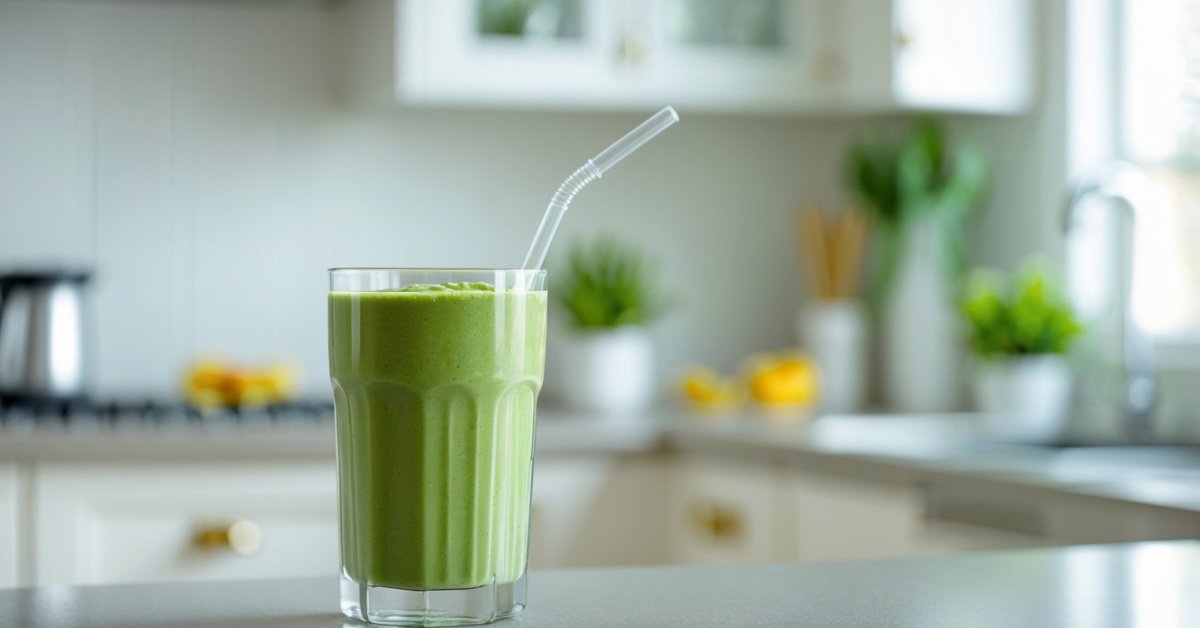
I love starting my mornings with a fresh smoothie packed with greens. There’s something about blending up a handful of vibrant leaves that makes me feel like I’m giving my body a head start on the day. But with so many options out there it’s tough to know which greens will really pack the most nutritional punch.
If you’re like me and want your smoothies to be as nourishing as they are tasty you’re in the right place. I’ve tried all sorts of greens from the classics to a few you might not expect. Let’s explore the best greens to boost your smoothies and help you get the most out of every sip.
Why Choose Greens for Nutrient-Dense Smoothies
Greens give smoothies high nutritional value. Leafy greens like spinach, kale, and Swiss chard provide fiber, folate, vitamins A, C, K, and minerals like magnesium and iron. When I blend these greens into smoothies, I maximize absorption because raw greens retain nutrients lost in cooking.
Greens also add plant compounds. Chlorophyll, lutein, and beta carotene are antioxidants found in greens like collard and dandelion, minimizing oxidative stress according to USDA data. Some greens, including parsley and microgreens, contribute more phytonutrients per ounce than common salad greens.
Flavor and texture in smoothies improve with the right greens. My top choices—baby spinach and romaine—blend easily and complement fruits like pineapple or banana. Hardier greens like kale give thicker texture and richer color, especially when paired with citrus.
Fresh greens help with hydration and satiety. Water-rich greens, such as cucumber and celery leaves, support fluid intake, making smoothies both hydrating and filling. In my shop, people often choose green smoothies for long-lasting energy because of this effect.
Versatility makes greens a staple in my recipes. I switch greens—like arugula for its peppery bite or beet greens for earthiness—to keep smoothies interesting and balanced. This variety delivers a wider spectrum of micro- and phytonutrients over time.
Top Greens for Nutrient-Dense Smoothies
Finding the right greens transforms home smoothies into nutrient-rich drinks. My favorites blend seamlessly, taste fresh, and pack significant nutrition. Here’s what I use daily in my smoothie shop for balanced, vibrant results.
Spinach: The Classic Choice
Spinach delivers mild flavor, vibrant color, and versatility. I add baby spinach for its tender leaves and higher vitamin K, folate, and manganese per cup (USDA). Spinach blends smoothly with bananas, mangoes, or berries, making it an easy choice for anyone new to green smoothies.
Kale: Packed with Antioxidants
Kale, especially lacinato and curly types, contains high levels of vitamins A, C, and K as well as antioxidants like lutein and zeaxanthin (NIH). I use de-stemmed leaves to avoid bitterness. Kale pairs well with pineapple or apple for a nutrient boost without overpowering your blend.
Swiss Chard: Bursting with Vitamins
Swiss chard gives smoothies vibrant color and an earthy hint. Rich in vitamins A, K, C, and magnesium (USDA), I recommend rainbow or green swiss chard for extra phytonutrients. Swiss chard goes smoothly with citrus fruits like orange or kiwi to mask stronger notes.
Collard Greens: A Southern Powerhouse
Collard greens provide calcium, vitamin K, and soluble fiber, according to the Cleveland Clinic. I select young collards, which have a milder flavor ideal for smoothies. Collards mix well with berries, almond milk, and a dash of nutmeg for southern-inspired blends.
Microgreens: Small but Mighty
Microgreens, including broccoli, radish, and sunflower, contain concentrated vitamins, minerals, and plant compounds, as described by the USDA. I add ¼ cup of microgreens to maximize antioxidants without affecting flavor or texture. Microgreens suit all blends but shine in tropical fruit smoothies for a subtle peppery finish.
Tips for Blending Greens Into Smoothies
Maximizing greens in smoothies starts with choosing the right balance between flavor and nutrients. I use tender greens like baby spinach or spring mix for a mild base and combine them with sweet fruits, such as banana or mango, to enhance palatability.
Layering ingredients strategically in the blender improves the final texture. I always layer liquids first, then greens, then heavier items like frozen fruit or seeds. This method ensures the blades catch the greens early and produces a smoother blend.
Prepping greens properly matters for optimal nutrition and taste. I wash all greens with cold water and remove tough stems from kale or Swiss chard before blending. For stubborn greens, like kale or collards, I chop them into bite-sized pieces so the blender can break them down evenly.
Portioning helps maintain a good smoothie texture. I add up to 2 packed cups of raw greens per 16-ounce smoothie for flavor without bitterness. If I want to include more nutrient-dense microgreens, like broccoli or sunflower microgreens, I stick to a small handful since their potency shines in small amounts.
Masking stronger flavors lets you experiment with new greens. Adding citrus fruits, chocolate protein powder, or ginger balances earthy notes from spinach or chard. For those who dislike bitterness, I blend in pineapple, apple, or ripe pear since their acidity and sweetness mellow out the taste.
Freezing greens offers convenience and smoother consistency. I freeze fresh spinach or kale in single-serving bags for busy days, then toss them directly into my blender with other ingredients.
Blending time impacts texture and nutrient availability. I blend smoothies with greens for 45-60 seconds to completely break down fibers and create a velvety drink without leafy pieces. Robust blenders, like commercial-grade Vitamix or Blendtec, yield the creamiest results.
Rotating greens keeps nutrient intake balanced and supports taste variety. Each week, I switch between spinach, kale, Swiss chard, collards, and romaine to provide a spectrum of phytonutrients and avoid oxalate buildup from overusing any single green.
Quality of ingredients sets great smoothies apart. I use organic greens whenever possible to minimize pesticide residues and always check shelf life to avoid wilted, nutrient-depleted produce.
How to Store and Prepare Greens for Smoothies
Proper storage and preparation help retain the nutrients and flavor of greens for smoothies. Fresh greens like spinach, kale, Swiss chard, and romaine stay crisp longest when wrapped in a paper towel and sealed in an airtight container in the fridge. Washed greens dry easily using a salad spinner, which prevents clumping and blends more smoothly. Greens like collards or kale, when destemmed and chopped before storing, save prep time during busy mornings.
Freezing greens like spinach, kale, or Swiss chard boosts convenience and helps avoid waste. I wash, dry, and portion them into single-serving bags, ready to toss straight into the blender. Frozen greens blend well and preserve most nutrients for several months. Microgreens and delicate greens like arugula and watercress store best in vented containers, since extra moisture causes bruising.
Preparation starts with rinsing greens under cool water to remove dirt or grit. Large, tough stems from kale or collards, when removed, keep smoothies from tasting bitter. I chop or tear leafy greens into smaller pieces if using a standard blender, while high-speed blenders process whole leaves easily. Rotating prepping and freezing keeps a steady supply of greens on hand, making flavorful, nutrient-packed smoothies a daily habit in my smoothie shop.
Conclusion
Experimenting with different greens has completely transformed my smoothie routine and boosted my daily nutrition. I love how easy it is to mix things up and discover new flavors and textures while keeping my smoothies packed with health benefits.
If you’re just starting out or looking to shake up your usual blend don’t be afraid to try something new. With a little prep and the right combinations you’ll find that the world of greens is both delicious and endlessly rewarding. Happy blending!