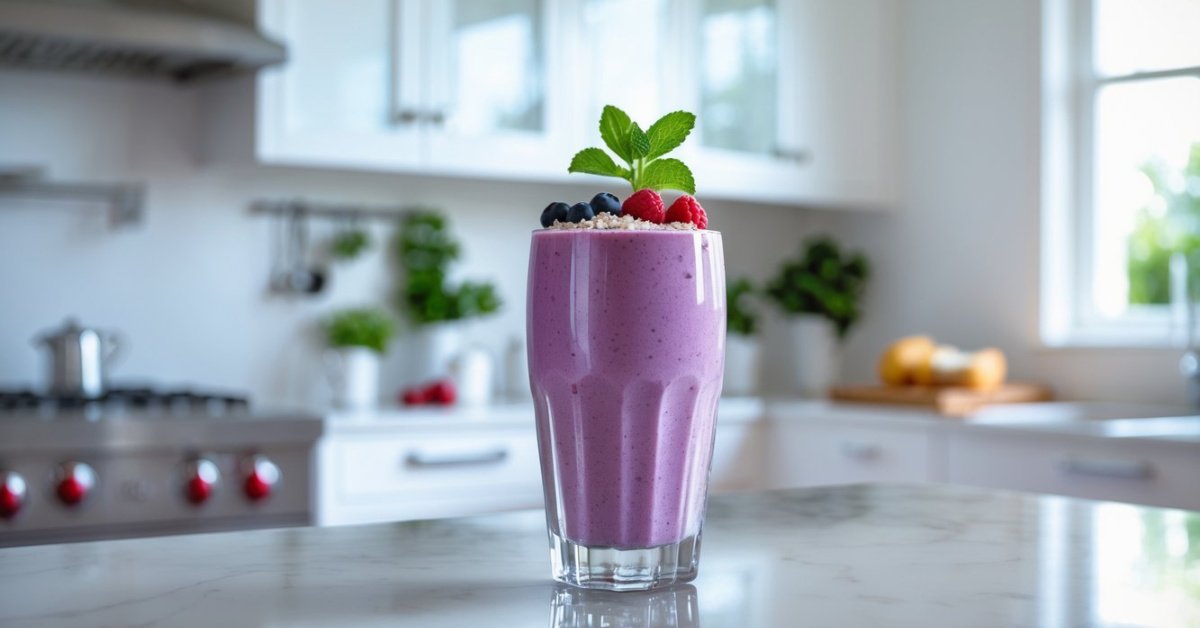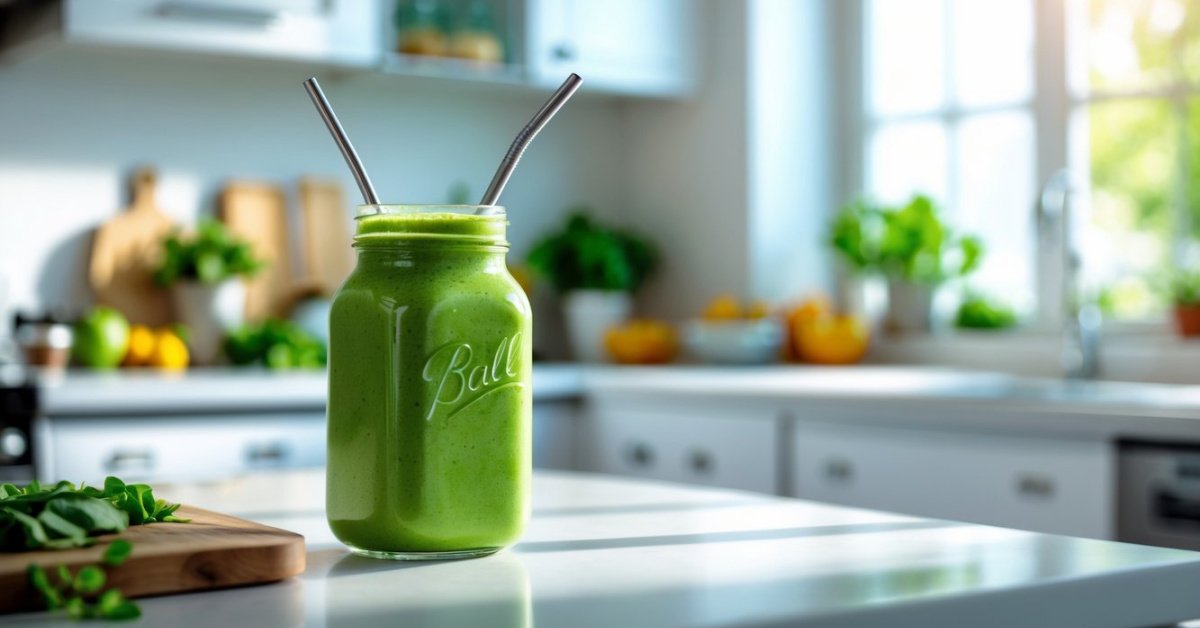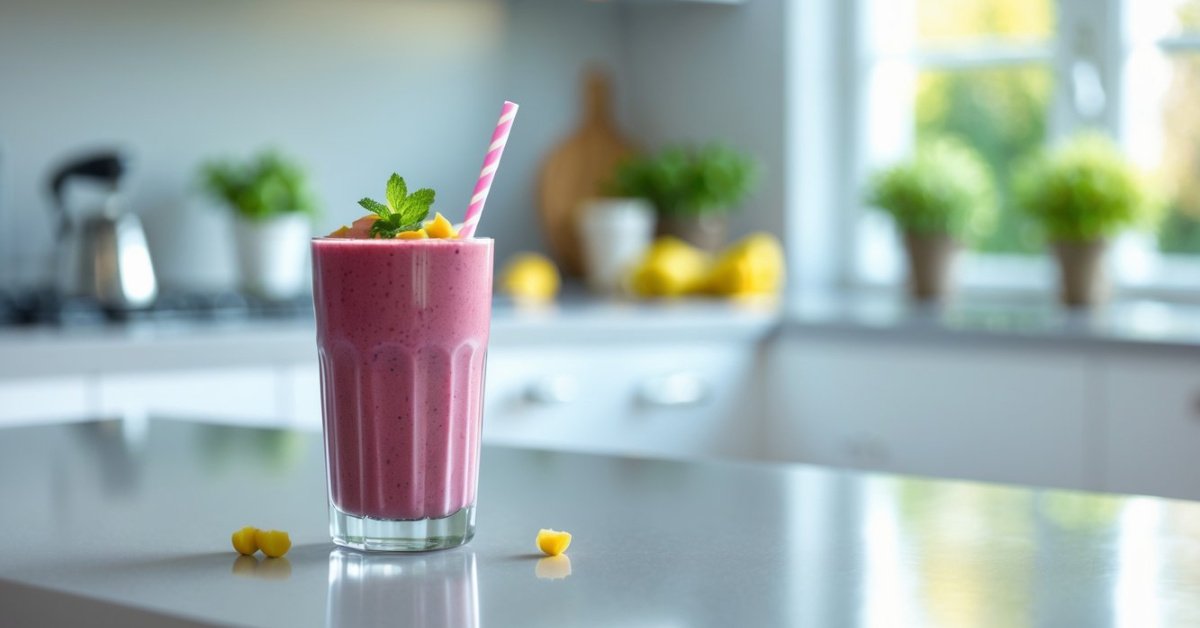
When I walk through the produce aisle I can’t help but wonder if I should reach for the fresh berries or grab a bag of frozen ones instead. Both look tempting and promise a burst of flavor but I often find myself questioning which option is actually better for my health.
It’s easy to assume that fresh fruits are always the top choice but frozen varieties have their own perks. With busy schedules and tight budgets I know how important it is to make smart decisions when it comes to nutrition. So I decided to dig deeper into the real differences between fresh and frozen fruits and what they mean for my diet.
Understanding Fresh and Frozen Fruits
Fresh fruits arrive at my smoothie shop in crates directly from farms or local suppliers. I get fresh berries, bananas, mangoes, and pineapples with their natural flavors, colors, and textures intact. These fresh options bring great aroma and texture to smoothies, especially when I’m aiming for vibrant colors or delicate flavors.
Frozen fruits reach me after being picked at peak ripeness and quickly frozen. I use bags of frozen strawberries, blueberries, peaches, and acai packs because their nutrients get locked in during flash-freezing. These frozen favorites work well for adding chill, creaminess, and consistency to shakes without using ice, and they’re available year-round—even when fresh options aren’t in season.
Fresh and frozen fruits both support healthy smoothies and shakes. Customers often ask if fresh is always better; when I explain my process, I highlight freeze timing, quality, and product origin. Properly stored frozen fruits maintain taste and nutrition for several months, making them versatile for home use or high-volume smoothie shops like mine.
Selecting between fresh and frozen options depends on availability, recipe, and desired smoothie outcome. In my shop, I blend both types—fresh fruits for garnish or brightness, frozen fruits for thickness or convenience. This approach ensures every smoothie or shake meets my standards for flavor, nutrition, and quality.
How Fruits Are Processed: Fresh vs Frozen
Processing fresh and frozen fruits shapes their texture, flavor, and nutrition in smoothies and shakes. Understanding how each type moves from farm to blender helps me choose the best options for great recipes.
Harvesting and Storage Methods
Fresh fruits usually arrive at my shop a few days after harvest. Growers often pick them before peak ripeness to reduce spoilage during transport and shelving. Examples include bananas, strawberries, and peaches. These fruits often ripen further during storage at my shop, so the flavor and texture can vary with each batch.
Frozen fruits get picked at the height of ripeness, then immediately washed, prepped, and flash-frozen—often within just a few hours. Blueberries, mangoes, and pineapple are common examples. This rapid freezing locks in nutrients and flavor, preserving the fruit’s just-picked quality until I’m ready to use it.
Impact on Shelf Life and Convenience
Fresh fruits have a short shelf life once I receive them. Most berries, grapes, and kiwis spoil within 3-7 days, especially in humid conditions. I need to rotate stock regularly and sometimes deal with waste if demand fluctuates.
Frozen fruits offer months of storage and reduce waste in my kitchen. I can portion out exactly what I need for each order, whether it’s a cup of frozen raspberries or half a banana for a shake. Smoothie-making becomes easier, especially when popular seasonal options like cherries aren’t available fresh.
| Fruit Type | Typical Shelf Life | Prep Steps Required | Example Fruits |
|---|---|---|---|
| Fresh | 3-7 days | Wash, peel, slice | Strawberries, Bananas |
| Frozen | 6-12 months | None or quick rinse | Blueberries, Mango, Pineapple |
These processing differences impact flavor retention, nutrition, and how smoothly I can serve customers looking for high-quality smoothies and shakes year-round.
Nutritional Content Comparison
Nutritional differences between fresh and frozen fruits affect smoothie quality, flavor, and health benefits. I rely on data and my shop experience to guide ingredient choices.
Vitamins and Minerals
Vitamins and minerals in fruit play a major role in smoothies’ nutritional value. Frozen fruits usually retain most vitamin C and B vitamins after flash-freezing, according to USDA studies published in 2017. Fresh fruits sometimes lose vitamin C faster, since nutrients degrade over a few days’ transport and storage. For example, spinach and strawberries kept at room temperature lose 20–50% vitamin C in three days, while frozen versions keep nearly all of it for several months. Frozen fruits also lock in essential minerals like potassium and magnesium, matching fresh fruit values gram-for-gram right after freezing.
Antioxidants and Phytochemicals
Antioxidants and phytochemicals in fruits, like anthocyanins in blueberries or carotenoids in mangoes, drive many health benefits in shakes. Frozen fruits picked and processed at peak ripeness retain higher antioxidant levels in most cases, based on research from the Journal of Agricultural and Food Chemistry (2015). For example, frozen blueberries show equal or higher total antioxidant activity compared to fresh blueberries left in the fridge for five days. Freezing slows down nutrient losses and stabilizes delicate compounds like polyphenols and flavonoids.
Sugar and Fiber Content
Sugar and fiber content in fresh and frozen fruits stays nearly identical, since freezing doesn’t break down natural sugars or fibers. An 80g serving of frozen mango contains about 14g sugar and 2g fiber—matching its fresh counterpart. I measure consistent portion sizes thanks to frozen fruit’s predictable structure. Fiber from whole fruits, whether fresh or frozen, keeps smoothies creamy and filling. No extra sugar or preservatives are present in plain frozen fruits, so I get clean, reliable ingredient lists every time.
Factors Affecting Nutritional Differences
Several factors influence the nutritional value of fruits in my smoothies and shakes. Whether I choose fresh or frozen, steps in processing and storage impact vitamins, antioxidants, and texture.
Effects of Freezing and Thawing
Freezing and thawing impact fruit nutrients and texture. When I freeze fruits like blueberries or mangoes at their ripest, they retain most vitamin C, B vitamins, and antioxidants. NIH studies show that flash-freezing within hours prevents nutrient loss seen in fresh fruit during transport. Thawing can soften the cell walls, so I notice frozen fruit blends more smoothly but may lose a bit of firmness compared to just-picked fresh options. Enzyme activity slows after freezing, but repeated freezing and thawing cycles may cause minor breakdown in vitamin content and overall quality. I always use frozen fruit straight from the freezer to limit these changes.
Packaging and Preservation Techniques
Packaging methods influence fruit shelf life and nutrient retention. Vacuum-sealed bags and nitrogen-flushed containers used for frozen fruit lock out oxygen, slowing oxidation and vitamin loss—especially for vitamin C and E. Fresh fruit in open containers at room temperature or in the produce bin loses antioxidants faster, especially after being cut or exposed to air. Added preservatives in some frozen fruit mixes can help maintain color but rarely affect nutrients. I always check labels and go for frozen fruits without added sugars or unnecessary ingredients for optimal nutrition in my smoothies and shakes.
Practical Considerations for Consumers
Picking between fresh and frozen fruits for at-home smoothies comes down to more than just nutrition facts. I always weigh cost, convenience, and experience to deliver great-tasting, healthy drinks in my shop.
Cost and Accessibility
Cost differences shape daily fruit choices for smoothies and shakes. Fresh fruits—like organic berries and tropical mangoes—tend to cost up to 40% more than frozen options, especially outside peak season (USDA 2023). Limited growing seasons and transport hurdles can also make certain fresh fruits harder to find or more expensive in some regions. In contrast, frozen fruits offer year-round affordability and wider variety. I buy bulk frozen strawberries, mangoes, and mixed berries for my shop because they provide consistent pricing and availability regardless of season.
Convenience also matters for home blending. Frozen fruits save trips to the store—letting me keep high-quality ingredients in my freezer for months. Frozen fruits from reliable brands are pre-washed, prepped, and ready to blend, making smoothie prep fast and easy.
Taste and Texture Differences
Taste and texture define a smoothie’s final quality. I use fresh fruits for drinks highlighting flavors and aromas—like summer peach or apple smoothies. When blended right after ripening, fresh fruits create brighter, more aromatic beverages. However, unpredictable ripeness or timing gaps in delivery sometimes result in inconsistent taste and softness.
Frozen fruits offer more reliable texture for thick, creamy shakes. They hold structure during blending and deliver a frosty, refreshing base without needing extra ice. Thawed frozen fruits blend smoother and help with portion control—important for replicating recipes at home or in my shop. Sometimes, freezing can slightly mute the flavor of delicate fruits (like raspberries or melons), though most people enjoy the enhanced smoothness and chill.
For daily smoothie making, I use both fresh and frozen based on the drink. Frozen berries or mangoes add consistent texture to morning shakes, while fresh bananas or peaches shine in signature summer blends at my shop.
Conclusion
After years of blending both fresh and frozen fruits at my smoothie shop I’ve learned there’s no single best choice for everyone. What matters most is finding the right balance that fits your lifestyle taste preferences and budget.
Whether you reach for fresh berries at the farmers market or keep a stash of frozen mango in your freezer both can help you enjoy delicious and nutritious smoothies every day. I love mixing things up and hope you’ll feel inspired to do the same the next time you’re shopping for fruit.