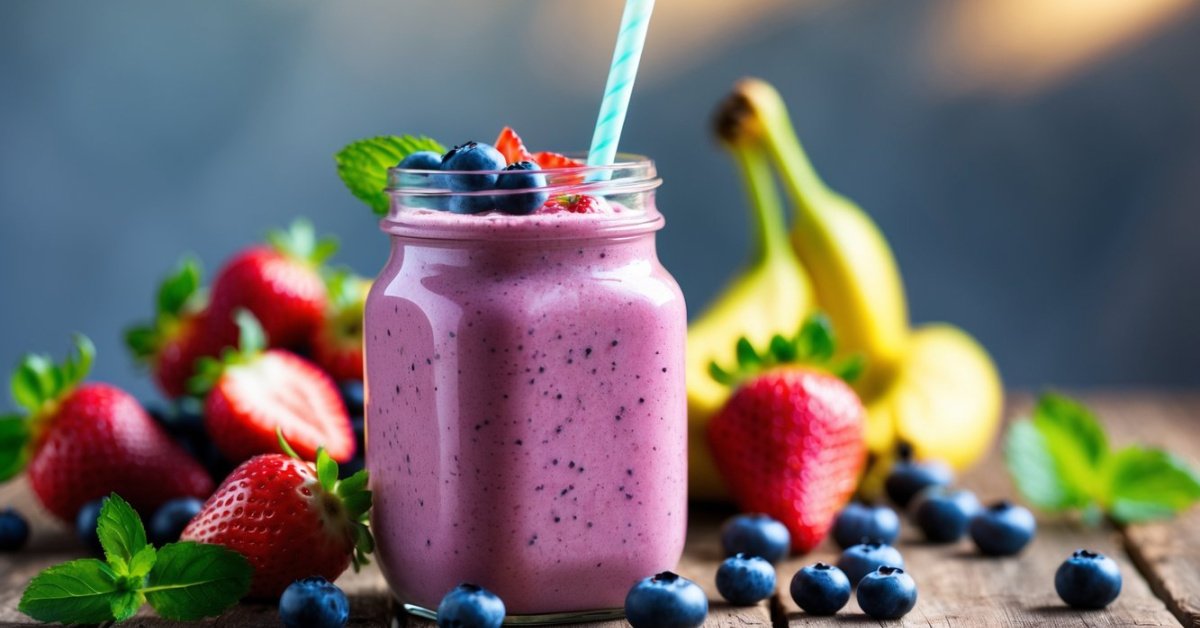

I’ve always been curious about what makes acai such a popular choice in smoothies. With its deep purple color and unique flavor, it’s no wonder so many people are blending it into their morning routines. But beyond the trend, I wanted to know what acai really brings to the table nutrition-wise.
When I started looking into the nutritional profile of acai in smoothies, I was surprised by just how much this little berry has to offer. Whether you’re a health enthusiast or just love a good smoothie, understanding what goes into your glass can make a big difference. Let’s take a closer look at why acai deserves its spot in your blender.
What Is Acai and Why Is It Popular in Smoothies?
Acai refers to a small, dark purple berry from the acai palm (Euterpe oleracea), native to the Amazon rainforest. I use acai puree and frozen acai packets in my smoothie shop because they blend smoothly, add vibrant color, and deliver a unique, subtly earthy taste. Consumers often describe the flavor as a mix of blackberry and mild dark chocolate.
Popularity of acai in smoothies grew as customers requested antioxidant-rich options for breakfast or post-workout blends. Acai contains anthocyanins, which are antioxidant pigments also present in blueberries and blackberries, supporting the immune system. Blend acai with fruits like bananas and strawberries, and the naturally low sugar content of acai helps me create smoothies with balanced sweetness.
Texture plays a key role in acai’s popularity—frozen acai yields a thick, spoonable base, making it ideal for smoothie bowls. Smoothies featuring acai often attract those seeking visually appealing and nutrient-focused choices. Patrons at my shop regularly mention the energizing effect and creamy consistency, especially in vegan blends.
Key Nutrients Found in Acai
Acai packs powerful nutrition into every scoop, making it a standout ingredient in my smoothie recipes. Every time I blend acai, I know I’m boosting the drink’s health profile for my customers and myself.
Vitamins and Minerals
Acai supplies essential vitamins and minerals. Vitamin A, making up about 15% of the recommended daily intake in 100 grams of acai puree (USDA), supports healthy vision and skin. Potassium, which appears in levels similar to bananas, aids heart and muscle function. Calcium contributes to bone health and muscle maintenance in every serving. Small but relevant amounts of vitamin C and magnesium help further round out acai’s mineral profile, supporting immunity and energy metabolism.
Fiber Content
Acai adds valuable dietary fiber to smoothies. Pureed acai often contains around 2 grams of fiber per 100-gram serving, according to the USDA FoodData Central database. This fiber content supports digestive health and helps smoothies feel more satisfying, especially when I blend acai with higher-fiber fruits like berries or chia seeds.
Antioxidant Properties
Acai showcases one of the highest antioxidant levels found in common smoothie ingredients. Anthocyanins, the purple plant pigments in acai, defend cells against oxidative stress. The ORAC (Oxygen Radical Absorbance Capacity) value for acai puree measures between 15,000-20,000 µmol TE per 100 grams, outpacing many other berries. When I use acai, I know I’m offering customers a tasty way to support their wellness routines through antioxidant-rich drinks.
Health Benefits of Adding Acai to Smoothies
Blending acai into smoothies transforms both taste and nutrition. In my smoothie shop I prioritize premium ingredients like acai to help boost wellness for my guests.
Energy and Immunity Support
Acai in smoothies naturally increases energy and supports immunity with high antioxidant concentrations, especially anthocyanins and vitamin C. I often use acai as the foundation for bowls and shakes when customers ask for blends that help keep them active or strengthen their immune system. Research from the National Institutes of Health associates anthocyanins with healthy immune response and better cellular health.
Digestive Health
Rich fiber in acai helps promote smooth digestion and satisfaction in smoothies and bowls. I blend frozen acai purée with high-fiber fruits such as bananas and blueberries to amplify this benefit for customers seeking gut support. Since dietary fiber helps regulate digestion and fullness, acai is a staple when I create smoothie bowls aimed at digestive wellness.
Heart Health
Potassium and anthocyanins found in acai support heart health by helping regulate blood pressure and protect blood vessels. I often recommend acai blends to guests aiming to support cardiovascular health, especially when combined with almond milk or chia seeds for added benefit. Clinical data from the Journal of Agricultural and Food Chemistry highlights how anthocyanins in berries like acai may contribute to lower cardiovascular risk factors.
How Acai Complements Other Smoothie Ingredients
Blending acai with other smoothie ingredients creates balanced flavor, nutrition, and texture. Pairing acai with bananas or mangos results in creamy, thick smoothies since their natural starches and acai’s frozen pulp blend smoothly. Adding strawberries or blueberries provides natural sweetness and additional antioxidants, enhancing both the taste and the health benefits of the smoothie. Mixing acai with leafy greens like spinach delivers iron and vitamin K, while acai’s vivid color helps mask the greens, making the blend appealing.
Combining acai with protein sources such as Greek yogurt or plant-based protein powder supports muscle recovery and maintains satiety, especially for people using smoothies as meal replacements. Dropping in seeds like chia or flax increases omega-3s and fiber, while acai’s antioxidants help counteract oxidative stress from daily activity.
Layering acai with nut butters, such as almond or peanut, supplies healthy fats and extra calories for energy, creating balance in both macro- and micronutrients. Acai’s mild earthy taste holds up well against the richness of nuts and the tang of citrus fruits, like orange or pineapple, which boost vitamin C content without overwhelming the smoothie.
I see the best results in my shop when I match acai’s low sugar and high antioxidant profile with naturally sweet, fiber-rich fruits and wholesome add-ins. This approach preserves acai’s benefits in every blend, letting other fresh ingredients shine for optimal smoothie quality.
Potential Downsides and Considerations
Açai smoothie blends, while popular, come with some important factors.
- Added Sugars and Sweeteners: Many store-bought açai purées and pre-made smoothie packs include added cane sugar or sweeteners. I always read ingredient labels closely since excess sugar can offset açai’s low natural sugar content and reduce the nutritional quality of a smoothie. For example, some açai purée brands have 10–12g added sugars per serving.
- Calorie Content: When I build a smoothie bowl with açai, nut butter, granola, honey, and sweet fruit, calories can add up rapidly. A typical 16oz açai smoothie bowl can range from 250–600 calories, depending on toppings and mix-ins. Customers aiming for lower-calorie smoothies often ask me to skip extras or use unsweetened açai.
- Allergies and Sensitivities: Açai allergies are rare but can happen, especially in people sensitive to other berries or latex. If customers mention allergies or intolerances, I recommend starting with a small serving or consulting a doctor beforehand.
- Sustainability: Açai comes from the Amazon and requires international transport. Responsible sourcing matters to me, so I look for organic, fair trade, or sustainably harvested products to minimize environmental impact.
- Digestive Effects: Thanks to its fiber, açai can cause bloating or digestive changes, especially if someone increases fiber intake too quickly. At my shop, I guide customers new to high-fiber smoothies to start small.
- Cost: Açai purée and powder cost more than most fruits. Using açai in every smoothie can raise overall ingredient expenses, so I often mix it with local fruits to balance nutrition and budget.
Focusing on these considerations helps me ensure each açai smoothie delivers both taste and nutritional value while fitting individual preferences and needs.
Conclusion
When I reach for acai in my smoothies, I know I’m choosing something that goes beyond just flavor and color. It’s a simple way to add a powerful nutritional punch while keeping my blends satisfying and delicious.
I love how acai pairs with so many ingredients, letting me get creative while still focusing on wellness. With a little attention to quality and balance, acai can easily become a go-to for anyone looking to boost their smoothie game.