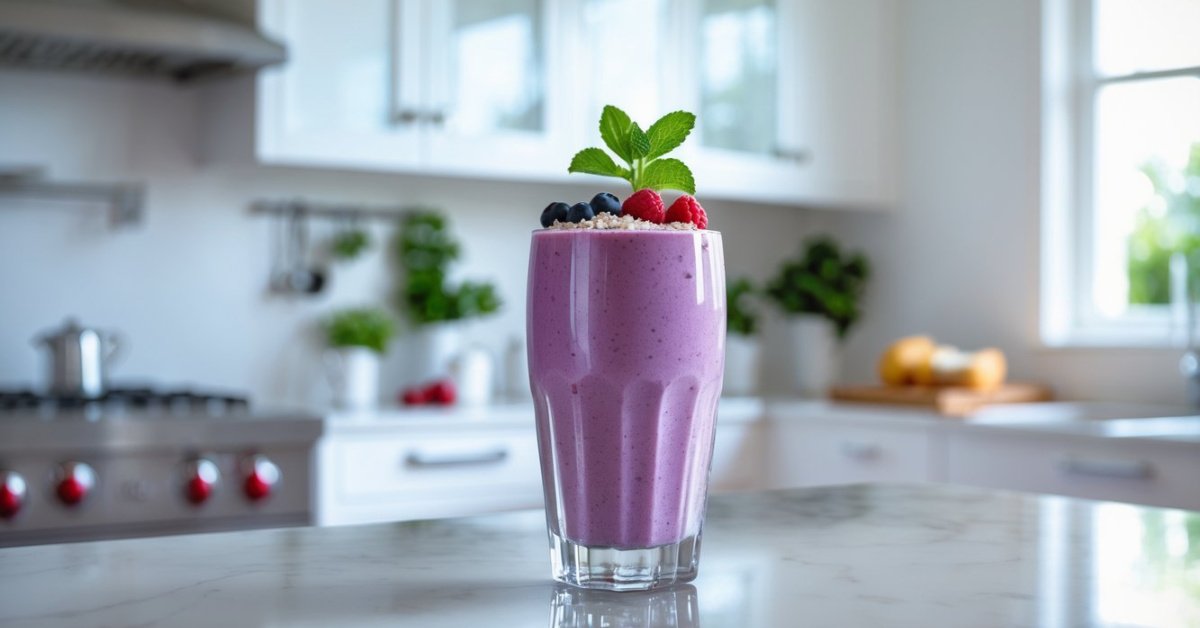
When I blend up a colorful shake packed with fruits and veggies I know I’m doing something good for my body. But what really makes these shakes so special? It’s the antioxidants hiding in every sip that catch my attention.
I’ve always been fascinated by how these powerful compounds help protect our cells from damage. Antioxidants aren’t just a buzzword—they might play a key role in supporting our bodies against cancer. So when I toss berries spinach or even a little green tea into my blender I’m not just making a tasty treat—I’m giving my body a natural boost in the fight for better health.
Understanding Antioxidants and Their Importance
Antioxidants protect cells by neutralizing unstable molecules called free radicals. Free radicals form naturally during metabolism, stress, and exposure to environmental toxins—like air pollution, cigarette smoke, or UV rays. High levels of free radicals raise the risk for oxidative stress, which research links to cellular damage and cancer development (Source: National Cancer Institute).
Plenty of antioxidants exist in colorful produce. Berries pack vitamin C and anthocyanins. Spinach and kale bring lutein and beta-carotene. Green tea provides EGCG (epigallocatechin gallate), a potent antioxidant compound. I blend these in many of my shakes because nutrient-rich fruits and vegetables target oxidative stress from several angles. Choosing a range delivers a balance of both water-soluble (vitamin C) and fat-soluble (vitamin E, beta-carotene) antioxidants, supporting overall cell health.
Freshness matters. Using ripe, high-quality ingredients means a higher antioxidant content in every smoothie or shake. My shop sources produce locally when possible. I see both taste and nutrition improve when I select the best possible fruits and vegetables. Blending them fresh and quickly helps maintain their natural antioxidant benefits.
Including antioxidant-rich ingredients in homemade shakes brings natural variety and color, making it easy to support your health goals while enjoying bold flavors.
How Antioxidants Work Against Cancer
Antioxidants help stop cancer-related cell damage by blocking unstable free radicals. My shakes use ingredients full of these compounds to give each blend a powerful burst of protection, flavor, and nutrition.
Mechanisms of Action
Antioxidants act at the cellular level by neutralizing free radicals before these can harm DNA, proteins, or cell membranes. This action lowers oxidative stress, which links to cell mutations involved in cancer development. For example, compounds like vitamin C from berries and EGCG from green tea in my shakes decrease the activity of enzymes that trigger inflammation and support repair systems that maintain cell health.
Key Studies and Evidence
Research proves the benefits of antioxidant-rich diets for lowering cancer risk. A 2014 meta-analysis in the journal Nutrients reviewed 87 studies, finding high fruit and vegetable intake relates to reduced cancer incidence. Flavonoids in berries, carotenoids in kale, and polyphenols in green tea, all common shake ingredients at my shop, show significant anti-cancer effects in lab and population studies. The American Institute for Cancer Research states that a variety of plant-derived antioxidants improves cell defense when included consistently in the diet.
Common Antioxidants Used in Anti-Cancer Shakes
Every day in my smoothie shop, guests ask which antioxidants I blend most often into shakes for health and flavor. I always reach for fresh, nutrient-rich sources to boost both taste and anti-cancer benefits in every cup.
Vitamins and Minerals
I rely on key vitamins and minerals with antioxidant properties in my anti-cancer shakes.
- Vitamin C: I use strawberries, oranges, and kiwi for this water-soluble vitamin. Vitamin C supports immune defense and neutralizes several types of free radicals (NIH).
- Vitamin E: Almonds and avocado bring vitamin E, which helps protect cell membranes from oxidative damage.
- Selenium: I sometimes add a Brazil nut for selenium, since this mineral supports antioxidant enzyme functions based on USDA data.
- Zinc: Pumpkin seeds and spinach supply zinc, which plays a role in antioxidant immunity and cell repair.
Phytochemicals and Plant Compounds
Whole fruits and leafy greens provide powerful plant-based antioxidants.
- Flavonoids: Blueberries, blackberries, cherries, and cacao nibs supply flavonoids, which multiple studies link with reduced cancer risk through free radical scavenging.
- Carotenoids: I add carrots, mangoes, and kale for beta-carotene, lutein, and zeaxanthin. These compounds support eye health and regulate cell growth.
- Polyphenols: Green tea and pomegranate seeds offer polyphenols, especially EGCG, known for strong anti-cancer properties in cell studies.
- Anthocyanins: Berries, especially blueberries and black raspberries, give shakes deep color and high levels of anthocyanins, which help reduce oxidative stress.
Each of these antioxidants connects back to creating layered flavors, vibrant colors, and better health impact—goals I chase with every smoothie and shake I prepare.
Crafting Effective Anti-Cancer Shakes
Creating anti-cancer shakes at home starts with quality and intention. I choose each ingredient for its antioxidant profile and taste, making sure every shake is both potent and delicious.
Recommended Ingredients
- Berries
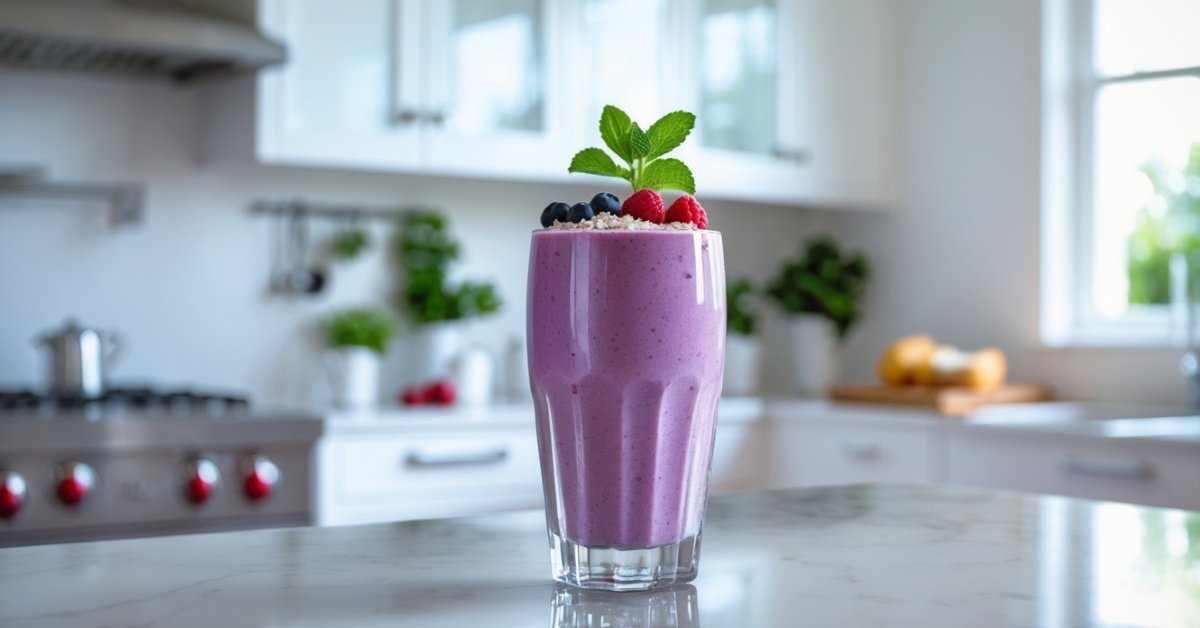
I add blueberries, strawberries, and raspberries for their vitamin C, anthocyanins, and rich flavors.
- Leafy Greens
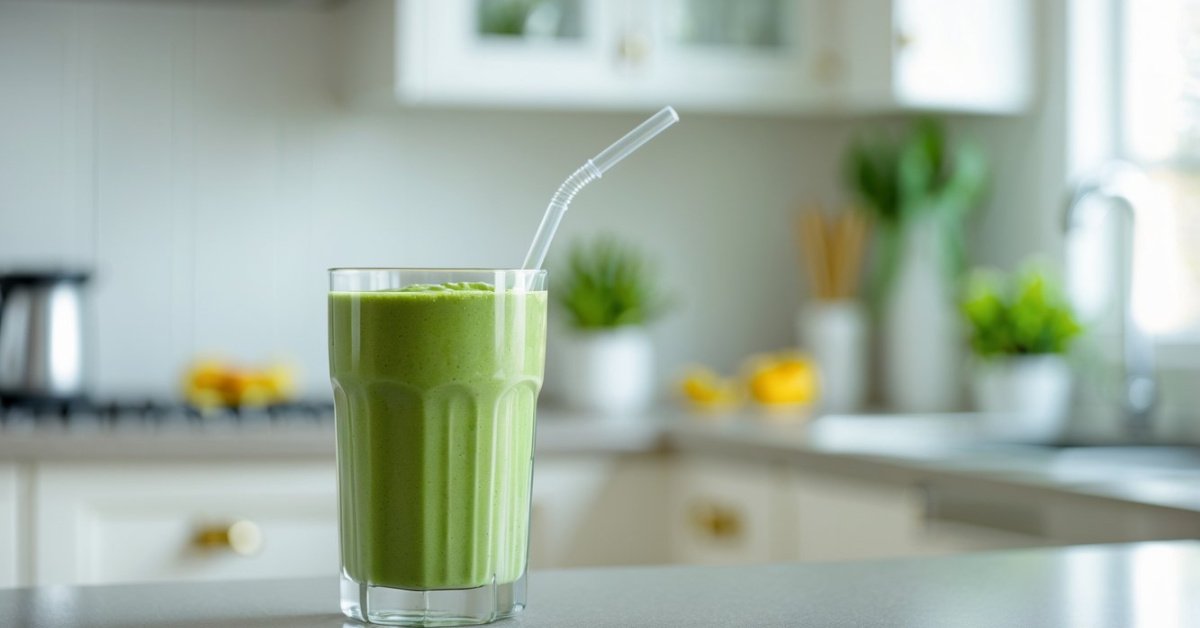
I blend kale, spinach, and Swiss chard, which bring in lutein, beta-carotene, and a mild earthy note.
- Citrus Fruits
I use oranges and lemons for vitamin C and extra brightness.
- Seeds and Nuts
I include chia seeds, pumpkin seeds, and a handful of Brazil nuts for selenium, zinc, and omega-3s.
- Green Tea
I pour in cooled green tea or matcha powder for a boost of EGCG polyphenols.
- Colorful Vegetables
I like adding carrots and beets, which supply carotenoids and other powerful phytochemicals.
- Healthy Fats
I blend in avocado or almond butter to help absorb fat-soluble antioxidants and give shakes a creamy texture.
Tips for Maximizing Antioxidant Power
- Choose Fresh, Ripe Produce
I select fresh and fully ripe fruits and veggies, as they contain the highest antioxidant levels (USDA, 2018).
- Use the Whole Ingredient
I keep seeds, skins, and pulp where possible—for example, adding whole berries—since antioxidants concentrate in those parts.
- Limit Air Exposure
I prepare my ingredients right before blending because chopping fruits long before use can degrade antioxidants through oxidation.
- Combine a Variety of Colors
I create vibrant blends, since the mix of pigments from different plants adds a broader spectrum of antioxidants.
- Add a Splash of Citrus
I squeeze in lemon or lime, which helps preserve polyphenols and keeps flavors bright.
- Avoid Excess Sugar
I skip refined sugars or juice bases, as they can mask the benefits of antioxidant-rich, whole ingredients.
- Store Properly
I refrigerate leftovers in airtight, opaque containers so antioxidants stay potent for up to 24 hours.
| Ingredient | Key Antioxidants | Example Shake Use |
|---|---|---|
| Blueberries | Vitamin C, Anthocyanins | Mixed berry green shake |
| Kale | Lutein, Beta-carotene | Kale citrus blend |
| Pumpkin seeds | Zinc, Vitamin E | Nutty spinach shake |
| Avocado | Vitamin E, Healthy fats | Creamy mango-avocado smoothie |
| Green tea | EGCG, Polyphenols | Matcha banana shake |
Potential Limitations and Considerations
Blending anti-cancer shakes with antioxidant-rich ingredients delivers great taste and nutrition if I keep a few key points in mind.
- Bioavailability variation: My shakes’ antioxidant absorption depends on each ingredient’s unique structure. For example, fat-soluble antioxidants like vitamin E from avocados or nuts absorb better with a small amount of healthy fat, while water-soluble ones like vitamin C from oranges or strawberries absorb well without added fats.
- Heat and oxygen sensitivity: Some antioxidants degrade quickly once exposed to heat or air. For instance, vitamin C depletes faster if I blend and leave the shake exposed, so I drink them fresh or store in airtight containers for short periods.
- Individual health differences: Antioxidant benefits from these shakes vary based on personal genetics, overall diet, and health status. Some people—like those with specific medical conditions—might not respond the same as most, according to sources like the National Institutes of Health.
- Sugar considerations: Natural sugar content in fruits like bananas, mangoes, and dates increases total sugar load in shakes if I include large quantities. For those monitoring blood sugar or caloric intake, I balance high-sugar fruits with greens or add-ins like chia seeds.
- Limited protective effect: While high-antioxidant shakes contribute to cancer-preventive eating patterns, no single shake guarantees full protection. Broad research, such as the 2014 meta-analysis in the International Journal of Cancer, links varied fruit and vegetable intake with lower cancer risk but doesn’t isolate shakes as a sole factor.
- Potential nutrient loss in processing: Commercially processed smoothie ingredients or frozen produce might lose certain antioxidants during processing and storage. When possible, I choose whole, minimally processed, or fresh options to maximize nutrient content.
I weigh these factors every time I create anti-cancer shakes in my smoothie shop to consistently offer both delicious and health-focused drinks to anyone seeking a natural nutrition boost.
Conclusion
Creating anti-cancer shakes has become one of my favorite ways to blend both flavor and wellness into my daily routine. I love knowing that each colorful glass is packed with powerful antioxidants that support my body’s natural defenses.
While no single shake can guarantee protection against cancer, I find joy in choosing fresh ingredients and experimenting with new combinations. It’s a simple way for me to nurture my health and share vibrant, delicious drinks with others.