When I’m looking for a way to lighten up my smoothies without sacrificing flavor or nutrition, celery always comes to mind. It’s crisp, refreshing, and surprisingly versatile—plus it blends right in with all sorts of fruits and veggies. I love how just a few stalks can make a smoothie feel more hydrating and satisfying, all while keeping the calorie count low.
Celery’s subtle taste means it never overpowers the other ingredients, and its high water content adds a cool, clean texture. I’ve found that it pairs especially well with citrus or apple, giving my smoothies a fresh twist. If you’re curious about making your drinks lighter and more nutritious, celery might just become your new favorite secret ingredient.
Understanding the Nutritional Profile of Celery
I use celery often in my smoothie shop because it’s packed with nutrients yet brings almost no extra calories to a blend. Knowing what celery contains helps me choose it as a base for nutritious, low-calorie drinks.
Key Vitamins and Minerals
Celery provides essential vitamins and minerals in every stalk. It contains vitamin K, which supports bone health, and vitamin C, which boosts immunity. I also get small amounts of vitamin A and folate, both key for cell health. For minerals, celery offers potassium, an electrolyte that helps maintain hydration, and small amounts of calcium and magnesium, which support muscle function. Compared to leafy greens like spinach or kale, celery offers less iron, but I pair it with iron-rich ingredients like berries or chia seeds to round out the nutritional profile.
Caloric Value of Celery
Celery brings very few calories to smoothies, which is why I recommend it for low-calorie blends. One large stalk (about 40 grams) contains about 6 calories, according to the USDA. Its high water content—roughly 95% by weight—makes it a hydrating addition without increasing total calories. Even if I use several stalks in a smoothie, the calorie count stays under 20, keeping drinks light and easy to adapt for various dietary goals.
Benefits of Using Celery in Low-Calorie Smoothies
Using celery in low-calorie smoothies delivers a crisp flavor and natural nutrition without extra calories. I’ve found that its unique texture and subtle taste make every blend more refreshing.
Supporting Weight Loss Goals
Including celery in smoothies helps support weight loss goals because it’s incredibly low in calories—one large stalk contains about 6 calories, according to the USDA FoodData Central database. Adding celery to blends lets me create satisfying, nutrient-dense drinks that fill up without loading on energy-dense ingredients. Customers looking for lighter options often ask for celery paired with apple, pear, or leafy greens to boost volume. I always suggest it for those seeking a thick smoothie base that doesn’t rely on bananas or yogurts.
Promoting Hydration and Digestion
Adding celery enhances hydration and digestion due to its high water content—95% of celery is water, based on USDA data. I rely on celery to boost the liquid base of smoothies without watering down flavor. Its fiber (about 1.6 grams per cup, chopped) aids digestion, helping to keep blends smooth and consistent. Many customers enjoy the mild, crisp texture that celery contributes, especially in combos with cucumber, citrus, or ginger for a hydrating smoothie they can enjoy after workouts or on hot days.
Best Celery Smoothie Combinations
I find that celery combines effortlessly with a range of produce, giving low-calorie smoothies extra crunch and hydration. Pairing celery with bright fruits or layered greens helps create balanced, vibrant flavors in every glass.
Green Smoothie Recipes
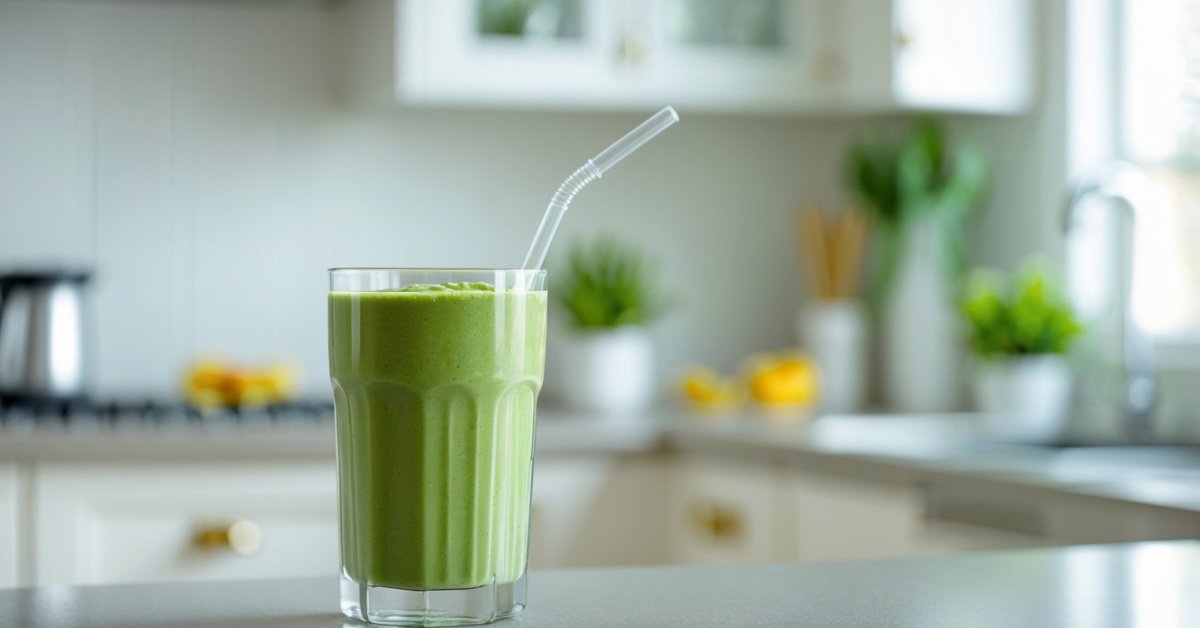
I often create green smoothies built around celery, spinach, kale, or cucumber for a nutrient-rich, clean base. Examples from my shop include:
- Celery-spinach-apple with a squeeze of lemon enhances green color and keeps calories under 120 per 12oz serving.
- Celery-kale-cucumber with a dash of lime offers a crisp, mild flavor, adding vitamins A, K, and C without extra sugar.
- Celery-leafy greens-mint delivers a cooling finish, with up to 15g of fiber per recipe, ideal after workouts.
Fruity Celery Blends
I always see the best results when I combine celery with sweet, low-sugar fruits. Customer favorites feature:
- Celery-green apple-pineapple leverages the sweetness and tartness for a refreshing, low-cal blend.
- Celery-pear-orange gives a smooth, juicy texture with nearly 200% RDA of vitamin C per serving.
- Celery-kiwi-ginger adds a hint of spice, supporting digestion and energy, especially popular during summer.
These combinations highlight why celery works so well in homemade smoothies, letting me prioritize flavor and nutrition for every customer.
Tips for Incorporating Celery Into Smoothies
Celery blends easily into homemade smoothies when prepared correctly and paired with compatible ingredients. I’ve tested hundreds of celery blends at my smoothie shop and refined methods that keep the flavor light and the texture smooth.
Preparing Celery for Blending
I always select crisp, fresh celery stalks free from wilting or browning. Washing celery thoroughly removes any dirt or pesticide residue. I chop stalks into small, 1-inch pieces, which blend more uniformly and reduce stringy texture. For extra-smooth results, I peel tough outer strings with a vegetable peeler before adding celery to the blender. This step especially helps in high-fiber recipes, like green smoothies with kale or spinach.
Balancing Flavors and Textures
I balance celery’s subtle flavor by pairing it with sweet fruits and juicy vegetables. Apples, pears, pineapples, and oranges all complement celery and boost natural sweetness. To prevent an overly watery texture, I use less liquid than usual and add a handful of frozen fruit or leafy greens for thickness. A squeeze of lemon or a slice of ginger brightens the overall taste, especially in post-workout blends or hydrating summer smoothies. For best results, I keep the celery ratio to about ¼ of the total ingredients by volume—this keeps blends light, refreshing, and not overpowering.
Potential Drawbacks and Considerations
Using celery in low-calorie smoothies brings great nutritional benefits, but it’s important to consider potential challenges with allergies, sensitivities, and personal preferences around taste and texture.
Allergies and Sensitivities
Some customers experience allergic reactions to celery, especially those with pollen allergies or oral allergy syndrome (OAS). Symptoms include itching or swelling in the mouth, lips, or throat after drinking a smoothie with celery. If you notice tingling or mild discomfort after drinking a celery blend, I always recommend pausing use and checking with a medical professional, especially if you experience allergy symptoms with other raw veggies. For people with known celery allergies, I never blend it into their smoothies and suggest alternatives such as cucumber or zucchini for a similar crisp effect.
Texture and Taste Issues
Celery in smoothies changes both texture and flavor. Its fibrous strands can create a stringy or gritty texture if not prepared correctly. In my shop, I chop celery finely and sometimes peel the outer strings before blending, especially in high-fiber recipes. Even then, with basic home blenders (less than 1000 watts), some fiber can remain, so I advise straining blends through a fine mesh or cheesecloth for a smoother finish. Celery’s flavor is subtle but earthy—some customers love its crisp freshness, while others find it slightly bitter, especially when not balanced with sweet fruits like apple or pineapple. If you’re new to using celery, I suggest starting with a small amount (1/4 of your total ingredients) and adjusting based on your taste preference and texture tolerance.
Conclusion
Celery’s unique qualities make it a standout ingredient in my low-calorie smoothie routine. I love how it brings a refreshing crunch and blends so well with both fruits and greens. With just a little prep and the right pairings it’s easy to keep smoothies light hydrating and delicious.
If you’re looking to shake up your smoothie game while keeping things healthy celery is a simple way to add flavor and nutrition. I always encourage experimenting with different combinations and letting your taste buds guide you.