I love starting my day with a burst of energy and nothing does the trick quite like a good smoothie. But I’ve learned that it’s not just about the fruits and flavors—it’s about what’s inside that really fuels me. That’s where iron comes in.
Iron might not be the first thing that pops into my mind when I think about smoothies but it plays a huge role in keeping energy levels up. When I add iron-rich ingredients to my morning blend I notice I feel more awake and ready to tackle anything the day throws at me. It’s amazing how a simple tweak can make such a big difference.
Understanding Iron’s Importance in the Diet
Iron supports healthy smoothies because it helps the body make hemoglobin, which brings oxygen to every cell. Without enough iron, people feel tired quickly—even after a good smoothie. Common iron sources include spinach, kale, and pumpkin seeds—ingredients I use daily for both taste and nutrition. Iron boosts natural energy levels, making a smoothie more than just a snack.
Dietary iron comes in two forms: heme and non-heme. Plants like lentils, chickpeas, and leafy greens give non-heme iron, while heme iron mainly comes from animal products. Since most smoothie ingredients are plants, my recipes naturally lean on non-heme iron. I always suggest pairing these ingredients with vitamin C sources like oranges or strawberries to help absorption—this combo helps my customers get the most from every blend.
People often skip iron-rich options when making smoothies at home. By choosing oats, tofu, or chia seeds, anybody can add iron without changing taste or texture. My best-selling smoothies focus on flavor first but always honor nutrition, with iron-packed choices fitting right in. When customers ask for an energy boost, I reach for these key ingredients to blend great taste with real benefits.
The Role of Iron in Energy-Boosting Smoothies
Iron plays a central role in smoothies that aim to increase daily energy. I always focus on both flavor and nutrition, and I’ve seen how iron-rich recipes help my customers feel revitalized.
How Iron Supports Energy Levels
Iron keeps energy high by supporting oxygen delivery in the body. I know iron helps with the production of hemoglobin, a protein in red blood cells that carries oxygen throughout the body, according to the National Institutes of Health (NIH). Without enough iron, fatigue sets in quickly, even after a balanced breakfast smoothie. I always look for signs like lingering tiredness when designing energy-boosting products.
Iron-Rich Ingredients for Smoothies
Smoothies gain a nutritional edge by including select iron-rich ingredients. I often use:
- Leafy Greens: Spinach and kale offer 2–3 mg of iron per cup when raw, giving smoothies both color and nutrients.
- Seeds: Pumpkin seeds and chia seeds boost iron content by roughly 2–4 mg per ounce, as well as add texture.
- Whole Grains: Oats supply non-heme iron and create a creamier texture for shakes.
- Legume Sources: Silken tofu contributes up to 3 mg of iron per ½ cup, making smoothies silky and filling.
- Dried Fruits: Apricots and raisins provide a natural sweetness plus an iron bonus, with about 1–2 mg per serving.
I combine these with vitamin C-rich fruits such as oranges, strawberries, or pineapple to aid iron absorption, following best-practice nutritional guidance from the Academy of Nutrition and Dietetics. When guests want a smoothie that sustains them through the morning, I reach for these ingredients first to ensure a healthy energy boost.
Tips for Enhancing Iron Absorption in Smoothies
Getting the most from iron-rich smoothies depends on the right combinations and mindful prep. I always use ingredient pairings and simple tweaks to help my customers get the full benefit of every blend.
Combining Iron with Vitamin C
Pairing vitamin C sources with plant-based iron makes a huge impact on absorption rates. I often add fresh oranges, strawberries, kiwis, or pineapple to smoothies made with spinach or kale. These fruits boost flavor and multiply iron uptake two- to threefold, as referenced by the NIH¹. Examples include blending spinach with orange segments or mixing chia seeds and kale with sliced strawberries for a vibrant nutrition boost.
Avoiding Iron Blockers
Certain foods and additives limit the body’s ability to absorb non-heme iron. I skip strong black tea, coffee, and excess dairy in my smoothie recipes since tannins and calcium interfere with absorption. If including oats, I soak them first to reduce phytate levels, which also helps. By using water or non-dairy milks and focusing on fruit-based mixes, I ensure each smoothie supports healthy iron levels and delivers steady, natural energy.
Sample Iron-Rich Smoothie Recipes
I use iron-rich smoothie recipes in my shop to boost energy, improve focus, and keep my customers feeling fueled. Below I’ve listed three favorites that blend iron-dense ingredients and bright flavors for delicious results.
1. Spinach Citrus Energy Shake
I blend 2 cups fresh spinach, 1 small frozen banana, 1/2 cup orange segments, 1/4 cup oats (soaked overnight), 1 tablespoon chia seeds, and 1 cup unsweetened almond milk. Citrus helps increase iron uptake from the spinach, oats, and chia. I top with a sprinkle of pumpkin seeds for crunch.
2. Green Powerhouse Smoothie
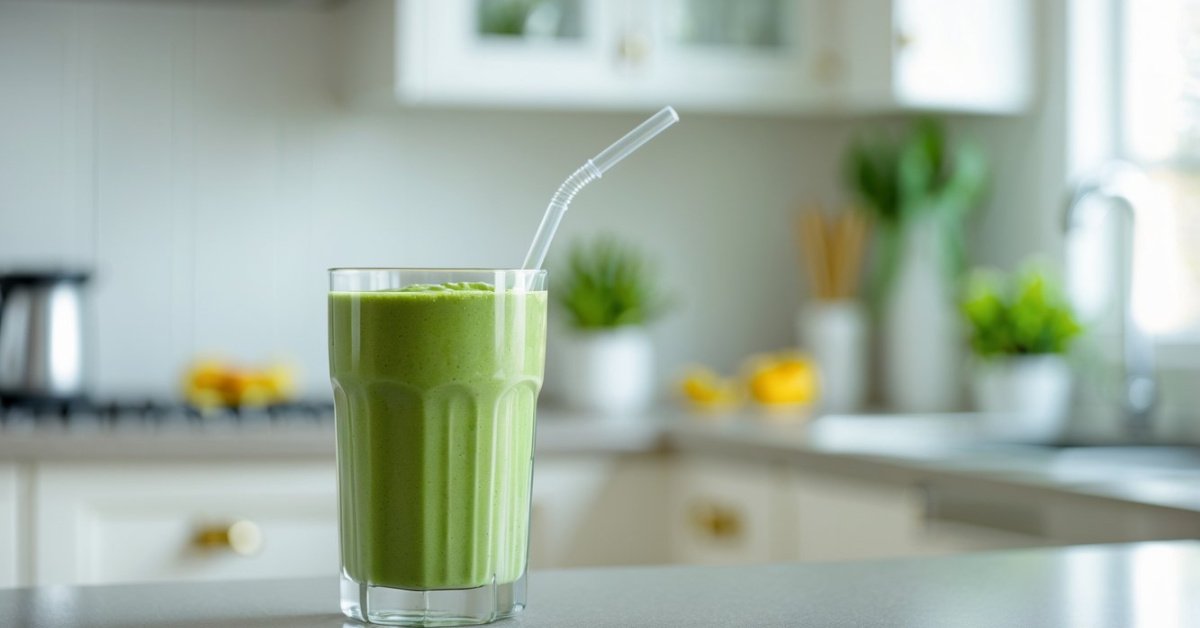
I use 1 cup kale, 1/2 small avocado, 1 kiwi (peeled), 1/2 cup frozen pineapple, 1/2 cup silken tofu, and 1 cup coconut water. Tofu and kale provide plant-based iron, while kiwi and pineapple add vitamin C for improved absorption. I blend until creamy and pour over ice.
3. Chocolate Apricot Protein Shake
I mix 1 frozen banana, 1 cup oat milk, 2 tablespoons cocoa powder, 1/4 cup chopped dried apricots, 1 tablespoon pumpkin seeds, and 1 scoop plant-based protein powder. Oat milk, apricots, and pumpkin seeds deliver non-heme iron, while banana lends sweetness and texture.
| Recipe Name | Iron-Dense Ingredients | Vitamin C Sources |
|---|---|---|
| Spinach Citrus Energy Shake | Spinach, oats, chia, pumpkin seeds | Orange |
| Green Powerhouse Smoothie | Kale, tofu | Kiwi, pineapple |
| Chocolate Apricot Protein Shake | Oat milk, apricot, pumpkin seeds | Banana (small amount) |
Experimenting with iron-rich and vitamin C combinations lets me create smoothies that not only taste great but also support energy and well-being for all customers looking to make personalized blends at home.
Potential Risks and Considerations
Adding iron-rich ingredients to smoothies supports energy, but certain factors require attention for safety and effectiveness.
- Iron Overload Risk
Consuming high levels of iron from fortified foods or supplements increases the risk of iron overload, especially for people with hereditary hemochromatosis or related conditions, according to the National Institutes of Health. I always use whole, plant-based sources in my shop and avoid excess fortification to keep iron intake balanced.
- Absorption Blockers
Pairing iron sources with black tea, coffee, or large amounts of dairy reduces non-heme iron absorption, as shown in research from Harvard T.H. Chan School of Public Health. I recommend prepping smoothies with water or non-dairy milks and avoiding tea or coffee around smoothie time.
- Digestive Sensitivity
Certain iron-rich smoothie ingredients, such as kale, spinach, or dried fruits, cause mild digestive upset for some people. I suggest starting with smaller portions and monitoring how your body responds. I offer substitutions or adjustments in my recipes for customers with sensitivities.
- Allergy Considerations
Some iron sources like oats, tofu, nuts, or seeds trigger allergic reactions in susceptible individuals. I keep alternative options available, such as sunflower seeds or gluten-free grains, and encourage careful label checks when making smoothies at home.
- Medication Interactions
High iron intake interferes with some medications, including antibiotics and thyroid treatments, which the Mayo Clinic confirms. I advise checking with a healthcare provider before significantly increasing dietary iron, particularly if you’re managing health conditions or taking prescription medications.
Smart ingredient selection and monitoring portion size allow anyone to enjoy energy-boosting smoothies at home while minimizing potential risks.
Conclusion
I’ve found that paying attention to iron in my smoothies has made a real difference in how I feel every morning. By experimenting with different iron-rich ingredients and mindful pairings I’ve been able to create blends that taste great and support my energy all day long.
It’s always exciting to discover new combinations that work for my body and my taste buds. If you’re curious about boosting your own energy through smoothies a few simple tweaks can go a long way. Just remember to listen to your body and enjoy the process of finding what works best for you.