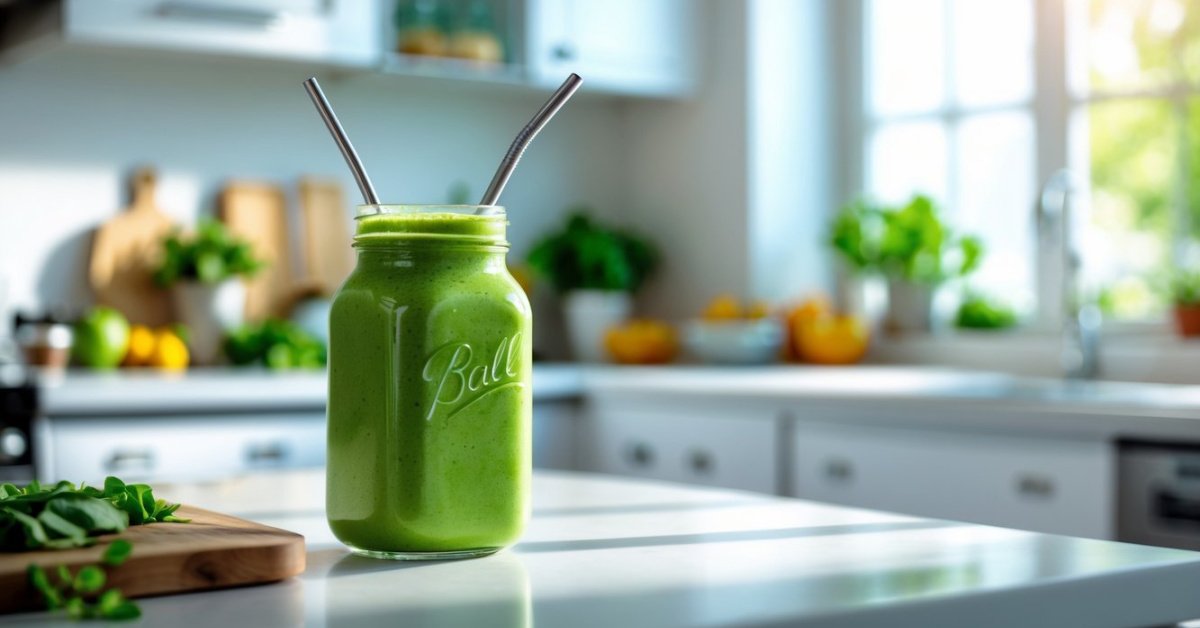
I love starting my day with a vibrant smoothie. It’s an easy way to pack in fruits and veggies but lately I’ve discovered a secret ingredient that takes my blends to the next level—fresh herbs. Just a handful of basil mint or cilantro can transform a basic smoothie into something bright refreshing and surprisingly nutritious.
I never realized how much flavor and goodness I was missing until I started experimenting with herbs in my morning routine. They add a fresh twist and give my body a boost with extra vitamins and antioxidants. If you’re looking to shake up your smoothie game and get more from every sip you’ll want to give fresh herbs a try.
Benefits of Using Fresh Herbs for Smoothie Nutrition
Fresh herbs add concentrated nutrients that boost the nutritional profile of smoothies. Basil, parsley, and cilantro deliver vitamin K—one tablespoon of fresh basil contains 12% of the daily value, based on USDA FoodData Central. Mint provides antioxidants like rosmarinic acid and polyphenols that help neutralize free radicals.
Herbs enhance flavor naturally, reducing the need for added sugars or syrups. Mint, basil, and tarragon give brightness and balance to fruit-forward or green smoothies, making each blend more enjoyable. I find that these ingredients satisfy customers who are looking for lighter and cleaner-tasting options at my shop.
Adding fresh herbs supports digestion, especially when using mint or ginger. These herbs promote smoother digestion after drinking thick, fibrous smoothies. I’ve noticed guests with sensitive stomachs appreciate herbal blends, as they leave them feeling refreshed.
Many fresh herbs add anti-inflammatory compounds to smoothies—parsley, cilantro, and basil contain flavonoids and essential oils that help reduce inflammation when eaten regularly. For customers concerned about chronic health, this inclusion gives extra value with minimal effort.
Buying or growing fresh herbs at home allows flexible customization for every smoothie batch. I rotate between mint, basil, parsley, and cilantro to match seasonal ingredients and nutrition needs. Freshness maximizes nutritional gain, and using herbs at peak potency brings out their natural health benefits.
Popular Fresh Herbs to Add to Smoothies
Fresh herbs add distinctive layers of nutrition and taste to homemade smoothies. I use several common options in my shop whenever I want vibrant flavors and added health benefits without extra calories.
Basil
Basil works in smoothies for a soft, sweet, slightly peppery boost. I blend basil leaves into berry or pineapple mixes for extra vitamin K and natural antioxidants. Italian basil and Thai basil both enhance green smoothies, fruit blends, and even chocolate shakes.
Mint
Mint gives smoothies a clean, cooling note that helps digestion and freshens breath. I pair peppermint or spearmint with chocolate, watermelon, or cucumber blends. Each handful of mint adds folate, iron, and a bright aroma that brings out natural fruit flavors.
Parsley
Parsley brightens green smoothies with a crisp, mildly bitter element and boosts vitamin C, vitamin A, and iron content. I use flat-leaf parsley in tropical or citrus-based shakes—one quarter cup creates a perfect herbal foundation.
Cilantro
Cilantro delivers tangy, citrusy undertones that cut through rich greens or creamy tropical shakes. I combine cilantro with mango, pineapple, or lime, giving each smoothie an immune-boosting twist. Clients who want detoxifying properties or heavy metal support often request cilantro in blends.
Other Herbs to Consider
I rotate other fresh herbs when looking for new flavors or specific nutrients.
- Lemongrass for lemony brightness in tropical or green smoothies
- Rosemary for subtle depth in berry or apple blends
- Thyme for savory complexity in berry or pear shakes
- Dill for a fresh, slightly tangy finish in cucumber-based drinks
Herbs expand what’s possible in smoothie nutrition, letting me craft creative, health-forward blends every day.
How to Prepare and Use Fresh Herbs in Smoothies
Fresh herbs level up any smoothie when used right. I always focus on clean prep and clever blending to highlight both flavor and nutrition in every cup.
Washing and Storing Herbs
I wash herbs like basil, mint, or cilantro under cold running water to remove soil or residue. I pat them dry with a clean towel or use a salad spinner for faster drying. Dry herbs blend better and don’t add extra water to smoothies.
For storage, I wrap washed herbs in a damp paper towel and place them inside a plastic bag or airtight container. I refrigerate them, where most herbs stay crisp and fresh for up to 5 days. When I need extra-long storage, I freeze clean, dry leaves in ice cube trays with filtered water—perfect for blending straight from the freezer.
Blending Techniques for Optimal Flavor
I chop herbs before blending to release essential oils and ensure an even texture. For leafy herbs like mint or parsley, 1–2 tablespoons per smoothie give both flavor and nutrition without overpowering the drink. I blend herbs with liquid ingredients like coconut water, almond milk, or juice first to break down fibers, then add fruits, veggies, and ice.
I use tender stems for herbs like cilantro or parsley, blending them for extra fiber and flavor. For tough stems or woody varieties like rosemary or thyme, I strip the leaves and discard the stems to avoid bitterness. I blend in pulses for green flecks in berry smoothies or use longer cycles for fully green drinks. If I want intense herbal flavor, I muddle or mash fresh leaves before adding them to the blender for maximum infusion.
Delicious Herb-Infused Smoothie Recipes
I create every herb-infused smoothie in my shop to highlight nutrition and fresh flavors. Below, I share some of my favorite blends that bring out the best in fresh, healthy ingredients.
Green Herb Smoothie
I blend leafy greens with herbs like parsley and basil for a vibrant nutrient boost. My standard recipe uses 1 cup fresh spinach, ½ cup chopped cucumber, 1 small green apple, ¼ cup parsley leaves, 4 fresh basil leaves, 1 tablespoon lemon juice, and 1 cup coconut water. I chop the herbs before adding them, so they blend smoothly and evenly. This combination delivers vitamin K, vitamin C, and minerals while basil and parsley provide a bright, clean flavor. My customers often request this smoothie for its crisp taste and gentle detox support.
Citrus Mint Smoothie
I pair mint with citrus for a refreshing, energizing blend. My recipe includes 1 orange, ½ grapefruit, 2 tablespoons fresh mint leaves, ½ cup frozen mango, and 1 cup coconut water. I start by muddling mint leaves at the bottom of the blender for fuller aromatic release. The sweet citrus and mint combination boosts vitamin C content and supports digestion. Many guests enjoy this smoothie after workouts or on warm days because it feels cooling and hydrating without added sugars.
Each of these recipes relies on properly handled fresh herbs to deliver maximum nutrition, taste, and balance.
Tips for Maximizing Nutritional Value
Select peak-fresh herbs
I always use recently picked herbs since nutrient content drops the longer they’re stored. I keep basil, mint, and parsley from local growers or from my shop’s garden to guarantee vibrant flavor and vitamins.
Use a balanced herb-to-fruit ratio
I typically use 1/4 cup of fresh herbs for every 1 cup of fruit. This blend gives each smoothie distinct taste and nutrition without overpowering the main flavors.
Pair herbs with vitamin-rich produce
I combine vitamin-packed herbs like parsley with iron-rich leaves or citrus. For example, parsley with spinach and orange can enhance iron and vitamin C absorption.
Rotate herb varieties
I rotate basil, mint, cilantro, and thyme across the week since each herb offers unique antioxidants and phytochemicals. This routine keeps my smoothies interesting and nutrient-dense.
Blend at low speeds first
I blend herbs at a low speed for 20 seconds before ramping up, so cell walls break gently and nutrients stay protected from heat friction.
Store leftovers for short periods
I refrigerate any leftover smoothie in a sealed glass jar for no longer than 24 hours, since nutrients break down quickly with exposure to air and light.
Choose organic when possible
I prefer organic herbs like mint or thyme for smoothies because they have higher antioxidant counts than conventionally grown options, according to USDA studies from 2023.
Table: Nutritional Boosts by Herb Type
| Herb | Notable Nutrient | Example Smoothie Pairing | Absorption Tip |
|---|---|---|---|
| Basil | Vitamin K | Basil + kiwi + pineapple | Pair with vitamin C for synergy |
| Mint | Antioxidants | Mint + mango + lime | Blend gently to retain aroma |
| Parsley | Vitamin C, iron | Parsley + spinach + pear | Add citrus for iron absorption |
| Cilantro | Quercetin, vitamin A | Cilantro + apple + lime | Rotate with parsley for variety |
| Thyme | Thymol, vitamin C | Thyme + berry + banana | Use sparingly for potent flavor |
These techniques let me bring out the best in each smoothie batch, offering my customers robust flavors with a full spectrum of nutrients.
Common Mistakes to Avoid
- Overusing strong herbs
I’ve seen many home smoothie-makers use too much basil or rosemary, which can overpower mild fruits like banana or mango. I keep herb amounts measured—1 to 2 tablespoons per serving—so flavors stay balanced.
- Skipping herb prep
I always wash and dry herbs thoroughly and remove woody stems, since grit or tough textures can ruin a smoothie’s consistency. Blending dirty or whole-stemmed herbs leads to bitter, fibrous drinks.
- Ignoring produce freshness
I only use super-fresh herbs because wilted leaves lose both nutrition and flavor. I check color—bright green means rich nutrients stay present.
- Overcomplicating combinations
I always pick one or two herbs per smoothie. Mixing five or more, like parsley, mint, basil, cilantro, and dill, makes flavors clash and nutrition profiles hard to target.
- Forgetting to adjust sweeteners
I notice some herbs, such as mint or parsley, reduce the need for extra honey or syrups. I taste and add sweetener last, since many herbs naturally brighten the drink.
- Using herbs past their prime
I avoid slimy, yellowing leaves because they signal nutrient loss and off-flavors. I compost failed herbs and grab new ones—fresh, vibrant greens pack much more value.
- Blending on high from the start
I always start on a low speed to protect tender herb leaves, then pulse briefly at the end. Using only high speed creates froth, heats up the smoothie, and destroys delicate vitamins.
- Neglecting storage time
I avoid leaving herb-rich smoothies out for hours. After 24 hours, even in cold glass jars, vitamin C and antioxidants degrade and flavor drops off sharply. I make small batches for maximum benefit.
Each of these tips comes directly from years running my smoothie shop, where quality, nutrition, and taste make all the difference.
Conclusion
Bringing fresh herbs into my smoothie routine has truly changed the way I think about breakfast and nutrition. There’s so much room to play with flavors and nutrients just by tossing in a handful of basil or mint.
If you’re looking to get more out of your daily smoothies give herbs a try. You might be surprised by how much brighter and more exciting your blends can taste. Plus you’ll get a healthy boost with every sip.