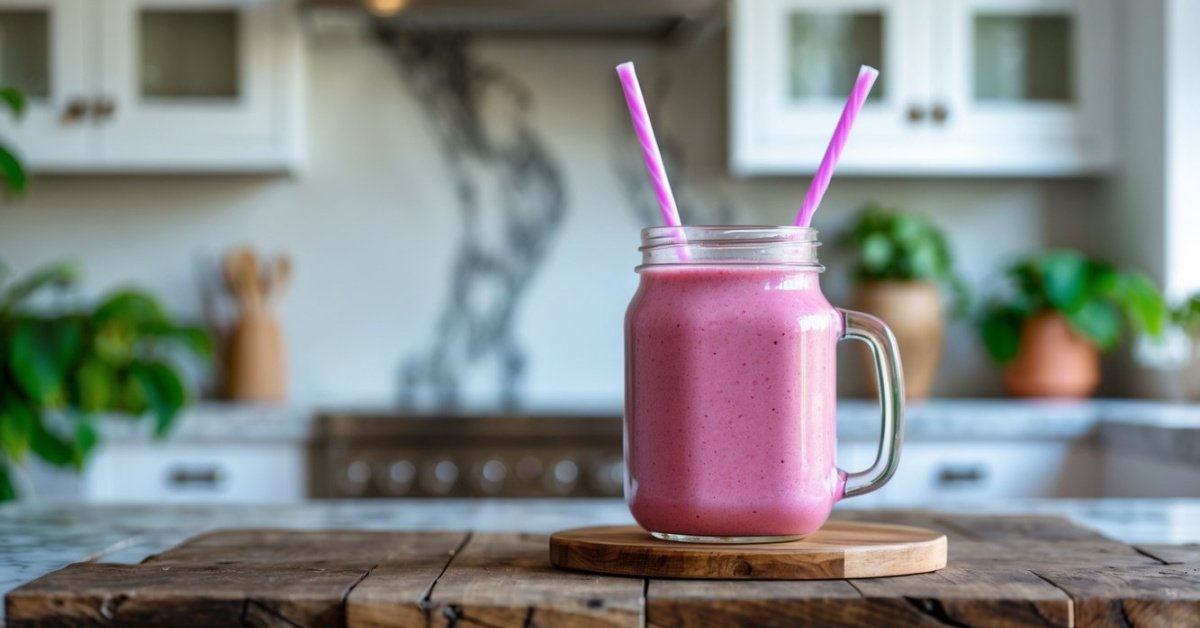
I’ve always loved experimenting with new ways to make my smoothies more exciting and refreshing. Swapping out the usual milk or juice for tea opened up a whole new world of flavors and health benefits I never expected. It’s such a simple change but it makes every sip feel lighter and a bit more special.
Using tea as a smoothie base lets me play with endless combinations—from fruity green teas to cozy chai blends. It’s a great way to sneak in extra antioxidants and cut down on sugar without sacrificing taste. If you’re curious about taking your smoothie game up a notch, starting with tea might be just the twist you need.
Benefits of Using Tea as a Smoothie Base
Tea brings unique advantages as a smoothie base compared to milk or juice. I’ve seen these benefits firsthand in my shop and my own kitchen.
- Enhanced Antioxidants
Green tea, white tea, and black tea add natural antioxidants like catechins and polyphenols. These compounds help reduce oxidative stress, with matcha green tea offering up to 137 times more antioxidants than regular green tea (Weiss et al., 2003).
- Reduced Added Sugar
Using unsweetened tea instead of juice lowers the total sugar content. For example, swapping orange juice for brewed white tea cuts about 20g of sugar from a standard 12 oz smoothie.
- Fewer Calories
Plain brewed teas like hibiscus, chamomile, and black tea contain fewer than 5 calories per cup, compared to 110 calories in an equivalent amount of apple juice.
- Flavor Flexibility
Teas like chai, earl grey, and rooibos let me control sweetness and aromatics without relying on syrups or added sugars. This works especially well with fruits like mango or pineapple.
- Customizable Caffeine
I manage caffeine levels by choosing specific teas. Using black tea boosts energy, while herbal tea keeps smoothies caffeine-free for kids or late-night blends.
- Added Functional Benefits
Herbal teas deliver additional functional properties. For instance, ginger tea supports digestion, peppermint tea can soothe, and chamomile tea relaxes.
| Tea Type | Antioxidant Level | Calories (per cup) | Typical Sugar (unsweetened) | Caffeine Content (approx.) |
|---|---|---|---|---|
| Green Tea | High | 2 | 0g | 30–50mg |
| Black Tea | Moderate | 2 | 0g | 40–70mg |
| Herbal Tea | Varies | 0–3 | 0g | 0mg |
| White Tea | High | 2 | 0g | 15–30mg |
| Flavored Tea | Varies | 2–10 | 0–2g | Varies |
Using tea as a smoothie base lets me pack more nutrition and flavor into every blend. My customers notice the difference, especially when they want a lighter, more vibrant smoothie that highlights quality ingredients.
Choosing the Right Tea for Smoothies
Selecting the best tea lays the foundation for a flavorful, well-balanced smoothie. I always match the tea base to both the fruit and the purpose—whether I’m boosting antioxidants, dialing up energy, or creating a calming treat.
Types of Tea to Consider
Green tea delivers a grassy, refreshing taste and pairs perfectly with tropical fruits like pineapple or mango. Black tea brings robust notes that stand up to bold flavors such as berries, apples, or cocoa; I often use Darjeeling or Earl Grey when I want extra aroma. Herbal teas, including rooibos, peppermint, and chamomile, offer caffeine-free options with varied benefits—rooibos adds a natural sweetness, while peppermint cools citrus blends or cucumber-based mixes. White tea provides delicate floral notes, ideal with soft flavors like peach or pear. I also experiment with matcha for a vivid color and an earthy profile, blending it with banana or coconut for balance.
Flavor Pairing Tips
I match tea and smoothie ingredients based on intensity and complementary notes. For example, fruit-forward teas like hibiscus enhance berry or pomegranate smoothies, while spicy chai transforms banana and almond combos. Mild teas, such as jasmine green, won’t overpower light fruits like melon or lychee. I always chill brewed tea before blending to preserve flavor and texture. If I’m working with particularly tart or bitter teas, I pair them with sweeter add-ins—agave, honey, or a splash of vanilla extract—to keep the smoothie balanced and inviting.
Step-by-Step Guide: Preparing Tea for Smoothies
Using tea as a foundation for smoothies lets me layer nuanced flavors and boost nutrition. I always focus on quality and preparation to bring out the best in every smoothie.
Brewing and Cooling Your Tea
I always start with filtered water to brew tea for smoothies, since pure water keeps flavors clean. For green tea, I steep leaves or bags at 175°F for about 2 minutes—this avoids bitterness. For black tea, I steep at 200°F for 3 to 4 minutes for a robust base. Herbal teas, such as chamomile or rooibos, go in at boiling for 5 minutes to draw out deeper notes. I let the tea cool to room temperature, then chill it in the fridge for at least 30 minutes. Cold tea prevents ice crystals and keeps smoothies smooth. For quick cooling, I pour brewed tea over a handful of ice cubes—this technique preserves both flavor and chill.
Incorporating Tea Into Your Smoothie Recipe
I measure chilled tea to replace traditional liquids in equal amounts, usually using 1 to 1.5 cups per smoothie. I pour tea into the blender just before the frozen fruits, spinach, or protein, so it blends evenly and creates a creamy consistency. For creamy smoothies, I combine tea with yogurt or plant-based milk, using tea as the primary liquid. For natural sweetness, I blend honey or dates directly with the tea before adding the rest of the smoothie ingredients. Whenever I use green or white tea, I check that the flavors pair well with brighter fruits like pineapple or mango. For black or chai teas, I reach for berries or cocoa for balance.
Popular Tea-Based Smoothie Recipes
Some of my most popular tea-based recipes use simple combinations that highlight great ingredients. By starting with a flavorful tea base, I maximize nutrition and create fresh combinations customers ask for again and again.
Green Tea Smoothie
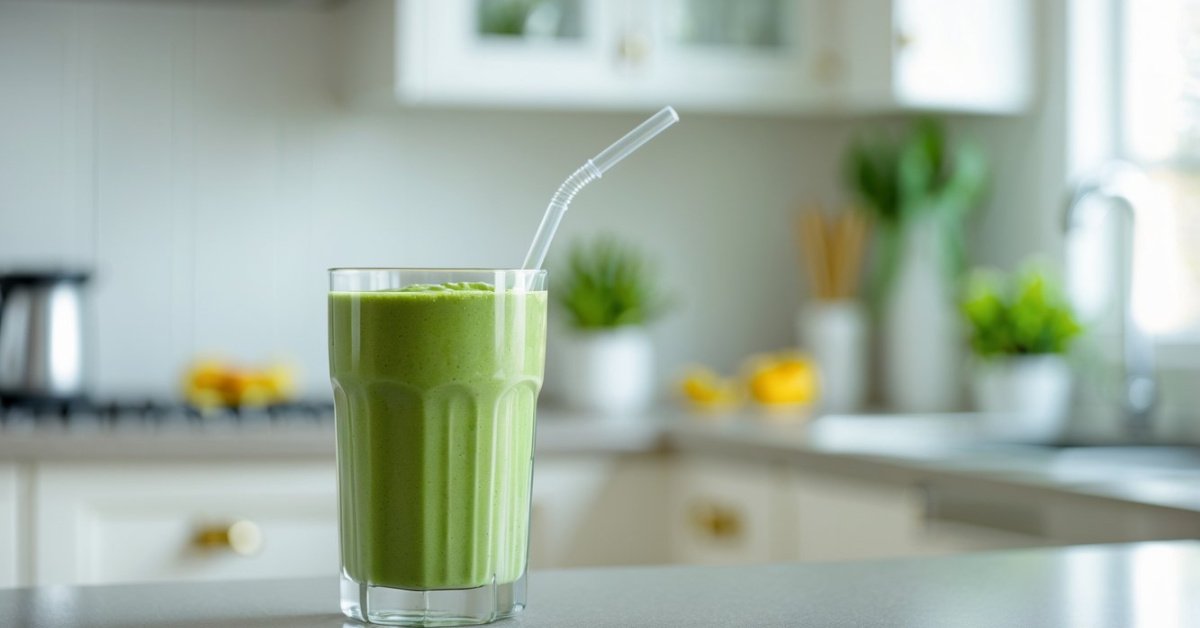
I use chilled brewed green tea as the base for this smoothie and blend it with frozen mango, pineapple, and banana. For example, I pour 1 cup of green tea with 1/2 cup each of frozen mango and pineapple, then add 1 small banana. I blend until smooth, then pour over ice for an extra refreshing finish. This recipe works best with Sencha or matcha-infused green teas, which add grassy notes and a boost of antioxidants.
Herbal Tea Berry Smoothie
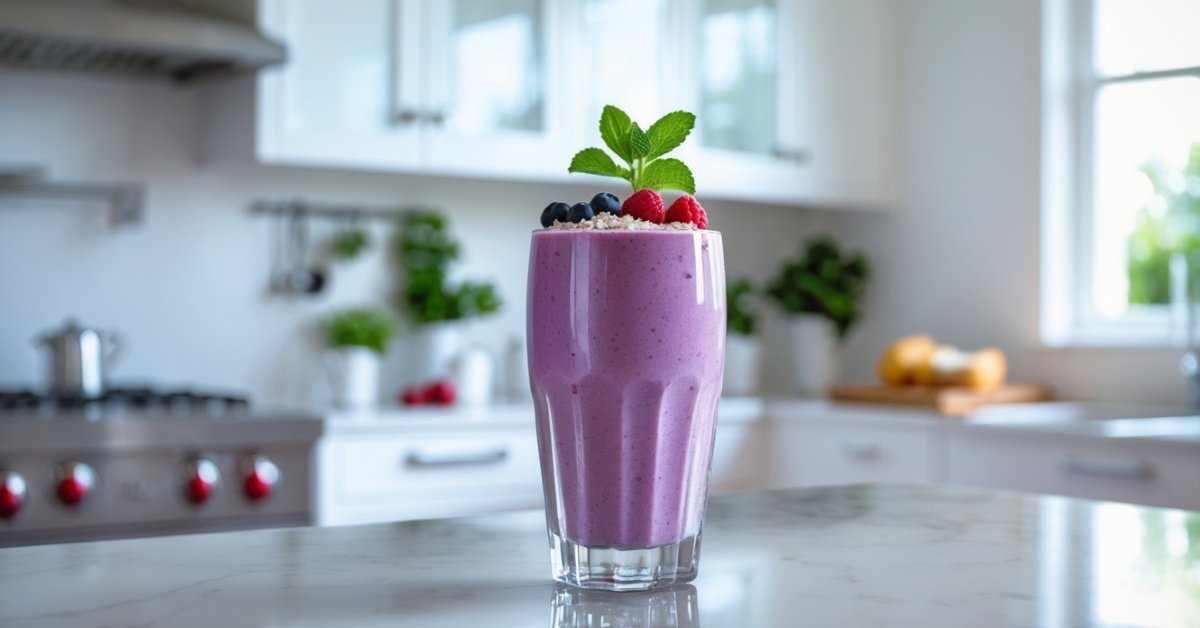
I start with strongly brewed hibiscus or berry herbal tea, chilled, then combine it with mixed berries and Greek yogurt. I use 1 cup of herbal tea for every 1 cup of frozen berries—strawberries, blueberries, or raspberries all work well. For creaminess, I add 1/2 cup of plain Greek yogurt. I blend until rich and pour into a tall glass. Hibiscus tea offers a tart, vibrant flavor and adds vitamin C, while the lack of caffeine makes this an ideal late-afternoon treat.
Tips for Enhancing Your Tea-Based Smoothies
- Choose premium teas
I select loose-leaf or high-quality bagged teas for every blend; these preserve richer flavors and nutrients compared to cheaper blends.
- Brew tea for optimal flavor
I always steep tea at ideal temperatures and for proper durations—175°F for 2 minutes for green tea or 208°F for 5 minutes for herbal tea—since over-steeping or using boiling water can introduce bitterness.
- Pre-chill tea before blending
I cool brewed tea rapidly with ice baths or by refrigeration for at least 30 minutes, helping maintain a thick smoothie texture and preventing watered-down flavors.
- Balance flavors with add-ins
I enhance fruit-tea blends with flavor boosters, like a splash of citrus juice for brightness or a few mint leaves for freshness, since these pair well with most teas.
- Add protein and healthy fats
I ensure every smoothie satisfies by blending in Greek yogurt, silken tofu, or nut butter; these ingredients create creaminess without masking the tea’s flavor.
- Adjust sweetness naturally
I taste-test every smoothie and sweeten with whole fruit, dates, or a drizzle of local honey—sweeteners that support, not overpower, the unique qualities of tea.
- Experiment with textures
I love using frozen fruits, avocado, or small amounts of soaked oats to create a thick, velvety base that holds the tea flavor without separation.
- Enhance color and nutrition
I blend in ingredients like spinach, matcha, or berries to intensify color and antioxidants, turning simple tea smoothies into vibrant, nutrient-rich drinks.
- Layer toppings for interest
I finish every tea-based smoothie with toppings like chia seeds, toasted coconut, or a sprinkle of cacao nibs, delivering extra texture and nutrition in every sip.
Conclusion
Switching up my smoothie routine with tea as a base has opened up a whole new world of flavors and health perks. I love how easy it is to experiment and find combinations that fit my mood or wellness goals. Whether I’m reaching for something energizing or calming I know there’s a tea that’ll make my smoothie shine.
If you’re looking to shake up your usual blends and add a creative twist to your mornings give tea-based smoothies a try. You might just discover your new favorite way to sip and savor!