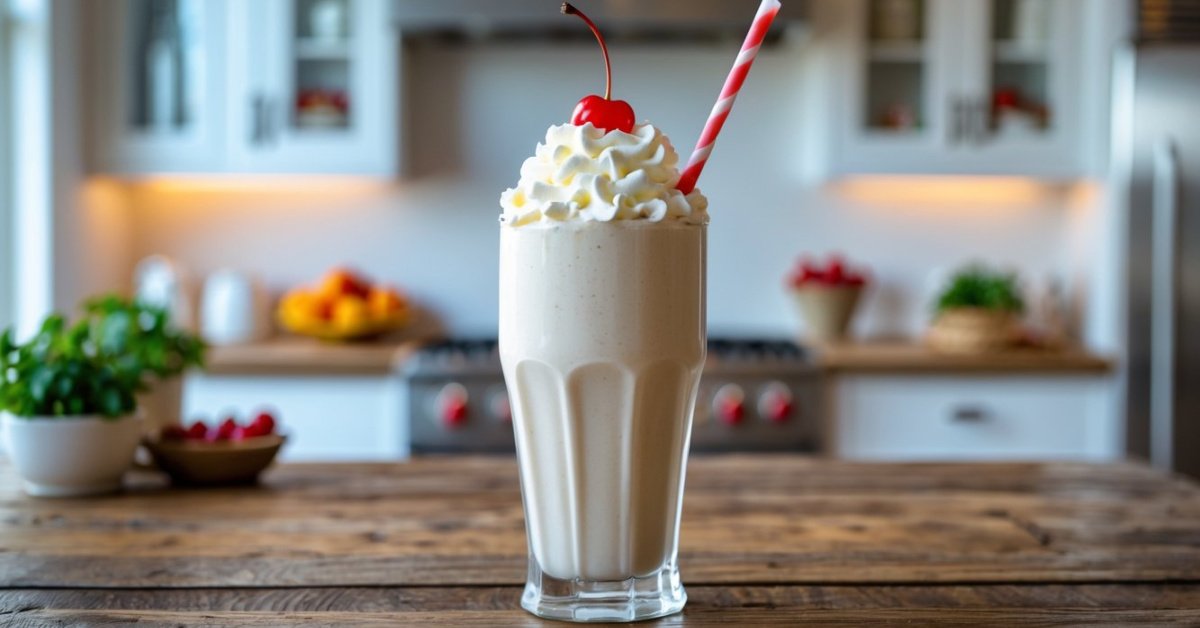
I’ve always hated seeing leftover rice or quinoa sitting in the fridge after dinner. It feels wasteful to toss them out but sometimes I just don’t know what to do with those extra spoonfuls. That’s when I discovered a surprisingly tasty solution—blending them right into my morning smoothie.
It might sound a little odd at first but leftover grains add a creamy texture and a boost of nutrition to any smoothie. Plus it’s a simple way to use what I already have on hand. If you’re looking for a new twist on your breakfast or just want to cut down on food waste you’ll love how easy it is to make smoothies with leftover grains.
Benefits of Making Smoothies with Leftover Grains
Adding leftover grains creates a thicker, creamier smoothie base. I get this rich texture when I blend in cooked rice, oats, or quinoa, and it helps my shop’s smoothies stand out for mouthfeel. Every time I use whole grains, I see a smoother result compared to just using fruit and ice.
Using grains increases the nutrient value of every blend. Brown rice, quinoa, and barley each deliver more fiber, protein, and minerals than just fruit or yogurt. I like how these nutrients help keep me fuller longer after drinking my morning smoothies.
Repurposing leftovers reduces waste, which matters in my shop and my kitchen at home. Grain-based smoothies let me use yesterday’s plain rice or other cooked grains to avoid throwing any away, supporting both sustainability and kitchen efficiency.
Incorporating grains allows me to experiment with flavors and healthy ingredients. I pair millet or wild rice with tropical fruits for unique profiles, letting me create smoothie and shake combos that surprise my customers and keep menus interesting. Every new combination with leftover grains means more creativity and better nutrition for every drink.
Choosing the Right Grains for Smoothies
Choosing the right grains for smoothies creates a creamy, balanced drink and highlights the benefits of using leftovers. I aim for smooth texture and subtle flavor so the grains blend seamlessly.
Best Grains to Use
I use cooked and cooled grains with mild taste and soft texture for best smoothie results.
- Quinoa: I favor quinoa for its mild, nutty flavor and protein content. It blends without adding grit, and I use white or tricolor cooked quinoa.
- Brown Rice: I use brown rice for its hearty texture and nutty undertones. Cooled, day-old brown rice thickens smoothies without overpowering fruits or greens.
- Oats: I add rolled or steel-cut oats for creaminess and soluble fiber. Soaked oats work best to avoid grittiness.
- Barley: I choose pearl barley for a smooth mouthfeel and gentle, sweet flavor. Cooked barley creates rich, frothy smoothies.
- Millet: I use cooked millet for lightness and high magnesium content. It mixes well with berries and leafy greens.
Grains to Avoid
I avoid grains that become gluey, coarse, or overwhelm the smoothie’s flavor.
- Wild Rice: I skip wild rice since its chewy texture doesn’t blend and leaves a rough, inconsistent bite.
- Farro: I avoid farro because its dense, hearty kernels resist blending, leaving bits behind.
- Bulgur: I keep bulgur out of my smoothies due to its chunkiness and strong wheat flavor, which mask delicate ingredients.
- Uncooked Grains: I never use raw, dry grains like uncooked oats or rice since they yield gritty, unpleasant drinks and don’t digest well.
Preparing Leftover Grains for Smoothies
Using leftover grains in smoothies takes just a few easy steps before blending. Careful storage and quick preparation create the smoothest, most delicious results for any home smoothie maker.
Storage Tips
I always cool leftover grains completely before storing. Warm grains create condensation and clumps, so I spread them in a thin layer to cool quickly. Airtight containers prevent odors and moisture loss, keeping grains fresh for up to 3 days in the refrigerator—for example, with cooked brown rice or quinoa. I separate portions in small containers to make grabbing the exact amount for each smoothie simple. For longer storage, freezing works well. I portion grains like cooked oats or millet in silicone ice cube trays, freeze, then store the cubes in airtight freezer bags for up to 2 months.
Pre-Blending Preparation
I always check the texture of leftover grains before blending. If grains seem dry or clumped, I loosen them with a splash of plant-based milk or water, stirring gently. I use a small amount, about 2-4 tablespoons of grains per smoothie, to avoid overpowering the blend. This ratio applies to grains such as quinoa and barley. I add grains directly to the blender with soft fruits or leafy greens for smooth incorporation. For extra smooth results, I pulse grains and liquid first before adding other ingredients. Blending thoroughly ensures no grainy texture in the finished smoothie.
Delicious Smoothie Ideas Using Leftover Grains
I use leftover grains in many smoothie recipes at my shop to create unique blends that boost nutrition and mouthfeel. Using grains like brown rice or quinoa delivers a creamy, satisfying texture that pairs with nearly any fruit or flavor profile.
Breakfast Smoothie Recipes
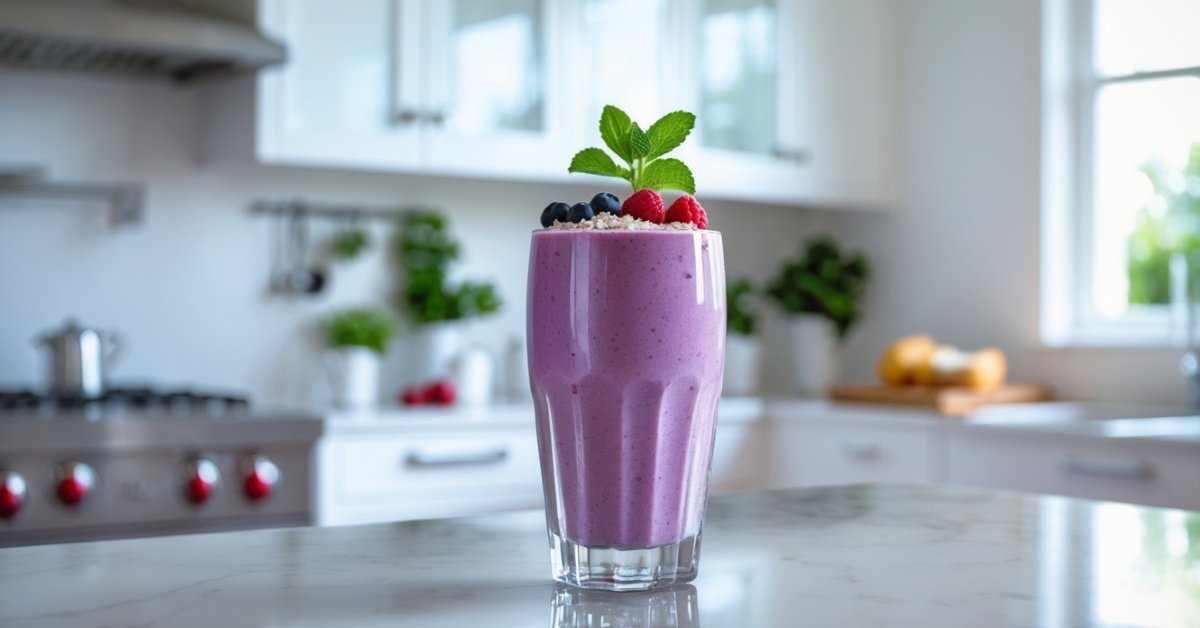
- Berry Quinoa Sunrise: I blend 1 banana, ½ cup frozen mixed berries, 3 tablespoons cooked quinoa, and 1 cup almond milk for a creamy, fiber-rich start to the day. Adding a teaspoon of flaxseeds increases healthy fats.
- Oatmeal Apple Pie Smoothie: I use ½ cup rolled oats (soaked if needed), 1 small apple (cored, chopped), 1 tablespoon almond butter, ½ teaspoon cinnamon, and 1 cup oat milk. This blend tastes like pie and keeps me satisfied all morning.
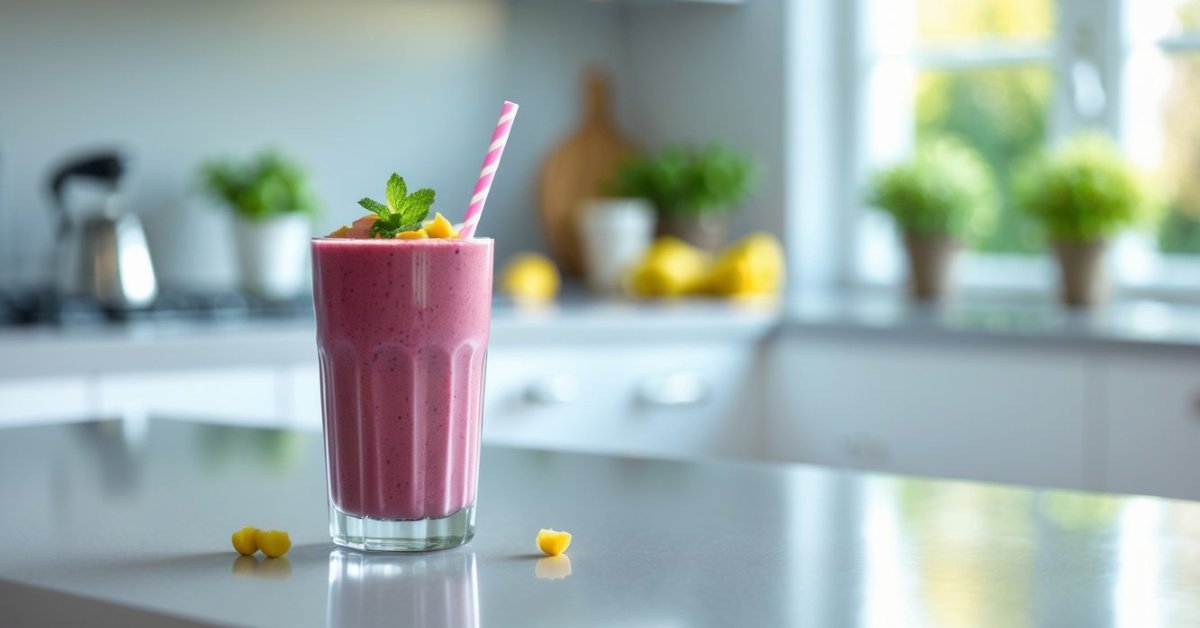
- Mango Millet Power Shake: I combine ½ cup diced mango, ¼ cup cooked millet, ½ frozen banana, and 1 cup coconut milk for a subtly sweet, energizing breakfast. Millet’s light flavor works with tropical fruits.
Post-Workout Smoothie Recipes
- Chocolate Banana Rice Recovery Smoothie: I blend ½ cup cooked brown rice, 1 frozen banana, 1 tablespoon unsweetened cocoa powder, 1 scoop plant protein, and 1 cup soy milk. This smoothie pairs fast carbs from banana with protein and complex carbs from brown rice for muscle recovery.
- Tropical Quinoa Refuel: I add ½ cup cooked quinoa, ½ cup pineapple, ½ cup spinach, 1 tablespoon chia seeds, and 1 cup water to create a nutrient-dense drink that restores glycogen and delivers antioxidants post-workout.
- Blueberry Barley Boost: I blend ½ cup blueberries, 3 tablespoons cooked barley, ½ cup Greek yogurt, and 1 cup almond milk. Barley gives a slightly nutty flavor alongside protein-rich yogurt for effective recovery.
Each smoothie shows how leftover grains combine with fruits, plant milks, and superfoods to create balanced, nutrient-rich blends for any routine.
Tips for Enhancing Flavor and Texture
Adding leftover grains always changes a smoothie’s flavor and mouthfeel, so I optimize each blend for a better tasting, more satisfying drink. Small adjustments make a big difference, especially if you want a creamy, enjoyable texture and full, balanced flavors.
Sweeteners and Spices
Natural sweeteners and spices help bring out the best in grains. I use maple syrup, honey, or pitted dates in small amounts—1-2 teaspoons per serving is usually enough—to round out any earthiness from quinoa or brown rice. Cinnamon, nutmeg, and ground ginger add warmth and complexity, especially in oat or millet-based blends. I include a splash of vanilla extract or a generous pinch of cardamom to boost flavor in berry- or tropical-inspired smoothies. Fresh grated citrus zest works well in apple, pineapple, or mango blends.
Dairy and Non-Dairy Options
Choice of liquid creates a noticeable difference in taste and texture. I often pick unsweetened almond milk, oat milk, or soy milk for a neutral, creamy base that lets fruit and grain flavors shine. For a thicker shake, Greek yogurt or coconut yogurt adds both tang and creaminess—great for hearty grains like barley or brown rice. Regular milk softens bolder grain flavors, while canned coconut milk creates a richer texture and pairs well with mango or pineapple. When I want extra protein, I blend in flavored or plain plant-based protein powders, which mix seamlessly with both dairy and non-dairy liquids. This boosts nutrition and helps the smoothie stay thick and smooth.
Conclusion
I love how a simple shift in my kitchen habits can turn leftovers into something delicious and satisfying. Blending leftover grains into smoothies has opened up a whole new world of flavors and textures for me while helping me cut down on waste.
Every time I experiment with different grains and mix-ins I discover new favorites and keep my breakfasts interesting. It’s a small change that’s made a big difference in my daily routine—and it’s one I’ll happily stick with.