Whenever I step into the kitchen, I’m drawn to the magic that happens when flavors come together just right. There’s something truly exciting about finding the perfect balance between sweet, sour, and bitter—it’s like creating a little harmony on the plate. Sometimes a splash of lemon lifts a dessert or a hint of chocolate tames the bite of coffee.
I’ve learned that playing with these flavors can turn an ordinary dish into something unforgettable. It’s not just about following a recipe—it’s about trusting my taste buds and having a bit of fun along the way. Balancing sweet, sour, and bitter isn’t just for fancy chefs; anyone can do it with a little curiosity and practice.
The Importance of Balancing Sweet, Sour, and Bitter Flavors
Balancing sweet, sour, and bitter flavors transforms any homemade smoothie or shake into a standout drink. Sweet notes from ripe bananas, mangos, or dates bring creaminess and appeal, especially when I use less processed sugars. Sour elements from citrus, kiwi, or unsweetened yogurt cut through the richness and wake up the taste buds. Bitter accents from kale, matcha, or cocoa add complexity, keeping the blend from tasting flat.
Pairing these flavors ensures that each sip feels fresh and layered. Sweet flavors offer energy and comfort, as in my signature strawberry-banana blend, but relying solely on sweetness makes smoothies heavy. Sour components brighten shakes, like when I combine pineapple with a splash of lemon juice for a crisp finish. Bitter hints balance sugars and create depth, especially in drinks with spinach or dark chocolate.
Each ingredient in my shop serves a purpose in the balance. For example, I use spinach to balance out mango’s sweetness or add lime juice to avocado shakes. Home smoothie makers create their own flavor harmony, if they consider these interactions.
Taste control matters for nutrition too. Using acidic fruits or greens helps lower added sugars, if a drink is tasting too sweet. Adding just the right amount of lemon juice or leafy greens aligns with my focus on health, giving more nutrients without sacrificing flavor.
Finding equilibrium makes each smoothie or shake memorable, not just for taste but for how the flavors linger. When these fundamental flavors balance, every cup highlights the best of each ingredient, making even the simplest blend feel special.
Understanding Sweet, Sour, and Bitter Flavor Profiles
Balancing sweet, sour, and bitter flavors unlocks the potential of any smoothie or shake. Each of these tastes brings something unique to the table, shaping the drink’s final character and nutritional profile.
What Defines Sweetness, Sourness, and Bitterness?
Sweetness signals ripe fruits and natural sugars, with bananas, mangos, and dates providing classic examples. I source these for their consistent texture and ability to make smoothies naturally appealing without extra refined sugar.
Sourness comes from acids, heightening clarity and freshness. Citrus fruits like lemons, limes, and oranges or Greek yogurt brighten blends, cutting through heaviness and reducing the need for added sugars.
Bitterness adds depth, balancing excessive sweetness. Greens like kale, spinach, and arugula or raw cacao offer bitterness to sophisticated blends, allowing even nutrient-dense smoothies to remain enjoyable. Each taste, whether subtle or bold, helps showcase high-quality, healthful ingredients.
Cultural Perspectives on Flavor Balance
Cultures around the world celebrate different balances. In Southeast Asian smoothies, sour tamarind and sweet pineapple feature together, offset by a slight bitter note from greens. Latin American blends commonly combine tangy tropical fruits and cacao, creating naturally sweet, vibrant shakes without heavy sweeteners.
My approach draws inspiration from these traditions, using global flavors while focusing on fresh, nourishing ingredients. Balancing sweet, sour, and bitter ensures every smoothie or shake honors both taste and wellness, no matter where its inspiration comes from.
Techniques for Achieving Balance in Cooking
Balancing sweet, sour, and bitter flavors transforms homemade smoothies and shakes into memorable creations. My experience running a smoothie shop shows me every day how thoughtful choices and techniques consistently bring out the best in each ingredient.
Ingredient Pairing and Selection
Selecting the right ingredients determines flavor harmony in every blend. I pair creamy, sweet fruits like mangos and bananas with Greek yogurt or citrus to add a bright, tangy contrast. Combining leafy greens—spinach or kale, for example—with naturally sweet fruits and a splash of pineapple keeps bitterness from overpowering the mix. I rely on raw cacao or coffee to balance overly sugary blends, especially when using dates or honey. I always choose ripe, fresh produce and avoid overusing sweeteners to keep my smoothies nutrient-rich and flavorful.
Cooking Methods That Influence Flavor
Blending techniques influence flavor balance just as much as ingredient selection. Short blending times preserve freshness and mild bitterness in greens, while thorough blending fully integrates tough fibers, making the drink smoother and more palatable. I sometimes briefly soak dried fruits like dates before blending; this softens them and disperses their sweetness evenly. I chill most smoothies with ice or frozen fruit, which subdues bitterness and makes the flavors pop. I pay attention to layering, blending tart ingredients with sweet ones for better control over the final taste. This method delivers a clean, well-balanced finish with every sip.
Common Dishes That Showcase Flavor Balance
Many global cuisines and modern kitchens celebrate the balance of sweet, sour, and bitter, not just in cooked meals but also in smoothies and shakes. I see these combinations every day in my shop, where selecting the right pairings turns simple blends into standout sips.
Classic Examples From Global Cuisines
Classic global recipes provide inspiring models for achieving sweet, sour, and bitter harmony:
- Thai Mango Smoothie: This blend mixes ripe mango for sweetness, lime juice for sharp sourness, and a dash of matcha or green tea for subtle bitterness. Each sip echoes Thai desserts found in street markets.
- Indian Lassi: Mango or banana sweetens the yogurt base, while a squeeze of lemon or a pinch of salt balances sourness and tames any bitterness. These drinks often highlight a perfect flavor triangle during hot seasons.
- Latin American Batido: Ripe papaya or guava brings sweetness, a splash of citrus juice brightens with sour, and additions like raw cacao or spinach add depth with a slight bitter note.
- Italian Affogato-Inspired Shake: Creamy vanilla gelato (or frozen yogurt) softens the espresso’s bitter edge, while a drizzle of agave or honey adds enough sweetness for balance.
Classic dishes like these show how various cultures celebrate flavor contrasts in both their traditional drinks and their approach to smoothies.
Modern Interpretations and Trends
Contemporary smoothie trends highlight new ways to balance sweet, sour, and bitter:
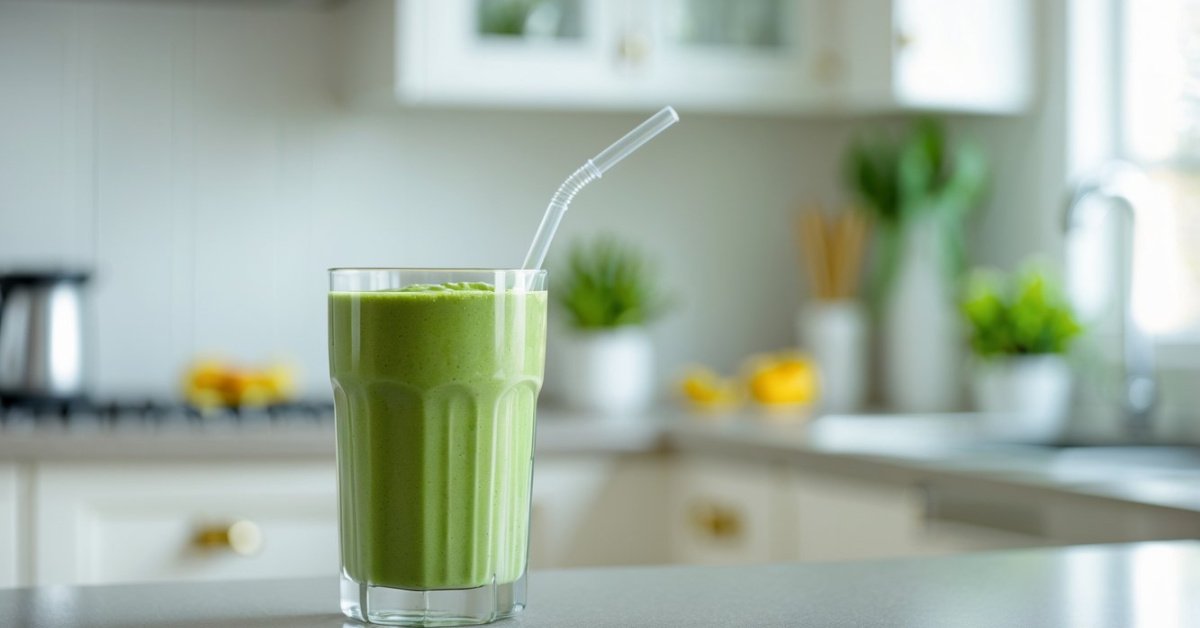
- Green Superfood Blends: I use baby kale or spinach for a gentle bitterness, then sweeten the mix with apple, pear, or pineapple, adding lemon juice for a tart spark. Customers love these nutrient-packed choices.
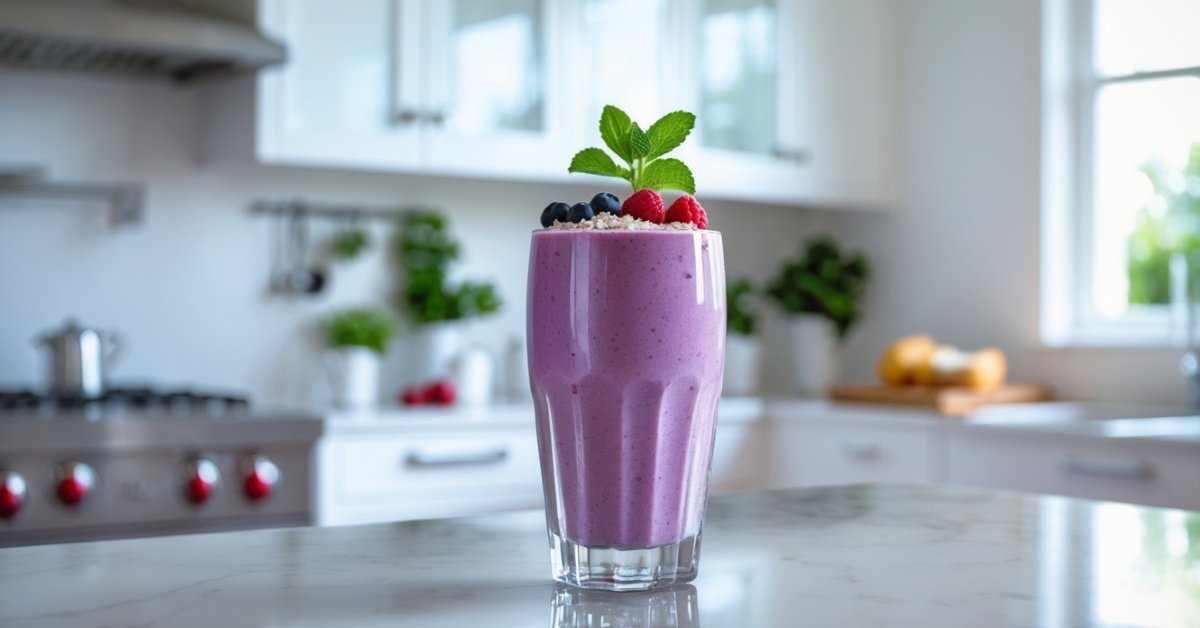
- Berry-Citrus Shakes: Combining blueberries or strawberries with yogurt and a squeeze of orange or grapefruit keeps the flavor bright and tangy, with cocoa nibs or matcha powder serving as a bitter counterpoint.
- Gut-Health Smoothies: Probiotic-rich kefir brings tanginess, blended with sweet banana and bitter arugula or dandelion greens, showcasing both taste and health.
- Indulgent Cocoa Shakes: Dark cocoa or cacao powder introduces sophistication and just enough bitterness, while frozen cherries sweeten. I add a squeeze of lime to elevate the blend with a hint of tartness.
Modern smoothie creations continue to explore and honor the powerful trio of sweet, sour, and bitter, using fresh, wholesome ingredients that highlight both flavor harmony and nutrition.
Tips for Home Cooks
Balancing sweet, sour, and bitter flavors at home turns simple smoothies and shakes into memorable blends. I rely on a few core strategies in my smoothie shop to get that perfect flavor harmony every time.
Adjusting Flavor in Everyday Recipes
Tasting as I blend helps me make quick adjustments to every smoothie batch. Adding fruit, like mango or banana, increases sweetness. Splashing in lemon juice or a spoonful of yogurt lifts sour notes and brightens flavors. Tossing in kale, cocoa powder, or matcha deepens the blend with a satisfying bitter edge.
Blending frozen fruit or chilling the mix softens sharp sour or bitter notes without adding sugar. Swapping high-sugar fruits for tart berries or pairing cacao with honey balances excess sweetness. A small pinch of salt sometimes sharpens both sweet and sour elements. When working with strong flavors—like grapefruit or raw greens—I blend them with a creamy base, such as avocado or coconut milk, to round off bitterness and create a smooth finish.
Mistakes to Avoid When Balancing Flavors
Skipping the taste test before pouring often leads to lopsided flavor. Overloading on sweeteners—like agave or honey—masks natural fruit flavors and eliminates complexity. Forgetting to pair tart elements with enough sweetness or creaminess makes smoothies too sharp.
Adding too many strong bitter greens, such as dandelion or mustard greens, overwhelms the palate and dulls other flavors. Ignoring texture matters—gritty or chunky blends make even well-balanced flavors less enjoyable. Not using complimentary acidic or creamy ingredients to temper bitterness or sourness results in drinks that taste flat or one-dimensional.
I always suggest balancing bitterness by adding just enough fruit and acidity and letting each ingredient shine. Focusing on small, frequent taste checks ensures smooth flavor harmony in every cup.
Conclusion
Balancing sweet, sour, and bitter flavors has completely changed the way I approach smoothies and shakes. Every blend feels like a new adventure and a chance to discover something delicious.
I love how a simple tweak—a squeeze of citrus or a handful of greens—can turn an ordinary drink into something truly special. With a little curiosity and a willingness to taste as I go I find that creating harmony in every cup is both fun and rewarding.
If you’re eager to experiment in your own kitchen don’t be afraid to trust your palate. The perfect balance is always just a blend away.