I’ve always loved how a good smoothie can turn a busy morning into something delicious and energizing. When I started intermittent fasting I wondered if my favorite blends could fit into my new routine. Turns out they’re not only possible but can actually make fasting easier and a lot more enjoyable.
Smoothies bring the perfect mix of flavor and nutrition—just what I need to break my fast or fuel my eating window. Whether I’m craving something fruity creamy or packed with greens I’ve found there’s a smoothie for every mood and goal. Let me share how I make smoothies work for intermittent fasting and why they might become your go-to too.
Understanding Intermittent Fasting Diets
Intermittent fasting diets use specific eating and fasting time windows to support metabolism, weight management, and overall wellness. Popular methods include the 16:8 method, where eating happens during an eight-hour window and fasting fills the remaining 16 hours, and the 5:2 approach, which limits calories on two specific days each week.
I design smoothie schedules to fit seamlessly into any intermittent fasting time frame. My customers often ask if breaking a fast with smoothies has advantages. Breaking a fast with a well-balanced smoothie—using protein, fiber, and healthy fats—minimizes glucose spikes and helps clients feel fuller longer.
Smoothies work best during the eating window, not the fasting window, because even small amounts of calories or nutrients can disrupt the fasting state. I always recommend water, black coffee, or plain herbal tea for the fasting phase and reserve all smoothie recipes for when the eating window opens.
I use ingredients such as leafy greens, berries, nuts, seeds, and high-quality protein powders to build smoothies that keep energy levels steady and align with popular intermittent fasting routines. These ingredient choices help manage hunger, support muscle maintenance, and provide steady nutrition during the limited eating period.
My smoothie process focuses on creating balanced blends specifically for intermittent fasting diets, emphasizing nutrition, taste, and simplicity.
The Role of Smoothies in Fasting Windows
Smoothies fit right into intermittent fasting routines when made with thoughtful ingredient choices and smart timing. I use smoothies to deliver both flavor and nutrition to people breaking their fasts while respecting the rules of fasting windows.
Benefits of Smoothies for Fasters
Smoothies provide concentrated nutrition in a quick, drinkable form. I craft my smoothies using spinach, kale, or Swiss chard for iron and fiber, then add berries such as blueberries or strawberries for antioxidants and natural sweetness. Protein powders and Greek yogurt offer sustained fullness after a fast, while chia seeds or almond butter supply healthy fats that slow glucose absorption. Each blend helps balance energy, curb cravings, and makes breaking a fast gentler on digestion than heavier meals.
When to Consume Smoothies During Intermittent Fasting
Smoothies belong exclusively in the eating window of an intermittent fasting diet. I serve smoothies to customers right at the end of their fasting period, never during the fast, since even minimal calories break the fasting state. Most people using the 16:8 method, for example, request their first smoothie around noon, but some choose mid-afternoon for a nutrient-rich boost between meals. I recommend starting your eating window with a smoothie, then spacing out meals to maintain stable energy and avoid hunger spikes.
Key Ingredients for Fasting-Friendly Smoothies
Smoothies for intermittent fasting diets give a lot of flexibility, but the right ingredients matter for satiety and energy. I focus on proteins, low-sugar produce, and filling fats to support smooth fasting transitions.
Protein Sources
Protein sources for fasting-friendly smoothies support fullness and muscle repair. I blend in Greek yogurt, plant-based protein powders, or cottage cheese for creamy texture and high protein content. Egg white protein and unsweetened nut butters also help, keeping cravings low and providing steady amino acids. Every protein I use mixes well and doesn’t overpower more delicate flavors, allowing for both nutrition and taste.
Low-Sugar Fruits and Vegetables
Low-sugar fruits and vegetables keep my smoothies nutrient-rich without causing glucose spikes. I often use berries—like blueberries, blackberries, and raspberries—as well as cucumbers and leafy greens like spinach and kale. These choices give natural sweetness, fiber, and antioxidants while keeping carbs in check. Using frozen versions maintains both nutrition and convenience, so I always have staple ingredients ready.
Healthy Fats and Fiber
Healthy fats and fiber add staying power to smoothies and help manage hunger. Avocado, chia seeds, and flaxseeds blend in smoothly for creaminess, omega-3s, and sustained energy release. I include unsweetened coconut or almond butter for an extra boost of flavor and healthy monounsaturated fats. Oats or psyllium husk sometimes supplement smoothies to add bulk and assist digestion. Every ingredient I choose is aimed at making smoothies both delicious and supportive of my customers’ fasting goals.
Top Smoothie Recipes for Intermittent Fasting Diets
My favorite recipes blend nutrient-packed ingredients to create smoothies that align with intermittent fasting routines. I always focus on maximizing flavor and keeping every smoothie functional, whether it’s for an energizing breakfast or a smooth transition after fasting.
Energy-Boosting Breakfast Smoothies
I design energy-boosting breakfast smoothies to kick off eating windows strong after fasting. I use leafy greens like baby spinach and kale, blended with unsweetened plant-based milk and a scoop of Greek yogurt for protein. I add half a banana or a cup of mixed berries for steady carbs, then boost healthy fats with a tablespoon of almond butter or chia seeds. I top it off with a dash of cinnamon or ginger for a gentle metabolic nudge. This combo helps fuel your morning and keeps blood sugar stable.
Examples:
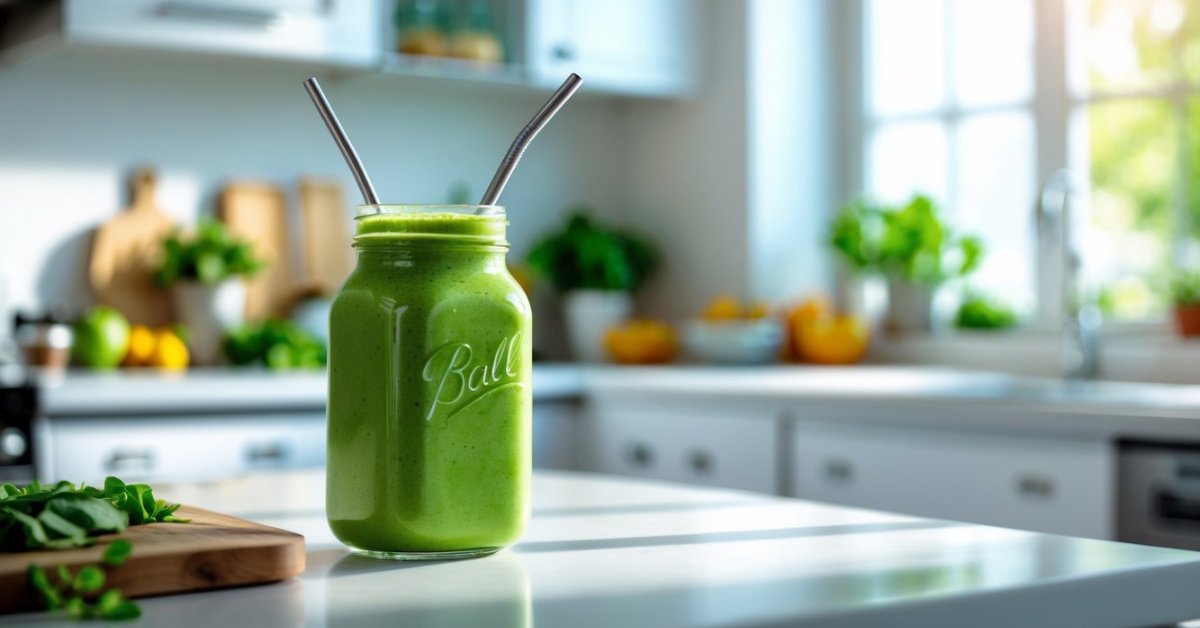
- Green Protein Smoothie: Spinach, kale, vanilla protein powder, cucumber, almond milk, chia seeds.
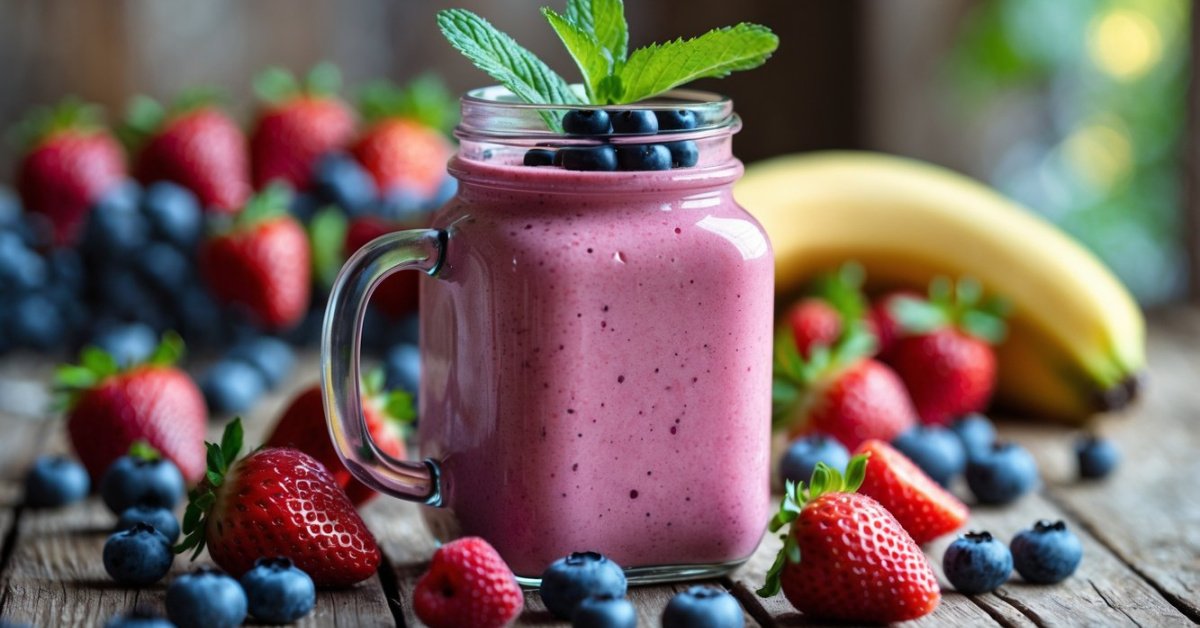
- Berry-Nutshake: Blueberries, strawberries, Greek yogurt, almond butter, unsweetened oat milk, flaxseed.
Post-Fast Replenishing Smoothies
I build post-fast replenishing smoothies to restore nutrients and hydration once the fasting window ends. I start with hydrating ingredients like unsweetened coconut water or cucumber. I combine a handful of frozen pineapple or mango, a scoop of plant-based protein powder, and a spoonful of plain Greek yogurt for immediate muscle nourishment. I often mix in avocado or hemp seeds for creaminess and quality fats.
Examples:
- Tropical Replenisher: Coconut water, frozen pineapple, mango, plant-based protein, spinach, avocado.
- Creamy Recovery Smoothie: Cucumber, Greek yogurt, vanilla protein, hemp seeds, frozen peach.
Each blend reflects my passion for great-tasting, wholesome smoothies and my commitment to using only top-quality, health-oriented ingredients.
Tips for Making Effective Fasting Smoothies
- Use Whole, Unprocessed Ingredients
I always reach for whole foods—like frozen berries, fresh spinach, or ripe avocado—since these boost nutrition without unnecessary additives. Unprocessed ingredients give my smoothies maximum flavor and nutrients for every calorie.
- Prioritize Balanced Macronutrients
I blend protein, healthy fats, and fiber into each smoothie to support my energy and keep my hunger steady during eating windows. For protein, I add plant-based protein powder or Greek yogurt. Healthy fats come from nut butters or seeds. Oats or chia seeds supply fiber for fullness.
- Monitor Serving Size and Calories
I measure ingredients with a kitchen scale or measuring cup so my smoothies align with my fasting and nutritional goals. Keeping portions in check helps me avoid unintentionally over-consuming calories after a fast.
- Choose Low-Glycemic Fruits and Veggies
I select berries, leafy greens, and zucchini as my main fruits and vegetables, since these options keep sugar content low while packing in micronutrients. These choices help me maintain even energy, especially when breaking a fast.
- Optimize Flavor with Natural Add-Ins
I use spices like cinnamon or turmeric, fresh herbs, or citrus zest for extra taste—instead of sweeteners—so I deliver flavor without added sugars. This way, my smoothies support balanced blood sugars and fast recovery.
- Blend Thoroughly for Ideal Texture
I blend smoothies until silky smooth, especially when using fibrous greens like kale. Proper blending improves drinkability and enhances the overall experience, making each smoothie from my shop or kitchen something I’m proud to share.
- Plan for Prepping and Storage
I prep batch ingredients in advance or freeze smoothie packs so I’ve always got healthy options ready after a fast. This keeps my smoothies fresh, quick, and convenient for busy mornings or post-fast cravings.
Conclusion
I’ve found that smoothies can be a game-changer for anyone following an intermittent fasting routine. They’re not just delicious—they’re practical and adaptable too. With the right ingredients and a bit of planning it’s easy to create blends that fit your goals and keep you feeling satisfied.
If you’re looking for a way to make fasting more enjoyable and nutritious smoothies might be the perfect addition to your eating window. I love experimenting with new recipes and hope you’ll find your favorites too.