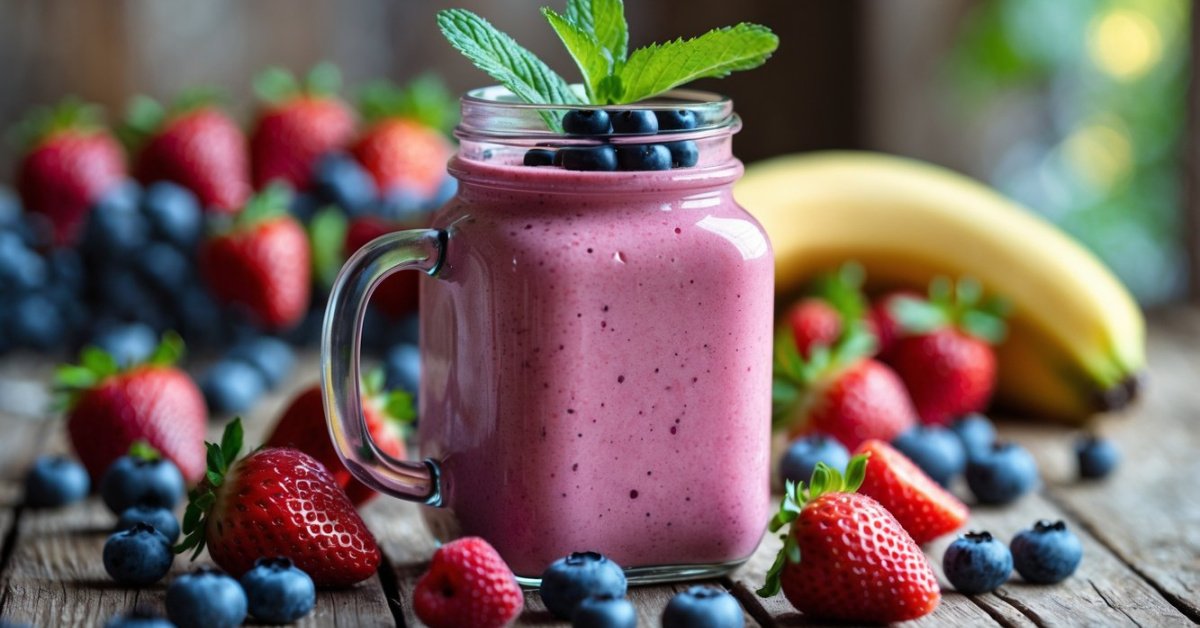

I love good food but I also care about what goes into my body. When I first tried to add more fiber to my meals I worried it would mean bland breakfasts or gritty textures. Turns out you don’t have to sacrifice taste to get the benefits of fiber.
With a few simple tricks I’ve found ways to sneak extra fiber into my favorite dishes without anyone noticing. It’s easier than you might think and your taste buds won’t even know the difference. If you want to feel better and eat well at the same time you’re in the right place.
Why Fiber Matters for Your Health
Fiber directly impacts digestive health, blood sugar balance, and heart function. In my smoothie shop, I see guests benefit from adding fiber-rich choices like chia seeds, ground flax, and oats to shakes and smoothies. Harvard T.H. Chan School of Public Health notes that fiber aids digestion and helps maintain consistent blood glucose levels. High-fiber smoothies often leave my customers feeling fuller longer than low-fiber versions.
Higher fiber intake lowers LDL cholesterol, based on research from the American Heart Association. Many of my fiber-forward recipes use ingredients such as berries, spinach, and avocado to support healthy cholesterol numbers. Each serving filled with these nutritional powerhouses delivers both texture and health benefits without overwhelming taste.
Consuming 25 to 38 grams of fiber per day supports most adults, according to The Dietary Guidelines for Americans. By blending a few high-fiber ingredients into smoothies, I help my customers reach these targets while enjoying delicious drinks loaded with real flavor.
Common Misconceptions About Adding Fiber
Many people believe adding fiber to smoothies and shakes ruins the flavor. I’ve tested this myth daily in my shop. Unflavored fibers like ground flaxseed, chia seeds, and psyllium blend into smoothies without altering taste or aroma. I often hear concerns about texture. When powdered or pre-soaked, high-fiber additions don’t make drinks gritty or heavy. People expect these ingredients to change the color of their smoothies. Chia seeds and oats rarely impact color when added in small amounts.
Several customers worry fiber makes shakes harder to blend. Powerful blenders or soaking ingredients for 10 minutes ensure smoothies stay creamy. Cost becomes another point of confusion. Whole foods such as oats and seeds deliver fiber for just cents per serving compared to store-bought fiber supplements.
Plenty of guests worry about digestive discomfort. Gradually increasing fiber, rather than adding large amounts all at once, makes a noticeable difference for most people. These common myths stop some from experimenting, but in my experience, high-fiber smoothies satisfy both taste and health every time.
Simple Swaps to Increase Fiber Intake
Fiber fits seamlessly into smoothies and shakes with the right ingredient swaps. I boost recipes without changing flavors, and my customers never notice the extra fiber—just the great taste.
Choosing Higher-Fiber Versions of Everyday Foods
I pick high-fiber ingredients for classic smoothie blends. Whole grain oats replace instant oats in my shop’s recipes, adding 4 grams of fiber per ¼ cup without shifting texture. Unsweetened wheat bran blends easily into chocolate or berry smoothies, offering up to 5 grams of fiber in 2 tablespoons. Ground flaxseed and chia seeds go into nearly every blend I make, each adding 3-5 grams of fiber per tablespoon and keeping drinks creamy.
Using Beans and Legumes Invisibly
I blend white beans, black beans, or chickpeas into fruit smoothies for a subtle fiber boost. One-half cup of canned navy beans adds 7 grams of fiber but disappears into banana-peanut butter shakes. Pureed lentils thicken up mixed berry smoothies naturally, giving 8 grams of fiber per ½ cup and no gritty aftertaste. I always rinse canned beans before blending to keep flavors and textures clean. My regulars never guess beans are inside—they only comment on how filling and smooth their favorite shakes feel.
Creative Ways to Sneak Fiber Into Meals
I love surprising my customers—and my own family—by boosting fiber in their meals without sacrificing flavor or mouthfeel. Every day I see just how easy it is to get creative with ingredients, especially for smoothie and shake lovers.
Adding Vegetables to Sauces and Smoothies
Adding vegetables to sauces and smoothies instantly ups fiber content and blends in seamlessly when prepped right. I toss a handful of spinach or kale into berry smoothies, which disappear color-wise when paired with blueberries or blackberries. I steam and puree cauliflower or carrots, then blend them into fruit smoothies or stir into tomato sauce, leaving taste unchanged and textures smooth. Zucchini works great in chocolate protein shakes, adding creaminess and bulk without a trace of veggie taste. These simple tricks keep fiber high and flavors balanced.
Baking with Fiber-Rich Alternatives
Baking with fiber-rich alternatives transforms favorite treats into healthier choices that still taste delicious. I swap all-purpose flour with white whole wheat or oat flour in muffins and pancakes; both choices offer subtle flavor and finer texture than standard whole wheat. I mix in ground flaxseed, chia seeds, or psyllium husk—1-2 tablespoons per batch—into chocolate brownies or banana bread to increase soluble fiber and keep bakes moist. For extra fiber in cookie dough, I substitute a quarter of the flour for almond flour or chickpea flour, which boosts nutrition but doesn’t overpower other tastes. These swaps turn baked goods and smoothie shop snacks into stealth fiber powerhouses.
Fiber Supplements and Fortified Foods: Pros and Cons
Fiber supplements and fortified foods show up often for customers wanting more fiber in their shakes at home. I use these options occasionally in my smoothie shop, but I choose carefully based on experience and ingredient quality.
Pros of Fiber Supplements and Fortified Foods
- Easy Dosing
Fiber supplements like psyllium husk, inulin, or wheat dextrin offer measured grams per serving, letting me control fiber content in any recipe without flavor changes.
- Neutral Taste
Unflavored powders mix easily into shakes without bitterness or grit, so my customers don’t notice any difference in taste or texture.
- Convenience
Shelf stability means I can keep these on hand and add them quickly to any smoothie, which works well in busy settings or for at-home prep.
- Support for Fiber Goals
Fortified milks, cereals, and yogurts help customers close the gap between average daily fiber intake (typically around 16g, according to the USDA) and the recommended 25–38g for adults with minimal food changes.
Cons of Fiber Supplements and Fortified Foods
- Limited Variety
Supplements and fortified foods add soluble or isolated fiber types, but they don’t provide the range of phytonutrients, antioxidants, or minerals that real fruits, seeds, and grains supply.
- Digestive Tolerance
Some customers report bloating or discomfort, especially if they add too much fiber powder too quickly—gradual increases typically work best.
- Cost
Fiber supplements often cost more per serving than high-fiber whole foods like chia seeds, oats, or legumes, which also offer healthy fats and protein.
- Hidden Additives
Fortified foods sometimes include sugar, salt, or preservatives, so I always check ingredient labels to make sure I’m not adding unnecessary extras to smoothies.
In my shop, I rely on supplements or fortified ingredients only if customers request them or can’t tolerate whole foods. Most of the time, natural high-fiber ingredients let me keep shakes both healthy and true to their original flavor.
Tips to Maintain Great Taste While Increasing Fiber
- Blend Neutral Fibers
I add oat fiber, ground flaxseed, or chia seeds to smoothies for an invisible fiber boost. These options deliver extra fiber in small servings, so a tablespoon of oat fiber or ground flaxseed blends in without changing the drink’s mouthfeel or flavor.
- Use Soft Greens and Mild Veggies
I blend baby spinach or zucchini into fruit-based shakes for extra fiber. Both have a neutral taste and a soft texture, so most blends, like mango-spinach or banana-zucchini, taste the same as their original versions.
- Work with Naturally Sweet Ingredients
I boost fiber using berries, pears, or apples in shakes for sweetness and texture. Blueberries add 3.5 grams of fiber per cup and blend smoothly with yogurt and almond milk, helping me avoid the need for added sugar.
- Choose High-Fiber Thickeners
I swap out thickeners like ice cream for fiber-rich Greek yogurt or silken tofu. Plain Greek yogurt delivers creamy texture and noticeable fiber, and it pairs well with fruit or cocoa blends.
- Start Gradually
I increase fiber slowly in smoothies to help customers adjust, since a quick jump to high-fiber shakes sometimes causes discomfort. Starting with half a tablespoon of ground flaxseed or a handful of leafy greens in each serving helps keep the taste and texture consistent.
- Balance Strong Flavors
I mask earthy fiber sources like kale or wheat bran with citrus, ginger, or pineapple. For example, a handful of kale with frozen pineapple and lemon creates a sweet-tart smoothie where kale’s taste fades into the background.
- Experiment with Different Bases
I switch bases to unsweetened almond milk, soy milk, or coconut water for added variety and subtlety in flavor. Soy milk contains extra fiber per cup, which supports nutrition without overpowering other ingredients.
- Double-Check Fiber Supplements
I use unflavored, odorless fiber powders only if needed for picky eaters, and I always blend them for at least 60 seconds for best texture. Most customers report that when blended thoroughly, these supplements stay undetectable in a classic shake.
Maintaining gourmet taste while pushing fiber higher lets me meet health goals for my smoothie shop customers without ever sacrificing flavor.
Conclusion
I’ve found that boosting fiber doesn’t mean you have to compromise on flavor or enjoyment. With just a few thoughtful tweaks and ingredient swaps it’s easier than ever to make your meals more nutritious while still loving every bite or sip.
If you’re curious about trying new ways to add fiber give these ideas a shot and see how effortless it can be. You’ll be surprised at how much better you feel—without any sacrifice on taste.