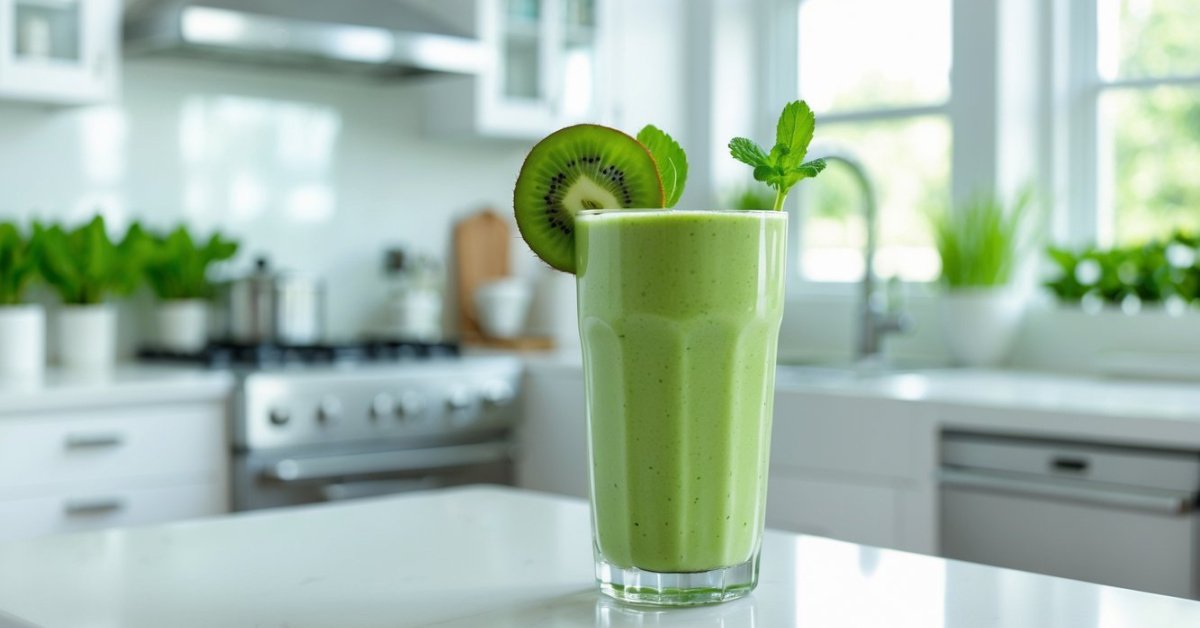
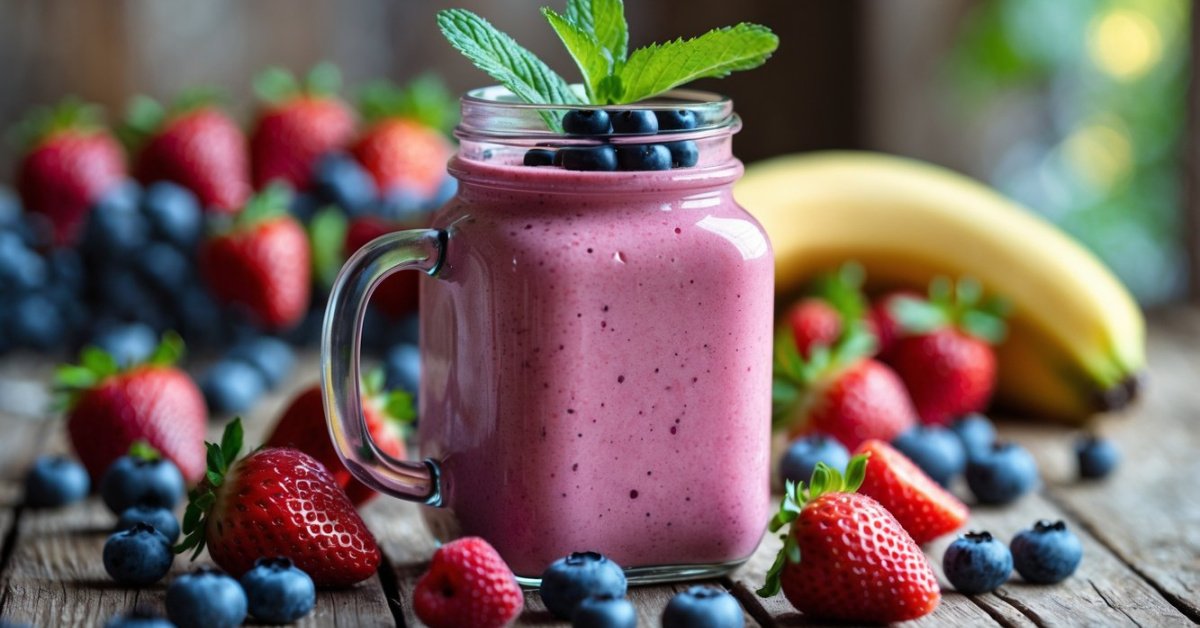
I’ve always loved a good shake—quick to make and packed with flavor. But what really surprised me is how the right shake can do more than just satisfy a craving. It can actually help support strong bones.
With so many options out there it’s easy to overlook how a simple daily shake fits into a bone-healthy routine. I started digging into the ingredients and discovered that certain shakes are loaded with nutrients that play a key role in keeping bones dense and resilient. If you’re looking for an easy way to boost your bone health without a lot of fuss you might be surprised by what a shake can do.
Understanding Bone Density and Its Importance
Bone density describes the amount of mineral matter, mainly calcium and phosphorus, in a square centimeter of bone. Higher bone density signals stronger, healthier bones, which lowers the risk of breaks or fractures. In my smoothie shop, I see many customers interested in nutrient-packed shakes, especially since bone health becomes more important as people age or change their nutrition habits.
Healthy bone density helps prevent osteoporosis and related conditions. Bones need nutrients like calcium, vitamin D, magnesium, and protein, which I regularly add to my favorite shake recipes using ingredients such as Greek yogurt, spinach, chia seeds, and nut butters. When bones can’t get these nutrients, especially calcium or vitamin D, their density decreases and they weaken over time.
Incorporating shakes rich in these nutrients supports bone strength for all ages. My passion for making shakes starts with picking ingredients high in bone-building minerals and vitamins, so every recipe I create aims to help customers reach their daily intake goals for stronger bones.
Key Nutrients for Bone Health
Strong bones depend on consistent intake of several essential nutrients. When I create shakes and smoothies in my shop, I always focus on ingredient choices that bring these nutrients together for optimal bone density support.
Calcium and Vitamin D
Calcium supports bone structure and strength. I use sources like Greek yogurt, almond milk, and tofu to keep calcium high in every shake. Vitamin D enables calcium absorption in the body. I blend in fortified plant milks or add a tablespoon of chia seeds, as both can boost vitamin D content. Adding spinach or kale gives a natural calcium lift while keeping textures smooth.
Protein and Other Essential Nutrients
Protein repairs and maintains bone tissue. Greek yogurt, protein powders, and nut butters like almond or cashew blend well and raise protein content in every recipe. Magnesium, found in spinach and chia seeds, activates vitamin D and supports bone mineralization. Potassium from bananas or avocados helps balance calcium in the body. Each of these ingredients fits easily into shake recipes, keeping the taste great while fueling bone strength.
How Shakes Support Bone Density
Shakes give me a simple way to blend bone-friendly ingredients for powerful results. Using select nutrient sources, I help customers boost their bone density with every glass.
Types of Bone-Boosting Shakes
I create several shakes to prioritize bone health using proven ingredient combinations.
- Calcium-rich shakes: Greek yogurt, fortified plant milks, and tofu form the base for essential calcium delivery.
- Protein-packed blends: Whey protein, almond butter, and pumpkin seeds support bone tissue strength and repair.
- Green smoothie options: Spinach, kale, and chia seeds provide magnesium and vitamin K for better bone mineralization.
- Vitamin D-boosted shakes: Fortified almond milk, chia seeds, and mushrooms increase vitamin D to promote calcium absorption.
Nutrient Absorption Through Shakes
I blend shakes for nutrient synergy, pairing ingredients that help the body absorb bone-boosting compounds more efficiently. Blending calcium sources like Greek yogurt with vitamin D-rich liquids helps your body utilize both nutrients fully. Adding magnesium-rich greens with potassium-loaded bananas maximizes mineral balance and supports the bone matrix. Combining proteins and healthy fats from nut butters or seeds lets the body retain more minerals essential for bone growth. Each shake is designed for optimal absorption, using ingredient pairings for the best nutritional impact.
Choosing the Right Shake for Bone Health
When I’m selecting shakes for bone health at my smoothie shop, I always focus on both the nutrient profile and ingredient quality. Every ingredient matters for strong bones and overall wellness.
Ingredients to Look For
- Calcium-rich options
I use Greek yogurt, fortified plant milk (such as almond or soy), and tofu for high calcium content in my shakes.
- Vitamin D sources
Fortified non-dairy milks, chia seeds, and a splash of orange juice ensure vitamin D is present for calcium absorption.
- Magnesium boosters
Spinach, pumpkin seeds, and chia seeds increase magnesium for proper bone mineralization.
- High-protein add-ins
Protein powders (including whey, pea, or hemp), nut butters like almond or peanut, and Greek yogurt help repair and build bone tissue.
- Potassium sources
Bananas, avocados, and leafy greens offer potassium, which complements calcium and magnesium in shakes.
- Natural flavors and minimal sweeteners
I rely on fresh fruits—berries, mangoes, or pineapple—for flavor, minimizing added sugars that can affect calcium balance.
Tips for Incorporating Shakes Into Your Diet
- Make them a daily staple
I blend a shake for breakfast or a snack at my shop, ensuring bone-supporting nutrients are always part of my routine.
- Vary the ingredients
Rotating base greens, protein sources, and plant milks maximizes nutritional variety and keeps shakes interesting.
- Pair with balanced meals
I serve shakes as part of a meal, such as alongside whole grain toast or eggs, to promote a well-rounded intake.
- Prep ingredients for quick blending
I portion ingredients ahead of time so I can prepare shakes quickly for busy customers or my own busy mornings.
- Monitor portion sizes
I use measured scoops for powders and standard servings for dairy or plant milks to maintain nutritional balance and manage calorie intake.
Potential Drawbacks and Considerations
Homemade shakes for bone density come with a few potential drawbacks I always address with my customers.
- Added Sugar: Many store-bought protein powders and flavored yogurts in shakes contain added sugars. Excess sugar intake links to reduced calcium absorption according to Harvard T.H. Chan School of Public Health. For example, popular brands often list 8g to 15g sugar per serving.
- Caloric Intake: Some shakes, especially those made with nut butters or full-fat dairy, increase daily calories significantly. I track combine-ins carefully—for example, one tablespoon of peanut butter adds about 90 calories.
- Allergens: Ingredients such as almond milk, whey protein, or nut butters create risks for people with food allergies. I always ask patrons about allergies before making recommendations and use ingredient alternatives like oat milk or seed butters when possible.
- Nutrient Balance: Over-reliance on shakes leads to missing critical nutrients. Whole fruits and vegetables contain fiber and phytonutrients sometimes lost in shakes. For balanced nutrition, I combine shakes with whole foods or rotate fresh leafy greens and fruits in recipes.
- Supplement Interactions: Some people add vitamin D or calcium powders to shakes. Over-supplementation risks imbalances or interactions. Johns Hopkins Medicine reports excessive calcium can lead to kidney stones in susceptible individuals.
| Ingredient or Practice | Potential Issue | Example or Impact |
|---|---|---|
| Flavored yogurt/protein | High added sugars | 12g sugar per serving |
| Nut butter/full-fat dairy | High calories | 90 calories per tbsp peanut butter |
| Common allergens | Risk for those with allergies | Almond milk, whey protein |
| All shakes, no variety | Nutrient/fiber gaps | Missed in some shake ingredients |
| Vitamin/mineral powder | Over-supplementation risk | Too much calcium = kidney stone risk |
I always opt for whole, minimally processed ingredients, rotate different recipes, and tailor shake recommendations based on a customer’s specific nutritional needs and dietary preferences.
Conclusion
I’ve found that making shakes part of my routine is such an easy way to give my bones the support they need. With so many delicious ingredient options and a little creativity it’s simple to blend up something that fits my taste and nutritional needs.
Staying mindful of what goes into each shake helps me get the most out of every sip. With a bit of planning shakes can truly become a go-to for anyone looking to support their bone health while enjoying a tasty treat.