I love starting my day with a smoothie that’s not only delicious but also does wonders for my gut. There’s something so satisfying about blending up fresh ingredients and knowing I’m giving my body the fiber it needs to feel its best.
Fiber-rich smoothies make it easy to sneak more nutrients into my routine without much effort. They help keep my digestion on track and leave me feeling energized. If you’re looking for a tasty way to support your gut health, you’re in the right place.
The Importance of Fiber for Gut Health
Fiber works as a crucial nutrient for supporting digestive processes and building a strong gut environment. I always aim to pack my smoothies with ingredients like oats, chia seeds, and leafy greens for this reason. Dietary fiber helps fuel beneficial gut bacteria, increasing the production of short-chain fatty acids that promote healthy intestinal function (Harvard T.H. Chan School of Public Health).
Soluble fiber forms a gel-like substance when blended into shakes or smoothies, which slows digestion and supports a gradual release of energy. I find that psyllium husk, apple, or flaxseed blend well for extra soluble fiber content in my recipes. Insoluble fiber, found in options like kale, berries, and carrots, promotes faster movement of material through the digestive system and helps prevent constipation.
Fiber also supports regularity, and people who consume at least 25–30 grams daily from foods—like a smoothie packed with multiple fibrous fruits and vegetables—experience better gut comfort (Mayo Clinic). I’ve seen guests notice fewer digestive issues and consistent energy when they try my gut-friendly smoothie blends. By focusing on foods high in both fiber types, I make sure every drink contributes to my customers’ overall digestive well-being.
Key Ingredients for Fiber-Rich Smoothies
Blending fiber-rich smoothies draws on the right balance of fruits, veggies, seeds, and liquids. I always prioritize quality and nutritional value in every recipe.
Best Fruits and Vegetables
Including high-fiber fruits and vegetables boosts gut health in my smoothie shop blends. Apples, pears, and raspberries each contain over 4g of fiber per cup, helping support digestion. Bananas and avocados add texture plus soluble fiber for smoothness and satiety. Leafy greens like kale and spinach give insoluble fiber and a nutrient-rich base. I often use carrots and beets to add vibrant color and gentle sweetness, along with extra fiber.
Adding Seeds, Nuts, and Whole Grains
Adding seeds, nuts, and whole grains increases fiber content and introduces healthy fats and protein. Chia seeds supply about 10g of fiber per ounce, making them a staple in my recipes. Flaxseed and hemp seed boost omega-3s while providing 3–8g of fiber per serving. Almonds and walnuts add crunch and smooth nutty flavor. Rolled oats or cooked quinoa contribute extra thickness and keep blood sugar stable.
Choosing the Right Liquids
Choosing the right liquids impacts fiber and texture in gut-friendly smoothies. Unsweetened almond milk, hemp milk, and oat milk supply plant-based nutrients and blend smoothly with fiber sources. Kefir and plain yogurt deliver probiotics and a creamy finish, ideal for supporting gut bacteria. If I want added sweetness without empty calories, I use coconut water or blend with whole fruit. Filtering liquids with minimal added sugars keeps my smoothie shop’s blends wholesome and refreshing.
Top Fiber-Rich Smoothie Recipes
These fiber-rich smoothies combine my favorite flavors and ingredients, all tested in my shop for fantastic taste and reliable digestive benefits. I’ve perfected each recipe to make nutrient-rich, gut-healthy smoothies easy to create at home.
Classic Green Gut-Boosting Smoothie
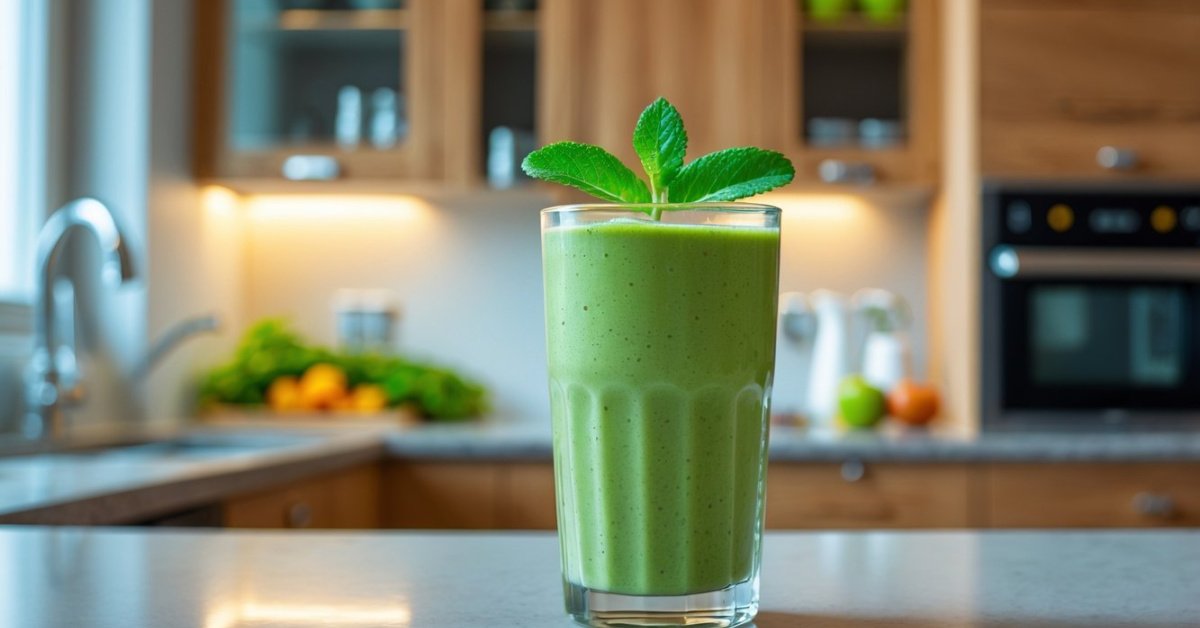
I blend kale, spinach, green apple, and banana for this fiber-packed option. I toss in a tablespoon of chia seeds and rolled oats, then pour in unsweetened almond milk for a creamy base. This mix delivers both soluble and insoluble fiber, energizing the gut microbiome and supporting sustained energy.
Berry Oatmeal Digestive Smoothie
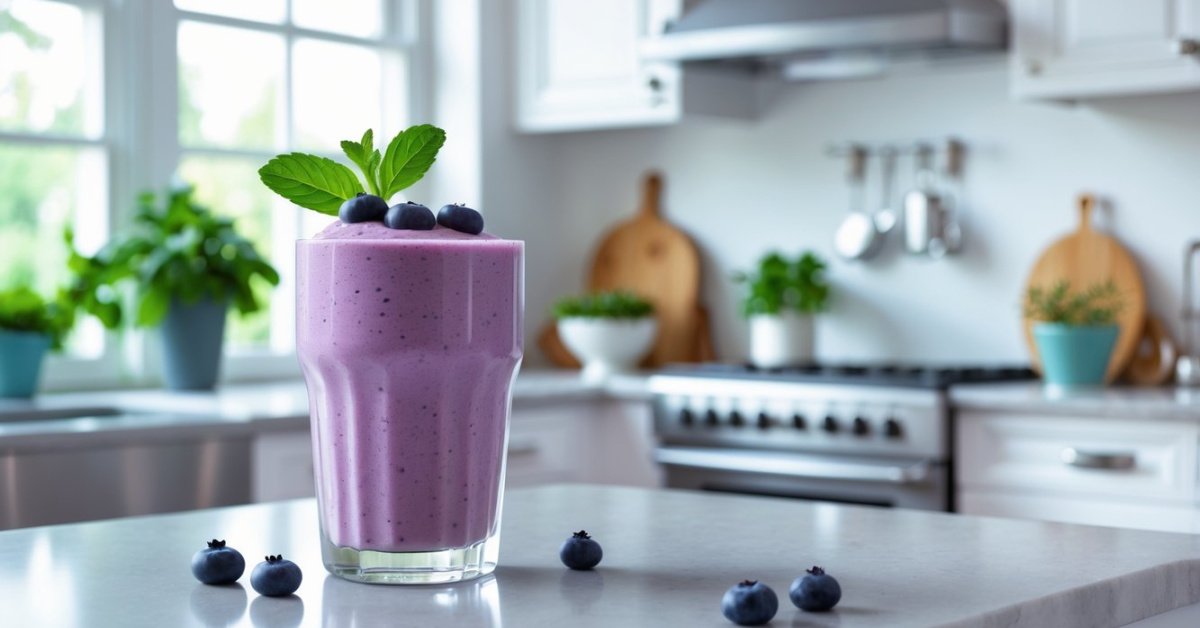
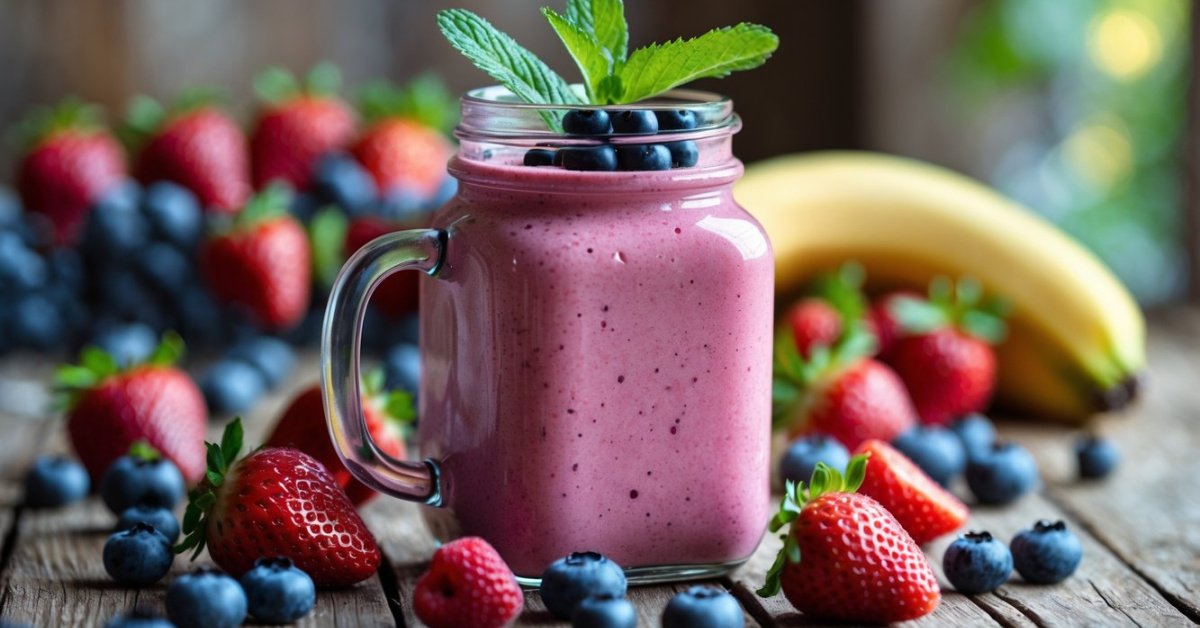
I use frozen raspberries, blueberries, and half a pear for natural sweetness in this recipe. I add rolled oats and a spoonful of ground flaxseed for extra fiber and healthy fats. I finish with low-fat kefir or plain yogurt to introduce probiotics and boost the smoothie’s digestive power. These ingredients combine for a tangy, satisfying drink that supports gut regularity.
Tropical Chia Fiber Smoothie
I blend frozen mango, pineapple, and a small ripe banana to create a vibrant, sweet base. I add two tablespoons of chia seeds and a quarter of an avocado for creamy texture and high fiber content. I choose coconut water or unsweetened almond milk as the liquid for this smoothie, increasing hydration while keeping the blend light. This tropical recipe fuels healthy digestion and delivers a taste of summer.
Tips for Incorporating Fiber-Rich Smoothies Into Your Diet
I make smoothies every day in my shop and at home, so I’ve learned a few tricks for bringing more fiber into a daily routine without sacrificing flavor. Here’s how I guide my customers and friends when they want to blend for gut health.
How Often to Enjoy Smoothies
I recommend drinking fiber-rich smoothies once a day to support digestion and keep gut bacteria active. Many people in my shop grab them for breakfast, though some prefer enjoying one for a snack or light meal. Blending fiber-rich ingredients like chia seeds, oats, and leafy greens into one smoothie each day often provides a noticeable difference in regularity and comfort without overwhelming the digestive system.
Potential Digestive Side Effects and How to Avoid Them
I sometimes see customers experience mild bloating or gas when they first add more fiber to their smoothies. Introducing fiber-rich smoothies gradually helps avoid these effects—try starting with half-portions or fewer high-fiber ingredients for the first week. Drinking plenty of water alongside smoothies supports fiber movement through the gut, minimizing discomfort. Choosing gentle fibers, like rolled oats or ripe bananas, over heavier sources such as raw kale or large amounts of flaxseed, keeps blends enjoyable and supports a smooth transition to higher fiber intake.
Conclusion
Making fiber-rich smoothies a regular part of my routine has made a real difference in how I feel each day. I love knowing that with just a few simple ingredients I’m doing something great for my gut and my overall well-being.
If you’re looking for a tasty and easy way to give your digestive system a boost these smoothies are a game changer. Here’s to happy guts and delicious blends—cheers to your health!