
I’ve always loved starting my day with a smoothie—it’s quick, tasty, and packed with nutrients. But what really surprised me was learning how the right blend of ingredients can do more than just satisfy my cravings. Some smoothies can actually help lower cholesterol levels and support heart health.
If you’re looking for a delicious way to take care of your heart, you’re in the right place. I’ve found that with a few simple swaps and smart choices, you can blend up drinks that are both satisfying and good for your cholesterol. Let’s dive into how easy it is to turn your daily smoothie into a heart-healthy habit.
Understanding Cholesterol and Its Impact on Health
Cholesterol describes a fatty substance the body uses to build cells and produce certain hormones. My focus on smoothie ingredients comes from knowing cholesterol travels in the bloodstream as either LDL (low-density lipoprotein) or HDL (high-density lipoprotein). LDL, known as “bad” cholesterol, can lead to plaque buildup in arteries. HDL, called “good” cholesterol, helps carry excess cholesterol away from arteries to the liver for removal.
High LDL levels increase risk for heart disease and stroke, confirmed by CDC data and American Heart Association guidelines. Each change in daily habits, such as adding more fiber-rich or antioxidant-rich smoothie ingredients, impacts cholesterol levels and heart health directly.
Many ingredients like oats, plant-based milks, berries, flax seeds, and leafy greens have soluble fiber or plant sterols that can naturally lower LDL cholesterol. For example, using spinach, apple, and flax together in one blend creates a unique combination for cholesterol reduction. With each ingredient choice, I target specific cholesterol factors while keeping smoothies both delicious and heart-friendly.
How Smoothies Can Help Lower Cholesterol
Smoothies offer an easy way to blend heart-healthy foods into daily routines. I mix nutrient-dense ingredients in my shop to help my customers lower their cholesterol, support heart health, and create tasty drinks they enjoy.
Key Ingredients for Cholesterol Reduction
I choose smoothie ingredients for their impact on cholesterol management:
- Oats: I add rolled oats to smoothies to deliver soluble fiber, which Harvard Health notes removes LDL (bad cholesterol) from the bloodstream.
- Berries: I use blueberries, strawberries, and raspberries to provide polyphenols and fiber, offering antioxidant effects and cholesterol support as referenced by the USDA.
- Leafy Greens: I blend spinach and kale in recipes because these greens offer lutein and carotenoids, supporting artery health and lowering cholesterol as shown in Nutrition Reviews.
- Plant-Based Milks: I pick almond or soy milk instead of dairy for smoothies, boosting heart-healthy fats and cutting saturated fat.
- Flax Seeds & Chia Seeds: I sprinkle ground flax and chia into shakes to include omega-3 fatty acids, which AHA research links to healthier cholesterol.
- Avocado: I blend avocado for creamy texture while increasing monounsaturated fats, reducing LDL, and leaving HDL (good cholesterol) unchanged according to Mayo Clinic guidance.
Nutritional Benefits of Smoothies
I create smoothies that deliver a concentrated source of cholesterol-lowering nutrients:
- High Fiber: I craft fiber-rich blends to slow cholesterol absorption and improve digestion for regular customers.
- Healthy Fats: I use seeds, nut butters, and avocados in recipes for unsaturated fat that supports heart health.
- Antioxidants: I rely on berry and leafy green ingredients to combat oxidative stress and further lower cholesterol risk.
- Customization: I design every smoothie to allow ingredient swaps for specific health needs, which gives everyone control over sugar, fat, and fiber content.
| Ingredient | Fiber (g, per serving) | Type of Fat | Cholesterol Benefit |
|---|---|---|---|
| Rolled Oats | 4 | N/A | Lowers LDL, increases excretion |
| Flax Seeds | 3 | Omega-3, unsaturated | Reduces LDL, increases HDL |
| Avocado | 3 | Monounsaturated | Reduces LDL, supports healthy cholesterol balance |
| Spinach (1 cup) | 0.7 | N/A | Adds lutein and antioxidants |
| Blueberries | 3.6 | N/A | Polyphenol antioxidants, supports artery health |
My goal remains to share combinations and techniques so anyone can create smoothies at home that fit personal health goals.
Best Smoothie Recipes for Reducing Cholesterol Levels
I often hear customers ask for drink ideas that actually help manage their cholesterol. I always share the top ingredient combinations I use in my own smoothie shop for heart health. Each recipe below uses proven cholesterol-lowering elements and highlights the kind of fresh, nutrient-packed ingredients I always keep stocked.
Green Smoothie Recipes
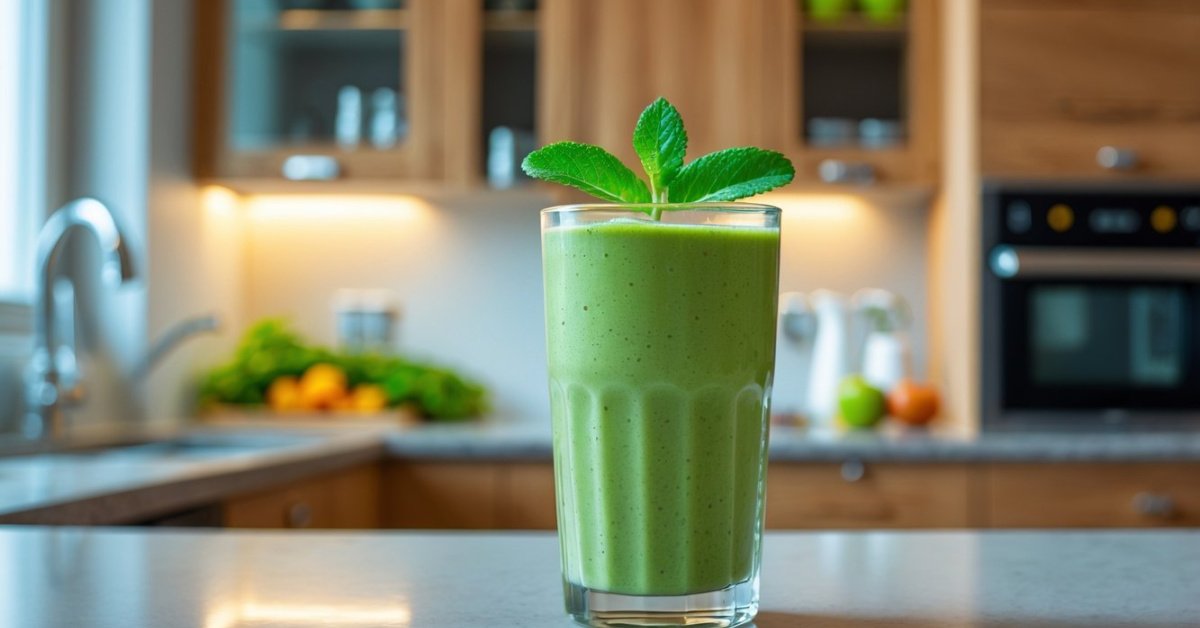
Green smoothies provide a fast way to boost fiber, plant sterols, and antioxidants. I blend spinach or kale, both research-backed for supporting heart health (sources: USDA, American Heart Association). I add half an avocado for creamy texture and heart-healthy monounsaturated fats. For sweetness and a fiber punch, I toss in one green apple or a cup of frozen pineapple. Chia or flax seeds add soluble fiber, which helps lower LDL cholesterol. Oat milk keeps everything smooth and dairy-free. My favorite combo:
- 1 cup baby spinach
- ½ avocado
- 1 small green apple
- 1 tablespoon chia seeds
- 1 cup oat milk
Berry-Based Smoothie Recipes
Berry-based smoothies focus on powerful antioxidants and soluble fiber. I blend a mix of strawberries, blueberries, and blackberries—each shown to reduce oxidative stress and support lower cholesterol (Harvard T.H. Chan School of Public Health). I combine ¾ cup of mixed berries with 1 tablespoon of ground flaxseed, which brings lignans and fiber. Greek yogurt thickens and adds protein, while almond milk makes the blend extra smooth. One recipe people love:
- ¾ cup mixed berries
- 1 tablespoon ground flaxseed
- ½ cup plain Greek yogurt
- ¾ cup unsweetened almond milk
Nut and Seed Smoothie Recipes
Nut and seed smoothies offer plant-based omega-3s and sterols shown to lower LDL cholesterol (Mayo Clinic). In my shop, I blend 2 tablespoons of raw walnuts or almonds with a ripe banana for natural sweetness. I add ground flaxseed or chia seeds for extra fiber. I finish with soy milk for more plant protein. This creamy, filling option is always popular after workouts or as a breakfast:
- 2 tablespoons raw walnuts or almonds
- 1 medium banana
- 1 tablespoon ground flaxseed
- 1 cup soy milk
Each of these smoothie recipes gives my customers, and anyone at home, a delicious and easy way to support cholesterol management with wholesome ingredients.
Tips for Making Effective Cholesterol-Lowering Smoothies
I craft every smoothie in my shop to support heart health without sacrificing flavor. The right blend of ingredients lets anyone enjoy delicious shakes that help maintain healthy cholesterol levels.
Choosing the Right Ingredients
I focus on fiber-rich and plant-based components for every cholesterol-friendly smoothie:
- Oats: I add rolled oats for beta-glucan—just 1/3 cup contains about 2 g. Beta-glucan helps lower LDL cholesterol, as cited by the American Heart Association.
- Leafy Greens: I favor spinach and kale for their high fiber and antioxidants. For each serving, I use one packed cup.
- Berries: I use blueberries, strawberries, and raspberries to deliver anthocyanins. These compounds support vascular health and supply up to 4 g fiber per cup.
- Flax and Chia Seeds: I add 1-2 tablespoons of ground flaxseed or chia seeds for soluble fiber and ALA fatty acids, both linked to lower cholesterol.
- Plant-Based Milks: I select unsweetened almond, oat, or soy milk for smoothies. Each contains less saturated fat than dairy, allowing me to keep smoothies light and creamy.
- Avocado: I include 1/4 avocado to provide heart-healthy monounsaturated fats that support better cholesterol ratios.
Avoiding Common Pitfalls
I avoid excess sugars and saturated fats in every smoothie batch:
- Sweetener Overload: I rarely use honey, agave, or maple syrup. Instead, I rely on the natural sweetness of fruits like bananas and dates to sweeten blends.
- Full-Fat Dairy: I skip full-fat yogurts and ice cream, since these raise saturated fat, impacting LDL cholesterol. If I use yogurt, I choose low-fat or plant-based alternatives.
- Fruit Juice Bases: I choose whole fruit over fruit juice since juice adds sugar but lacks fiber. Using whole fruit preserves nutritional benefits and keeps blood sugar balanced.
- Portion Size: I keep servings at 12-16 oz. Oversized smoothies may add excess calories, reducing heart-health benefits.
By selecting the right ingredients and avoiding common pitfalls, I build every smoothie for great taste, proper nutrition, and optimal cholesterol management.
Incorporating Smoothies Into a Heart-Healthy Lifestyle
Blending smoothies into a daily routine fits easily with a heart-healthy lifestyle. I see many customers adding smoothie time to breakfast or swapping a snack for a nutrient-packed shake. Choosing plant-based milks, leafy greens, berries, and seeds gives smoothies plenty of cholesterol-lowering power while keeping flavors fresh and appealing.
Personalizing smoothies for heart health means picking the right mix of high-fiber and antioxidant ingredients. I recommend using oats for soluble fiber, chia or flax for healthy fats, and berries for polyphenols, all in one blend. These ingredients, shown in studies from the American Heart Association, support maintaining optimal cholesterol levels.
Balancing the rest of the diet with smoothie choices helps maximize results. I combine smoothies with fiber-rich whole grains, lean proteins such as beans or fish, and plenty of vegetables throughout the day. Eating healthy fats from nuts and avocados together with smoothies supports heart health and provides lasting energy.
Planning my shopping keeps healthy smoothie ingredients on hand. I stock frozen berries, rolled oats, nut butters, seeds, and plant-based milks in my shop and recommend others do the same at home. This makes it easier to blend a balanced, heart-friendly smoothie, whether prepping for the week or grabbing a quick snack.
Pairing smoothies with an active lifestyle reinforces cholesterol management. I encourage daily walks or other exercise since physical activity, along with a heart-focused diet, helps reduce LDL cholesterol and promotes cardiovascular health. This combination, supported by the CDC and American Heart Association, boosts the positive impact of every smoothie.
Conclusion
Making smoothies part of my daily routine has truly changed the way I approach heart health. With just a few simple swaps and some thoughtful ingredient choices I can enjoy delicious drinks that support my cholesterol goals.
I love that smoothies are so easy to personalize and fit into any schedule. With the right ingredients on hand it’s simple to blend up something tasty and nourishing that helps me feel my best every day.