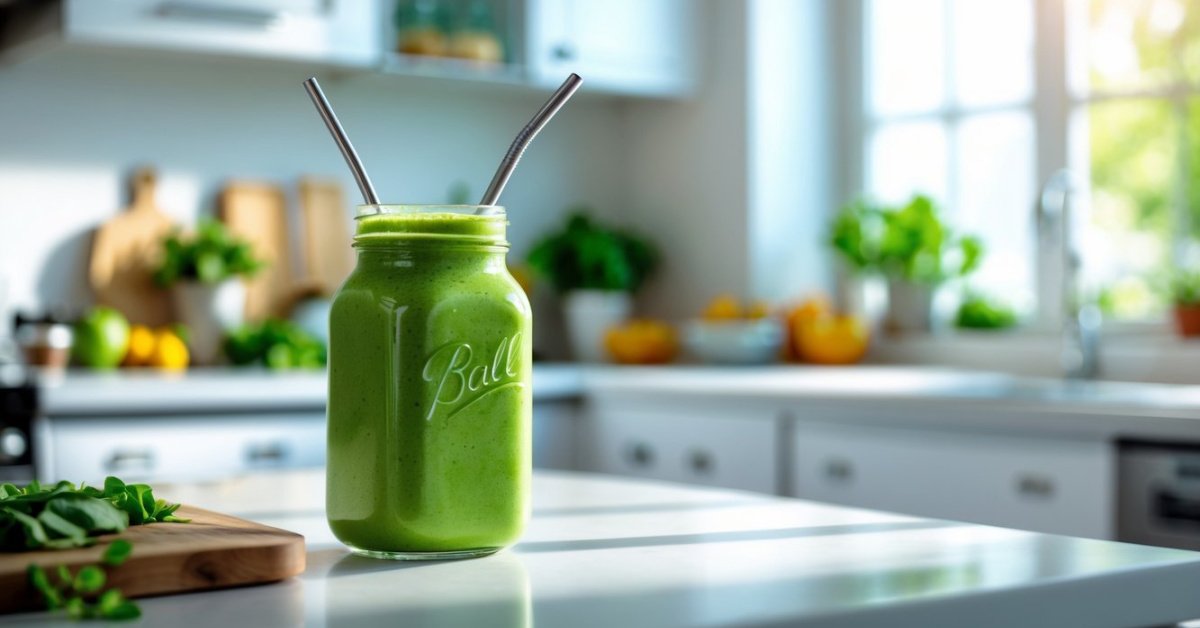
Whenever I blend up a healthy shake I always wonder just how much I should pour into my glass. It’s easy to assume that if the ingredients are good for me then more must be better but that’s not always the case. Even the healthiest shakes can pack in extra calories or sugar if I’m not paying attention to portion sizes.
Finding the right balance helps me get the nutrition I want without overdoing it. Whether I’m whipping up a breakfast smoothie or a post-workout shake I want to make sure I’m fueling my body in the best way possible. Let’s take a closer look at why portion sizes matter and how I can keep my shakes both tasty and healthy.
Understanding Portion Sizes for Healthy Shakes
Measuring portion sizes for healthy shakes starts with understanding what’s in the cup. Typical servings for smoothies and shakes in a smoothie shop like mine range from 12 to 16 ounces. Going above 16 ounces increases calorie and sugar intake fast, especially when using fruit bases like bananas, mangos, or sweetened yogurts.
Balancing ingredients keeps shakes nutrient-dense without excess. When I build a shake, I use 1 small banana or ½ cup of berries for fruit, 1 cup of leafy greens like spinach or kale, and 1 cup of liquid, like unsweetened almond milk or low-fat dairy. For add-ins, I stick to 1 tablespoon of nut butter or seeds, and keep protein powder to 1 scoop (about 20-25 grams).
Calculating macronutrients helps keep portions on track:
| Ingredient Group | Standard Portion | Calories (Approximate) |
|---|---|---|
| Fruit | ½ – 1 cup | 60-120 |
| Greens | 1 cup | 5-10 |
| Liquid Base | 1 cup | 30-100 |
| Protein Powder | 1 scoop | 100-130 |
| Nut/Seed Add-In | 1 tablespoon | 30-90 |
Using smaller measuring cups and a kitchen scale ensures consistency. Serving sizes for healthy shakes work best when the final total stays within 250 to 350 calories for a snack, or up to 500 calories for a meal replacement. Portion control stays just as important as ingredient choice, so shakes deliver nutrients without overwhelming your daily calorie goals.
Key Factors That Affect Portion Sizes
Portion sizes for healthy shakes depend on several factors directly connected to nutrition and the types of ingredients used. When I create shakes for my shop or at home, I always consider what people want from their blends and how every component changes the nutritional balance.
Nutritional Goals and Caloric Needs
Portion sizes always start with the drinker’s nutritional goals. When I’m customizing a shake, I look at whether it’s for a meal replacement, a pre- or post-workout boost, or a light snack. For instance, a post-workout shake might include extra protein powder or seeds, while a snack shake stays lighter with fewer calories. According to the USDA, meal replacement shakes usually range up to 500 calories, while snack versions stay between 250 and 350 calories. Age, activity level, and health objectives—such as muscle gain or weight management—directly affect the target portion size for each individual.
Ingredients and Their Impact
Ingredients directly change caloric and nutrient density in every shake. I always measure fruits, greens, liquids, and boosters to avoid excess sugars and calories. Dense ingredients like nut butters or seeds add healthy fats and protein but ramp up calories quickly—for example, 1 tablespoon of peanut butter adds about 90 calories. Liquid bases like juices or sweetened plant milks boost sugar rapidly, while unsweetened plant or dairy milk keep portions balanced. Using leafy greens like spinach or kale fills out shakes and boosts nutrients without spiking calories. Every ingredient swap or addition shifts the portion size I serve, and when I want to maintain a shake’s health focus, I use precise measurements and adjust based on what goes in the blender.
Recommended Portion Sizes for Different Needs
I always match shake portion sizes to dietary goals, whether for weight loss, maintenance, or muscle building. Every recipe in my smoothie shop reflects an intentional balance—helpful for getting the right nutrients without overdoing calories or sugar.
Weight Loss and Maintenance
I make shakes for weight loss or maintenance using modest serving sizes and nutrient-dense, low-calorie ingredients. For these shakes, I stick with 12-ounce portions or 1½ cups, using about 1 cup unsweetened almond milk or water as the liquid base.
- Fruits: ½ small banana or ½ cup berries (raspberries, blueberries)
- Greens: 1 cup spinach or kale
- Protein: ½ scoop (about 10–15g) plant-based or whey protein powder
- Fats: ½ tablespoon chia seeds or nut butter
These portions create shakes with 200–250 calories, so customers and I both stay satisfied, not stuffed. If the shake substitutes a meal, I increase the portion slightly and add up to 1 tablespoon healthy fats or a little extra protein, keeping total calories near 350.
Muscle Gain and Athletic Performance
I design shakes for muscle gain and recovery with increased calories, protein, and healthy fats. These larger 16–20-ounce shakes fit well as a meal replacement or powerful post-workout option.
- Fruits: 1 whole banana or 1 cup mixed berries
- Liquid: 1–1½ cups milk or unsweetened soy milk
- Protein: 1 full scoop (20–25g) protein powder
- Fats: 1 tablespoon almond butter or ground flaxseed
- Carbs: ¼ cup rolled oats or cooked sweet potato
Totals for these shakes consistently reach 350–500 calories with 20–30g protein, supported by 5–10g fiber and higher natural carbohydrate content needed for active lifestyles. I always measure ingredients with a kitchen scale or measuring cups for accuracy and results my customers trust.
| Shake Type | Portion Size (oz) | Calories | Protein (g) | Example Ingredients |
|---|---|---|---|---|
| Weight Loss/Maintenance | 12 | 200–250 | 10–15 | ½ cup berries, 1 cup greens, ½ protein scoop |
| Meal Replacement | 16 | 300–350 | 15–20 | 1 banana, 1 cup milk, 1 scoop protein |
| Muscle Gain/Performance | 16–20 | 350–500 | 20–30 | 1 banana, 1½ cups milk, oats, 1 tbsp nut butter |
I always tailor shake portions with these frameworks for anyone blending at home, and for every order in my shop—combining great taste, quality nutrition, and goal-based customization.
Tips for Measuring and Controlling Shake Portions
Accurate portion control delivers consistent nutrition and prevents excess calories in every shake. At my smoothie shop and in my own kitchen, I’ve found precise measuring gives the best results without sacrificing taste or health.
Tools and Techniques for Accurate Portioning
- Measuring cups and spoons—Measuring cups and spoons give the most consistent ingredient amounts for fruits, greens, liquids, nut butters, seeds, and powders. For example, I use 1 cup for milk or water, ½ cup for berries, and 1 tablespoon for seeds.
- Kitchen scale—A kitchen scale lets me weigh dense add-ins like frozen fruits or nut butters accurately to avoid accidental over-pouring. I often use 15g for chia seeds or 30g for nut butters.
- Pre-portion containers—Small reusable containers or prep bags help me pre-portion ingredients for single servings, which speeds up blending and controls serving size during busy mornings.
- Blender lines—Many blenders have ounce and cup lines, so I check these as I add liquids to avoid overfilling and creating a shake that exceeds my target portion.
Common Portion Size Mistakes to Avoid
- Overfilling the blender jar—Filling the blender past the single-serve mark increases batch size, making shake calories 30%-50% higher than intended.
- Estimating by eye—Pouring ingredients without measuring typically leads to larger portions. For example, an unmeasured banana or handful of nuts often doubles calorie intake.
- Ignoring high-calorie add-ins—Toppings like granola, honey, or extra nut butter can push a shake over 500 calories, especially if added without measuring.
- Not adjusting for multiple servings—Blending for more than one person and not dividing shakes equally commonly results in unintentionally large individual portions. I always split blended shakes evenly into separate glasses when sharing.
- Forgetting to account for liquid calories—Using juices, sweetened plant milks, or flavored yogurts instead of water can quickly add 50-100 extra calories per serving if I don’t measure and select low-calorie options.
These practical steps keep every shake portion controlled while letting my favorite whole-food ingredients stand out. Accurate measuring keeps smoothies healthy, delicious, and matched to any nutrition goal.
Conclusion
Finding the right portion size for healthy shakes isn’t about strict rules—it’s about balance and paying attention to your goals. Once I started measuring my ingredients and being mindful of what I added to my blender, my shakes became more satisfying and aligned with my nutrition needs.
It’s amazing how a few simple tweaks can make shakes both delicious and supportive of your health journey. With a little practice and the right tools, you’ll enjoy every sip knowing you’re fueling your body just right.