
I’ve always looked for ways to keep my energy steady throughout the day without feeling those dreaded sugar crashes. That’s when I discovered low-glycemic shakes. They’ve quickly become my go-to option for a quick meal or snack that actually keeps me feeling full and focused.
Low-glycemic shakes aren’t just another health fad—they offer real benefits for anyone wanting to manage blood sugar or simply eat smarter. Whether I’m rushing out the door or winding down after a workout these shakes fit right into my busy routine. Let’s take a closer look at why they’re worth adding to your daily lineup.
Understanding Low-Glycemic Shakes
When I talk about low-glycemic shakes, I mean blends made with ingredients that have a minimal impact on blood sugar. These shakes use low-glycemic index (GI) foods—like spinach, berries, nuts, and unsweetened plant-based milks—that release glucose slowly rather than causing spikes. I focus on using these ingredients because they offer steady energy, which customers at my smoothie shop appreciate.
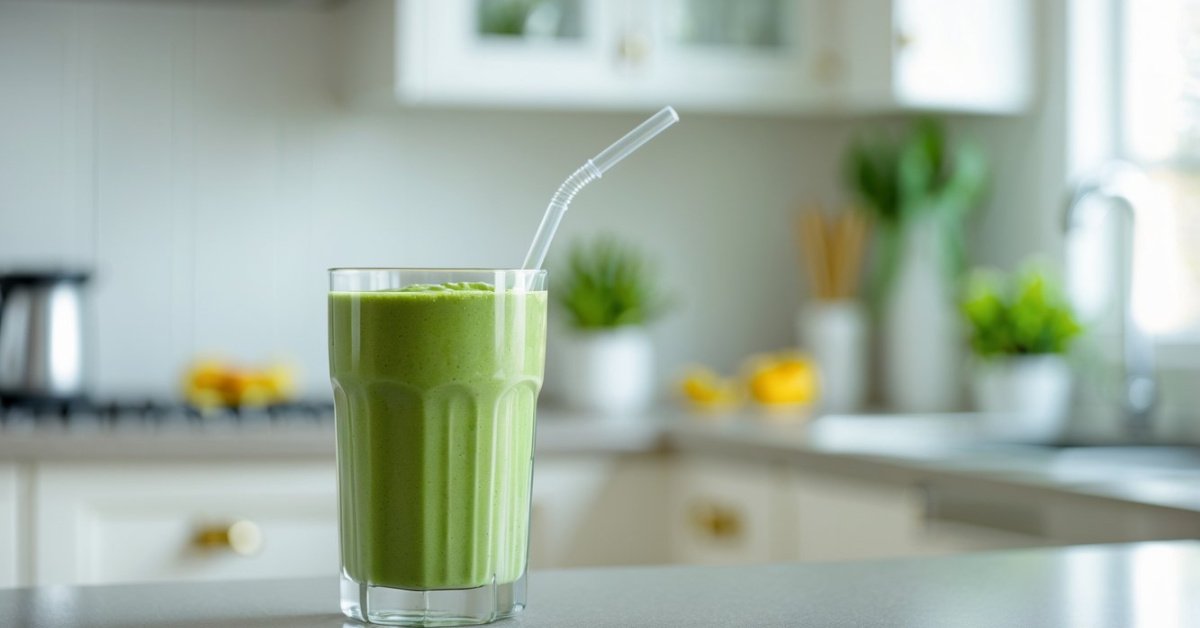
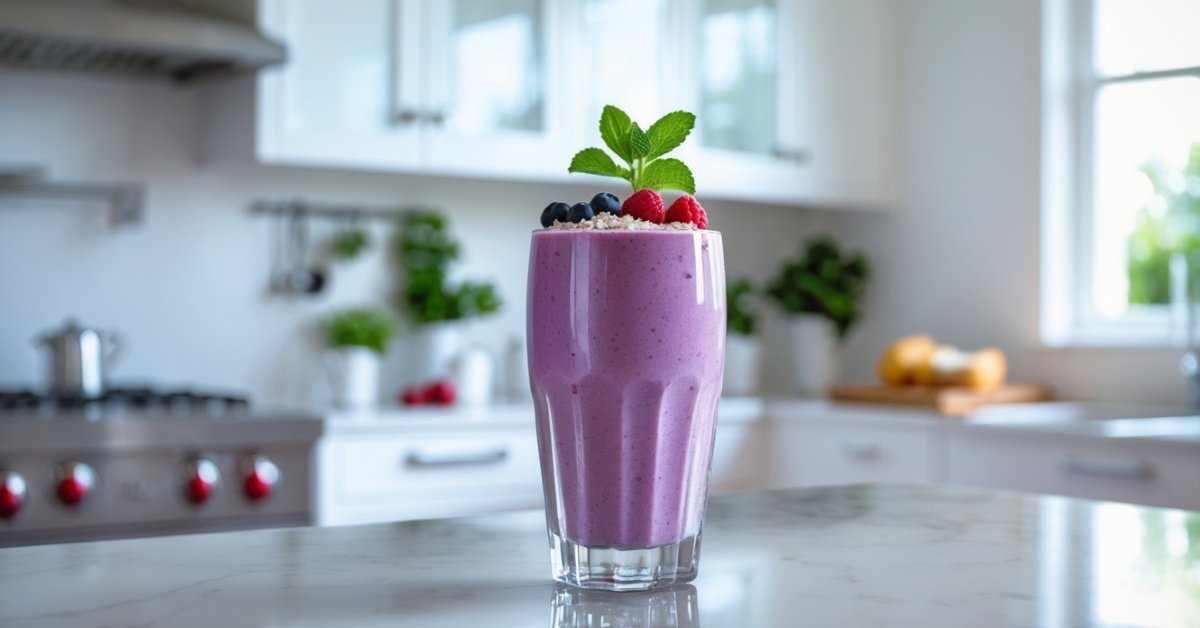
Low-glycemic shakes stand out by supporting balanced energy throughout the day. I use rolled oats, chia seeds, and protein powders (like pea, whey, or hemp) since these keep the glycemic load low and add nutritional value. Instead of high-GI sweeteners like honey or cane sugar, I choose pureed fruit or a few drops of stevia to add flavor without the sugar rush. Examples from my menu include blueberry-almond blends and spinach-avocado shakes, each built around whole foods with steady energy in mind.
Every ingredient in my low-glycemic shakes serves a purpose: fiber-rich greens, low-sugar fruits, healthy fats, and clean proteins. These not only help manage blood sugar but also help my customers feel full and satisfied. If making shakes at home, I always recommend reading labels on protein powders and plant-based milks, selecting options with no added sugars.
I see customers looking for meal replacements, post-workout fuel, or a quick breakfast often choose these shakes. Consistent, balanced energy is the common need, and it’s the main feature of every low-glycemic shake I create.
Key Nutritional Components
Low-glycemic shakes rely on nutrient-dense ingredients to support energy, satiety, and long-term wellness. When I create recipes in my shop or at home, I focus on maximizing protein, fiber, and micronutrients with every blend.
Protein Content and Muscle Support
Protein serves as the main foundation for building and repairing muscle. In my shakes, I often use plant-based proteins like pea, hemp, or organic soy, along with Greek yogurt or clean whey isolate. For example, a scoop of pea protein or a cup of Greek yogurt supplies about 15–20 grams of high-quality protein per serving. This macronutrient not only curbs hunger for several hours but also supports muscle health, especially after exercise. Nut butters and seeds, such as almond butter or chia, further boost protein content while keeping the shake’s glycemic index low.
Fiber for Digestive Health
Fiber promotes digestive balance, regulates blood sugar levels, and increases the feeling of fullness. I love using rolled oats, chia seeds, or ground flax in my recipes—2 tablespoons of chia seeds alone give around 8 grams of fiber. Leafy greens, such as kale and spinach, plus berries like raspberries or blackberries, also add significant soluble and insoluble fiber. Each of these enhances gut health, smooths out energy release, and keeps cravings in check.
Essential Vitamins and Minerals
Low-glycemic shakes provide a rich array of vitamins and minerals, thanks to ingredients like spinach, kale, blueberries, and fortified plant milks. A cup of spinach blended into a shake delivers notable amounts of vitamin K and folate, while half a cup of blueberries packs in vitamin C and antioxidant anthocyanins. I often add seeds—like pumpkin or hemp—for magnesium, iron, and zinc. When blending at home, I recommend rotating greens, fruits, and nut milks to keep micronutrient intake broad and balanced.
Health Benefits of Low-Glycemic Shakes
Low-glycemic shakes deliver distinct nutritional advantages by combining balanced ingredients that support daily wellness. As someone who crafts these shakes for customers every day, I’ve seen their positive impacts firsthand.
Blood Sugar Management
Low-glycemic shakes stabilize blood sugar due to their ingredient choices. I use rolled oats, berries, chia seeds, and unsweetened plant milks, which each have a glycemic index under 55. These foods help prevent quick glucose spikes after drinking a shake, supporting steady blood sugar throughout the morning or afternoon. Customers with diabetes or those monitoring their blood sugar report feeling fewer energy crashes after choosing these shakes compared to higher-sugar alternatives.
Weight Control and Satiety
Low-glycemic shakes support healthy weight control by encouraging satiety. When I blend fiber-rich greens and plant proteins like pea or hemp, I consistently see customers feel full longer and experience fewer cravings between meals. For example, a shake with 6 grams of fiber and 18 grams of protein provides substantial fullness for at least 2–3 hours. This fullness factor makes them an effective choice for meal replacements or nutritious snacks during a busy day.
Sustained Energy Levels
Low-glycemic shakes promote sustained energy levels due to their slow-digesting carbohydrates, proteins, and healthy fats. When I recommend a morning shake with oats, banana, and nut butter to regulars at my shop, they tell me their energy remains consistent until lunchtime. By avoiding high-GI sweeteners and instead using whole fruits or a touch of stevia, these shakes give a steady supply of energy, making them ideal for workouts, workdays, or active lifestyles.
Comparing Low-Glycemic Shakes With Traditional Shakes
Low-glycemic shakes differ from traditional shakes in several key ways. I focus on ingredient choices, glycemic response, and nutritional density to create the biggest health impacts for my customers.
Ingredients and Sweeteners
Low-glycemic shakes use whole foods, like spinach, berries, rolled oats, chia seeds, and plant-based milks. I leave out added sugars, choosing mashed fruit or stevia to sweeten each blend. Traditional shakes often rely on high-GI fruits, fruit juices, ice cream, or syrups. These ingredients spike blood sugar and leave people feeling hungry soon after drinking.
Glycemic Response and Satiety
Low-glycemic shakes keep blood sugar steady. I see regulars at my shop using these shakes to avoid post-meal crashes. With slow-releasing carbohydrates and higher fiber, these blends support longer-lasting fullness. Traditional shakes cause quick blood sugar spikes, which can lead to fast energy drops and cravings within 60–90 minutes.
Nutrient Density and Balance
Low-glycemic shakes pack in plant proteins, fiber, and vitamins. I always layer ingredients like kale, seeds, and unsweetened nut milks to boost overall nutritional value. Traditional shakes, especially commercial ones, contain fewer micronutrients and often lack the protein or fiber that helps people feel satisfied.
Calories and Portion Control
Low-glycemic shakes typically have lower caloric density. Because I use nutrient-dense ingredients that fill you up, it’s easier to enjoy a satisfying meal-sized shake under 300 calories. Traditional shakes made with ice cream or juice can quickly exceed 400 calories per serving.
| Shake Type | Glycemic Impact | Typical Sweeteners | Key Nutrients | Satiety Level | Avg. Calories/Serving |
|---|---|---|---|---|---|
| Low-Glycemic Shake | Low | Stevia, low-GI fruits | Protein, fiber, vitamins/minerals | High | 200–300 |
| Traditional Shake | High | Sugar, ice cream, syrups | Simple carbs, fats, some protein | Low/Medium | 350–500+ |
Blending at home, I recommend choosing ingredients low on the glycemic index, adding plant-based protein, and skipping added sugars to mirror the kind of shake that’s become most popular at my shop. This approach helps support steady energy and overall health for everyone who walks through my door.
Considerations When Selecting a Low-Glycemic Shake
Ingredient quality matters when blending low-glycemic shakes at home, so I always check labels or choose whole foods for the best taste and nutrition. Organic spinach, wild blueberries, and unsweetened almond milk offer both flavor and a true low-glycemic profile—freshness and purity in every blend. Avoiding added sugars or syrups is essential for maintaining low-GI benefits, which means I use ripe pears, pureed strawberries, or stevia for sweetness.
Macronutrient balance sets great low-glycemic shakes apart. I include proteins like organic pea isolate or strained Greek yogurt, paired with rolled oats or chia seeds, to ensure each shake delivers at least 15 grams of protein and 6 grams of fiber per serving. Taste and texture come from creamy nut butters, soft tofu, or avocado—these ingredients support balanced energy with minimal glycemic impact.
Portion size influences blood sugar response, so I measure each batch to avoid excessive calories or carbs. Typically, I blend 12- to 16-ounce shakes using no more than 1 cup of fruit and 2 tablespoons of seeds or nuts. Consistent size prevents hidden spikes, supporting a stable glycemic load.
Product transparency means everything for packaged options. I select brands that provide clear nutrition facts, detailed ingredient lists, and full disclosure about added sugars or sweeteners. When making shakes at home, these same principles guide me—I want my customers and family to know exactly what they’re enjoying.
Personal dietary needs also guide ingredient selection. For example, dairy-free milks like oat or coconut work for lactose intolerance, while hemp or sunflower butters offer allergy-friendly alternatives to peanuts or tree nuts. I also rotate greens (like kale, arugula, or spinach) and switch protein sources to support well-rounded nutrition for diverse needs.
Conclusion
Low-glycemic shakes have become a staple in my daily routine and in the lives of many of my customers. Their blend of whole food ingredients and balanced nutrition offers a smart way to stay energized and satisfied.
I love how easy it is to customize these shakes to fit different needs and preferences. Whether you’re looking for a quick breakfast or a nourishing post-workout meal they deliver steady fuel without the sugar rush.
If you’re looking to support your health and keep your energy on track I encourage you to give low-glycemic shakes a try. They just might become your new go-to too.