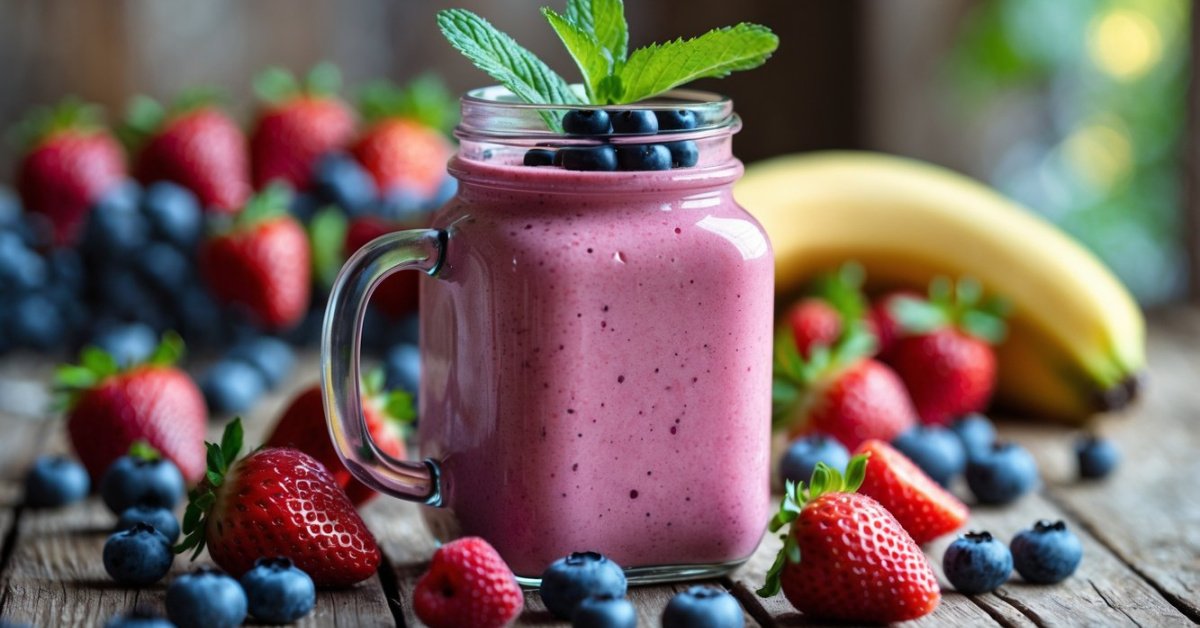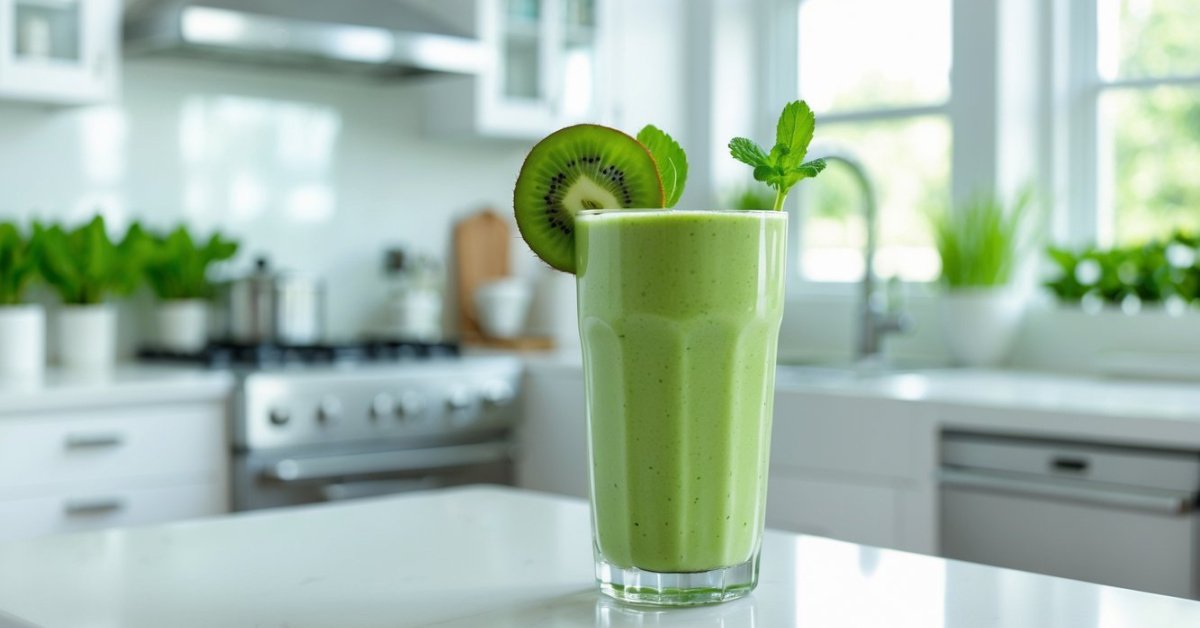
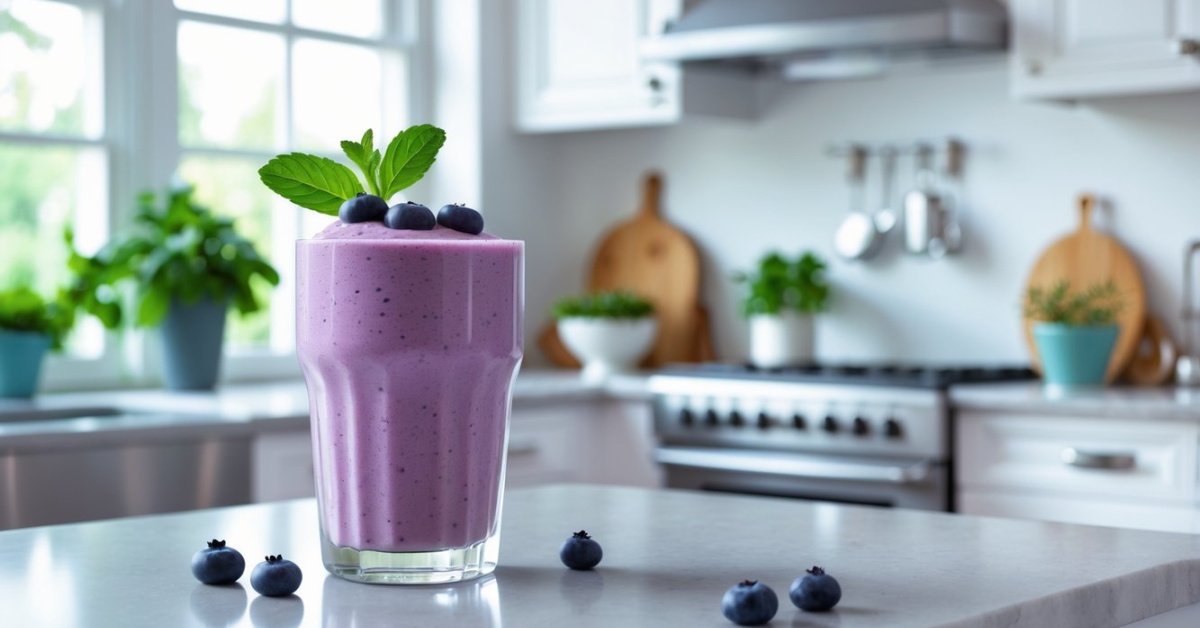
I love starting my day with a smoothie. It’s a quick way to pack in a bunch of nutrients without spending ages in the kitchen. Plus I get to experiment with flavors and ingredients that actually make healthy eating fun.
But smoothies aren’t just tasty—they can do wonders for my metabolic health too. Blending up fruits veggies and other wholesome add-ins gives my body the fuel it needs to keep energy levels steady and cravings in check. I’ve noticed that the right smoothie can help me feel more balanced and ready to take on whatever the day throws at me.
The Connection Between Smoothies and Metabolic Health
Balanced smoothies support metabolic health by delivering fiber, protein, and healthy fats in the right proportions. In my shop, I blend ingredients like spinach, chia seeds, almond butter, and unsweetened yogurt since these whole foods slow glucose absorption and help keep blood sugar stable after drinking. Consistent blood sugar plays a major role in reducing energy crashes and curbing cravings, which aligns with research from Harvard Medical School on glycemic control.
Vitamins and minerals from fruits, vegetables, and seeds support enzyme function in metabolic pathways. I often add berries, kale, or flaxseed since these provide nutrients like magnesium and B vitamins, which help turn food into usable energy. When smoothies supply these cofactors, my customers notice improved stamina throughout the day.
Dairy and plant-based proteins in smoothies, such as Greek yogurt or pea protein, help promote satiety and preserve lean muscle mass. This lean tissue increases the basal metabolic rate, according to the Cleveland Clinic, and enables the body to burn more calories at rest. By balancing protein with fiber, I help customers avoid blood sugar spikes that can follow sweet snacks and sugary shakes.
Low-sugar choices maintain the metabolic benefits of a smoothie. I encourage blending in unsweetened almond milk, avocado, and berries instead of juices or syrups, because keeping the total sugar content below 15g per serving leads to steadier energy and appetite control. This strategy gathers support from studies published in the journal “Nutrition Reviews,” which link lower added sugars to improved glucose and insulin responses.
By carefully choosing smoothie ingredients and ratios, I aim to maximize flavor and offer consistent metabolic benefits to everyone making or buying a smoothie at home or in my shop.
Key Nutrients in Smoothies That Boost Metabolism
Smoothies blend key nutrients that play an active role in supporting a healthy metabolism. I focus on using ingredients with high nutritional value to help my customers start their days energized and balanced.
Fiber for Blood Sugar Control
Fiber in smoothies regulates blood sugar levels. I use chia seeds, flaxseed, spinach, and berries because these contain soluble fiber that slows sugar absorption and extends energy release. Customers at my shop tell me adding fiber-rich ingredients keeps them feeling full and prevents mid-morning energy crashes.
Protein for Satiety and Muscle Maintenance
Protein boosts satiety and helps maintain lean muscle, which supports metabolic rate. I often include Greek yogurt, plant-based protein powder, or nut butters in recipes. These protein sources keep my smoothies creamy and satisfying. Many customers notice they stay satisfied much longer after drinking my higher-protein blends, especially after workouts.
Antioxidants for Reducing Inflammation
Antioxidants from fruits and vegetables protect cells and reduce inflammation, which optimizes metabolic function. I love adding blueberries, spinach, kale, and matcha because these feature high antioxidant content. My regulars choose these options for their vibrant color, flavor, and the anti-inflammatory benefits that support overall metabolic health.
Best Ingredients for Metabolism-Boosting Smoothies
Picking the right ingredients matters for supporting metabolic health in every smoothie I create. I focus on vibrant produce and nutrient-dense add-ins to craft blends that energize and satisfy.
Leafy Greens and Vegetables
I include leafy greens and vegetables like spinach, kale, cucumber, and zucchini in nearly every smoothie. These ingredients provide magnesium, potassium, fiber, and antioxidants, supporting cellular energy and digestion. I notice spinach and kale keep sugar levels steady and bring a mild flavor that blends well with sweet or savory profiles. Cucumber and zucchini add hydration and texture without extra sugar or calories.
Low-Sugar Fruits
For sweetness without a blood sugar spike, I reach for low-sugar fruits such as berries, green apple, and kiwi. I see noticeable benefits from blueberries, strawberries, and raspberries—these fruits offer fiber, vitamin C, and protective phytonutrients that help metabolism and reduce inflammation. Green apple gives a tart boost and additional fiber while kiwi delivers vitamin C and a unique tropical note.
Healthy Fats and Add-Ins
Healthy fats and functional add-ins improve texture and help keep my customers full for hours. I add avocado, chia seeds, flaxseed, nut butters, and coconut oil to my favorite blends. These selections offer omega-3 fatty acids, plant protein, and slow-digesting fiber, further supporting balanced blood sugar and satiety. Chia and flaxseeds supply lignans and ALA omega-3s, while avocado provides creamy texture and potassium. Nut butters add flavor and lasting energy to every smoothie.
I blend these core groups daily in my shop to give every customer a great-tasting, metabolically supportive smoothie.
Tips for Making Metabolic Health-Friendly Smoothies
- Select High-Fiber Bases
I use greens like spinach, kale, and Swiss chard in every blend, since leafy fibers support healthy blood sugar and digestion.
- Add Quality Protein Sources
I include Greek yogurt, unsweetened plant-based protein, or silken tofu, with at least 10 grams per serving to support satiety and muscle.
- Choose Low-Sugar Fruits
I pick berries, kiwi, or green apple, since these fruits keep the glycemic load low and increase antioxidants.
- Incorporate Healthy Fats
I blend in avocado, chia seeds, flaxseed, or nut butters, because healthy fats slow absorption and enhance flavor.
- Go Easy on Sweeteners
I skip honey, agave, or sugar, instead I rely on fruit or a small date only if the fruit needs a boost.
- Balance Flavors and Textures
I mix tangy (like lemon juice) and creamy (like banana or yogurt) ingredients, since balance creates a satisfying and crave-worthy smoothie.
- Boost with Functional Add-ins
I add ground flaxseed, cinnamon, ginger, or matcha, as these options help inflammation and provide extra nutrients.
- Watch Portion Control
I keep servings around 12-16 ounces, because moderate volume prevents accidental overconsumption of calories or sugar.
- Blend Well for Better Digestion
I blend on high for at least 60 seconds, so the smoothie gets silky-smooth, helping my customers digest fiber-rich combos more easily.
- Prep Ingredients in Advance
I wash, chop, and store favorite blends, so anyone can throw a smoothie together quickly, making healthy choices easy every busy morning.
Potential Pitfalls and How to Avoid Them
Blending at home brings control over quality, but some mistakes can harm both flavor and metabolic benefits. I see these common pitfalls among new smoothie makers and customers.
- Overusing High-Sugar Fruits
Adding excess mango, banana, or pineapple can push sugar content above recommended daily levels. I use mostly low-sugar fruits like berries or green apple and keep sweet fruits to half-cup portions per serving.
- Skipping Protein or Healthy Fats
Omitting protein (Greek yogurt, protein powder, tofu) or healthy fats (avocado, nut butter, seeds) leaves smoothies unbalanced and spikes blood sugar. I blend equal portions of fiber, protein, and fat to support satiety and metabolic goals.
- Relying on Sugary Bases
Using sweetened almond milk, flavored yogurts, or juice adds unnecessary sugar. Unsweetened non-dairy milks and plain yogurt preserve flavor without compromising metabolic health.
- Neglecting Portion Sizes
Blending extra-large smoothies sometimes leads to unintentional overeating. I measure 12–16 ounces for standard servings and share recipes accordingly in my shop.
- Forgetting Variety
Repeating the same blend every day ignores micronutrient diversity. I rotate greens, swap protein types, and explore new add-ins like hemp seeds or ginger to keep my blends balanced and exciting.
Making each smoothie thoughtfully gives me full control over ingredients and nutrition. If I taste-test the mix before serving, adjust for sweetness or texture, and stick with this method, I consistently get the best results and support metabolic health for myself and my customers.
Conclusion
I’ve found that making smoothies a regular part of my routine has transformed the way I feel each day. There’s something empowering about choosing ingredients that nourish my body and support my metabolism.
Every blend is a chance to fuel myself with the right balance of nutrients while enjoying flavors I love. With a little creativity and attention to what goes into my blender I can keep my energy steady and cravings in check.
If you’re looking to give your metabolic health a boost or simply want a delicious way to start your mornings smoothies might just be the answer.