I know how frustrating it can be to toss and turn at night hoping for just a few more hours of restful sleep. Sometimes counting sheep just doesn’t cut it. That’s why I started searching for simple ways to wind down and discovered something delicious—smoothies designed to help me sleep better.
Blending up a few key ingredients in the evening has become my favorite bedtime ritual. Not only do these smoothies taste amazing but they’re packed with nutrients that support a good night’s rest. If you’re ready to swap restless nights for sweet dreams let me show you how a smoothie can make all the difference.
The Link Between Nutrition and Sleep Quality
I see that nutrition plays a direct role in how well people sleep. Nutrients like magnesium, tryptophan, and calcium—found in bananas, spinach, almonds, and dairy examples—support sleep-regulating brain chemicals. Hormones like melatonin depend on nutrients from foods such as cherries and kiwi. Fiber-rich fruits, like raspberries and apples, also help keep blood sugar steady through the night.
Smoothies crafted with balanced macronutrients, including protein, complex carbs, and healthy fats—for example, combining Greek yogurt, oats, and chia seeds—support fuller, deeper slumber. Nutrient timing matters; sipping a smoothie with slow-digesting ingredients an hour before bed gives my body the tools it needs to settle down without spikes in energy.
I always prioritize using natural, minimally processed ingredients in my smoothie shop, since artificial sweeteners and excess sugars disrupt sleep. Quality ingredients not only boost nutritional value, but also support the body’s natural rhythms and keep my customers coming back for their best night’s rest.
Key Ingredients in Smoothies for Better Sleep Quality
I always look for the best ingredients to craft smoothies that actually help with relaxation at night. Certain foods deliver nutrients with proven links to sleep quality, so I focus on these when building my evening blends.
Magnesium-Rich Foods
I include magnesium-rich foods because they help the body relax and support sleep cycles. Spinach, pumpkin seeds, and almonds blend well into smoothies and contribute to overall magnesium intake. For example, 1 cup of spinach offers about 157 mg magnesium and ¼ cup pumpkin seeds yields near 190 mg. I rely on these for their mellowing effects, particularly an hour before bed.
Natural Sources of Melatonin
I use ingredients that naturally contain melatonin to help regulate the sleep-wake cycle. Tart cherries, goji berries, and walnuts each offer melatonin—1 cup tart cherry juice contains up to 13 ng melatonin. I find tart cherries blend seamlessly with berries or bananas for a subtle tartness and a potent sleep boost.
Sleep-Promoting Herbs and Spices
I add specific herbs and spices for their gentle calming effects. Chamomile tea, lavender, and nutmeg each pair effortlessly with smoothies. Chamomile (steeped and chilled) gives a floral undertone, lavender infuses a unique aroma, and a pinch of nutmeg adds warmth—each supports more restful sleep without overpowering the overall flavor.
Best Smoothie Recipes for Better Sleep
Crafting smoothies for sleep lets me blend flavor and function, using every ingredient for deep rest and gentle nighttime comfort. I always focus on easy recipes my customers can recreate with simple steps and accessible, healthy ingredients.
Calming Banana and Almond Smoothie
My Calming Banana and Almond Smoothie delivers potassium and magnesium from ripe bananas and raw almonds, both crucial for relaxation. I blend 1 medium banana, 2 tablespoons almond butter or ¼ cup soaked almonds, ½ cup unsweetened almond milk, 1 tablespoon chia seeds, and a pinch of nutmeg. Chia seeds increase tryptophan content, further supporting restful sleep. A dash of real nutmeg gives subtle warmth and additional soothing effects.
Cherry and Oat Sleep Aid Smoothie
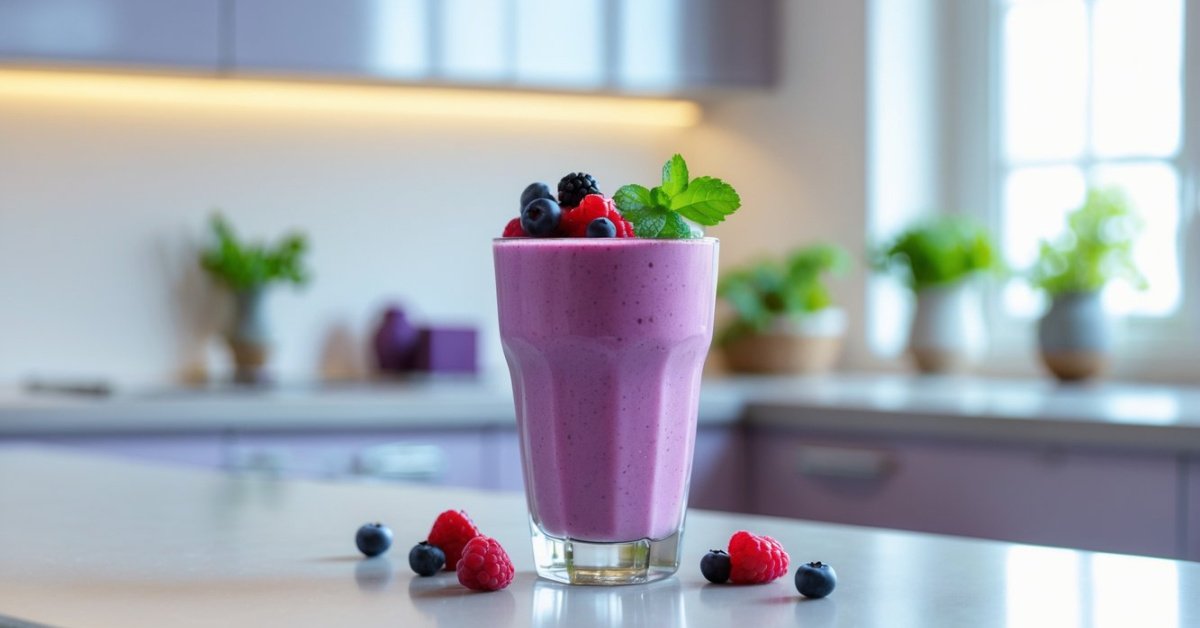
I use cherries because they’re one of the highest natural sources of melatonin. For my Cherry and Oat Sleep Aid Smoothie, I blend 1 cup frozen tart cherries, ¼ cup old-fashioned oats, ½ cup Greek yogurt, ½ cup milk (any kind), and 1 teaspoon honey. Greek yogurt adds casein protein, which the body digests slowly overnight, while oats release steady energy and help stabilize blood sugar for uninterrupted rest.
Spinach and Kiwi Relaxation Smoothie
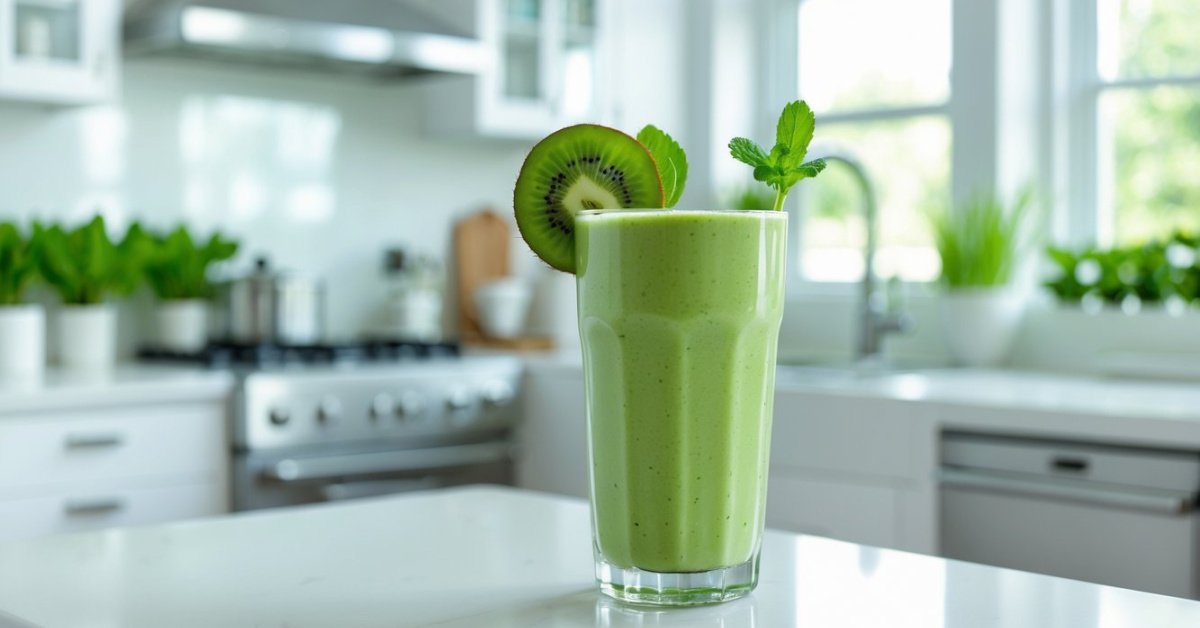
My Spinach and Kiwi Relaxation Smoothie is ideal for those who enjoy leafy greens before bed. I blend 1 packed cup fresh spinach, 2 peeled kiwis for vitamin C and serotonin support, ½ frozen banana, ½ cup unsweetened kefir or oat milk, and 1 tablespoon pumpkin seeds for extra magnesium. Pumpkin seeds amplify the calming effects of spinach. I sometimes add a few lavender buds for a delicate floral note and calming aroma.
Tips for Preparing and Enjoying Sleep-Enhancing Smoothies
Finding the right blend and timing transforms a simple smoothie into a powerful sleep aid. I rely on tested methods from years at my smoothie shop to help my customers relax and sleep more soundly.
Best Time to Consume
Sleep-enhancing smoothies show peak effectiveness when consumed about 45–60 minutes before bed. I plan my last smoothie batch at least one hour before closing, so customers avoid disturbing digestion right before sleep. Smoothies with protein, like Greek yogurt or almond butter, digest more slowly, supporting sustained nourishment overnight—this works best if the stomach isn’t too full at bedtime.
Customizing Smoothies for Dietary Needs
I adjust smoothie recipes for various dietary restrictions and preferences while preserving their sleep-promoting qualities.
- Plant-based: I use unsweetened almond or oat milk with plant proteins, like hemp seeds or silken tofu, instead of dairy.
- Nut-free: I swap almond butter for sunflower seed butter or pumpkin seeds—both boost magnesium without allergens.
- Gluten-free: I pick certified gluten-free oats, as standard oats may contain traces of gluten.
- Low sugar: I use ripe bananas or a few Medjool dates to sweeten while controlling sugar content, avoiding added syrups.
- Paleo or keto: I blend in MCT oil, coconut milk, or avocado for healthy fats and limit fruit to low-sugar options like berries.
Experimenting at home with ingredient swaps lets me cater to personal wellness goals and dietary needs, all while enjoying a creamy, calming bedtime treat.
Conclusion
I’ve truly enjoyed making these bedtime smoothies a part of my nightly wind-down. It feels great knowing that something so simple and delicious can have such a positive impact on my sleep. If you’re looking for a gentle way to support better rest try blending up a soothing smoothie before bed and see how it works for you. Sweet dreams!