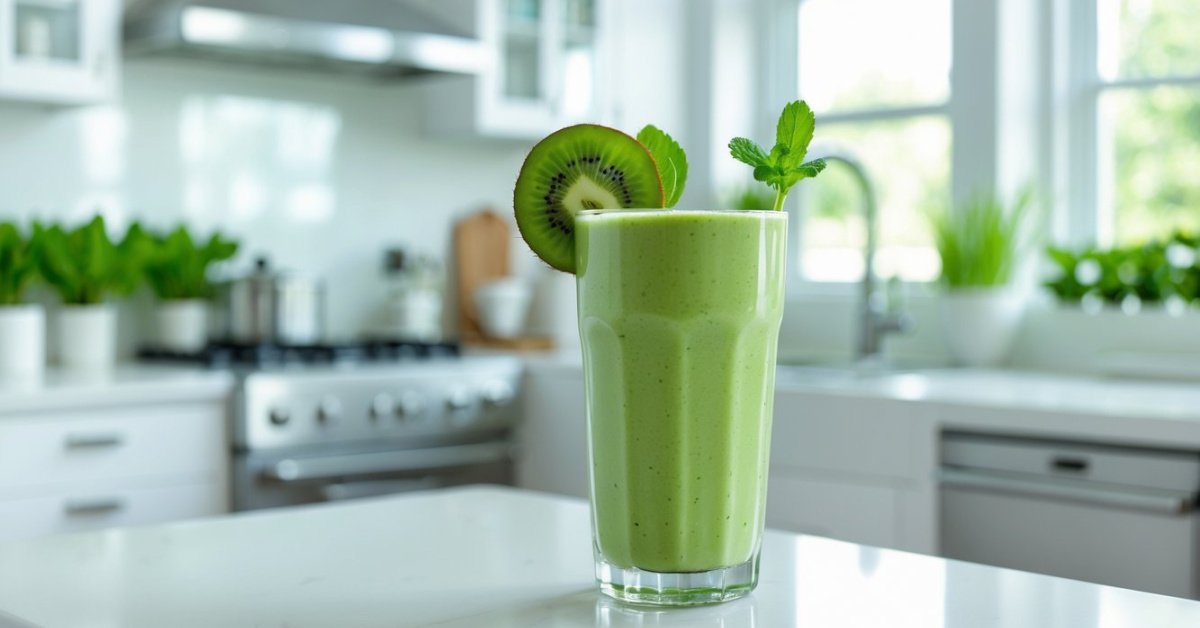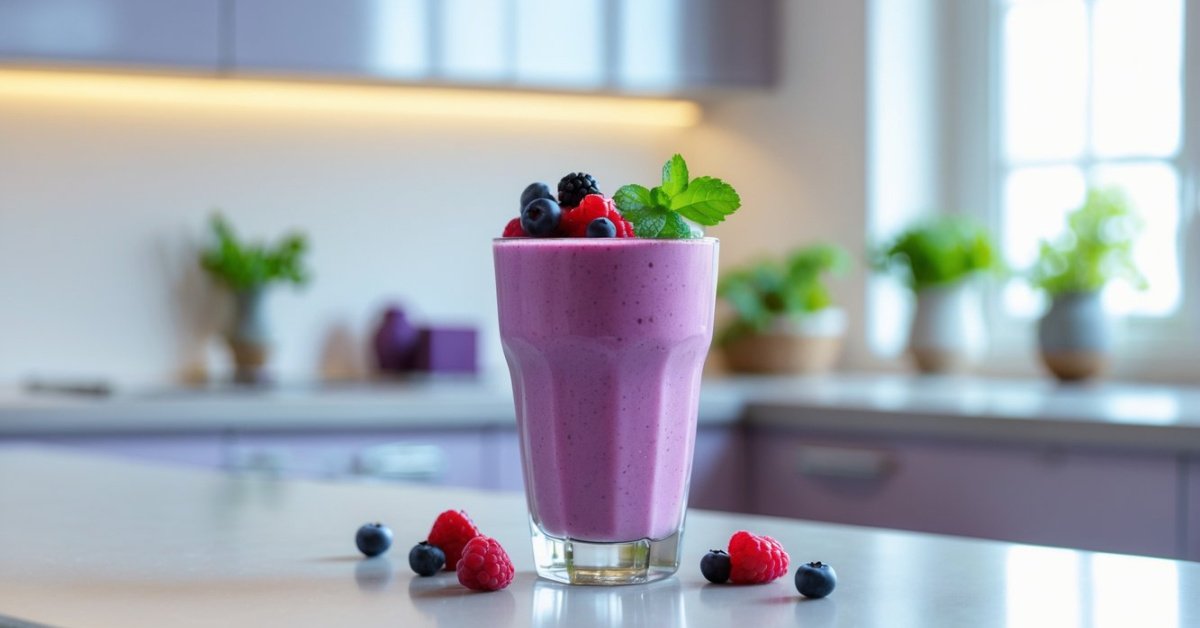

When I reach for a hydrating shake after a workout or a long day in the sun I’m usually thinking about water and maybe a little sugar to boost my energy. But there’s another ingredient that often gets overlooked—potassium. It’s a quiet hero in the world of hydration and it plays a bigger role than most people realize.
I’ve noticed that more and more shakes now highlight their potassium content right on the label. That got me curious about what potassium actually does for hydration and why it matters so much. If you’ve ever wondered why this mineral is so important in your favorite drinks you’re not alone. Let’s take a closer look at how potassium helps keep our bodies balanced and refreshed.
Understanding Potassium: An Essential Electrolyte
Potassium supports hydration by helping regulate fluid balance inside and outside your cells. Every time I craft a smoothie or shake, I focus on potassium-rich sources like bananas, spinach, and coconut water because these ingredients contribute to keeping my blends not just tasty but also hydrating.
Electrolytes like potassium move nutrients into cells and remove waste. Without enough potassium in a shake, the body experiences muscle cramps, fatigue, or slow recovery after activity. For example, bananas supply around 422 mg of potassium per medium fruit, and spinach provides about 167 mg per cup raw, according to the USDA.
My shop uses a variety of potassium sources to create shakes that help maintain optimal hydration, especially for those active in sports or exposed to heat. Adding foods such as avocado, mango, or Greek yogurt gives every shake a boost in both flavor and electrolyte content.
Potassium works together with sodium and magnesium, forming a trio that sustains the body’s fluid levels. I select ingredients based on their potassium-sodium ratio to balance flavor, performance, and hydration. By understanding which fruits and veggies contribute the most potassium, I help my customers make better choices for stronger hydration with every shake.
The Importance of Hydration for Health and Performance
Hydration supports every aspect of well-being and peak activity. My experience in crafting shakes shows that hydration directly affects muscle function, focus, energy, and recovery speed after exercise. Dehydration reduces blood flow and nutrient delivery, making it hard to maintain physical and mental performance, especially during tough workouts or hot weather.
Proper fluid balance maintains the body’s temperature, lubricates joints, and helps transport nutrients. Each of these functions matters when blending nutrient-rich smoothies for customers or at home. Ingredients with high water content, like fresh fruits and vegetables, provide extra hydration along with vital nutrients, reinforcing the benefits of each recipe I create.
Even slight fluid loss often causes noticeable issues. Common signs include fatigue, dizziness, muscle cramps, and reduced concentration—symptoms I hear about frequently from athletes and outdoor enthusiasts visiting my shop. For those making shakes at home, prioritizing fluid intake and choosing hydrating ingredients becomes even more important when preparing for intense activity or recovering from time outdoors.
Electrolytes, especially potassium along with sodium and magnesium, keep fluid levels balanced and support nerve and muscle function. When I craft post-workout shakes, I pay close attention to this balance, selecting ingredients that replenish lost fluids and essential electrolytes to help everyone feel refreshed and ready for what’s next.
The Role of Potassium in Hydrating Shakes
Potassium is key for hydration in homemade shakes. I always include potassium-rich ingredients to support the body’s fluid levels and recovery after activity.
How Potassium Supports Fluid Balance
Potassium helps regulate where water moves inside and outside the body’s cells. In my shop, I add ingredients like coconut water and banana because they provide this essential electrolyte. When potassium levels stay balanced, fluids shift properly after sweating or exercising. This keeps cells hydrated and prevents dehydration, especially on hot days or after long workouts.
Potassium’s Impact on Muscle Function and Recovery
Potassium affects muscle function and helps reduce cramps and fatigue after activity. I recommend avocado and Greek yogurt in post-workout shakes for their potassium content. These ingredients support muscle recovery by easing nerve signal transmission and reducing the risk of painful cramps. When I create shakes for runners or gym enthusiasts, I focus on maintaining potassium levels for faster and smoother recovery between sessions.
Comparing Potassium to Other Electrolytes in Shakes
Potassium works alongside sodium and magnesium in hydrating smoothies, but each electrolyte plays a unique role. My favorite combinations—like spinach with chia seeds—offer balanced minerals. In shakes, potassium pushes fluids into cells, sodium pulls fluids around cells, and magnesium supports muscle contraction. For optimal hydration and flavor, I use natural sources with good potassium-sodium ratios, such as melon, kiwi, and dark leafy greens. This creates shakes that refresh and support the body after exercise or time in the sun.
Best Sources of Potassium for Hydrating Shakes
I focus on potassium-rich options when I create shakes for hydration, whether customers want a recovery blend or make them at home. Choosing the right ingredients or brands can make a real difference in both the taste and effectiveness of any shake.
Natural Ingredients Rich in Potassium
I select natural ingredients with high potassium levels when crafting shakes that support hydration and recovery.
- Bananas: I use ripe bananas in most hydrating shakes since one medium banana provides about 420 mg of potassium (USDA FoodData Central). Bananas help add natural sweetness and creamy texture.
- Spinach: I often blend fresh spinach in shakes, as a cup supplies around 167 mg potassium, increasing minerals and nutrients without changing flavor much.
- Avocado: I add avocado for rich texture and about 690 mg potassium per half. Avocado blends well into both fruit-based and chocolate shakes.
- Coconut Water: I like coconut water as a liquid base, with an 8 oz cup offering about 400-600 mg potassium. It hydrates and adds subtle sweetness.
- Greek Yogurt: I use plain Greek yogurt for protein and about 240 mg potassium per ½ cup. Yogurt helps shakes feel satisfying and smooth.
- Oranges: I blend in fresh orange segments or juice since one medium orange adds roughly 237 mg potassium and bright flavor.
Popular Hydrating Shake Brands and Their Potassium Content
Many well-known shake brands include potassium-rich blends. When recommending ready-made shakes, I examine their potassium levels as listed by manufacturers.
| Brand/Product | Potassium (mg) per 12 oz serving | Notable Potassium Sources |
|---|---|---|
| Naked Juice Green Machine | 680 | Banana, apple, pineapple, kiwi |
| Odwalla Superfood Smoothie | 627 | Banana, orange, mango |
| Bolthouse Farms Protein Plus | 760 | Nonfat milk, banana, apple |
| Core Power High Protein Shake | 900 | Milk, protein concentrate |
| Vita Coco Coconut Water | 470 | Coconut water |
For those making shakes at home, I always recommend reading nutritional labels or measuring potassium from known ingredients to replicate or even surpass store-bought brands using whole foods. This approach lets me control sweetness, flavor, and nutrient balance while meeting hydration goals.
Potential Risks and Considerations
Adding potassium-rich ingredients to hydrating shakes brings clear benefits, but it’s important to consider how much and who’s consuming them. I always encourage my customers to stay informed about safe levels and unique health needs when crafting their smoothies at home.
Safe Intake Levels of Potassium
Potassium intake for adults stays safest when kept around 2,600–3,400 mg per day, according to the National Institutes of Health. Most single servings of my favorite potassium sources—like bananas or a cup of spinach—contain 400–800 mg. Blending a few potassium-rich ingredients usually keeps shakes within these recommended limits, unless someone’s combining multiple high-potassium foods in large quantities.
Exceeding safe levels rarely happens for most healthy people using whole foods, but adding potassium supplements or specialty powders can quickly increase totals. Too much potassium, known as hyperkalemia, can cause muscle weakness or irregular heartbeat, especially if combined with medical issues or certain medications.
Who Should Be Cautious with Potassium in Shakes?
People with kidney disease, heart conditions, or those taking certain medications for blood pressure or diuretics need to watch potassium closely. Their bodies process or remove extra potassium less efficiently, so smaller increases from shakes matter more.
If you’re not sure whether potassium-rich shakes are right for you, checking with a healthcare provider helps. I always suggest starting with modest portions when experimenting with new high-potassium shake recipes, and gradually working up once you know how your body responds.
Using fresh fruits and leafy greens offers steady benefits for most people, but being aware of any existing health conditions or medication sensitivities helps keep every smoothie and shake both hydrating and safe.
Conclusion
I’ve found that giving potassium the attention it deserves can really transform the way I feel after a workout or a long day in the sun. Choosing the right blend of ingredients not only boosts hydration but also supports my energy and recovery in ways that water alone can’t match.
By paying a little extra attention to what goes into my shakes I’m able to enjoy better balance and flavor while helping my body stay refreshed and ready for whatever comes next.