When I need a quick pick-me-up or a boost before a workout, I always reach for an energy smoothie. There’s something satisfying about blending up a colorful mix of fruits and other fresh ingredients. But I’ve noticed it’s the right balance of carbs that really makes these smoothies work wonders for my energy levels.
Carbs often get a bad rap, but in the world of smoothies, they’re the real MVPs. They help fuel my body and keep me feeling full and focused. Whether I’m powering through a busy morning or gearing up for a run, I know the carbs in my smoothie are giving me the steady energy I need to keep going.
Understanding Carbohydrates in Nutrition
Carbohydrates give smoothies their main energy boost. I use carbs from fruits like bananas, mangoes, and berries in most blends at my shop. These fruits offer simple sugars that the body absorbs quickly for instant fuel. I also add complex carbs from oats, quinoa, or whole grain powders. Complex carbs break down over time, helping smoothies provide longer-lasting energy.
Carbohydrates act as the primary energy source for every major body system. For example, muscles use glucose to power movement, while the brain depends on carbs to keep focus sharp. When I build a smoothie menu, I balance quick and slow-digesting carbs so customers get an immediate lift and sustained fullness.
Dietary guidelines suggest 45%–65% of daily calories come from carbohydrates, according to the USDA. In each energy smoothie, I blend enough carbs to fit this range. If someone wants less sugar, I use lower-sugar fruits like berries or add more greens.
In smoothies, fiber-rich carbs help slow the absorption of sugars. I include ingredients like chia seeds, flaxseed, or spinach to increase fiber. Higher fiber content reduces spikes in blood sugar and keeps people feeling full.
I always check the source and quality of carbs I use. Fresh whole fruits, vegetables, and unprocessed grains align with my commitment to integrity and health in every smoothie.
Types of Carbs Used in Energy Smoothies
I choose ingredients that balance quick and lasting energy in every smoothie. Understanding the differences between carb types helps me craft drinks that taste great and match different energy needs.
Simple Carbohydrates: Quick Energy Sources
I use simple carbohydrates for a fast energy boost in my smoothies. Fruits like bananas, mangos, pineapples, and berries deliver these quick-acting sugars. Honey or maple syrup also provides natural simple carbs when added in small amounts. Simple carbs absorb quickly, giving an immediate spike in energy which works well before a workout or to fight afternoon fatigue.
Complex Carbohydrates: Sustained Fuel
I add complex carbohydrates when I want smoothies to provide longer-lasting energy. Ingredients like oats, cooked quinoa, whole grain powders, and sweet potatoes supply these slow-digesting carbs. Complex carbs break down at a steady rate, maintaining even energy and helping customers feel full for longer. This makes them ideal for meal replacement smoothies or anytime I want to offer more than just a quick energy burst.
How Carbs Enhance Energy Smoothies
Carbs drive the energy boost that makes smoothies such a popular pick for busy days and workouts. I choose ingredients with the right kinds of carbs to control how quickly or slowly that energy kicks in.
Glycemic Index and Energy Release
Glycemic index shows how fast carbs in smoothie ingredients enter the bloodstream as glucose. Low-glycemic ingredients like berries, oats, and sweet potatoes give slow, steady energy—ideal for breakfast or meal replacements. High-glycemic options such as bananas, mangos, and dates lead to a quicker spike—perfect before your morning run or an intense gym session. I blend different glycemic profiles based on a smoothie’s main purpose, so customers get either quick or sustained energy, never just a sugar rush.
Balancing Carbs With Other Macronutrients
Carbs work best in smoothies when I pair them with protein and healthy fats. Protein from Greek yogurt, nut butter, or plant protein keeps muscles fueled and supports longer fullness. Fats from avocado, flaxseed, or chia seeds steady blood sugar by slowing carb absorption. Mixing macros in the right ratio helps avoid energy crashes and lets fiber, vitamins, and antioxidants do their jobs, too. I experiment until each blend gives both satisfying flavor and balanced, lasting fuel.
Choosing the Best Carb Sources for Energy Smoothies
I look for carbohydrate sources that deliver both quick and lasting fuel, while supporting taste, nutrition, and freshness in every smoothie I make.
Fruits and Natural Sweeteners
I use fruits like bananas, apples, mangoes, and berries as primary carb sources. These fruits pack natural sugars and offer vitamins, fiber, and antioxidants that promote recovery and support immune health. I add pitted dates or a drizzle of honey for customers who want extra sweetness without processed sugar—these options blend smoothly and taste clean. For those mindful of sugar, I turn to lower-glycemic fruits like pears, cherries, and green apples, balancing these with greens or avocado for a smoother release of energy.
Grains, Seeds, and Other Additions
I mix rolled oats, cooked quinoa, or brown rice into smoothies to boost complex carb content and thickness. These grains extend energy release and provide a mild, creamy texture. I often toss in flaxseed, chia seeds, or hemp hearts not only for their fiber but for their healthy Omega-3 fats, making each shake more filling and balanced. Sweet potatoes, canned pumpkin, or even white beans work as carb-rich, fiber-rich boosters—especially in breakfast smoothies or meal replacements—without overpowering other flavors.
All my add-ins get chosen for freshness and minimal processing, and I blend every ingredient for both function and taste so each smoothie supports energy, flavor, and health.
Potential Pitfalls: Too Many or Too Few Carbs
Balancing carbs matters when making energy smoothies at home. Using too many carb-heavy ingredients—like extra bananas, honey, or juice—can push sugar content past what’s useful for energy, leading to quick spikes and drops. After a high-sugar smoothie, I often see people crash within an hour, especially if they skip adding fiber or protein. Blood sugar swings like this feel uncomfortable and may lead to cravings for more sweets soon after.
Using too few carbs presents different issues. When smoothies rely mostly on protein powders, nut butters, or leafy greens without enough fruit or grains, I notice customers report sluggishness or quick fatigue during workouts. Since carbs are the body’s main energy source, a low-carb smoothie tends to fall short on delivering lasting fuel.
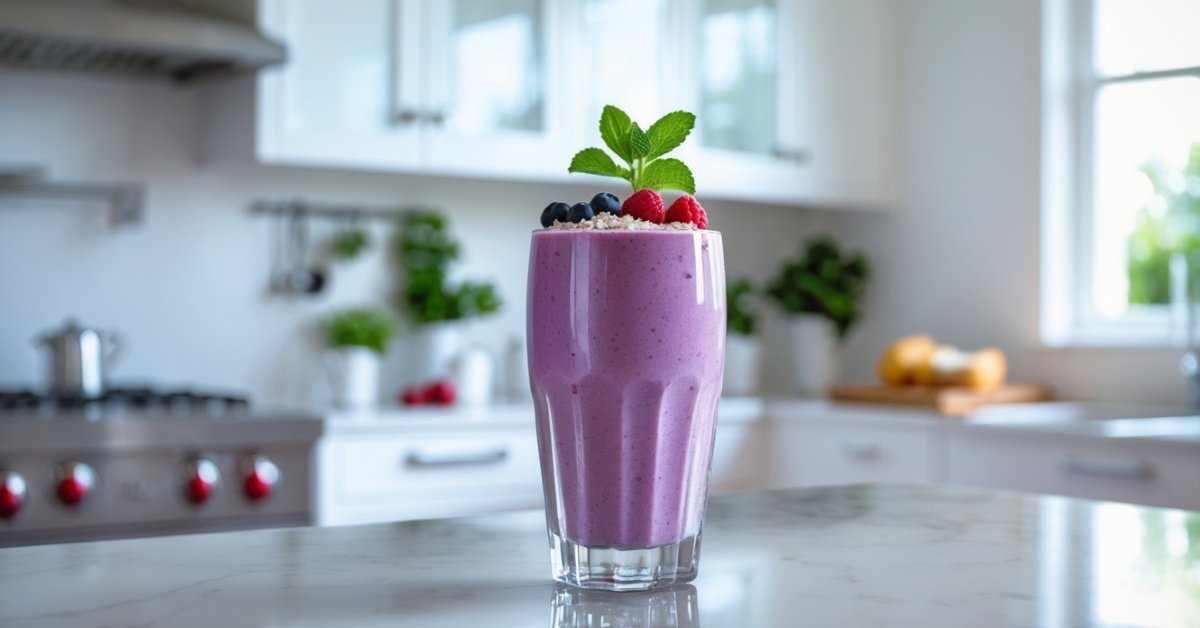
Optimizing carb intake for smoothies means using about 20–35 grams of total carbohydrate per serving—enough to energize but not overwhelm. For me, mixing one banana, ½ cup berries, and ¼ cup oats fits this range and gives a creamy, satisfying texture. Swapping in low-sugar fruits like berries or adding leafy greens helps cut sugar without sacrificing nutrition.
Pairing complex carbs, like oats or sweet potatoes, with protein and healthy fats extends fullness and slows sugar release. Adding chia seeds, flaxseed, or Greek yogurt works well for this. I remind customers that smoothie carb needs differ based on activity and health goals. If prepping for a workout, I’ll add a few more carbs for quick fuel. For a meal replacement, I boost protein, fiber, and use moderate carbs for sustained energy.
Tracking ingredient choices and portions helps prevent either extreme—too much or too little carbohydrate—so each smoothie delivers just the right energy curve.
Conclusion
Crafting energy smoothies with the right carbs has totally changed the way I fuel my day. I love how a thoughtful mix of fruits, grains, and seeds can keep me energized and satisfied without the dreaded sugar crash.
Staying mindful of my carb choices lets me enjoy delicious flavors while supporting my health and activity goals. With a little creativity and balance, I can make every smoothie a tasty boost for both body and mind.