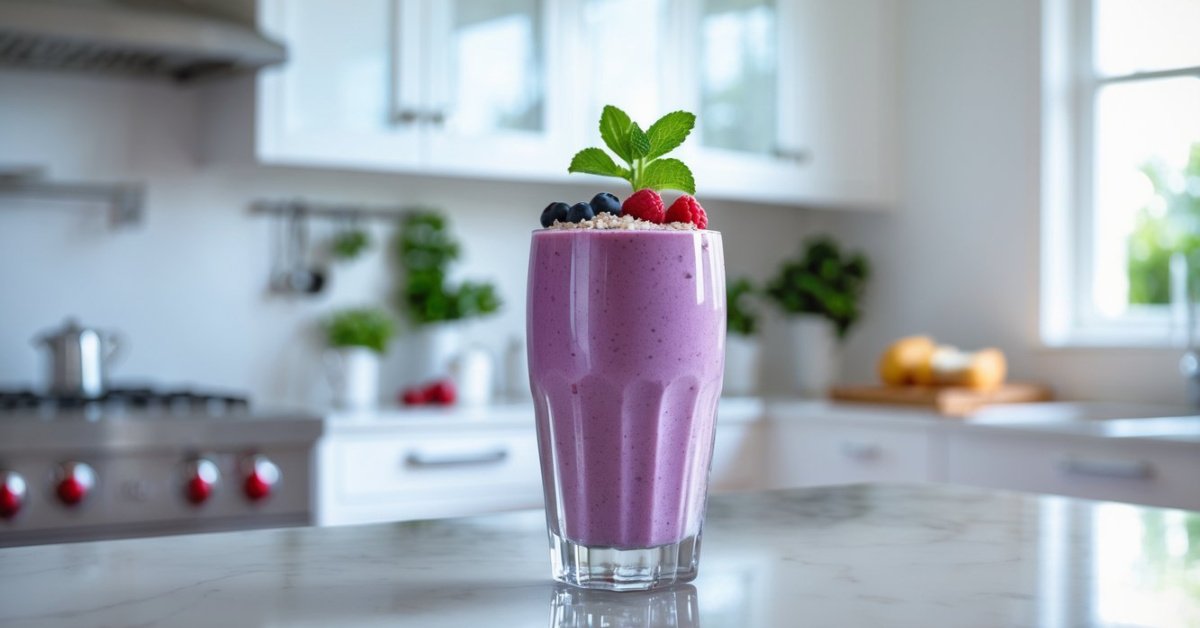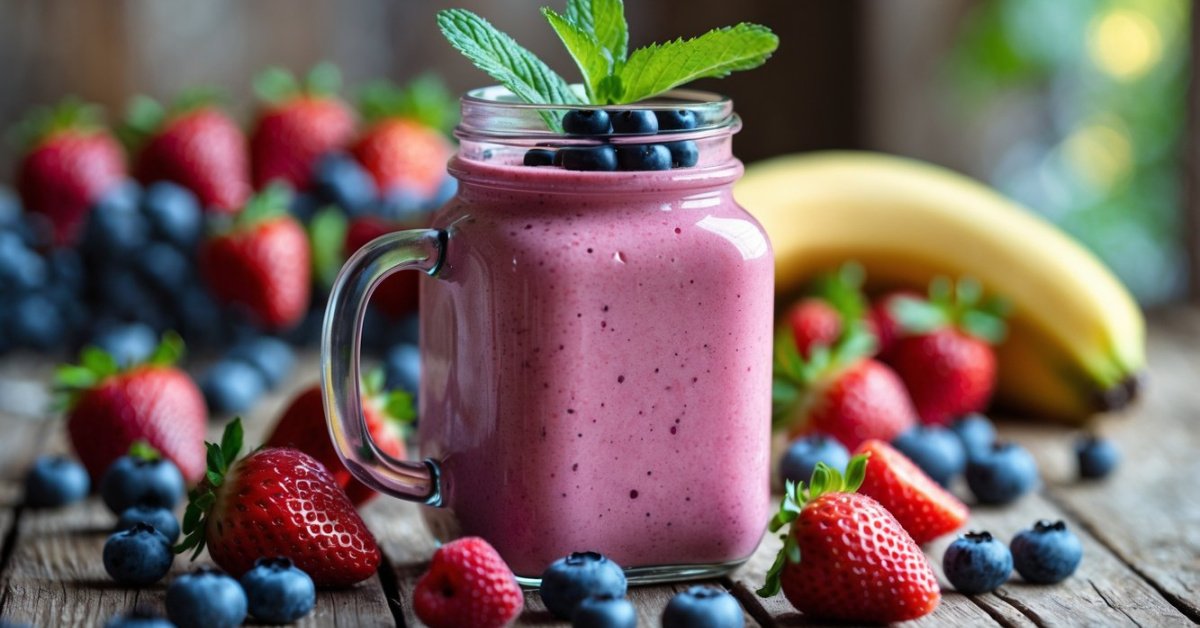
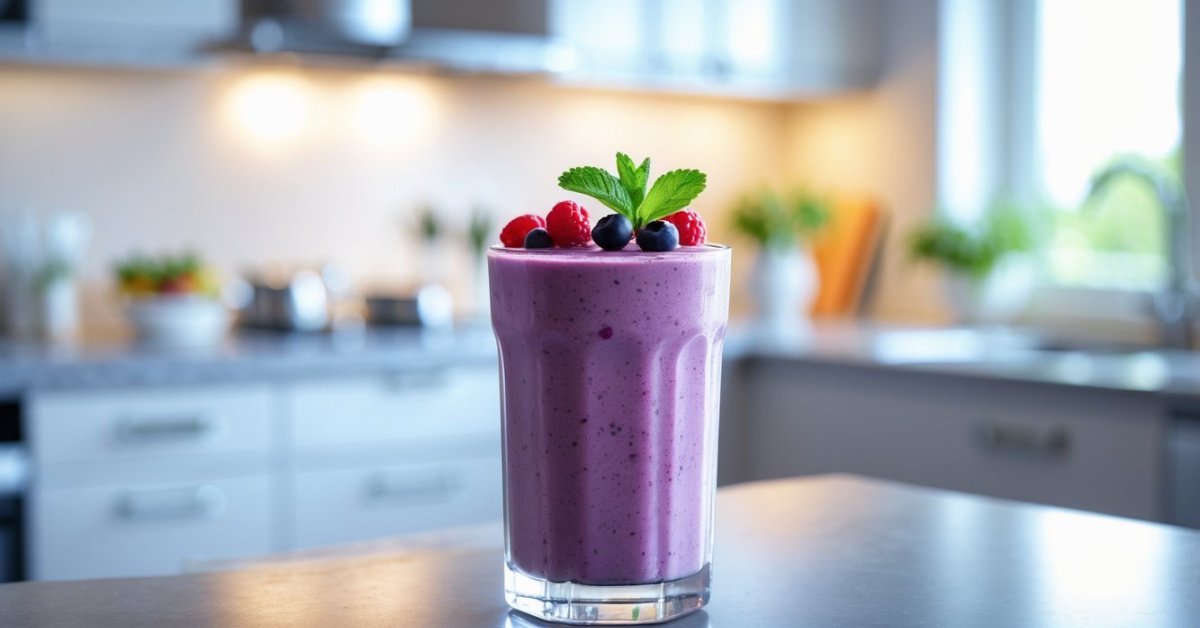
Whenever I start feeling a little under the weather I reach for my favorite immune-boosting shake. There’s something about blending fresh fruits and veggies that makes me feel like I’m giving my body the support it needs. One ingredient I never skip is vitamin C since it’s long been a go-to for anyone wanting to keep their immune system in top shape.
Vitamin C does more than just add a tangy kick to my shakes. It’s a powerhouse nutrient that plays an important role in how my body fights off colds and keeps me feeling energized. With so many tasty ways to add it to my daily routine I find it easy to make immune health a delicious habit.
Understanding the Importance of Vitamin C
Vitamin C works as an essential nutrient in any immune-boosting shake. I always include ingredients packed with vitamin C like oranges, kiwis, or strawberries because these fruits help support immune function according to the National Institutes of Health. Ascorbic acid, which is the scientific name for vitamin C, acts as an antioxidant. I use this nutrient to help protect my cells from oxidative stress while mixing smoothies for my customers.
Research links vitamin C to the production of white blood cells. My daily blends often rely on this benefit, since white blood cells help defend the body against infections. Including sources of vitamin C in shakes means customers get both flavor and a key nutritional boost.
Since vitamin C is water-soluble, my smoothie recipes always use fresh produce and juice, never heat-treating them so the maximum vitamin content stays intact. I grind up citrus fruits or toss in chopped red bell peppers to keep the vitamin levels high.
My focus on ingredient quality ensures every shake supports customer goals like better immune health. Using fresh, vitamin C-rich produce sets each smoothie apart, making it easy for anyone at home to follow this approach for optimal wellness.
How Vitamin C Supports Immune Health
Vitamin C stays at the heart of my favorite immune-boosting shakes. I always choose ingredients rich in this vitamin because it directly contributes to the body’s immune defenses.
Antioxidant Properties
Vitamin C acts as a powerful antioxidant in my smoothies. By neutralizing free radicals, it helps protect cells from oxidative damage caused by stress or illness. For example, I blend in fresh oranges, strawberries, and pineapple since they all deliver high levels of vitamin C that support this protective effect. Antioxidant-rich shakes keep my customers feeling energized and ready to tackle their day.
Impact on White Blood Cell Function
Vitamin C supports the function of white blood cells, which play a crucial role in protecting the body from infection. When making shakes with ingredients like kiwi, mango, or bell pepper, I’m supporting these immune cells’ ability to detect and respond to threats. Research from the National Institutes of Health highlights that higher vitamin C intake is associated with better immune cell function. By including these fruits and vegetables in my shakes, I maximize the benefit for anyone wanting a natural immune boost.
Incorporating Vitamin C into Immune-Boosting Shakes
I always focus on packing my immune-boosting shakes with vitamin C to support both wellness and flavor. Picking the right ingredients and understanding how to get the most out of each one makes every shake tastier and more effective.
Best Ingredients Rich in Vitamin C
- Oranges: I use navel oranges and blood oranges for high vitamin C content, juicy texture, and bright taste.
- Kiwis: I blend whole kiwis, including the seeds, for added fiber and a tangy kick; each kiwi contains about 64 mg vitamin C according to USDA FoodData Central.
- Strawberries: I pick fresh strawberries for their sweetness and a vitamin C content of about 89 mg per cup.
- Pineapple: I use cubed pineapple for tropical flavor and about 79 mg vitamin C per cup.
- Bell Peppers: I add raw red bell peppers for a crisp finish and approximately 95 mg vitamin C per half-cup.
- Mango: I reach for ripe mango for smooth texture and about 60 mg vitamin C per fruit.
- Guava: I include guava in special blends, since one fruit contains up to 126 mg vitamin C.
Tips for Maximizing Absorption
- Blending Raw Ingredients: I blend raw fruits and vegetables without cooking, since vitamin C breaks down with heat.
- Pairing with Bioflavonoids: I combine citrus fruits, since bioflavonoids boost vitamin C uptake.
- Adding a Healthy Fat: I use avocado or chia seeds for texture and to help the body better absorb fat-soluble nutrients often found with vitamin C in fresh produce.
- Avoiding Prolonged Storage: I blend shakes to order, as vitamin C declines with long storage once fruits are cut.
- Minimizing Oxidation: I keep my produce in airtight containers before blending, since exposure to air reduces vitamin C levels.
I always use the freshest vitamin C-rich produce to create more effective, tastier immune-boosting shakes for my customers and at home.
Popular Recipes for Vitamin C-Infused Shakes
Vitamin C-rich shakes bring bright flavors and wellness benefits to any homemade smoothie routine. I design every recipe to deliver a vibrant taste and a vitamin C boost using fresh produce and nutrition-packed pairings.
Simple Citrus Shake
I blend navel orange segments, pineapple chunks, strawberry halves, and a small squeeze of lemon for my Simple Citrus Shake. These ingredients create a natural sweetness and tang while providing over 100 mg of vitamin C per 12 oz serving, based on USDA data. I often add a few ice cubes and a tablespoon of chia seeds, mixing in banana only if a creamier texture is preferred. My customers love this shake for its recognizable flavors and consistent energizing qualities.
Green Power Shake
I craft my Green Power Shake with fresh kiwi, chopped mango, baby spinach, and green bell pepper strips. This blend gives both a bold color and a crisp, tropical flavor profile. Kiwi and mango contain more than 60 mg vitamin C per fruit, while spinach and bell pepper boost the vitamin count and deliver additional phytonutrients. I sometimes pour in unsweetened coconut water to balance taste and maintain a lighter, refreshing mouthfeel. For those aiming to maximize their nutrient intake, this green shake works well as a morning boost or post-workout refreshment.
Potential Side Effects and Considerations
Excess vitamin C in immune-boosting shakes can cause digestive discomfort. I’ve seen customers experience symptoms like stomach cramps, nausea, and diarrhea when consuming more than 2,000 mg of vitamin C daily, according to the National Institutes of Health.
Interactions with medications sometimes occur when vitamin C intake is high. Prescription drugs like statins or blood thinners, for instance, may react with large amounts of vitamin C, as noted by the Mayo Clinic. I always recommend asking a healthcare provider if there’s a medical condition or medication involved.
Oxalate buildup is a rare concern in people prone to kidney stones. Vitamin C metabolizes into oxalate, and excessive intake, especially from multiple high-c content shakes daily, could raise the risk in susceptible individuals.
Nutrient absorption changes with very high vitamin C consumption. Significant excess sometimes interferes with the absorption of vitamin B12 and copper, which I keep in mind when suggesting add-ins for customers with specific dietary needs.
Balanced ingredients and variety help minimize these side effects. In my shop, I use vitamin C sources like oranges, kiwi, and bell pepper in moderation and rotate ingredients to keep nutrition balanced and enjoyable for everyone.
Conclusion
Crafting immune-boosting shakes with vitamin C-rich ingredients has become one of my favorite wellness rituals. I love how these vibrant blends offer both a tasty treat and a simple way to support my immune system every day.
Experimenting with new fruits and veggies keeps things exciting and ensures I’m getting a variety of nutrients. When I focus on fresh produce and mindful combinations I know I’m doing something good for my body while enjoying every sip.