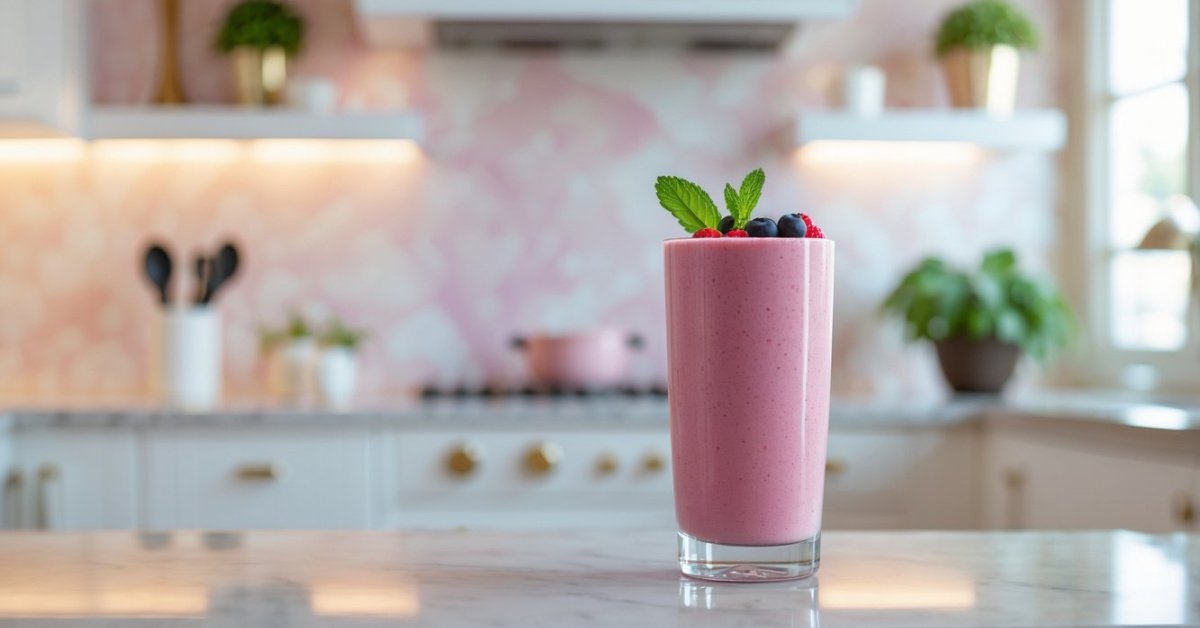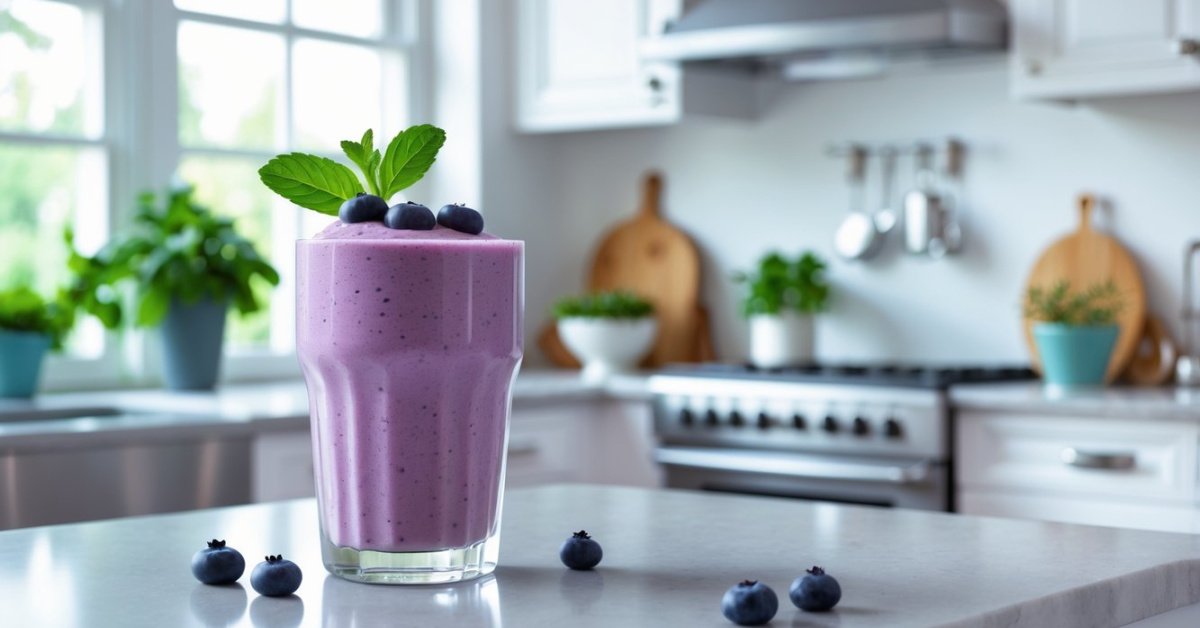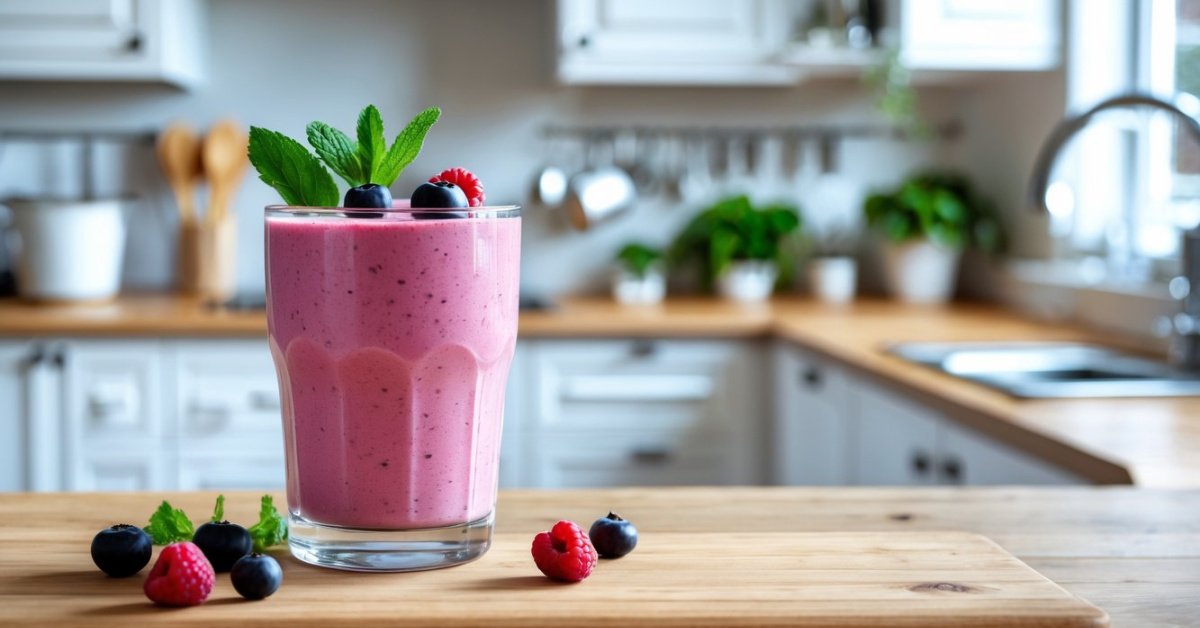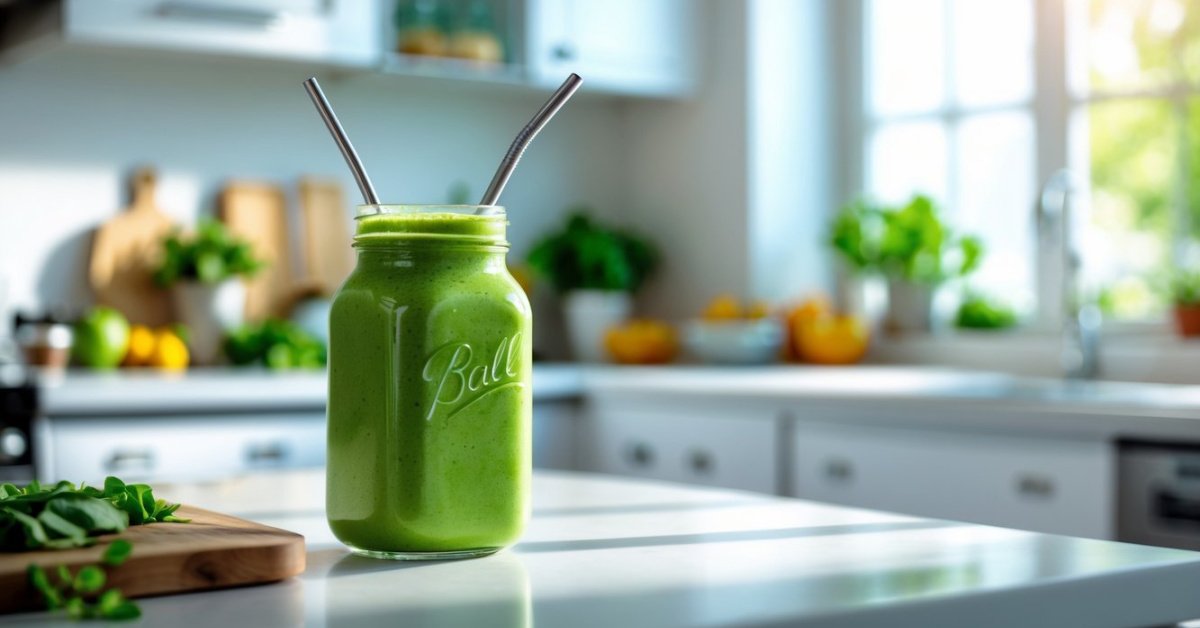
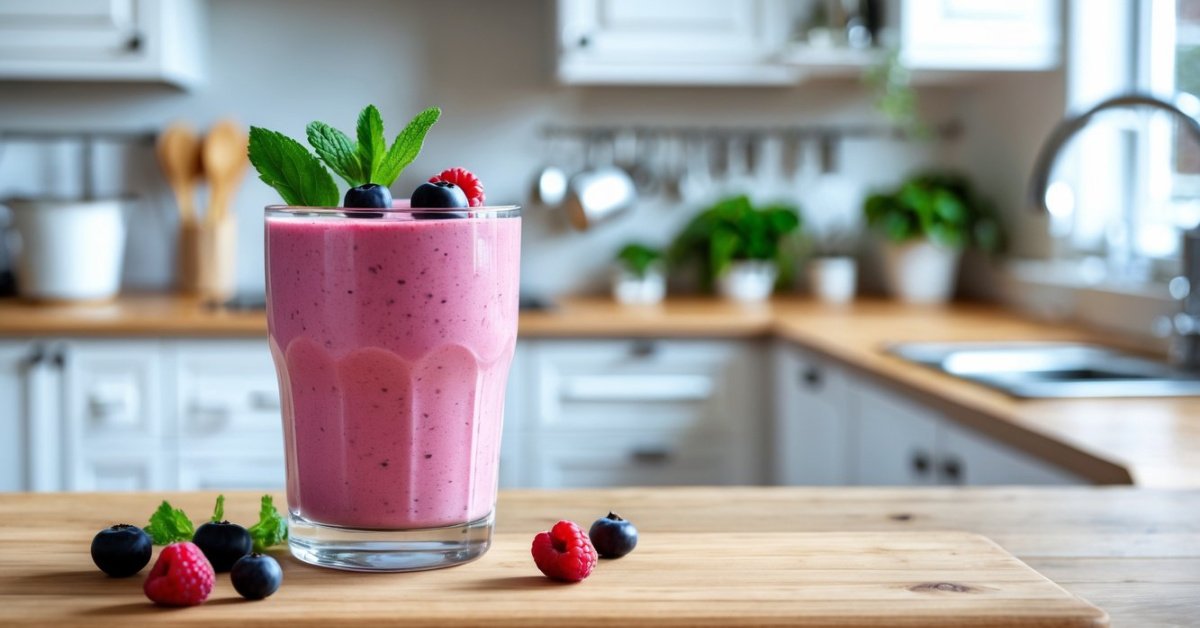
I love starting my day with a colorful smoothie packed with fresh fruits and veggies. It feels like a treat but I know I’m giving my body a boost with every sip. One thing I’ve noticed is that smoothies aren’t just about flavor—they’re a simple way to add powerful nutrients to my daily routine.
Lately I’ve been paying more attention to antioxidants and how they fit into my morning blends. These tiny compounds play a big role in supporting my overall health and making my smoothies even more beneficial. I’m excited to share why antioxidants matter and how easy it is to make them a regular part of my diet.
Understanding Antioxidants: What They Are and Why They Matter
Antioxidants are compounds that help neutralize free radicals, which are unstable molecules that can lead to cell damage. I source antioxidant-rich ingredients like blueberries, spinach, and acai for my smoothies because scientific studies from the NIH confirm their ability to reduce oxidative stress.
Oxidative stress connects to multiple health issues, including heart disease and inflammation. By including antioxidants from fresh produce daily, I boost the health profile of every blend on my menu.
In my smoothie shop, I focus on selecting vibrant fruits and leafy greens because these whole foods provide the highest levels of natural antioxidants. Berries—like strawberries and blackberries—deliver concentrated doses, while seeds like chia and flax also contribute. These ingredients keep my smoothies both flavorful and supportive of better well-being.
I prioritize ingredients with a proven antioxidant effect, based on peer-reviewed data, to build shakes and smoothies that go beyond taste. When I craft recipes for home or customers, I carefully mix these antioxidant-rich foods so each sip delivers both nutrition and enjoyment.
Common Antioxidant-Rich Ingredients for Smoothies
Every smoothie I make relies on thoughtfully picked antioxidant-rich ingredients. I focus on flavor and maximum health value in each glass.
Fruits Packed With Antioxidants
Berries dominate my antioxidant choices for smoothies. Blueberries, blackberries, and raspberries supply high levels of anthocyanins, which studies link to improved cellular defense and heart health (USDA, 2022). I include strawberries for their vitamin C and manganese content. Pomegranate arils deliver polyphenols, supporting lower inflammation markers. Cherries add sweetness while providing quercetin and melatonin, both recognized for their antioxidant potential.
Vegetables and Greens to Boost Benefits
Leafy greens like spinach and kale anchor my recipes. Research shows spinach contains lutein and zeaxanthin, carotenoids with oxidative stress resistance (NIH, 2023). Kale provides sulforaphane, a compound found in cruciferous vegetables that supports detoxifying enzymes. Adding beetroot increases betalains, which give both color and free radical protection. Carrots offer beta-carotene, contributing to vitamin A and neutralizing oxidants.
Superfoods and Extras
I add superfoods and extras for concentrated antioxidant boosts. Acai and goji berries each contain dense flavonoid and vitamin stores, amplifying immune support. Chia seeds and flaxseeds lend omega-3s and lignans, which act as antioxidants and help balance texture. Cacao nibs and matcha powder bring polyphenols, adding richness to both taste and nutrition. Spirulina powder features phycocyanin, a potent antioxidant, that fits seamlessly into green smoothie blends.
The Health Benefits of Antioxidants in Daily Smoothies
I focus on ingredients rich in antioxidants when I craft my daily smoothies, since these compounds deliver key benefits for anyone blending at home. By picking nutrient-dense fruits, greens, and superfoods, I make smoothies that support long-term wellness and taste great.
Cellular Protection and Reduced Inflammation
I select antioxidant-rich foods like wild blueberries, spinach, and acai since these slow cell damage by combating free radicals, based on findings from the Journal of Agricultural and Food Chemistry. Consistent antioxidant intake links to reduced inflammation markers such as C-reactive protein, as shown in a review by the National Institutes of Health. My smoothies help protect cellular health, which is especially important for recovery after workouts or managing daily stress.
Immune Support and Disease Prevention
I use ingredients such as blackberries, pomegranate, and kale because they raise the level of vitamin C, flavonoids, and other antioxidants, which back up immune defense. Research from the European Journal of Nutrition notes that high-antioxidant diets lower the risk of chronic diseases, including heart disease and diabetes. Adding these foods to smoothies strengthens my body’s resistance to illness, which is crucial when creating daily habits that support lifelong health.
Skin Health and Aging
I add strawberries, cacao nibs, and goji berries for their potent antioxidants, which help maintain skin elasticity and slow visible aging. Polyphenols and vitamin E present in these additions counteract oxidative stress that contributes to wrinkles, according to a 2023 study in Antioxidants. Smoothies made with these ingredients help me keep my skin healthy and vibrant, making them a delicious part of any beauty or wellness routine.
Tips for Maximizing Antioxidant Intake in Your Smoothies
Blending the right mix of ingredients and using smart preparation methods brings out the best in antioxidant-rich smoothies. I focus on each step, from sourcing to serving, for maximum nutrition and flavor in every glass.
Combining Ingredients for Optimal Absorption
Pairing specific nutrients improves antioxidant use in the body. I add a source of healthy fat like avocado, chia seeds, or a splash of almond butter when I use leafy greens or berries—fat boosts absorption of fat-soluble antioxidants such as vitamin E and carotenoids. Combining vitamin C-rich fruits like strawberries or oranges with plant-based iron sources like spinach or kale improves iron absorption, as shown in a 2016 study published in the International Journal for Vitamin and Nutrition Research. I layer ingredients by color and type, mixing berries for diverse polyphenols, and add a handful of greens for more variety. Using whole fruits, including skins when edible, concentrates antioxidant content.
Best Practices for Preparation and Storage
Blending fresh, ripe produce increases antioxidant content in smoothies. I wash fruits and greens thoroughly, cut them just before blending, and use minimal processing—excess chopping or light exposure can reduce antioxidant levels, as noted in USDA guidelines. For best flavor and nutrition, I serve smoothies immediately after blending. When making smoothies ahead, I refrigerate them in airtight glass jars to limit oxygen exposure, which slows antioxidant loss. For longer storage, I freeze smoothie packs with pre-portioned fruits and greens; freezing preserves most antioxidants and lets me blend any time for a consistent, nutrient-rich result.
Potential Downsides and Considerations
Managing Portion Sizes
Serving large smoothies with multiple antioxidant-rich ingredients, such as acai, cacao, and berries, quickly raises calorie and sugar content. I keep most of my servings between 12 and 16 ounces and limit added sweeteners for balance.
Addressing Ingredient Quality
Selecting frozen and imported ingredients, like berries and tropical superfoods, introduces the risk of added sugars, sulfites, or preservatives. I double-check ingredient labels in my shop and choose organic or unsweetened options whenever possible.
Monitoring Nutrient Overlap
Blending similar antioxidant sources, like spinach and kale or various berries, sometimes results in duplicating nutrients and missing others, such as protein or healthy fats. I rotate ingredients to ensure broader nutritional coverage in my smoothies and shakes.
Considering Individual Sensitivities
Using high-antioxidant foods, such as raw cacao or large amounts of leafy greens, increases the risk of gastrointestinal discomfort or allergies for some people. I always suggest starting with small servings and switching up ingredients if any issues persist.
Evaluating Supplement Addition
Relying on antioxidant powders or capsules instead of whole foods may limit phytonutrient diversity and increase the risk of excess intake. I focus on whole food sources for balanced smoothies and rarely use isolated supplements, unless requested.
Conclusion
Adding antioxidants to my daily smoothies has become one of my favorite ways to support my health while enjoying something delicious. I love experimenting with different combinations and discovering new flavors that also pack a nutritional punch.
With a little creativity and attention to ingredient quality it’s easy to make smoothies that feel like a treat and contribute to my overall well-being. Every blend is a small step toward feeling my best and I look forward to each one.