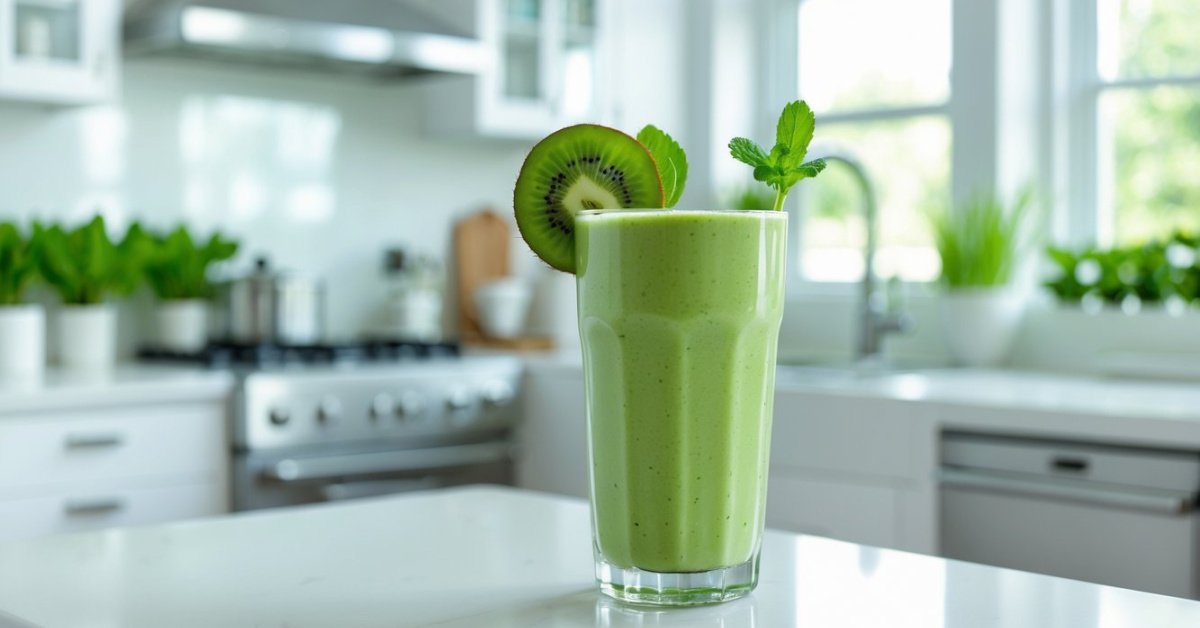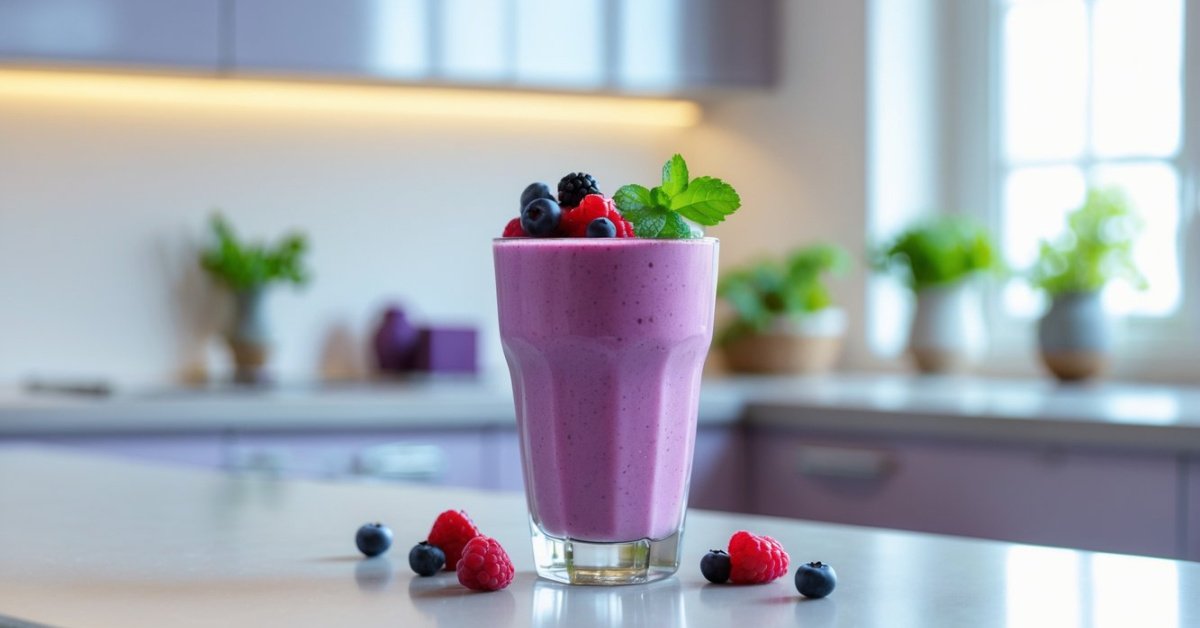

I’ve always been fascinated by how a happy gut can make such a difference in how I feel every day. With so many people looking for ways to boost their digestive health, gut-healing shakes have quickly become a favorite in my kitchen. They’re quick to make and easy to customize, but what really takes them to the next level is the addition of probiotics.
Probiotics aren’t just a wellness buzzword—they’re living microorganisms that can help balance our gut flora. When I blend them into my daily shakes, I notice not only a happier stomach but also more energy and a better mood. It’s amazing how something so simple can make such a big impact on overall well-being.
Understanding Gut Health and the Microbiome
Gut health impacts how I select ingredients for every smoothie or shake in my shop. The gut, or gastrointestinal tract, includes the stomach and intestines. These organs break down food, absorb nutrients, and help remove waste. The microbiome is a diverse community of trillions of microbes—bacteria, yeast, and other organisms—living inside the gut.
Many of these microbes aid digestion by breaking down fibers in greens, fruits, and seeds I often blend into shakes. Others produce vitamins like vitamin K and some B vitamins, which support health in several ways. Balanced gut flora helps regulate everything from energy levels to mood, partly explaining why many of my regulars report feeling better after sticking to gut-boosting smoothies.
I keep probiotics in focus when creating new recipes since research from Harvard Medical School shows that a healthy microbiome can support immune function and decrease inflammation. Fermented ingredients—examples include kefir, yogurt, and kombucha—add live cultures to shakes, enhancing flavor and gut support at the same time.
Shakes using a mix of fiber-rich fruits (apples, bananas), seeds (chia, flax), and live cultures address both nourishment and microbial balance. That blend’s essential whether my goal is better digestion or a boost in vitality for customers looking for that edge from their daily smoothie.
What Are Probiotics?
Probiotics are live microorganisms that support gut health. I find that strains like Lactobacillus and Bifidobacterium, which are common in yogurt and kefir, play a big role in balancing the gut’s microbiome. These organisms improve the environment in the digestive tract by promoting the growth of beneficial bacteria and crowding out unwanted microbes.
Sources of probiotics in smoothie and shake recipes often include options like cultured yogurt, kefir, and kombucha. I use fermented ingredients to give both flavor and functional benefits to my menu. When I blend these live cultures into shakes, I help my customers add gut-friendly microbes to their daily routine.
Common strains used in smoothies, like Lactobacillus acidophilus and Bifidobacterium lactis, have shown in clinical research to aid digestion and support immune function (NIH, 2023). I select probiotic sources that maintain active cultures throughout preparation, since heat and certain processing steps can reduce their effectiveness.
In my shop, I always look for quality labels, like “live and active cultures,” to ensure my yogurt and kefir are fresh. These details matter when people aim to make shakes at home that actually boost gut-supporting benefits.
The Role of Probiotics in Gut-Healing Shakes
Probiotics serve as the foundation in my gut-healing shakes, creating powerful benefits through daily routines. I choose probiotic-rich ingredients because they deliver both digestive support and vibrant flavors.
How Probiotics Support Digestive Health
Probiotics optimize digestive health by introducing beneficial bacteria to the gut, where they interact with existing flora. These live cultures, like those found in yogurt and kefir, break down fibers from fruits and seeds, reducing discomfort like bloating and gas. I notice, after consistently adding probiotics to my shakes, that customers report better regularity and higher energy during the day. Probiotics can also improve nutrient absorption, making every ingredient count more toward nourishment.
Common Probiotic Strains Used in Shakes
I prioritize two main probiotic strains when crafting gut-healing shakes for my shop:
- Lactobacillus—yogurt, kefir, acidophilus milk
- Bifidobacterium—kefir, fortified yogurt, supplement powder
Both strains support gut balance, crowding out harmful microbes and aiding digestion. I ensure my ingredients contain active cultures by checking expiration dates and sourcing from reputable dairies. For vegan shakes, I select plant-based yogurts fortified with these strains so that every customer can benefit from improved gut health.
Benefits of Incorporating Probiotics Into Shakes
Adding probiotics to shakes supports gut health and helps each blend taste fresh and satisfying. When I choose high-quality probiotic ingredients for my shop and my own kitchen, I see clear benefits for my customers’ well-being.
Enhanced Nutrient Absorption
Including probiotics in shakes improves nutrient absorption by supporting a balanced microbiome. When beneficial bacteria like Lactobacillus are present, they help break down proteins, fats, and carbohydrates—examples include almond butter, oats, and chia seeds—making vitamins and minerals more bioavailable. I notice that customers often report feeling fuller and more energized after these shakes.
Immune System Support
Probiotic-rich shakes contribute to a stronger immune system by reinforcing the gut lining and promoting antibody production. Research from the National Institutes of Health shows that certain strains, such as Bifidobacterium, support immune cell function. I often recommend probiotic shakes to customers during flu season or when they’re recovering from illness for that extra defense.
Alleviating Digestive Issues
Adding probiotics to shakes helps reduce bloating, gas, and other digestive discomforts linked to imbalanced gut flora. Many customers with sensitivities or mild lactose intolerance find that probiotic shakes containing cultured yogurt or coconut kefir ease digestion. When I tailor smoothies to these needs, I often get feedback about improved comfort and regularity.
Choosing and Using Probiotics in Gut-Healing Shakes
I focus on pairing the right probiotics with each shake to bring out both flavor and gut-health benefits. Selecting the type and source matters for optimal results at home.
Selecting High-Quality Probiotic Supplements
I always check labels for live and active cultures like Lactobacillus acidophilus, Bifidobacterium lactis, or Saccharomyces boulardii—these deliver proven digestive benefits according to Harvard Health (2023). I prefer refrigerated or shelf-stable brands that guarantee potency at expiration rather than manufacture. I choose options with a CFU count of at least 1 billion per serving, and I avoid artificial fillers or sweeteners. When I’m adding supplements to shakes, I only use capsules or powders designed for blending, since some tablets won’t break down smoothly.
DIY vs. Store-Bought Gut-Healing Shakes
I make DIY gut-healing shakes with probiotic powders, kefir, or yogurt, since this lets me control the ingredients, sugar content, and freshness. For example, I add homemade almond yogurt or plain Greek yogurt to boost natural cultures. Store-bought gut-health shakes offer convenience, but I check the ingredient list for added sugars and verify the live cultures listed on the packaging. In my shop, I use local, unsweetened kefir and freshly blended fruit, creating shakes that feature both flavor and live probiotics. If I want a quick option, I choose brands with transparent probiotic strains, minimal processing, and clean ingredient lists. I encourage everyone to experiment, blending both supplement and fermented foods to tailor each shake to personal taste and wellness goals.
Potential Drawbacks and Considerations
Adding probiotics to gut-healing shakes can bring great benefits, though some people might experience mild discomfort as their gut microbiota adjusts. I’ve watched customers report temporary bloating or extra gas after starting probiotic shakes, especially when they use larger servings or new strains. Introducing just small amounts first has helped many of my regulars minimize these effects.
Ingredient quality directly affects both taste and results. Some commercial yogurts, for example, contain high sugar or low probiotic content—these products can disrupt gut balance or add unwanted calories. I always source yogurts and kefir with clearly labeled live cultures and without added sweeteners, which keeps my shakes both healthy and effective.
Not all probiotics suit every individual. Certain groups, like those with weakened immune systems or recent surgeries, experience higher risks from live bacterial supplements (National Institutes of Health, 2023). I usually suggest consulting a healthcare provider if you’ve got health concerns or take prescription medication before adding concentrated probiotics.
Heat and storage quickly reduce probiotic activity in shakes. I always blend with cold ingredients and advise serving immediately, since exposure to air or high temperatures kills live cultures fast. That way, each shake still delivers the live probiotics that drive gut benefits.
Lastly, shelf-stable probiotic powders or capsules often claim high colony-forming unit (CFU) numbers, but I’ve found that not every product guarantees those numbers at consumption. Third-party testing or sticking to reputable brands gives me the quality assurance I trust for my shop’s shakes.
Conclusion
I’ve found that adding probiotics to my gut-healing shakes has made a real difference in how I feel each day. There’s something empowering about creating blends that taste great and support my well-being at the same time.
If you’re curious about improving your gut health, experimenting with probiotic-rich ingredients in your shakes is a simple and rewarding place to start. Every small change can add up to a happier, healthier you.