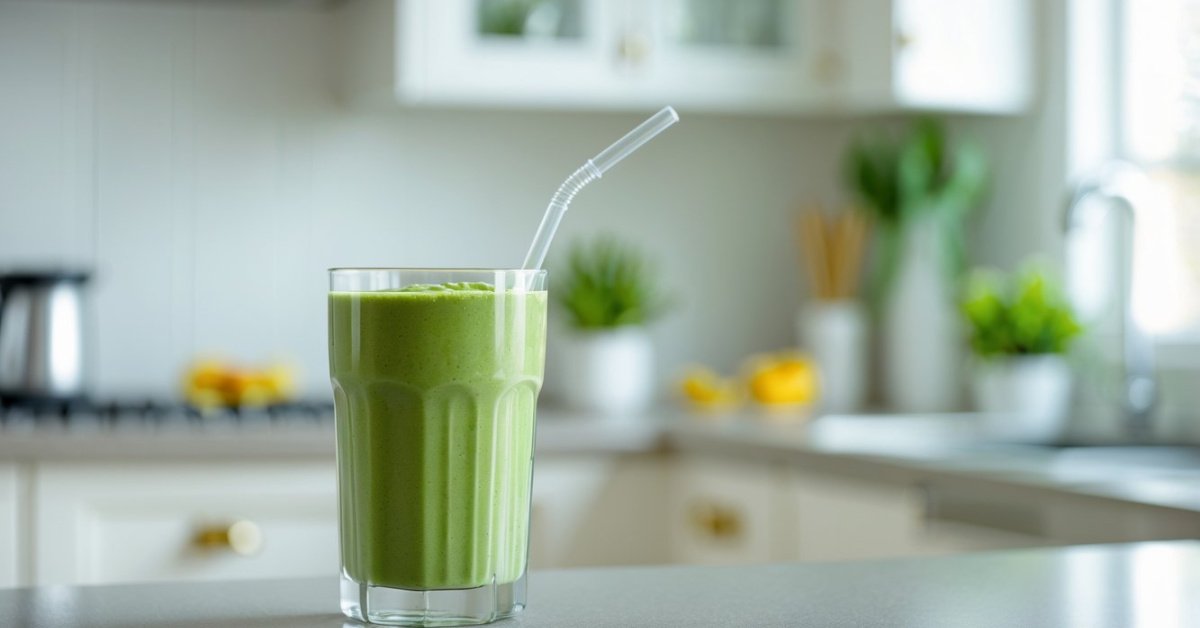
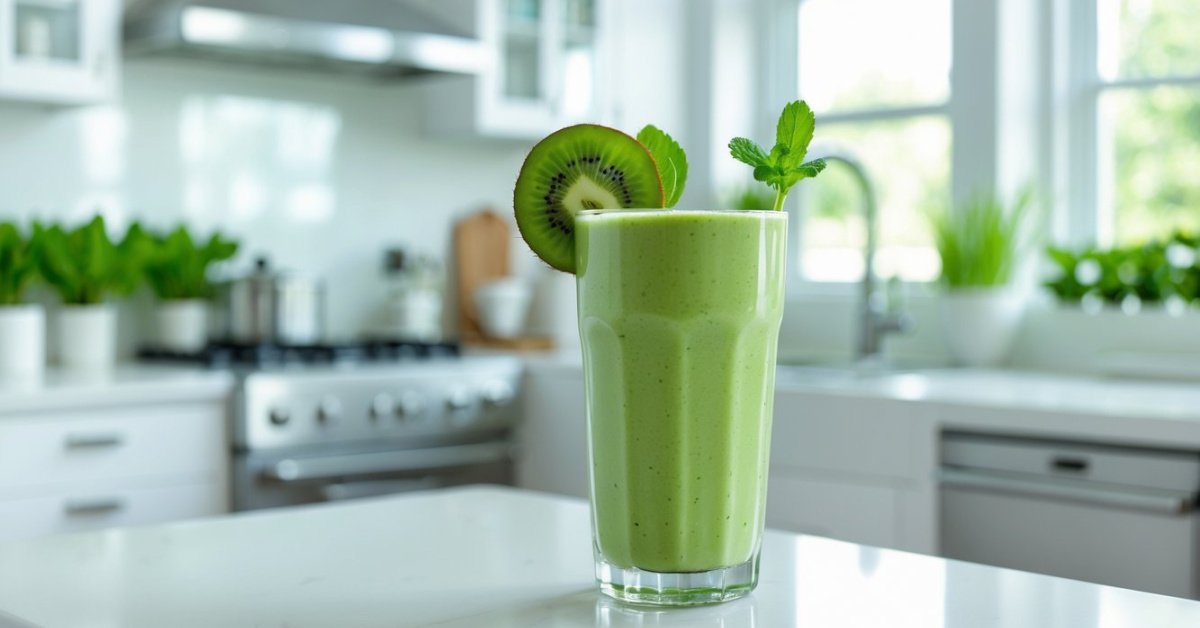
I’ve always loved the idea that something as simple as a smoothie could help ease joint pain. When my knees ache after a long day or my fingers feel stiff in the morning I reach for a glass packed with fresh fruits and veggies. There’s something comforting about sipping on a cool blend that not only tastes great but could actually help me feel better.
It’s amazing how nature offers so many ingredients that support joint health. I’ve discovered that the right mix of berries leafy greens and seeds can make a real difference in how I move and feel. If you’re looking for a tasty way to soothe your joints and boost your overall wellness you’re in the right place.
Understanding Joint Pain and Its Causes
Joint pain typically involves discomfort, swelling, or decreased range of motion in areas where bones connect. I notice this most in my customers who mention stiffness in knees, hands, or shoulders, especially after physical activity or long periods of sitting.
Most commonly, joint pain stems from osteoarthritis, rheumatoid arthritis, and gout, as confirmed by Mayo Clinic. These conditions create inflammation in the joints. For example, osteoarthritis wears down cartilage from regular use, while rheumatoid arthritis inflames the joint lining. Injuries, such as sprains or strains, also contribute to joint pain in active individuals.
Inflammation acts as a central factor in joint discomfort. Diets high in sugar, processed foods, and unhealthy fats tend to increase inflammation, according to Harvard Health Publishing. In my shop, I often guide people toward ingredients rich in antioxidants and omega-3 fatty acids since these combat oxidative stress and help reduce chronic inflammation.
Natural factors including age, family history, and previous injuries increase risk for joint problems. Repetitive movements in sports or work also worsen symptoms over time. Through my experience, I’ve seen that regular use of nourishing ingredients in smoothies—such as berries, leafy greens, turmeric, and chia seeds—supports joint comfort and may enhance mobility for many customers.
The Role of Nutrition in Joint Health
Nutrition directly shapes joint health through daily ingredient choices. I see how certain foods affect customers’ comfort, energy, and mobility every day at my shop. Antioxidant-rich fruits—like blueberries, cherries, and strawberries—neutralize free radicals and ease oxidative stress, both linked to joint inflammation (Arthritis Foundation, 2023). Leafy greens, for example spinach and kale, supply vitamins C and K, helping with collagen formation and cartilage support.
Omega-3 fatty acids, found in chia seeds, flaxseeds, and walnuts, help reduce inflammation. In my shakes, adding these seeds gives a creamy texture and delivers joint-friendly nutrients. Protein sources such as Greek yogurt or pea protein help maintain healthy muscle and tissue around the joints. Research shows that consistent intake of these nutrients helps lessen joint pain and boost mobility (NIH, 2022).
I always recommend using minimally processed ingredients to avoid excess sugars and artificial additives, since these can intensify inflammation and hinder joint recovery. Including spices like turmeric or fresh ginger in smoothies gives both a flavor boost and compounds known for anti-inflammatory effects. I see clients benefit most when they blend a mix of nutrient-dense fruits, vegetables, seeds, and spices each day.
Why Smoothies Can Help With Joint Pain
I see smoothies as simple, delicious tools for supporting joint health. By blending smart ingredient combinations, I can deliver concentrated nutrients that target inflammation and discomfort.
Key Nutrients for Joint Support
I select certain ingredients for their key roles in joint support. Vitamin C from oranges, kiwi, and strawberries boosts collagen for strong cartilage. Omega-3 fatty acids in chia seeds, flaxseeds, and walnuts help calm joint inflammation. Antioxidants in berries—like blueberries and cherries—fight cell stress that worsens joint pain. Magnesium and calcium from spinach, kale, and Greek yogurt support bone strength and flexibility. I often add ginger or turmeric, since they contain compounds shown to reduce inflammatory signals in the body [source: Arthritis Foundation].
Benefits of Consuming Ingredients in Smoothie Form
I blend these ingredients into a smoothie to make their benefits more accessible. Blending helps break down fruits, greens, and seeds, letting the body absorb vitamins, minerals, and antioxidants faster. Fresh smoothies let me avoid added sugars, excess sodium, and preservatives that can harm joint health. I also customize each blend to include ingredients for anti-inflammatory support, which means my customers get targeted nutrition in every glass, with every sip working to ease joint stress while tasting great.
Best Ingredients for Smoothies for Reducing Joint Pain
Creating smoothies with the right ingredients brings both delicious flavor and targeted benefits for joint comfort. In my smoothie shop, I always choose high-quality components that support joint health and blend smoothly at home.
Anti-Inflammatory Fruits and Vegetables
Adding anti-inflammatory fruits and veggies to smoothies helps reduce joint pain naturally.
- Berries (blueberries, cherries, strawberries): I blend these for their strong antioxidant content, which research links to lower inflammatory markers (Arthritis Foundation).
- Leafy greens (spinach, kale, Swiss chard): I choose these greens for their high levels of vitamin K and C, supporting collagen and cartilage formation.
- Citrus fruits (oranges, grapefruits): I include these for extra vitamin C, crucial for joint tissue repair.
- Pineapple and papaya: I mix these tropical fruits into smoothies to supply bromelain and papain, enzymes that may ease swelling.
Seeds, Nuts, and Healthy Fats
Incorporating seeds, nuts, and healthy fats creates creamy textures and delivers joint-protecting nutrients.
- Chia and flaxseeds: I use these seeds to provide plant-based omega-3s, which support reduced inflammation (National Institutes of Health).
- Walnuts: I add a handful of walnuts to boost omega-3 content and create a richer taste.
- Almonds: I blend almonds for magnesium and vitamin E, which contribute to joint and bone health.
- Avocado: I add avocado for its healthy monounsaturated fats and smooth mouthfeel.
Additional Boosters: Spices and Supplements
Enhancing smoothies with specific spices and supplements increases their joint-supporting potential.
- Turmeric: I add a teaspoon of turmeric for curcumin, a compound known for managing inflammation.
- Ginger: I include fresh ginger to give smoothies a zesty kick and extra anti-inflammatory effects.
- Collagen peptides: I blend in collagen powder to help maintain joint cartilage.
- Vitamin D or calcium-fortified non-dairy milks: I use fortified milks for nutrient density and bone support.
Every recipe I make aims to balance taste, nutrition, and joint support, using only the best whole-food ingredients available to provide effective relief and a great smoothie experience at home.
Easy and Effective Smoothie Recipes for Joint Pain Relief
Creating smoothies for joint pain relief combines my passion for crafting delicious blends with my commitment to healthy, functional ingredients. I use fresh fruits, leafy greens, seeds, and spices to offer options that are not only effective but also easy to prepare at home. Below are three of my favorite recipes that customers often request for their anti-inflammatory properties, convenient prep, and satisfying taste.
1. Berry-Ginger Anti-Inflammatory Smoothie
This smoothie uses mixed berries for antioxidants, spinach for vitamins, chia seeds for omega-3s, and fresh ginger for its well-documented anti-inflammatory benefits.
- 1 cup frozen mixed berries (blueberries, raspberries, strawberries)
- 1 cup fresh spinach
- 1 tablespoon chia seeds
- 1 small piece fresh ginger (about ½ inch, peeled)
- 1 cup unsweetened almond milk
Blend all ingredients on high speed until smooth. I often serve this in my shop to customers with knee or hand discomfort.
2. Citrus-Turmeric Recovery Smoothie
This blend offers vitamin C from oranges, anti-inflammatory action from turmeric, and healthy fats from avocado.
- 1 orange, peeled
- ½ ripe avocado
- 1 teaspoon turmeric powder (plus a pinch of black pepper to boost absorption)
- ½ banana
- 1 cup coconut water
Combine all ingredients and blend well. Clients with osteoarthritis especially love this one for its creamy texture and citrusy flavor.
3. GREEN Omega Booster Smoothie
Leafy greens, walnuts, and flaxseed provide vitamins, minerals, and anti-inflammatory omega-3s in this nutrient-dense blend.
- 1 cup kale leaves, destemmed
- 1 small green apple, cored
- ¼ cup raw walnuts
- 1 tablespoon ground flaxseed
- ¾ cup plain Greek yogurt
- ½ cup water
Blend until creamy. This recipe keeps joints comfortable and adds extra protein for muscle support.
| Recipe | Main Benefits | Key Ingredients |
|---|---|---|
| Berry-Ginger | Antioxidant, Omega-3, Ginger | Mixed berries, spinach, chia seeds, ginger |
| Citrus-Turmeric | Vitamin C, Turmeric, Healthy Fats | Orange, avocado, turmeric, banana |
| GREEN Omega Booster | Omega-3, Greens, Protein | Kale, walnut, flaxseed, green apple, Greek yogurt |
Every recipe uses whole ingredients you can source at home and features flavors my shop visitors appreciate for both taste and effectiveness. Swapping ingredients based on personal preference lets you personalize these options while maintaining joint relief benefits. For best results, I use ripe, high-quality produce and blend until completely smooth to maximize nutrient absorption and taste.
Tips for Making the Most of Your Joint Pain-Reducing Smoothies
Choose ripe, high-quality produce
I always select fresh or frozen fruit and vegetables at peak ripeness, including blueberries, strawberries, and leafy greens. Ripe ingredients blend more smoothly and deliver the most vitamins, antioxidants, and flavor.
Use measured amounts for consistency
I weigh out seeds, nuts, and spices, choosing portions like 1 tbsp chia seeds, 2 tbsp walnuts, or ½ tsp turmeric per smoothie. Consistent measurements ensure every blend contains similar levels of joint-supporting nutrients.
Blend in multiple stages
I add greens or tough vegetables first with liquid, then blend until completely smooth before incorporating softer fruit and seeds. This method breaks down fibrous ingredients for better texture and absorbs nutrients more efficiently, especially when using kale, spinach, or carrots.
Prioritize unsweetened bases
I use unsweetened nut milks, coconut water, or filtered water instead of fruit juice to avoid excess sugars and keep my recipes clean. For example, almond milk or oat milk offer neutral flavor and creamy texture without raising sugar content.
Experiment with temperature and texture
I add a handful of ice or use frozen berries to make thick, frosty blends, which many customers love. For a silkier mouthfeel, I sometimes blend in half an avocado or a small slice of banana, which also adds nutrients for joint health.
Rotate anti-inflammatory ingredients
I alternate additions like ginger, turmeric, flaxseed, and Greek yogurt, varying day by day so I’m not relying on only one source of joint relief. This approach maximizes phytonutrient diversity and keeps my menu exciting.
Clean blenders promptly
I rinse blenders and washing tools within minutes after use. Fresh produce and seeds can cling to blades and pitchers, so quick cleanup prevents residue buildup and keeps flavors true for every batch.
Log recipes and note results
I keep a dedicated recipe log to track which blends customers love most and note any ingredient swaps. If a certain combination provides better support or great taste, I’ll make it a shop highlight.
Source ingredients thoughtfully
I build lasting relationships with local farms and suppliers. Reliable sources provide high-quality produce, fresh turmeric roots, and organic greens, making a significant difference in flavor and nutritional punch.
Educate on portion control
I always recommend 12–16 oz servings for joint pain-relieving smoothies for most adults. Balanced servings avoid overloading on calories and allow space to enjoy different recipes each day.
Stay inspired by feedback
I collect customer feedback regularly, testing new ingredients that show promise for joint wellness, like tart cherry juice or pea protein. Continuous learning drives innovation and helps me craft even better smoothie options.
Conclusion
I’ve found that making smoothies part of my daily routine has truly changed the way I manage joint discomfort. Every blend is a chance to nourish my body with ingredients that support my joints and keep me feeling my best.
Experimenting with flavors and textures keeps things exciting and helps me stay consistent. If you’re looking for a simple and tasty way to care for your joints try mixing up your own smoothie creations—you might be surprised by how much better you feel.