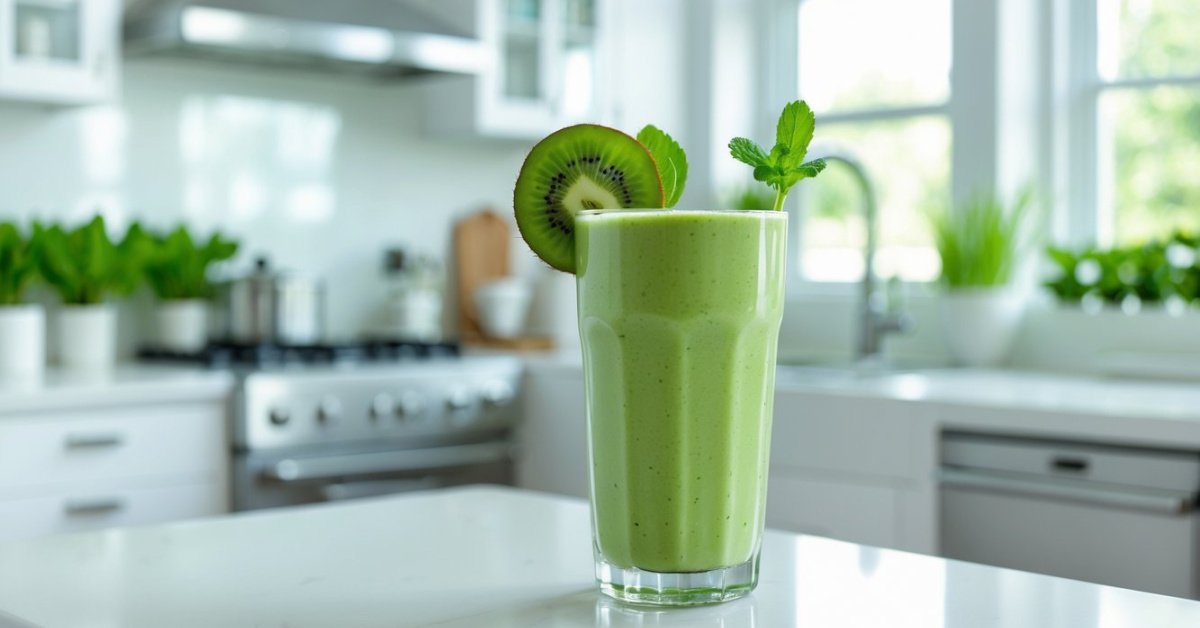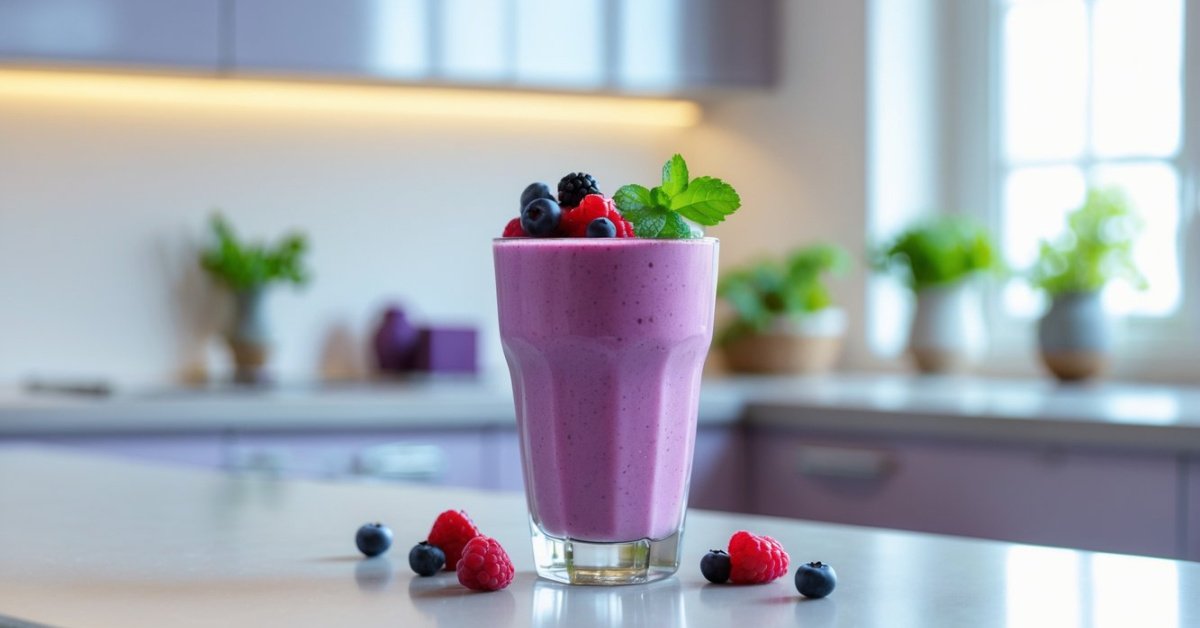

When I started focusing on building muscle I quickly realized that protein shakes were everywhere in the fitness world. They promised faster recovery better results and a convenient way to fuel my workouts. But with so many options and opinions out there I found myself wondering—how much protein do I actually need in a shake to see real progress?
It’s easy to get overwhelmed by flashy labels and bold claims but understanding the basics makes all the difference. I wanted to know what my body really needed instead of just following the latest trend. So I dove into the science to figure out the ideal protein requirements for muscle-building shakes and how they fit into my daily routine.
Understanding Protein Requirements for Muscle-Building
When I help customers craft muscle-building shakes at my shop, I always start with a quick protein needs assessment. Protein intake sets the foundation for gaining lean muscle and getting real results from those homemade smoothies.
Factors Influencing Protein Needs
Several factors determine how much protein goes into a muscle-building shake:
- Activity level: People who train with weights or do intense exercise sessions, like HIIT or CrossFit, require more protein than those living a sedentary lifestyle.
- Body weight: Larger bodies demand more protein per meal to maintain and build muscle mass.
- Age: Adults over 40 may see better muscle preservation with slightly higher protein intakes per shake or smoothie.
- Training goals: Building significant muscle—like with bodybuilders or athletes—calls for more protein than simply maintaining or toning.
- Diet quality: Whole food protein sources such as Greek yogurt, milk, or plant-based powders, impact digestibility and how efficiently the body uses those amino acids.
Recommended Daily Protein Intake for Muscle Growth
For most adults seeking muscle growth, key organizations like the American College of Sports Medicine and the International Society of Sports Nutrition recommend:
| Group | Recommended Protein Intake | Example (150 lb person) |
|---|---|---|
| General population | 0.8 g/kg body weight/day | 55 g |
| Active adults (muscle gain) | 1.2–2.0 g/kg body weight/day | 82–136 g |
I advise aiming for the higher end of this range if building muscle is the goal, using a mix of protein-rich ingredients—such as whey, pea protein, chia seeds, or cottage cheese—in every shake. Consistency and even protein distribution across your smoothies, snacks, and meals is key, as research shows this pattern supports muscle protein synthesis better than skewed doses.
Types of Protein Used in Muscle-Building Shakes
Choosing the right protein for muscle-building shakes makes a real difference in results and flavor. I always focus on both taste and nutritional quality when selecting proteins for my smoothies and shakes.
Whey vs. Casein Protein
Whey and casein protein powders come from milk, yet they differ in how the body digests them. Whey isolates digest quickly, delivering amino acids to muscles within 30–60 minutes, which supports post-workout recovery (source: ISSN, 2017). I use whey in shakes made right after intense sessions or for customers who want fast-acting protein.
Casein digests slowly over 6–8 hours, making it ideal if you want a steady supply of amino acids overnight or during long gaps between meals. Casein shakes work best for a nighttime snack or a meal replacement. Both whey and casein give a creamy, smooth texture to shakes when blended with milk, fruit, or nut butters.
Plant-Based Protein Options
Plant-based proteins like pea, soy, rice, and hemp let anyone enjoy dairy-free muscle-building shakes. Pea protein offers about 20 grams of protein per scoop and blends up silky with berries or greens. Soy protein holds all essential amino acids, much like animal proteins, which makes it a solid choice for vegan customers focused on muscle gain (source: Academy of Nutrition and Dietetics, 2017).
Rice protein has a mild flavor, and when mixed with pea protein, balances amino acids for a more complete profile. Hemp protein supplies omega-3 fatty acids and fiber in addition to protein, which works well in shakes for added nutrition. I match plant proteins to shake recipes using whole-food ingredients to complement the flavors and create smooth, satisfying drinks.
How to Calculate Protein Content in Shakes
Accurately tracking the protein content in shakes helps make every ingredient count. I use label reading, kitchen scales, and my ingredient lists to ensure I meet my muscle-building goals with each blend.
Serving Size Considerations
Consistent shake serving sizes help predict total protein intake each time. I weigh main ingredients like protein powder, Greek yogurt, or tofu before blending. For example, most standard protein powder scoops provide 20–25 grams of protein per serving, which I confirm using the nutrition label. Whenever I add milk, seeds, or nut butter, I check the protein value per cup or tablespoon. Measuring in advance makes it easy to hit specific protein targets and prevents accidental under- or overserving.
Timing and Frequency of Consumption
Strategic shake timing increases protein efficiency for muscle growth. I recommend consuming a protein-rich shake within 30–60 minutes after a workout, when muscles repair fastest. If muscle-building is the goal, I split total daily protein needs into three to five even portions throughout the day, including at breakfast or as a midday snack. Regular, well-timed shakes help keep amino acid levels steady, supporting better muscle recovery and synthesis. I always check my overall protein total from all meals and snacks to avoid overshooting daily recommendations.
Common Mistakes in Meeting Protein Requirements
Every day at my smoothie shop, I see people striving to make protein shakes part of their fitness routine. A few common mistakes often stall muscle-building progress or compromise nutrition.
Overconsumption and Underconsumption
Misjudging protein amounts in homemade shakes limits muscle growth benefits. Overconsumption—like adding three or more scoops of protein powder to a single shake—can strain digestion and lead to unnecessary calories. Underconsumption—using less than one serving of protein-rich ingredients, such as only half a scoop of protein powder or a small spoonful of Greek yogurt—may not support muscle recovery after workouts. I measure protein sources for each shake using a kitchen scale or pre-marked scoops to keep servings accurate.
Mixing with Other Nutrients
Combining protein with excessive sugars or fats in shakes undermines nutritional value. Using sweetened yogurt, ice cream, or chocolate syrups adds empty calories and can blunt the benefits of balanced protein intake. Adding too many nut butters or oils leads to calorie-dense shakes that compete with healthy muscle-building goals. I blend in whole fruits—like a half banana or a quarter cup of blueberries—and small portions of natural nut butters to add flavor and texture, keeping nutrition focused and shakes satisfying. Balancing protein with fiber, healthy carbs, and minimal added sugars helps create a shake that fuels workouts and supports muscle repair.
Choosing the Right Muscle-Building Shake
Selecting the right muscle-building shake comes down to knowing which ingredients meet your body’s needs and how to check a product’s nutritional value. My experience as a smoothie shop owner has shown me that using quality protein and fresh add-ins leads to better taste and results.
Reading Nutrition Labels
Understanding nutrition labels helps you choose protein sources that truly support your muscle-building plans. I always check for these key vectors:
- Protein grams per serving: I look for at least 20 grams of protein per serving in the base powder, measured by weight after blending.
- Added sugars: I skip powders with more than 6 grams of added sugar per serving, since high sugar content can counteract healthy goals.
- Other macros: I check carb and fat counts—some protein powders use filler grains or oils that add unnecessary calories.
- Ingredient quality: I scan for short ingredient lists, featuring whole-food ingredients or clean isolates, such as “whey protein isolate”, “pea protein”, or “natural flavors”.
- Certifications: For customers with dietary needs, I look for labels like “non-GMO”, “organic”, or “third-party tested for purity”.
Customizing Shakes for Individual Goals
Customizing shakes lets me help guests reach specific muscle-building and wellness objectives.
- Boosting protein for muscle gain: I add Greek yogurt, cottage cheese, or silken tofu to increase the protein content if someone’s aiming for higher intake.
- Lowering calories for lean muscle: I stick with unsweetened almond milk, keep fruits like berries as the primary carbohydrate, and avoid calorie-rich mix-ins.
- Enhancing recovery for athletes: I blend in anti-inflammatory ingredients, including turmeric, spinach, or tart cherry, to help ease muscle soreness after tough sessions.
- Supporting plant-based diets: I offer pea, rice, or hemp protein bases paired with nut butters, seeds, or oats to create well-rounded shakes.
- Managing allergies and intolerances: I carefully substitute dairy or common allergens with suitable alternates based on the customer’s needs.
Each shake gets crafted with purpose, always using fresh fruits, smart add-ins, and the right amount of protein, blending nutrition and flavor for muscle-building success.
Conclusion
Finding the right balance with protein shakes has made a big difference in my muscle-building journey. I’ve learned that paying attention to my unique needs and being mindful of ingredient choices really pays off.
A little planning goes a long way when it comes to fueling workouts and recovery. With the right approach any shake can become a powerful tool for reaching fitness goals and enjoying the process along the way.