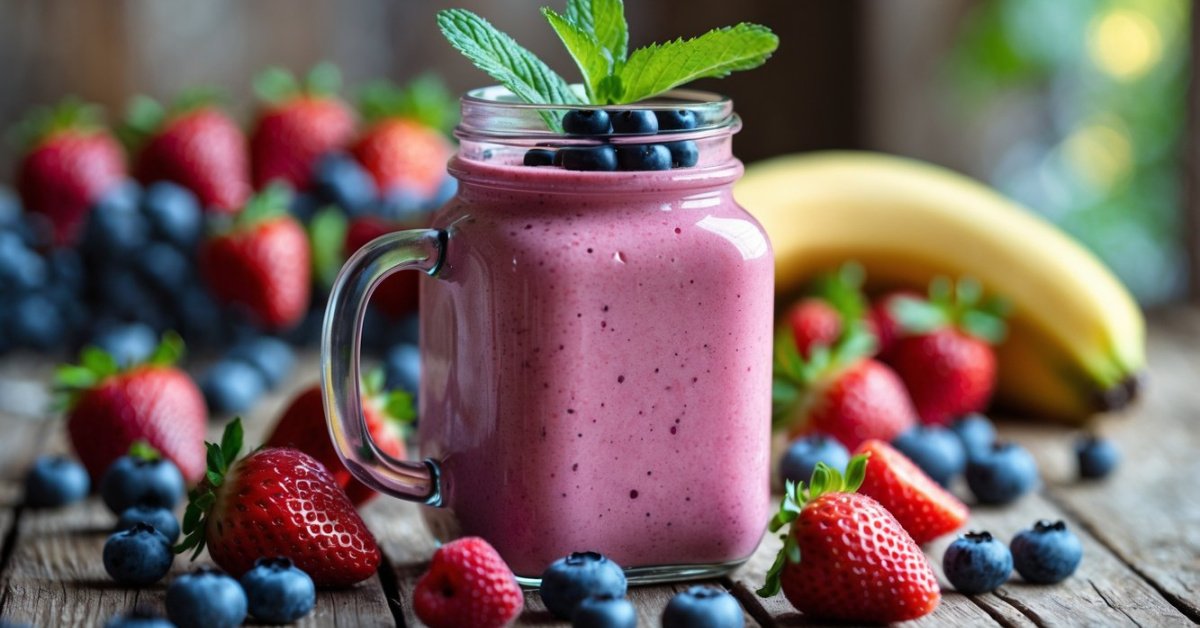
When I’m craving something quick and healthy, a smoothie always hits the spot. But if I’m trying to lose weight, I know it’s not just about tossing fruit and yogurt into a blender. The real secret is getting the right balance of macros—protein, carbs, and fats—so my smoothie keeps me full and fuels my goals.
I’ve learned that even the healthiest ingredients can add up fast if I’m not careful. By paying attention to what goes into my glass, I can enjoy delicious smoothies that actually support my weight loss journey. It’s all about making smart choices without sacrificing flavor.
Understanding Macros in Weight Loss Smoothies
Balancing macros helps me create smoothies that taste amazing and support my weight loss goals. Each smoothie I make relies on the right blend of macronutrients to provide energy and satisfaction.
What Are Macros?
Macros—short for macronutrients—include protein, carbohydrates, and fats. Every smoothie I blend gets its nutrition mainly from these three sources:
- Protein sources like Greek yogurt, protein powder, or silken tofu support muscle and curb hunger.
- Carbohydrates from fruits, oats, or honey supply quick-access energy and add natural sweetness.
- Fats from nut butters, seeds, or avocado contribute creaminess and keep me full longer.
Importance of Macros for Weight Loss
Macro balance plays a direct role in weight loss smoothies. When I adjust macro ratios, I notice differences in satiety, taste, and calorie control:
- Protein keeps me feeling full, helps minimize cravings, and conserves lean muscle.
- Carbohydrates refill my energy after workouts, but I keep portions controlled to avoid excess sugar.
- Healthy fats boost fullness and help absorb important vitamins, as long as I use them sparingly.
Tracking macros helps me make smoothies that not only taste great but also fit my day’s nutrition goals, supporting consistent, sustainable progress.
Key Macronutrients to Balance
Every weight loss smoothie I make in my shop starts with a smart balance of protein, carbs, and fats. Knowing how to fine-tune each macro creates a base that helps customers feel full, satisfied, and energized after every drink.
Proteins: Role and Best Sources
Protein keeps my smoothies filling and helps manage appetite. In my recipes, I use protein-rich ingredients like nonfat Greek yogurt, cottage cheese, or plant-based protein powder (for example, pea or brown rice). For classic flavor profiles, I reach for unsweetened whey protein isolate or casein. Using these gives every smoothie a creamy texture and a longer-lasting fullness.
Carbohydrates: Choosing the Right Types
Carbs add natural sweetness and quick energy. I focus on whole food sources such as berries, banana, or mango. Rolled oats or cooked quinoa work well for texture and slow-release energy. By sticking to fruit and unprocessed grains, I avoid the blood sugar spikes that come from processed sweeteners or fruit juices.
Fats: Healthy Options for Smoothies
Fats add richness and make my smoothies more satisfying for my customers. I use small amounts of avocado, natural almond butter, ground flaxseed, or chia seeds (about 1 tablespoon per serving). These healthy fats support steady energy and provide omega-3s without overpowering the flavor. Choosing raw, unsweetened versions keeps both nutrition and taste on track.
How to Balance Macros for Effective Weight Loss
Balancing protein, carbs, and fat in every smoothie leads to better results during weight loss. I always combine nutrition goals with flavor and ingredient quality for each blend.
Calculating Your Ideal Macro Ratios
Finding optimal macro ratios supports steady weight loss through smoothies. I use a common baseline of 40% protein, 40% carbs, and 20% fat for most weight loss routines, aligning these with guidance from the Mayo Clinic and ACE Fitness. Adjusting these percentages helps if energy levels or feelings of fullness shift throughout the day.
| Macro | Baseline Ratio | Example Range | Role in Smoothies |
|---|---|---|---|
| Protein | 40% | 30–50% | Supports muscle, keeps you full |
| Carbohydrates | 40% | 30–50% | Fuels energy, adds sweetness |
| Fat | 20% | 15–25% | Boosts satisfaction, adds creaminess |
I use precise kitchen scales or tracking apps for measurements so every smoothie matches my macro plan.
Tips for Creating Well-Balanced Smoothies
Perfecting smoothie macros starts with smart ingredient choices and simple portion control. I add protein with Greek yogurt, silken tofu, or quality protein powder to build richness. For carbs, I use mixed berries, rolled oats, and leafy greens to sweeten and thicken naturally. Healthy fats like ground flaxseed, chopped walnuts, or a small scoop of almond butter offer texture and nutrition.
I keep extra sugar and sweeteners out to maintain balance. I choose unsweetened almond milk or lowfat dairy for minimal carb impact. I blend spinach, kale, or zucchini as low-calorie volume for body and fiber. I rely on portioned add-ins like cacao nibs or chia seeds if I want crunch and more healthy fat.
Each smoothie recipe I share matches my macro targets and always prioritizes flavor and whole food nutrition. Consistently following this routine lets me offer shakes and smoothies that are both delicious and supportive of weight loss goals in my shop and at home.
Sample Balanced Smoothie Recipes
I design my smoothie recipes with careful macro balance and full flavor. Each blend uses great, healthy ingredients and reflects what I serve in my shop.
High-Protein Smoothie Example
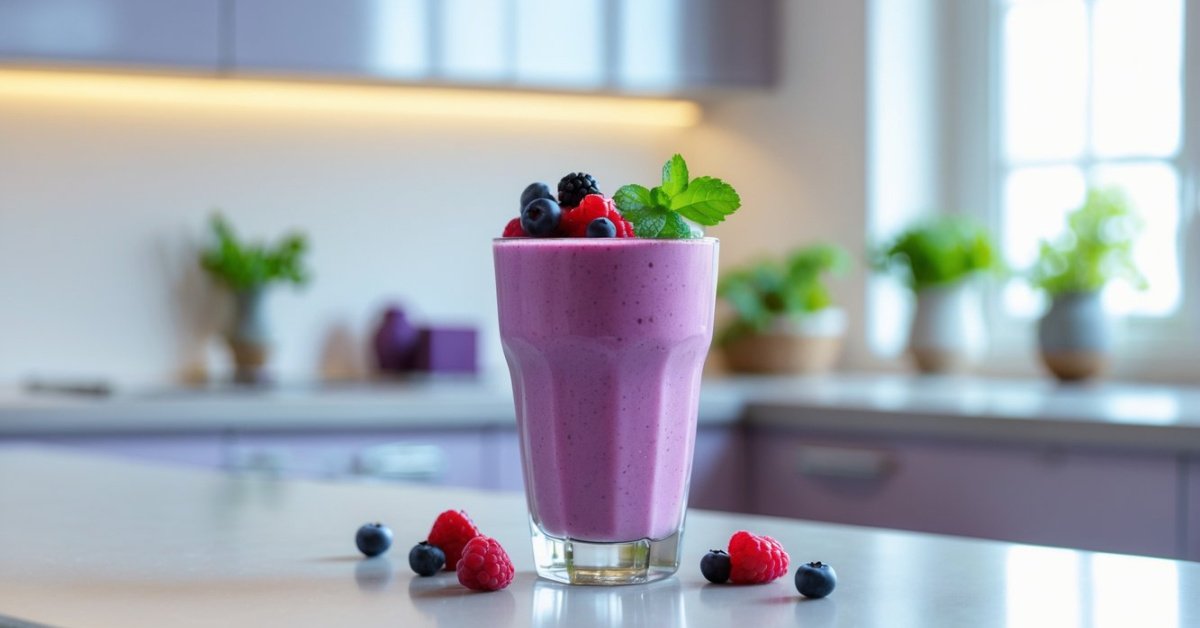
I blend Greek yogurt, frozen blueberries, a scoop of unsweetened protein powder, and half a banana to make a high-protein smoothie. I add 1 tablespoon almond butter for healthy fat and pour in 8 oz unsweetened almond milk. This recipe delivers about 25g protein, 30g carbs, and 10g fat per serving. It tastes creamy and satisfies deep hunger, making it ideal post-workout or as a filling breakfast.
Low-Carb Green Smoothie Example
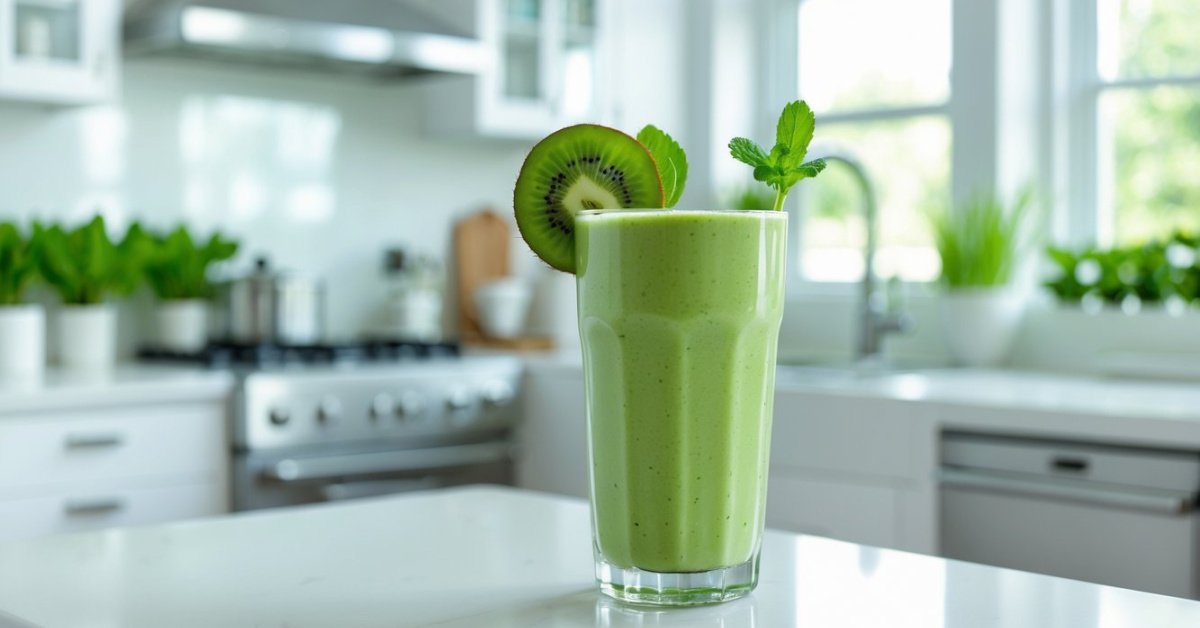
I combine 1 cup spinach, ½ small avocado, ½ cup cucumber, 1 scoop plant-based protein powder, and ½ cup unsweetened coconut milk when crafting a low-carb green smoothie. I add a dash of lemon juice and a bit of ice to chill. This blend provides about 18g protein, 8g net carbs, and 11g fat per serving. It boosts satiety and keeps the carb count low, so it fits well with most low-carb or keto-friendly goals.
Common Mistakes to Avoid
Balancing macros in weight loss smoothies takes more than tossing in healthy ingredients. I see these errors most often from customers and home smoothie makers eager to cut calories without checking their ingredients.
Overloading on Sugars and Carbs
Smoothies packed with fruit or sweetened dairy sneak in extra sugars and carbs quickly. Even using two bananas, a cup of mango, and apple juice can spike your smoothie to 50g sugar or higher per serving—far above the recommended 15-25g for a balanced meal. I always check for hidden sugars in Greek yogurt, protein powders, and nut milks. Choosing unsweetened plant milks and sticking with one serving of lower-sugar fruit such as berries keeps my recipes tasty and lower in sugar.
Neglecting Healthy Fats or Proteins
Skipping healthy fats or proteins leads to a smoothie that isn’t filling—leaving you hungry and likely to snack. A blend of just fruit and juice lacks the 15-25g protein or 7-15g fat that helps with satisfaction and steady energy levels. I often add Greek yogurt, tofu, or protein powder for protein. I include a tablespoon of almond butter, ground flaxseed, or avocado in most recipes to boost healthy fats without overpowering the flavor. This approach keeps my smoothies balanced, rich, and supportive of any weight loss goals.
Conclusion
Finding the right macro balance for my weight loss smoothies has made a huge difference in how satisfied and energized I feel throughout the day. I love experimenting with different ingredients and ratios until I find what works best for my body and taste buds.
It’s all about making mindful choices and being intentional with every ingredient that goes into my blender. When I stick to this approach I know I’m supporting my goals and enjoying every sip along the way.