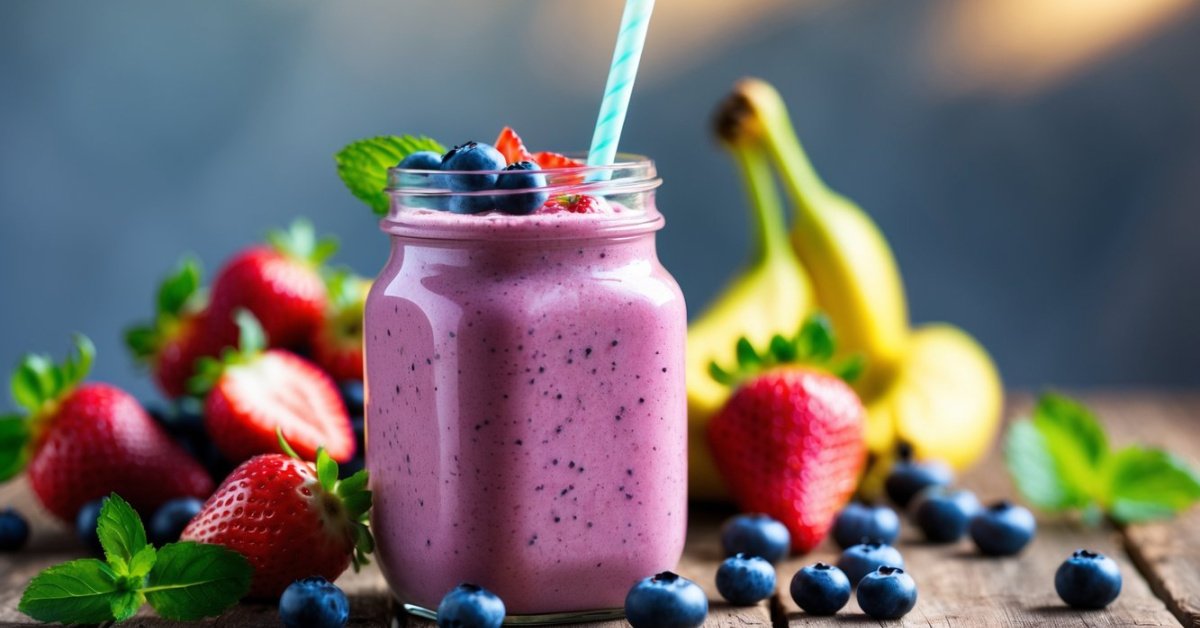

When I first started looking for the perfect protein powder, I was overwhelmed by the choices. Whey and plant-based options seemed to be everywhere, each promising better results and faster recovery. I wondered if one was truly better than the other or if it all came down to personal preference.
Choosing between whey and plant-based protein powders isn’t just about taste or price. It’s about finding what fits best with my lifestyle, goals, and even my digestion. Whether I’m mixing up a post-workout shake or adding a scoop to my morning smoothie, I want to know what I’m really getting from each type.
Understanding Protein Powders
Protein powders add both nutrition and a creamy texture to smoothies and shakes. In my smoothie shop, the right protein powder depends on dietary needs, taste preferences, and desired nutritional profiles.
What Is Whey Protein?
Whey protein comes from cow’s milk, created during the cheesemaking process. I use whey protein in smoothies for its complete amino acid profile, which supports muscle repair and growth, especially after tough workouts. Many brands, like Optimum Nutrition and Dymatize, process whey to maintain high protein content, offering 20–25 grams per serving. Because of whey’s quick dissolution and neutral flavor, it blends seamlessly into smoothie recipes with fruit, greens, or nut butters. If you’re lactose-intolerant or sensitive to dairy, though, you might want alternative proteins since whey contains traces of lactose.
What Is Plant-Based Protein?
Plant-based protein powders use sources like peas, brown rice, hemp, or pumpkin seeds. I recommend these for vegan smoothie recipes or if you’re seeking non-dairy options. Good brands, such as Orgain, Garden of Life, and Vega, combine multiple plants to hit complete protein status. Plant-based options tend to pack 15–20 grams of protein per serving and bring extra fiber and micronutrients from their original ingredients. Smoothies with plant-based powders deliver a thicker texture, plus mild earthy or nutty undertones that pair well with berries, banana, cocoa, or spices. Plant-based proteins are easy to digest for most people and fit both vegan and gluten-free lifestyles.
Nutritional Comparison
Nutritional values shape every smoothie or shake I put on my menu. My focus always lands on what each type of protein powder brings to the glass, especially when comparing whey and plant-based options.
Protein Content and Amino Acid Profile
Protein content and amino acid profiles differ between whey and plant-based powders. Whey protein isolates usually deliver around 20-27g of protein per 30g scoop, with a full complement of essential amino acids, including all three BCAAs (leucine, isoleucine, valine), which support muscle recovery. I use whey for customers wanting quick, complete protein in post-workout blends. Plant-based proteins, like those from pea or brown rice, typically give 15-24g of protein per scoop. Many single-source plant proteins miss one or more essential amino acids, but blends (pea-rice combos) match whey’s completeness. For vegan shakes, I prefer blended plant-based proteins with clear labels listing amino breakdowns.
| Protein Type | Protein (g/30g scoop) | Complete Amino Acid Profile | Example Brands |
|---|---|---|---|
| Whey Isolate | 20–27 | Yes | Optimum Nutrition, Dymatize |
| Pea Protein | 15–21 | No (unless blended) | Naked Pea, NOW Sports |
| Plant Blend | 18–24 | Yes (usually pea + rice) | Orgain, Vega |
Digestibility and Absorption Rates
Digestibility affects how protein supports each smoothie’s nutritional quality. My experience shows whey digests and absorbs fast—usually within 1–2 hours—making it ideal after tough workouts. Most customers tolerate whey well unless they’re lactose-intolerant, in which case even “lactose-free” isolates don’t always suit. Plant-based proteins digest more slowly (2–4 hours), especially those with added fiber, and they fit customers seeking gentler options on the stomach. Fermented or sprouted plant proteins, such as those in certain blends, boost absorption and reduce bloating in my dairy-sensitive or vegan clientele. For sensitive digestion, I recommend trying a single-serving vegan blend first to test tolerability.
Health Benefits and Potential Drawbacks
When customers ask me about whey vs plant-based protein powders, I always break down both health perks and possible downsides. Ingredient choice influences taste, nutrition, and how each smoothie or shake fits a healthy lifestyle.
Whey Protein: Benefits and Concerns
Whey protein brings a complete amino acid profile, which means in my smoothies, it helps support muscle recovery and overall body maintenance. Clinical data from the Journal of the International Society of Sports Nutrition (2018) notes increased lean muscle gains and improved recovery when using whey after workouts. Fast dissolving, whey delivers a smooth, creamy texture that blends easily, even in cold recipes.
Lactose content can cause digestive issues like bloating for some, especially those with lactose intolerance or milk allergies. I see this most when new customers add classic whey to a multi-ingredient shake. Many whey powders contain artificial flavors, sweeteners, and additives that may reduce nutrient quality. I always opt for clean-label isolates to limit these drawbacks.
Plant-Based Protein: Benefits and Concerns
Plant-based proteins give smoothie fans a dairy-free, allergen-friendly option. Pea, rice, hemp, and pumpkin seed proteins each have unique flavors and textures. These plant blends often add extra fiber, and I use them to boost satiety and gut health in meal-replacement smoothies. Studies from the Nutrients journal (2019) connect increased dietary fiber with improved digestive function—a definite plus for daily shakes.
Some single-source plant proteins miss a few essential amino acids, so I blend a mix (e.g., pea and brown rice) for a complete amino acid profile. I warn customers to check for added sugars, as some plant-based powders contain sweeteners to mask earthy or grainy flavors. Texture can be thicker or chalkier, which I balance out by tweaking my liquid ratios or using fruits like banana for creaminess.
Both options fit homemade shakes—when choosing, I focus on ingredient transparency, amino acid balance, and digestive comfort for customers who want the healthiest and most delicious results.
Suitability for Different Lifestyles
When I source ingredients for my smoothie shop, I always match protein powders to the lifestyle and values of my customers. The differences between whey and plant-based protein really matter for home smoothie-makers who care about nutrition, ingredient quality, and sustainability.
Dietary Preferences and Restrictions
Whey protein fits best for those who include dairy in their diet and want a smooth protein boost after workouts. I use it for customers needing quick recovery, unless they’re lactose intolerant, allergic to milk, or following a vegan diet. In these cases, I always recommend plant-based protein. Plant-based options work for vegans, people with dairy allergies, and anyone wanting to avoid animal products. For those with soy, nut, or gluten restrictions, I always double-check labels. Many pea, rice, and hemp proteins are free of common allergens, but reviewing every blend helps keep my smoothies safe and inclusive.
Environmental Impact
Plant-based proteins align more with environmentally conscious lifestyles. Pea, rice, and other plant proteins use less water and energy than dairy-based whey, according to independent sustainability studies (like Poore & Nemecek, Science, 2018). When making smoothies in my shop, I choose plant proteins for customers who prioritize their environmental footprint. Whey protein still has a place, especially from local suppliers using sustainable practices, but plant-based powders help reduce greenhouse gas emissions and resource use. I always explain these impacts to customers so they can choose the protein that matches their lifestyle values.
Taste, Texture, and Mixability
In my smoothie shop, I focus on delivering a balanced blend of taste, texture, and mixability with every shake or smoothie I prepare. Whey protein powders offer a natural dairy flavor and mix into liquids with minimal effort. I find the mouthfeel smoother, almost creamy, which works perfectly in classic strawberry or banana shakes. Customers usually describe whey-based blends as light and not gritty, which complements delicate flavors like vanilla or chocolate.
For plant-based protein powders, I see more variation in taste and consistency. Pea protein and brown rice protein introduce earthy or nutty notes that stand out in recipes, especially in green or berry smoothies. Textures from plant proteins tend to be thicker and sometimes chalkier. When blending vegan proteins, I notice they need a few seconds longer in a high-powered blender, and a splash more liquid often makes the texture just right without compromising flavor.
Mixability plays a big role when serving quick-to-go options. Whey protein dissolves rapidly in water or milk, rarely leaving clumps behind—even when I shake, not blend. Most plant-based proteins mix well with plant milks and fruit, but some brands, especially those high in hemp or flax, can leave a slightly grainy residue at the bottom of a glass if I don’t blend thoroughly.
Each protein type interacts differently with sweeteners, spices, and fruits. Whey blends smoothly with cocoa, cinnamon, or berries and lets those flavors lead the recipe. In contrast, plant proteins often dominate the flavor profile, so I pair them with bold ingredients—like mango, pineapple, ginger, or cacao nibs—to balance the mix.
As someone who values healthy, great-tasting smoothies, I always test every protein I use in-shop before listing it on the menu. For home smoothie makers, I suggest blending a single scoop of the chosen protein with a favorite fruit and a non-dairy milk, adjusting thickness by adding ice or water, then tasting to gauge if it fits both your nutrition goals and taste preferences.
Which Protein Powder Is Right for You?
Choosing the right protein powder for home smoothies or shakes depends on flavor, function, and fit with your lifestyle. I look for powders that complement recipes, deliver complete nutrition, and blend smoothly for great texture in every cup.
- Taste Preferences: Whey protein creates creamy, mild bases for classic shakes like chocolate, vanilla, or berry. I use it when I want the flavor of the mix-ins to shine without strong aftertastes. Plant-based powders introduce earthier or nuttier notes, which work best with bold ingredients like cocoa, bananas, or nut butters. When customers want unique flavor twists, I recommend pea or hemp blends for a richer, heartier shake.
- Digestive Comfort: Sensitive stomachs sometimes react to whey, especially for those with lactose intolerance, so I suggest plant-based options like brown rice or pumpkin seed protein. Blends with added fiber help promote steady digestion but can feel thicker, so I adjust the liquid content for a smoother sip.
- Nutritional Balance: For muscle recovery or higher protein needs, I use whey isolate or a diverse vegan protein blend to ensure all essential amino acids are present. Single-ingredient plant proteins work for daily wellness smoothies, but I enhance amino acid variety by combining two or three sources when making larger batches or meal replacements.
- Dietary Lifestyle: Vegans, vegetarians, or anyone with dairy allergies find plant-based powders align better with dietary choices. If sustainability matters, I lean toward proteins sourced from peas, rice, or hemp due to their lighter environmental footprint.
- Mixability in Smoothies: For at-home blenders, whey dissolves quickly with little effort. When I’m using plant-based powders, I add more liquid and blend longer for a soft, lump-free shake. In my shop, I always do a quick mix test to make sure the texture feels right before serving.
Matching the right protein powder to your tastes and needs takes a bit of trial and error, but you get a more enjoyable and nourishing smoothie every time you blend with purpose.
Conclusion
Choosing between whey and plant-based protein powders really comes down to what feels right for your body and your everyday routine. I’ve found that experimenting with different options has helped me discover what works best for my taste buds and my lifestyle.
No matter which protein you lean toward there’s plenty of room to get creative and make your smoothies both nourishing and delicious. At the end of the day it’s all about finding a blend that supports your goals and leaves you feeling your best.