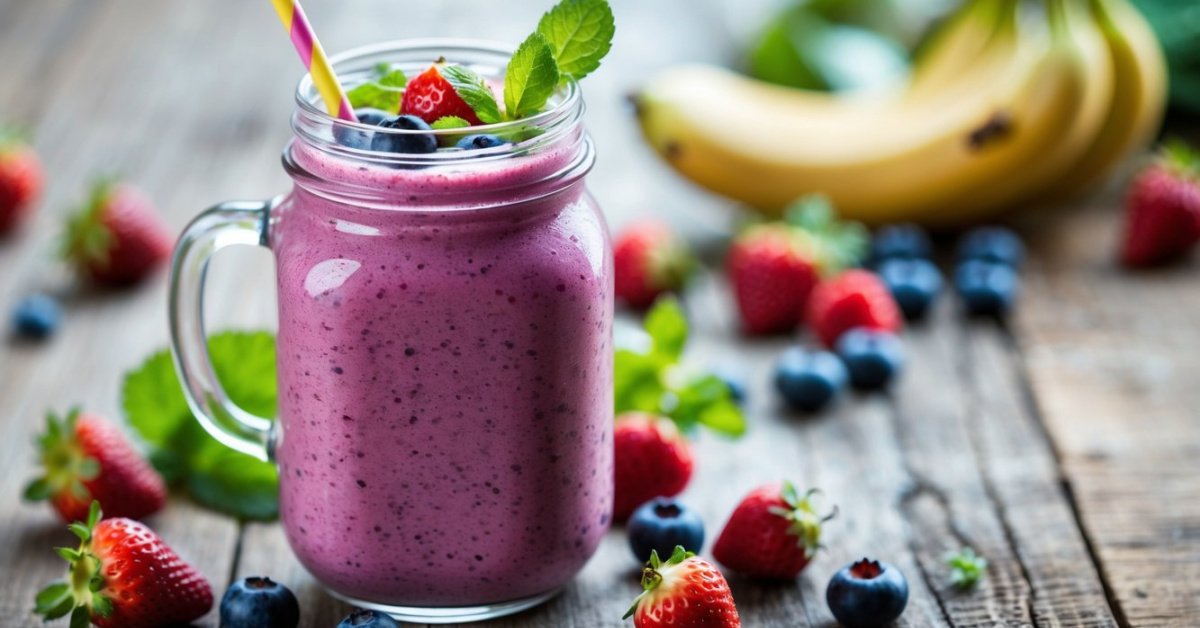
When I want to give my body a boost I often reach for a smoothie packed with fresh fruits and veggies. Not only do they taste great but they can also do wonders for my liver—a hardworking organ that deserves a little extra love. With the right ingredients smoothies can help support my liver’s natural detox process and keep it functioning at its best.
I’ve found that making smoothies is an easy way to sneak more nutrients into my day without much effort. Whether I’m dealing with a busy morning or looking for a quick snack I know I’m doing something good for my liver every time I blend one up.
Understanding Liver Health
I always keep liver health in mind when crafting smoothies for my shop. This organ manages essential detox processes and plays a big part in overall well-being, so I choose ingredients to help it thrive.
Functions of the Liver
I recognize the liver as the main detox hub in the body. It filters toxins, metabolizes fats and proteins, stores vitamins A, D, and B12, and regulates blood sugar by storing and releasing glucose. By breaking down used hormones and supporting immune defense, the liver keeps energy steady and systems balanced. For smoothie recipes, I focus on nutrients that support these critical functions—such as leafy greens for antioxidants and citrus fruits for vitamin C.
Common Factors Affecting Liver Health
I watch out for factors that impact liver function every day. Processed foods with trans fats or added sugars, excessive alcohol, long-term medication use, and high-calorie diets put stress on liver cells. Environmental toxins—like pesticides in non-organic produce—can increase liver workload. In my smoothie shop, I pick organic produce and avoid added sugars to help reduce these common liver stressors for my customers looking to blend for liver health.
Nutritional Benefits of Smoothies
Smoothies give me an easy way to pack nutrients into every glass. I blend ingredients that support liver health with the right balance of vitamins, minerals, and protective compounds.
Essential Vitamins and Minerals
Smoothies let me mix a range of fresh produce, giving the body vitamins and minerals crucial for liver function. I use spinach, kale, and avocado for vitamin E, magnesium, and potassium. Berries, oranges, and mangoes add vitamin C, which supports liver regeneration and immune function. I also include nuts, seeds, or leafy greens to add folate, iron, and zinc—nutrients the liver uses for detoxification enzymes and metabolic processes.
Role of Antioxidants in Liver Support
Smoothies allow me to easily deliver antioxidants, which protect the liver from oxidative stress. I always add blueberries, acai, or pomegranate, which are rich in polyphenols and anthocyanins. These antioxidants help the liver neutralize free radicals and reduce cell damage. Green tea, cacao, and beetroot are ingredients I use for their well-documented antioxidant properties, further supporting liver cell repair and resilience against daily toxins.
How Smoothies Support Liver Health
Smoothies offer a targeted way to deliver essential nutrients for liver support. By blending certain fruits, vegetables, and superfoods, I can give my customers convenient options to help their livers thrive every day.
Detoxifying Ingredients Often Used
I prioritize detoxifying ingredients in my smoothie recipes to promote optimal liver function. Lemons, beets, and dandelion greens appear often on my menu as they’re known for supporting the liver’s cleansing process (NCBI, 2018). Spinach, kale, and parsley provide chlorophyll, which supports the natural removal of toxins. Turmeric root, fresh ginger, and cilantro contribute compounds shown in studies to increase antioxidant activity and help flush heavy metals. I focus on sourcing organic produce in order to minimize pesticide exposure and maximize nutritional benefits.
Impact on Inflammation and Fat Accumulation
I use ingredients that combat inflammation and reduce fat buildup, which can support liver health in those at risk for fatty liver disease. Berries, such as blueberries and strawberries, are rich in anthocyanins that lower inflammatory markers (Journal of Agricultural and Food Chemistry, 2019). Avocado offers monounsaturated fats that help reduce liver fat accumulation. Flaxseeds and chia seeds provide omega-3 fatty acids to help modulate inflammatory responses. By pairing these components, I create smoothies that taste great and align with dietary patterns recommended for protecting the liver from inflammation and fat overload.
Best Ingredients for Liver-Boosting Smoothies
I always select ingredients that deliver maximum benefit for liver health and blend smoothly into vibrant drinks. My experience as a smoothie shop owner shows that the right produce, seeds, and supplements can create powerful combinations that support liver function.
Fruits and Vegetables for Liver Health
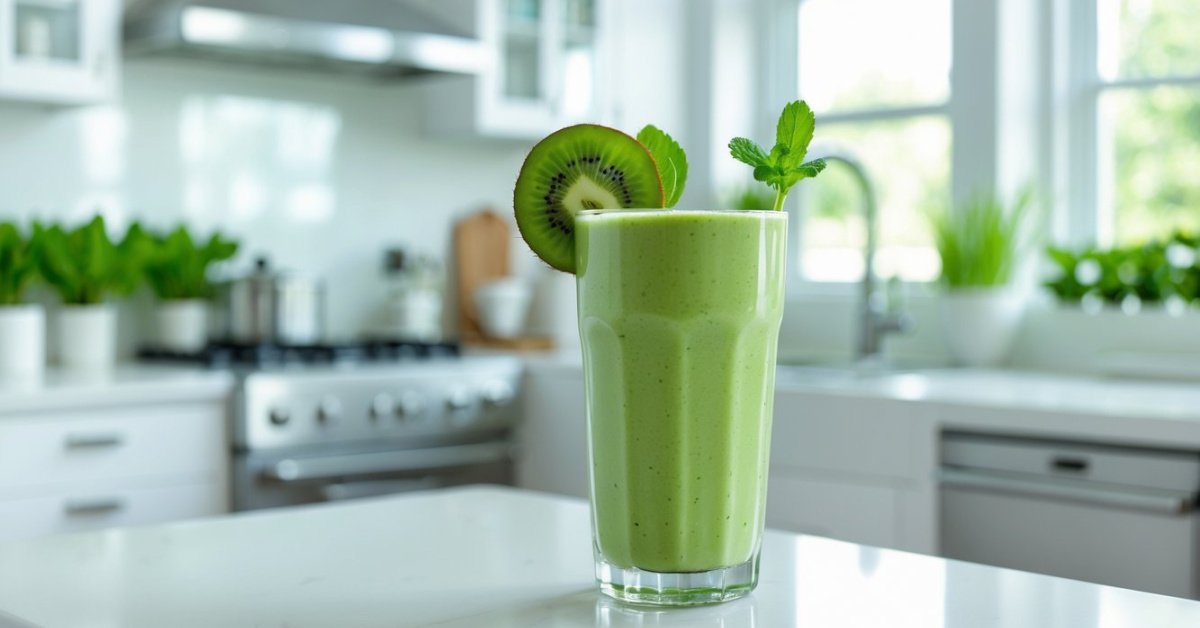
I rely on leafy greens and cruciferous vegetables for their nutrient-dense profiles. Spinach, kale, and swiss chard provide magnesium, vitamin E, and chlorophyll, which aid detoxification. Broccoli and Brussels sprouts, both cruciferous vegetables, supply sulfur compounds like glucosinolates that stimulate liver enzymes.
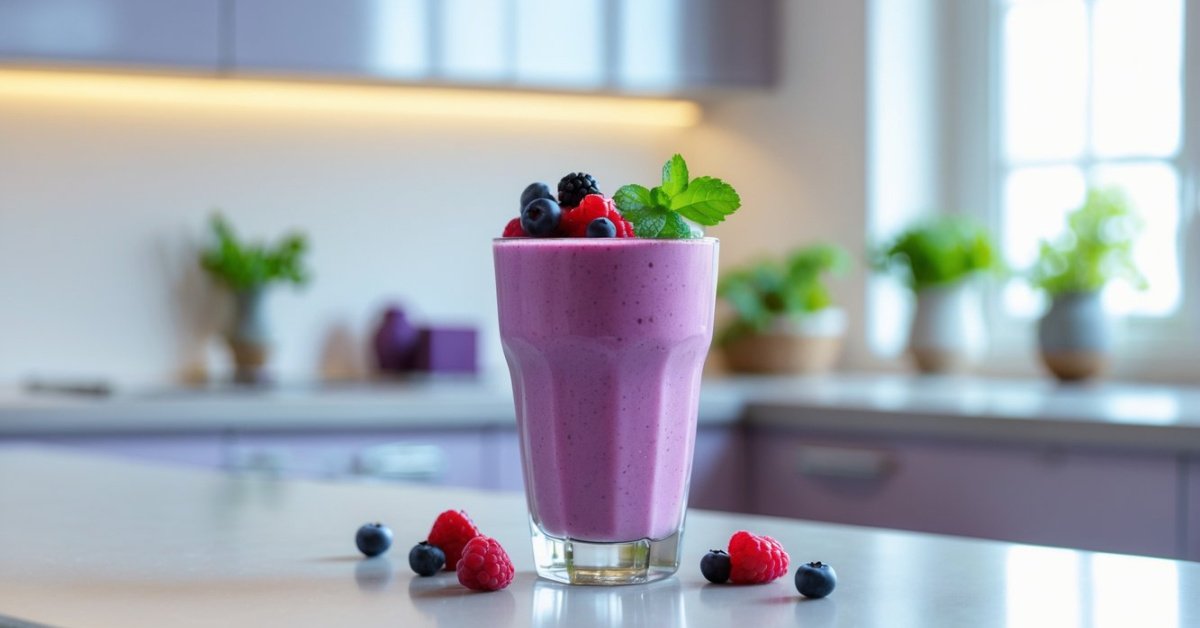
I add beets to smoothies for their betalains, which help reduce oxidative stress in the liver. Citrus fruits like lemons, limes, and oranges bring vitamin C, supporting regeneration. Berries—especially blueberries, raspberries, and blackberries—contribute antioxidants that fight free radicals and reduce inflammation. Avocado works well in creamy blends and delivers healthy fats plus glutathione, which protects liver cells.
Seeds, Spices, and Supplements
I boost liver-supporting smoothies with seeds, spices, and targeted supplements for extra potency. Flaxseeds and chia seeds offer omega-3s and fiber, helping lower inflammation and support toxin removal. Milk thistle powder supplies silymarin, a recognized antioxidant linked to improved liver cell health.
I sprinkle turmeric and ginger into my blends for their anti-inflammatory and antioxidant effects, with curcumin from turmeric helping counteract liver damage. Dandelion root powder and spirulina are easy to blend and encourage bile production for detoxification. For added protection, I sometimes include green tea matcha or wheatgrass for polyphenols and chlorophyll, both of which shield liver tissue.
When I combine these ingredients in smoothies, I see a transformation in both flavor and function, creating shakes that support long-term liver well-being.
Tips for Making Liver-Friendly Smoothies
Mixing the right ingredients helps me create smoothies that directly support liver health. Small choices, from selecting produce to blending techniques, mean each smoothie can nourish the body while delivering great taste.
Ingredient Combinations to Try
Blending specific ingredient pairs raises the nutrient density in my smoothies and promotes liver function.
- Leafy greens with citrus: I use spinach or kale with oranges or lemons for a vitamin C and folate boost. This blend helps detox pathways and enhances flavor.
- Beets with ginger: My mixes often include beets for betalains plus ginger for antioxidants. This duo supports oxidative stress reduction.
- Berries with avocado: I blend blueberries or blackberries with avocado to combine antioxidants with healthy fats, benefiting both cell repair and liver fat balance.
- Cruciferous veggies with pineapple: Sometimes, I pair broccoli or cauliflower florets with pineapple. The sulforaphane in cruciferous veggies combines with vitamin C, supporting liver enzymes and masking strong flavors.
- Seeds with turmeric: Adding flaxseeds or chia seeds and a dash of turmeric delivers omega-3s, fiber, and curcumin—supporting both detox and anti-inflammatory pathways.
Mistakes to Avoid
Avoiding common pitfalls helps me maximize liver-friendly benefits with every smoothie.
- Overloading on sweeteners: I skip honey, syrups, or fruit juice concentrates. Extra sugars can stress the liver and defeat health goals.
- Using non-organic produce: When I use apples, berries, or leafy greens, I choose organic options to limit pesticide exposure.
- Neglecting fat sources: I always include avocado, seeds, or nut butter for better absorption of fat-soluble vitamins and antioxidants.
- Ignoring portion sizes: Each smoothie I prepare uses 1 to 2 cups of greens and 1 serving of fruit. Excess fruit adds unwanted sugars.
- Forgetting variety: I rotate ingredients weekly, mixing in different greens, seeds, or spices. This helps my customers and me avoid nutrient gaps and palate fatigue.
Conclusion
Taking care of my liver has never felt easier or more enjoyable than when I’m blending up a fresh smoothie. With the right mix of fruits, veggies, seeds, and spices I know I’m giving my body the nutrients it needs to thrive. Every blend is a chance to get creative and support my health at the same time.
Making smoothies a regular part of my routine has become a simple act of self-care that I truly look forward to each day. My liver deserves the best and I love knowing that each sip is a step toward lasting wellness.